
REVIEW · OSAKA SUSHI MAKING WORKSHOPS
Osaka Sushi Making Class – Hands-On Nigiri & Rolls (Same-Day OK)
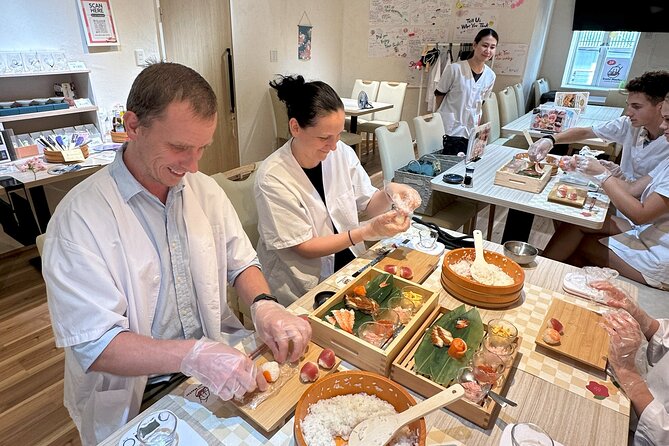
Sushi class with a meal, right by Namba. This hands-on sushi making session in Osaka Namba runs about 90 minutes, and it is one of the rare classes that works on short notice, including same-day booking. You meet at Sushi Master Namba Dotonbori, a quick walk from Namba Station, and you get a mobile ticket to keep things simple.
I love the English-speaking instruction and the fact that this is truly make-and-eat, not a sit-and-watch experience. You also learn how to make sushi rice so your nigiri actually holds together. The main thing to consider is that ingredients can vary, and drinks are not included (you can order soft drinks or alcohol on site), so if you have allergies or strong dietary needs, plan to flag them clearly.
Key Things That Make This Osaka Sushi Class Worth Your Time
- Same-day friendly, 90-minute pace that fits easily into an Osaka food day
- English-speaking instructors who guide you step by step, ideal for beginners
- Sushi rice is the focus, so you learn the foundation, not just shaping
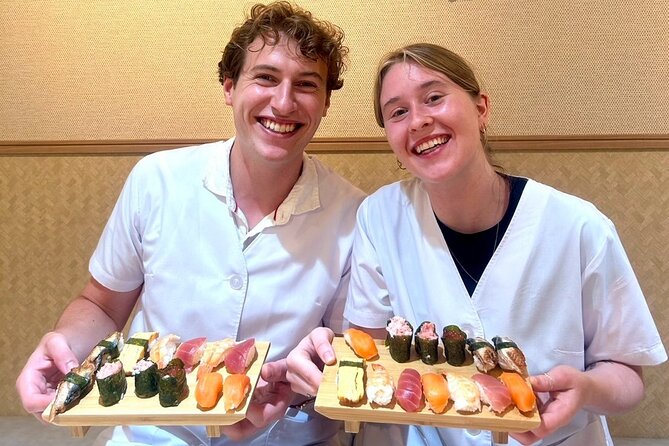
- You eat what you make, including your nigiri and rolls, for real value
- Vegetarian sushi is available if you request it in advance
- Premium vs standard courses let you choose 10 pieces or 8 pieces
Osaka Namba Is the Right Base for a Sushi Skill You Can Use Again
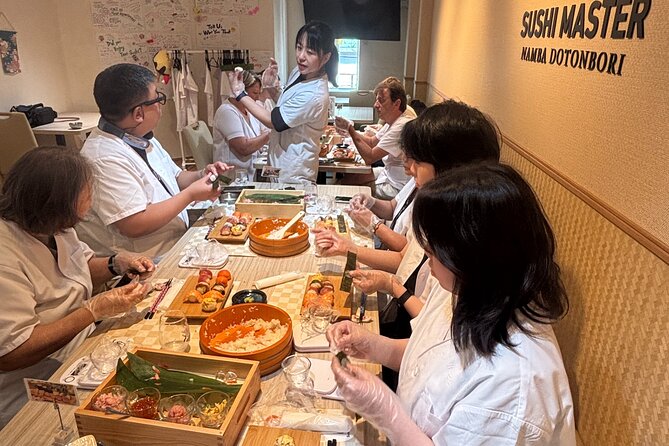
Osaka is loud, fast, and full of food temptations. That is exactly why a hands-on class works so well here. You get off the street and into a structured 90-minute lesson, then you leave with something you can actually repeat later. This class is set in the Osaka Namba area, meeting at Sushi Master Namba Dotonbori (about a 3-minute walk from Namba Station on the Osaka Metro Midosuji Line). For many people, that location makes the biggest difference, because you do not have to spend half your day traveling just to learn a new skill.
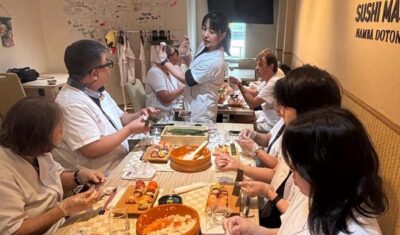
The format is built for real-time learning. You start with a short intro to sushi and Japanese food culture, then you move quickly into making sushi. That matters, because sushi is one of those foods where timing and technique change everything. The class keeps you moving, so you get help before you can accidentally practice the wrong way.
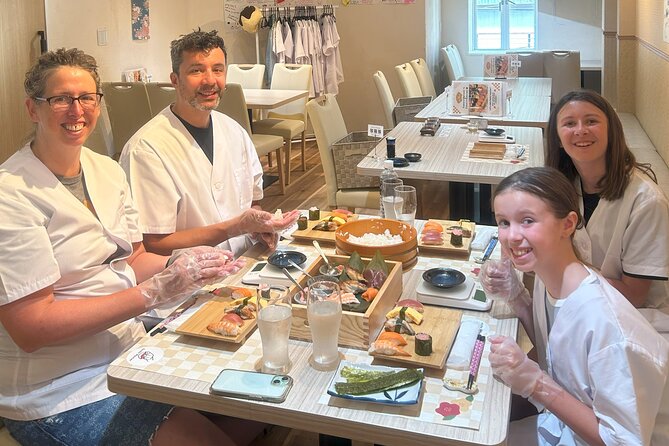
It also helps that the group size is capped at 30 travelers. Smaller groups tend to mean more attention and fewer long waits. If you are traveling as a couple, with kids, or with friends, you will likely feel like the class is geared for teaching rather than performing.
Weigh this one against the Namba bookings people rate highest:
What Happens During the Lesson: From Sushi Rice to Nigiri and Rolls
The schedule is simple on paper, but it is designed to teach the core mechanics.
First, expect a brief intro about sushi and Japanese food culture. This is not just trivia. It helps you understand why the steps are the way they are, especially when it comes to sushi rice. If you have ever had sushi rice that tasted bland or too sticky, you already know why this part matters.
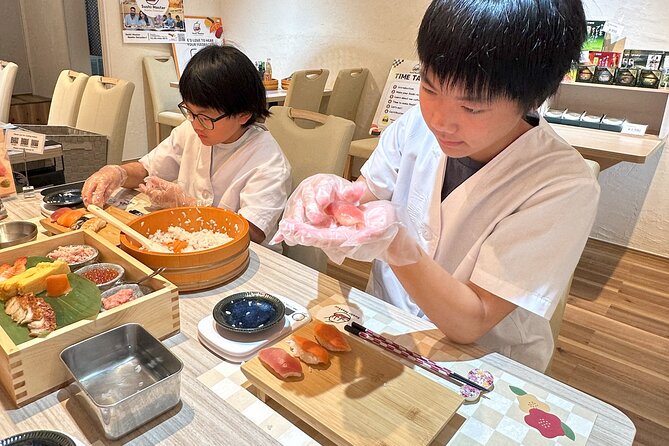
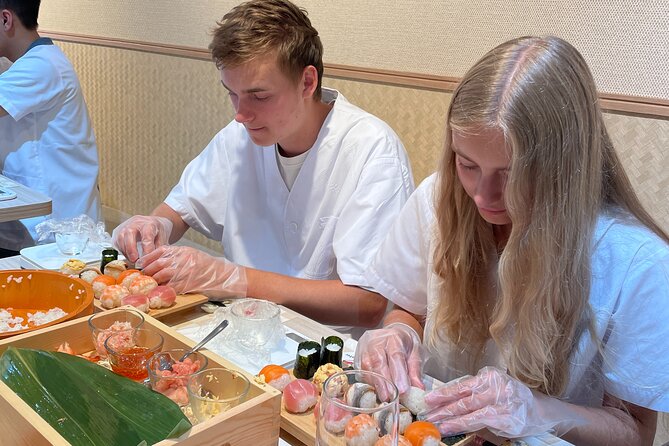
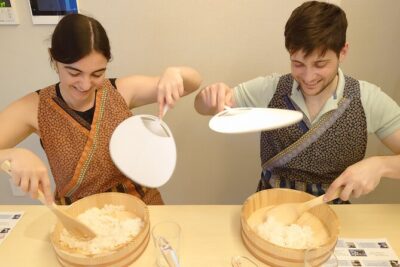
Next comes the practical work. You will learn how to make sushi rice and then shape sushi using that rice. The class focuses on hands-on nigiri and rolls, with guidance from friendly English-speaking instructors. In other words, you are not just “trying it.” You are getting instruction you can apply as you work.
Finally, you get time to eat your sushi. This is where the experience turns from “fun activity” into “food memory.” A lot of cooking classes stop at the making part. Here, you get to taste what you made, right then. That means you can connect technique to flavor immediately. You also get to adjust your understanding as you eat, for example noticing texture, bite size, and how rice seasoning changes the overall taste.
Premium or Standard Course: How Many Pieces You’ll Make
You basically have two options, and the difference is the piece count:
- Premium Sushi Making Course: 10 pieces
- Standard Sushi Making Course: 8 pieces
For the price point, the piece count matters because it affects how much hands-on work you get. More pieces generally means more practice shaping, so you come away with stronger muscle memory. If you are hungry and want a fuller plate at the end, lean toward premium.
If you are shorter on time or just want the basics without going too big on quantity, the standard course still gives you the core experience: rice, nigiri, rolls, and the chance to eat what you made.
One more practical note: ingredient choices can vary depending on availability. That is normal in any real kitchen, but it does mean you should not assume the exact fillings will match what you pictured. If you have allergies, you will want to communicate them in advance in the special requirements section.
Teacher Style and Group Energy: Why Beginners Feel Comfortable
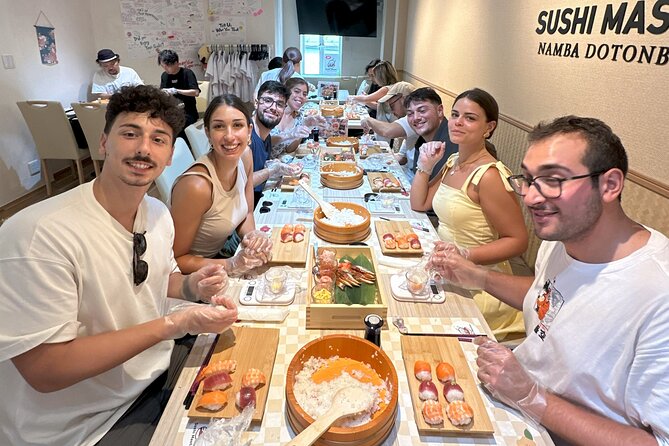
The most repeated theme from strong experiences like this is not fancy equipment or rare ingredients. It is teaching style.
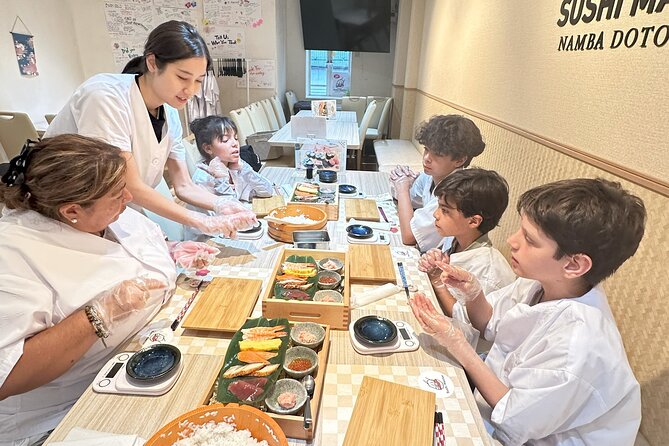
This class uses friendly instructors who speak English well and teach patiently. The step-by-step guidance is especially helpful if you have never made nigiri from scratch. Nigiri is deceptively tricky, because rice texture, pressure, and shaping all matter. When you get clear instruction at the right time, it clicks fast.
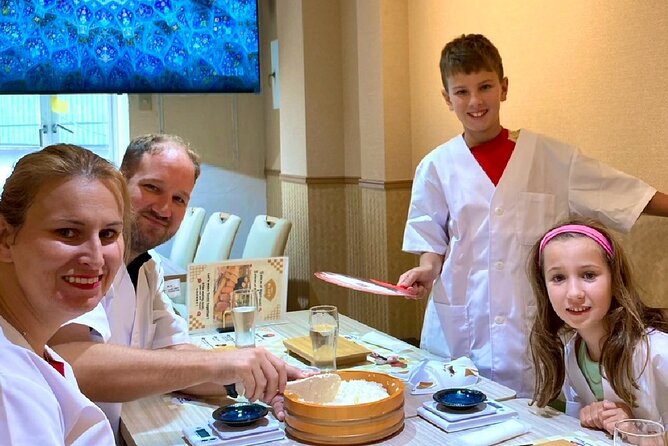
I also like that the class works well for families. One family described kids ages 14, 12, and 8 having the course as a highlight. That lines up with the hands-on structure, because children can actively shape and learn without needing a cooking background.
If you are an adult traveling solo, you still get value. You are not stuck watching while others work. You are doing the steps, and that makes the class feel more personal, even when the group is mixed.
The Price Makes Sense Because You Actually Eat What You Make
At $33.16 per person, this sits in the “serious food activity” range, not a cheap gimmick. The value comes from what is included:
Included:
- Sushi ingredients for your session
- English-speaking staff
- Sushi meals, meaning you eat what you make
- A small gift
Not included:
- Drinks
- Hotel pickup and drop-off
Here is why that matters. You are paying for the lesson plus ingredients plus an actual meal. If a class gives you a tiny portion to taste, the value feels thin. With sushi making, “portion” is the whole point. You leave with food, not just a souvenir.
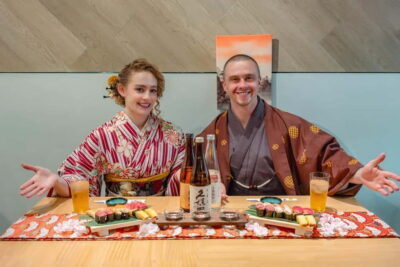
Drinks are not included, but the experience describes the chance to try Japanese sake with your meal. It is worth thinking of this as a tasting moment, not an open bar. If you want soft drinks or alcohol beyond what is offered in the class flow, you can order them on site.
Also, hotel pickup and drop-off are not included. That is common for classes in central city areas. The upside is that you can plan your day flexibly, and the meeting point is close to transit.
Where to Meet, and How to Time It With Your Osaka Day
You meet at:
Sushi Master Namba Dotonbori
Japan, 542-0076 Osaka, Chuo Ward, Namba, 1-chōme-621 (location listed as the 2nd floor)
The activity ends back at the meeting point, so you do not need a transport plan beyond getting there.
The practical tip is timing. With a 1 hour 30 minutes total duration and a meal included, this works nicely as:
- an early dinner option,
- or a late lunch when you want food plus an activity.
Because it is near Namba Station, you can also combine it with a walk around the Dotonbori area after. Just keep in mind that you will be eating your own sushi during the class, so you may want to scale down the “must eat everything” mindset immediately afterward.
Same-day booking is available, which helps if your plans change. If you are building a day around food and want a hands-on break from wandering, this is a strong candidate.
Allergies, Vegetarian Sushi, and Ingredient Changes You Should Expect
The class explicitly supports planning for special diets:
- Vegetarian sushi is available if you mention it in the special requirements section.
- You should inform the team in advance of allergies.
This is not just nice to have. Sushi ingredients can include multiple items like seafood, sauces, and seasonings, so last-minute requests can be harder. Also, ingredients may vary depending on availability. That means the safest approach is to tell them what you cannot eat and let the class handle substitutions.
If you are traveling with a picky eater, vegetarian request, or allergy needs, put the details in the booking notes immediately. It is the difference between a calm meal and a stressed one.
Small Gift, Optional Sake, and the Little Perks That Add Up
One of the small joys here is the small gift at the end. It is not the reason to book, but it is the kind of thoughtful touch that makes a short class feel complete.
The class also mentions the chance to try Japanese sake with your meal. Even if you do not drink, it is a fun cultural add-on. If you do plan to drink, remember that drinks are not included, so you are the one controlling what you order.
This is one of those experiences where the “extras” support the main value, which is learning and eating. You get a lesson, you get food, and you get a bit of closure at the end.
Should You Book This Osaka Nigiri and Rolls Class?
You should book if:
- you want a real hands-on sushi lesson in central Osaka,
- you are a beginner and want English instruction that keeps you on track,
- you like the idea of learning sushi rice so your sushi actually works,
- you want a family-friendly activity around the Namba area,
- you value a class where the meal is included because you are actually eating your results.
You might skip it if:
- you need a fully customized menu with guaranteed ingredients every time, since ingredients can vary,
- you want drinks included in the price,
- you are looking for something more advanced and sushi-focused than basic nigiri and rolls practice (this class is structured as a beginner-friendly introduction).
My take: for the time and price, this is a practical way to turn Osaka eating into a skill. You leave with technique you can reuse, and you do not waste the lesson by just “tasting a little.” If your schedule has even a small gap near Namba, this is the kind of class that fills it well.
FAQ
How long is the Osaka sushi making class?
It is about 1 hour 30 minutes total.
Is same-day booking available?
Yes, same-day bookings are welcome.
Where do I meet for the class?
Meet at Sushi Master Namba Dotonbori, 542-0076 Osaka, Chuo Ward, Namba, 1-chōme-621, on the 2nd floor. It ends back at the meeting point.
What will I make in the class?
You will make nigiri and rolls with guidance, and you will also learn how to make sushi rice.
What is included in the price?
The class includes sushi ingredients, English-speaking staff, sushi meals (the sushi you make), and a small gift.
Are vegetarian options available?
Yes. Vegetarian sushi is available if you include your request in the Special Requirements section.
Are drinks included?
Drinks are not included. Soft drinks and alcohol can be ordered on site.
What is the cancellation policy?
Free cancellation is available up to 24 hours in advance for a full refund. If you cancel less than 24 hours before the start time, the amount paid is not refunded.
More Tour Reviews in Namba


Latest out of Namba

Osaka Sushi Making Workshops, side by side.
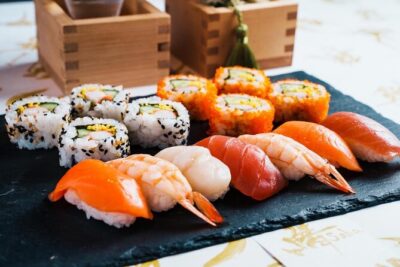 ★ 5.0Sushi Making Osaka Roll and Authentic Japanese Sushi ClassFrom $311,220 reviews
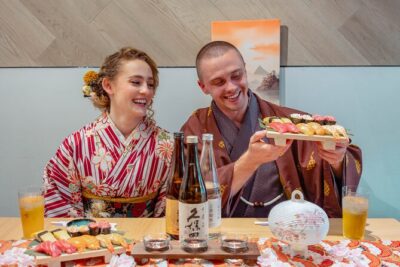 ★ 5.0Osaka Sushi Making ExperienceFrom $29400 reviews
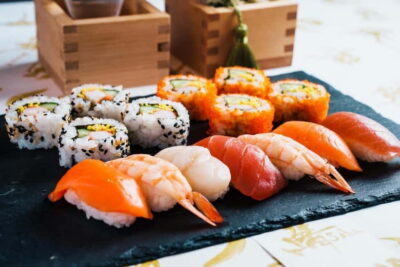 ★ 4.9Osaka: Roll and Authentic Sushi Making Class in DotonboriFrom $45239 reviews
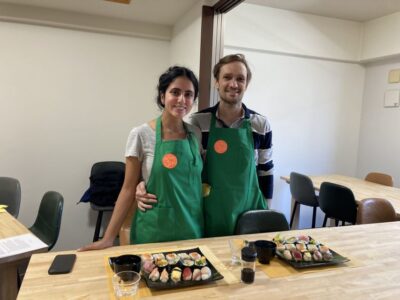 ★ 4.9Osaka: Sushi Class in DotonboriFrom $67160 reviews
 ★ 4.9Osaka Dotonbori: Sushi Making ExperienceFrom $45122 reviews
 ★ 5.0Osaka: Sushi Making in Spacious Studio (SAME-DAY OK!)From $2575 reviews
 ★ 5.0Sushi and Japnese foods cooking class in OsakaFrom $16551 reviews
 ★ 5.0Authentic SUSHI Course Cooking ClassFrom $9939 reviews
Also worth a look in