
REVIEW · KYOTO EXCURSIONS FROM OSAKA
From Osaka/Kyoto: Kyoto & Nara Day Trip with Optional Lunch
Kyoto and Nara in one long day sounds intense, then it works. This trip strings together Arashiyama Bamboo Forest, Nara’s deer-filled park, and the torii gate climb at Fushimi Inari, with an air-conditioned bus doing the heavy lifting. I like the big-sight focus, because it helps you see a lot without trying to connect trains and buses when you are tired.
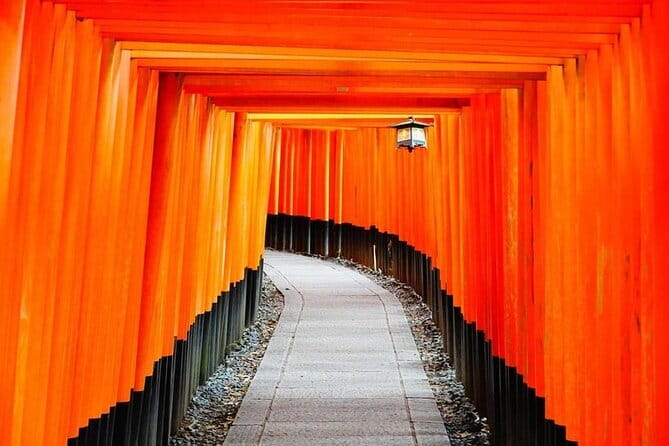
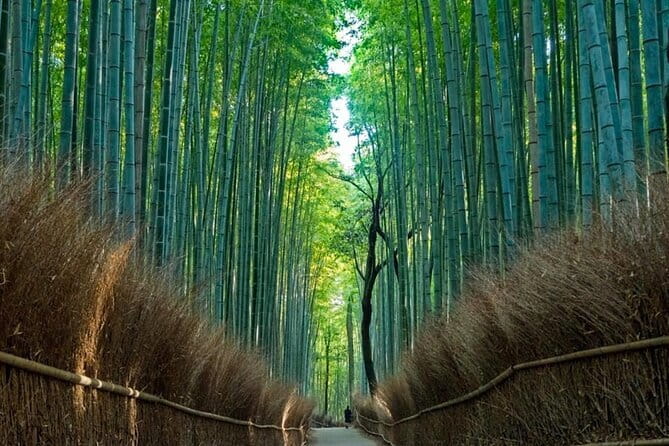
Two things I really love are the photo magic at Arashiyama and the finish at Fushimi Inari. The bamboo grove feels calm and surreal, then later those red torii gates make you forget you ever had to schedule anything.
One drawback to plan for is time. It is a 9 to 10 hour day, and the stops are long enough to enjoy, but you still walk and you still have to return on time.
Key takeaways before you go
- A one-bus day from Osaka or Kyoto means fewer logistics headaches and more time on sights.
- Arashiyama time is built for multiple nearby stops, like Tenryu-ji area, Togetsukyo Bridge views, and options such as Iwatayama Monkey Park.
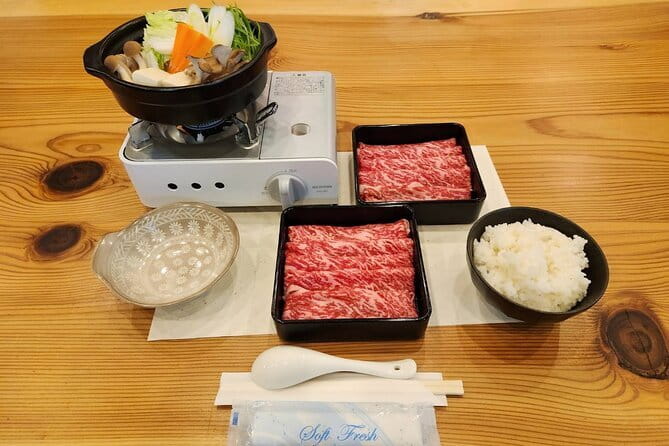
- Optional lunch at Kyoto Wasabi gives you real sit-down value, with Kobe beef shabu-shabu, pork shabu-shabu, Kobe rice bowl, or Kobe sukuyaki.
- Nara Park plus Todai-ji is a big payoff: you get the UNESCO site and the famous Great Buddha inside Japan’s largest wooden structure.
- Fushimi Inari is the grand finale, and the torii gates are the kind of thing you remember for years.
- Group touring is strict about timing, so wear good shoes and stay glued to the plan.
Kyoto and Nara in one ride, and what you really save
If your Kyoto trip is short, this is the kind of day trip that can keep you from spending your energy on transfers. You get picked up from either Osaka or Kyoto (choose your meeting point), then you ride with an English or Chinese speaking guide plus an air-conditioned vehicle.
This is also a value deal compared to piecing together private transport. For about $68.03 per person, you are paying for the guide, the vehicle, and the built-in admission or fees where they apply, plus taxes and fees are bundled. The tradeoff is that you do not control pacing the way you would on your own.
The group size is capped at 49 people, which is big enough for a lively day but often small enough that you can still move efficiently between areas.
Other Kyoto days, compared
Arashiyama Bamboo Forest and Tenryu-ji: where the day becomes special
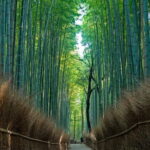
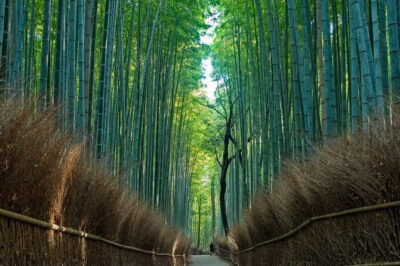
Arashiyama is the emotional start of the day. The Bamboo Forest part is usually the moment people go quiet, because light slices through tall stalks and the path feels dreamlike even when it is crowded. You also have time around the broader Arashiyama zone, so you can bounce between a few highlights instead of just one.
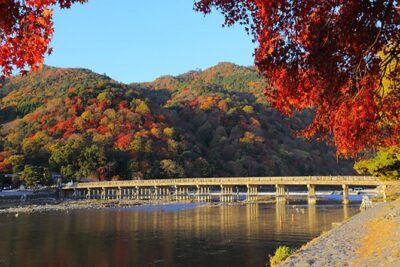
In this stop you can expect the classic Tenryu-ji area (including Tenryu-ji, a major Zen temple), plus nearby photo landmarks like Togetsukyo Bridge over the Katsura River. Some schedules also build in other nearby options such as Ōkōchi Sansō (the former home and garden of actor Denjirō Ōkōchi), Nonomiya Shrine, or even Iwatayama Monkey Park for the view and the monkeys.
Two practical tips help here:
- Go for your first big photos early in the stop, because later the crowds thicken and people start clustering at the same angles.
- Keep your time focused. This is one stop of about 1 hour 20 minutes total, so treat it like a sprint with breaks, not a slow stroll.
If you are traveling in hot weather, Arashiyama can still feel warm once you move away from the bamboo shade. A hat and water are a simple upgrade.
The Kyoto stop: what lunch at Kyoto Wasabi is really buying you
The middle of the day is where you decide how you want to spend your time. There is an optional lunch at Kyoto Wasabi Restaurant, and it is designed to be more than a boxed meal stop.
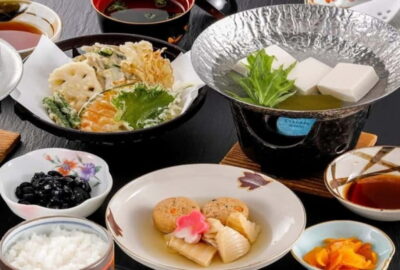
The restaurant choice menu includes:
- Kobe beef shabu-shabu
- Pork shabu-shabu
- Kobe beef rice bowl
- Kobe beef sukiyaki
This matters because shabu-shabu and sukiyaki are not just food, they are comfort after walking. You also get a warm indoor reset, which is a big deal on humid days.
The Kyoto stop is listed at 50 minutes, and the schedule can flex. You may also see small add-on cultural stops in the Kyoto area, such as the Fukuda Art Museum, which focuses on Japanese paintings from the Edo period. I would not plan on squeezing in a long museum visit here, but it can be a nice bonus if you are the type who likes to look at one or two focused things.
In the group chatter, I noticed a pattern: people who liked this tour the most often called out the lunch. It is one of the few places in a one-day itinerary where you actually get to sit, eat, and recover while staying on schedule.
Nara Park and Todai-ji: the deer moment and the 15-meter Great Buddha
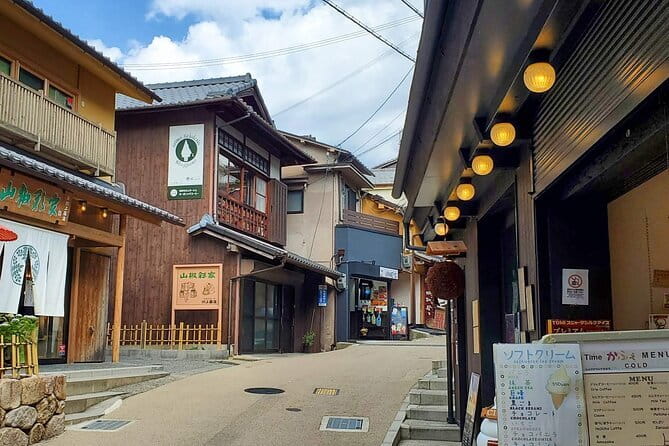
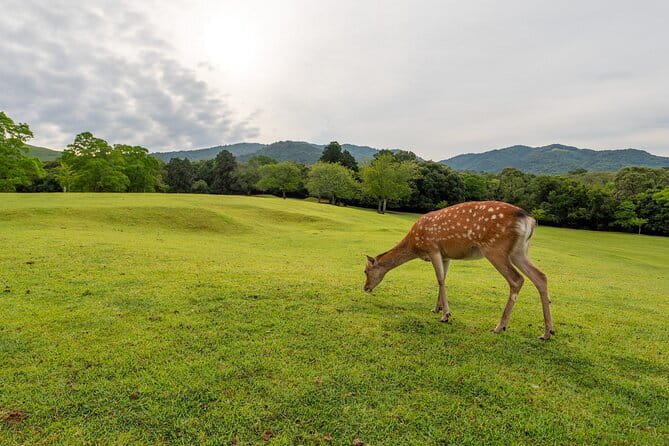
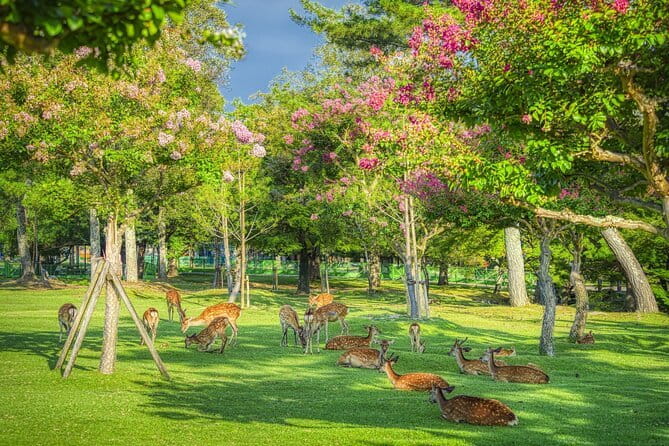
Nara is where the tour shifts from Kyoto beauty into a different kind of energy. Nara Park is famous for the deer, and this day trip gives you time for that classic experience. Expect a lot of deer and a lot of people at the same time, so treat it like controlled chaos.
Todai-ji is the centerpiece. It is UNESCO World Heritage, and inside the temple’s Great Buddha Hall you can marvel at the Great Buddha, which is described as about 15 meters. That scale is the point. Even if you have seen famous Buddhist statues before, the sheer size here is a different category.
You should also know what is optional. Entrance fee to Todai-ji temple is not included, so the guide can point you toward the decision. If you want the full Todai-ji experience, budget for that ticket. If you skip it, you still get Nara Park and the surrounding shrines, but you will miss the largest structure and the Great Buddha view.
This stop is about 1 hour 20 minutes. In that window, you can do:
- deer time around Nara Park
- Todai-ji if you purchase the entrance
- a quick shrine or garden-type stop nearby
Some schedules in the Nara area also reference places like Manyo Botanical Garden (Kasuga Taisha Garden) and Tamukeyama Hachiman Shrine. You might not get to do everything deeply, but the mix keeps the stop from feeling repetitive.
My practical advice for the deer:
- Keep your hands controlled. If you are holding food, hold it securely and do not try to wave snacks around.
- Wear shoes you do not mind stepping near uneven ground.
- If you want the best deer photos, take them when groups move, not when a cluster locks in place.
Fushimi Inari shrine: torii gates are better when you plan your climb
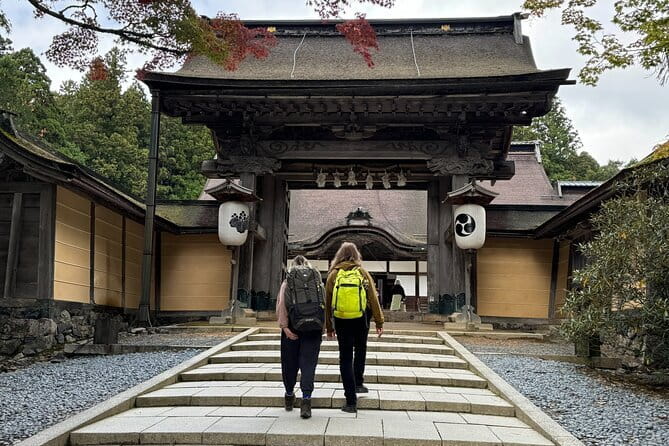
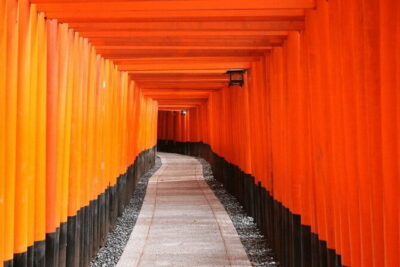
Fushimi Inari is the grand finale, and it is the kind of place where the photos do not fully prepare you. The shrine is famed for its thousands of vermilion torii gates forming a path up Mount Inari. The walk through the gates is the show, and this tour gives you about 1 hour 20 minutes for it.
Here is how to make your time count:
- Decide before you arrive how far you want to go up the steps and paths.
- If you are short on stamina or the crowd crushes your pace, aim for a meaningful section of gates and turn back. You still get the iconic look.
The group day keeps you moving, and that can be good here because it prevents you from freezing in front of the same gate for 30 minutes while everyone else streams past. Still, do not forget that the last stop is where you most want the photos. If you feel rushed, you will remember the stress more than the gates.
The best guides seem to know exactly how to pace this stop so you get the feeling without the panic. Some past guides on this route have been praised for keeping energy up and helping people get to the main spots without wasting time.
More runs out to the deer park
Price and what’s actually included in your $68.03
At $68.03 per person, the headline price can look low for a full day with multiple far-apart sights. The reason is that this is a shared-group format. You are not paying for private transport, private guiding, or a flexible itinerary.
What you do get included:
- an English or Chinese speaking guide
- air-conditioned vehicle
- all fees and taxes
What can cost extra:
- entrance fee to Todai-ji temple, noted as optional
- lunch, which is optional at Kyoto Wasabi
Also, the tour is described as starting from Osaka or Kyoto. That matters because commuting logistics are usually the hidden cost of day trips. Here, that cost is wrapped into the price.
For value, I think this works best if:
- you want the big names (bamboo, Nara, torii)
- you are okay with group pacing
- you will likely buy the optional lunch or at least feel the bus-and-guide structure is worth it
If you are the type who wants to linger for hours in one temple garden or hike all the way up Fushimi Inari without turning back, you might end up wanting more time than this itinerary offers.
Comfort, crowd pressure, and the timing rules that matter
This is a long day. Even when the bus is comfortable, you are still doing walking and stairs, especially at Fushimi Inari and in crowded park areas.
The tour also has a strict start. You are asked to arrive about 10 minutes before departure at your selected meeting point, because the bus and guide are assigned by meeting location. If you are late or at the wrong spot, you can miss the tour and refunds are not issued in that scenario.
Once you are on the bus, you are generally expected to stay on schedule at each stop. The tour is designed to respect the next group’s time as much as your own. In past experiences on this kind of format, the most common complaints were about being rushed, not enough time at each stop, late arrivals, or AC feeling weak during extreme heat.
So my honest approach is simple:
- Plan your day like you are traveling with momentum, not like you are sightseeing at your own pace.
- Bring water, and if you are sensitive to heat, treat the air-conditioned vehicle as helpful, not miraculous.
- Set a personal rule to return to the meeting spot early, not exactly on time.
On the positive side, there are many mentions of comfortable buses, guides who keep groups moving, and close bus parking that saves walking to your starting points.
Which guide style fits you, and how to choose your day
Guide quality is a huge variable in group tours, and this one has multiple names showing up in experiences, including Nick-san, Amanda, Gary, Harry, and V. In the positive stories, these guides often bring humor and energy, give clear directions, and help people decide what to see during limited time.
There are also less pleasant reports tied to a few guiding or operational issues, like poor communication, guide behavior that did not match expectations, or discomfort on a hot day. You cannot fully remove that risk with any shared tour, but you can reduce your stress by going in expecting a group day and by following the schedule rules carefully.
If you are a first-timer in Japan and want someone to handle the flow, this style can feel like a cheat code. If you hate crowds and schedule pressure, you may want a self-guided plan instead.
Who should book this Kyoto and Nara day trip
This tour is a strong fit for:
- first-time visitors who want Kyoto icons plus Nara without transport planning
- travelers who like seeing the highlights in one shot
- people who value a smooth day with an air-conditioned bus, clear stop structure, and optional lunch
It is a weaker fit if:
- you want slow, deep exploration at one site
- you dislike strict return times
- you are traveling with mobility limits and know you will struggle with hills and stairs, especially at Fushimi Inari
If you do book, wear comfortable shoes. The day has multiple walks, and the tour format does not allow long rests between stops.
Should you book? My practical call
If your goal is a high-impact day that hits Arashiyama, Todai-ji, and Fushimi Inari, I think this is worth considering. The included guide, air-conditioned vehicle, and bundled fees make it easier than building your own plan when time is short.
Book it if you like structure, want the big sights, and can handle a long day. Skip or consider a different format if you want maximum time at fewer places or you know heat and crowds will drain you.
If you are on the fence, here is your decision shortcut: if you are thinking, I need the highlights but I do not want to handle logistics, this day trip matches that need.
FAQ
How long is the Kyoto and Nara day trip?
The tour runs about 9 to 10 hours.
What does the price include?
The price includes an English or Chinese speaking guide, an air-conditioned vehicle, and all fees and taxes.
Is lunch included?
Lunch is optional. You can choose lunch at Kyoto Wasabi Restaurant, with menu options like Kobe beef shabu-shabu, pork shabu-shabu, Kobe beef rice bowl, or Kobe beef sukiyaki.
Do I have to pay for Todai-ji?
Todai-ji entrance fee is listed as optional and not included. The Great Buddha Hall is part of Todai-ji.
Do I need to buy tickets in advance?
You receive a mobile ticket.
What should I do to avoid missing the tour?
Arrive about 10 minutes before departure at your selected meeting point. The bus departs on time with no waiting for late arrivals or people at the wrong location.
More Tour Reviews in Namba



More Mornings with the Deer
The Kyoto Shortlist: Other Days East

Latest out of Namba

Kyoto Excursions from Osaka, side by side.
 ★ 4.7Osaka/Kyoto: Hiroshima Miyajima Bus Tour & Shinkansen TicketFrom $277919 reviews
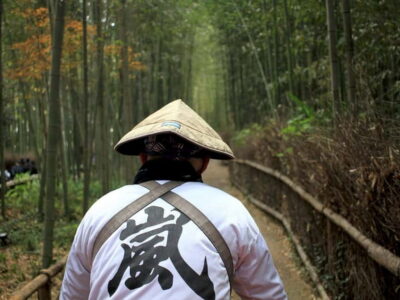 ★ 4.5From Kyoto/Osaka: Kyoto Top Highlights 1-Day Guided Bus TourFrom $51714 reviews
 ★ 4.5Ancient Capital Tour: Kyoto and Nara Highlights from Kyoto/OsakaFrom $90332 reviews
 ★ 4.6Osaka/Kyoto: Amanohashidate & Miyama Tour with Boat & LunchFrom $71207 reviews
 ★ 4.0Kyoto and Nara Day Trip from OsakaFrom $198175 reviews
 ★ 3.5From Osaka or Kyoto: Kyoto and Nara 1-Day Bus TourFrom $64141 reviews
 ★ 4.8Volleyball in Osaka, Kobe & Kyoto with locals!From $6131 reviews
 ★ 5.0Full Day Tour of Kyoto with Private TransportationFrom $247130 reviews