
REVIEW · OSAKA SUSHI MAKING WORKSHOPS
Sushi Making Osaka Roll and Authentic Japanese Sushi Class
Sushi starts with your hands, not a lecture. This Osaka class is a practical, hands-on way to learn nigiri and maki from an English-speaking instructor, with ingredients already prepped so you can focus on technique. It is also set in a super convenient area for food lovers, near Dotonbori and Shinsaibashi, and instructors such as Reika and Aina are mentioned as especially fun and clear.
I love the payoff: you make sushi and then you eat it while it is still fresh and satisfying. The class is beginner-friendly, and the group size stays small (up to 20), so you get real coaching at your station. The main consideration is that the schedule can feel full, so plan on learning and eating fast, not lingering for lots of photos or videos.
Key Things to Know Before You Go
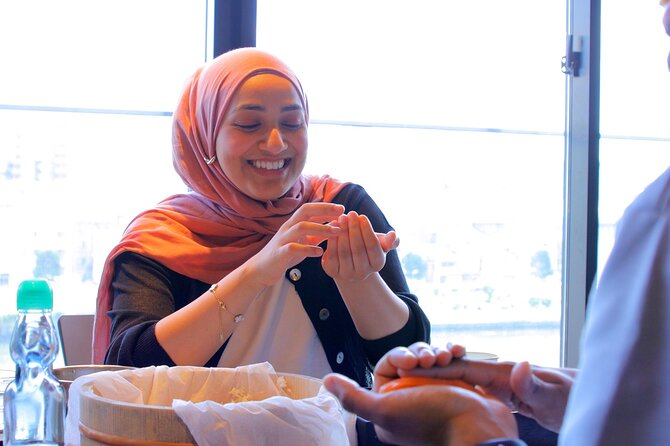
- Prepped ingredients mean less waiting and more time rolling and shaping sushi
- Nigiri plus maki so you learn more than one style (and get to compare results)
- Small group limit (20 max) for better attention while you work
- English instruction helps you ask questions without guessing
- You eat what you make, so it is not just a demonstration
Osaka Sushi Making in 1 Hour 40 Minutes, With Real Food Results
This class is built around a simple idea: sushi is easier when someone shows you what to do, then hands you the knife skills basics and the rice timing. In about 1 hour 40 minutes, you will work through step-by-step sushi-making, then you eat your finished rolls and nigiri. The time matters here because sushi has a rhythm. Rice texture, hand pressure, blade angles, and filling amounts all affect the final look and taste.
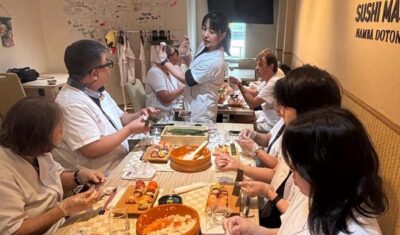
The format also avoids a common cooking-class trap: spending most of your time watching. Here, ingredients are prepped and ready, so you jump into the fun parts sooner. That is why this works well on a day when you also want to explore Osaka food streets.
More rice, more knife work
Where the Class Meets, Right by Dotonbori and Shinsaibashi
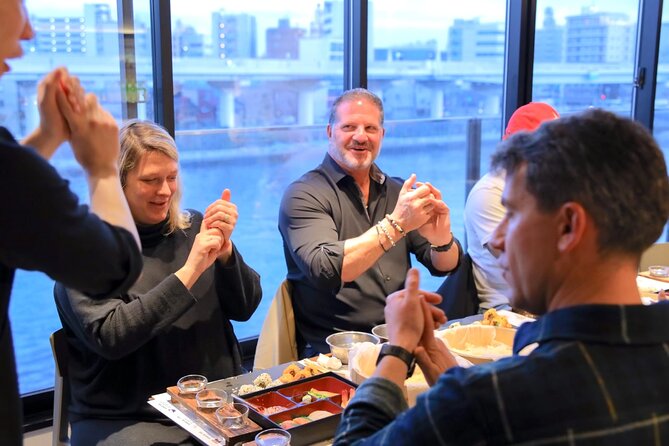
You meet at Sushi Making Osaka, 1-chōme-16-20 Higashishinsaibashi, Chuo Ward, Osaka 542-0083. The location is a big deal. Being near Dotonbori and Shinsaibashi means you can combine it with a regular Osaka wandering day instead of adding a long commute.
No hotel pickup or drop-off is included, so plan to arrive under your own steam. The upside is flexibility. Since it is near public transportation, you can usually build it around your existing route, whether you are starting near Dotonbori lights or heading toward Shinsaibashi shopping.
One small practical note: cooking-class spaces can have stairs and tight interiors. If you want ideal photo lighting, arrive a bit early to get settled and see where the best spot is once you are inside. Some people have noted the room lighting can make photos less flattering.
What You Learn to Make, Nigiri and Maki (Not Just One Trick)
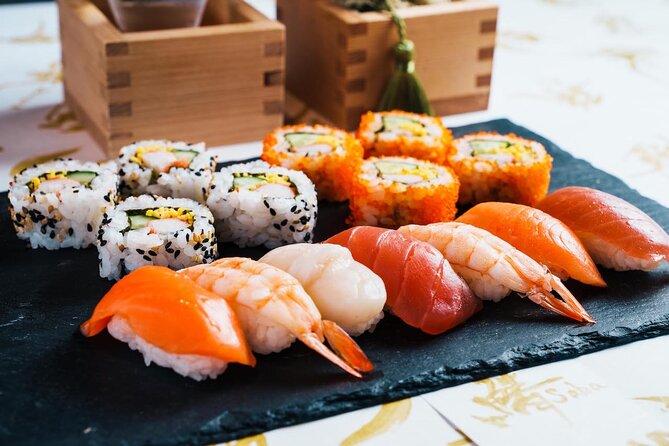
You will learn sushi rolls (maki) and nigiri. That combination is smart. Rolls teach you how to spread rice evenly and control thickness. Nigiri teaches rice shaping and the importance of topping placement. The point is not perfection. The point is technique you can repeat later.
In a beginner class, the instructor’s job is translation. You need clear steps for rice handling, then filling strategy, then roll tightness. For nigiri, you need to understand how firm to press and how to place the fish so it looks like sushi instead of a rice-and-topping accident.
Most classes like this also include cultural context. Here, instructors bring sushi history into the mix in a way that helps you understand why certain choices exist, not just what to do. Some sessions are reported to include more history than others, so if you prefer pure hands-on time, focus on asking technique questions during the working periods.
Step-by-Step Flow Inside the Workshop

Here is how the experience typically plays out, based on what the class offers and how it is described:
Getting set up with ingredients you did not have to prep
When you arrive, your ingredients are already ready. This matters in Osaka, where you can easily be tempted to fill your day with street snacks. With prepped ingredients, you do not lose time chopping or sorting. Instead, you move straight into learning sushi process.
More things to make and take home
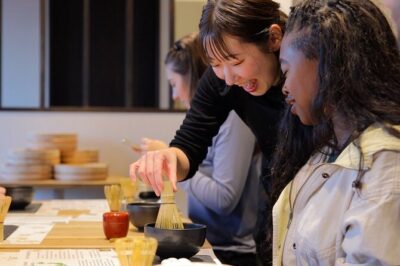
Instructor coaching in English as you work
An English-speaking instructor walks you through sushi-making step by step. You can ask sushi-related questions as you go. That Q and A piece is underrated. Sushi can look simple until you try it. Questions like how much pressure to use, how thick to make fillings, or why rice should look a certain way help you get results faster.
Making your own rolls and shaping nigiri
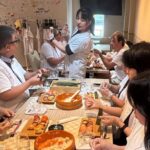
Once you start, you are doing. You will make maki rolls and nigiri, then you taste what you produced. The class is designed so even first-time sushi makers leave with edible sushi, not just a mess on the counter.
Cultural context, then the meal
After the core technique work, there is time for cultural insights and then a tasting moment. The meal portion is included, and it is one of the best reasons to book this instead of only watching a show.
The Instructor Experience, From Reika to Aina
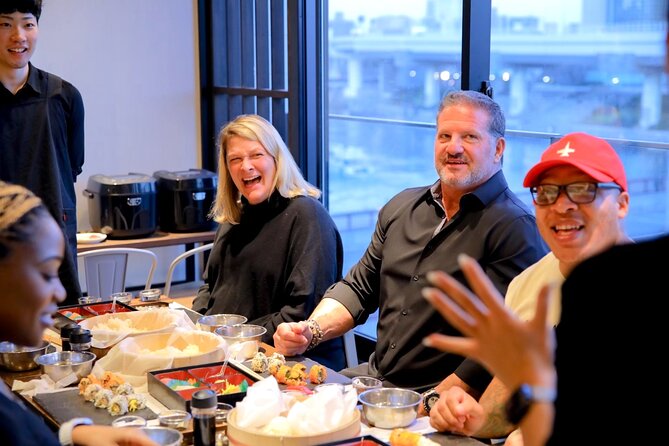
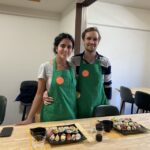
Instructors are a major reason this class scores so well. English guidance is explicitly included, and the teaching style is described as friendly and supportive, with instructors like Reika and Aina called out for being energetic, patient, and fun.
You will likely hear a bit of sushi history during the class. In some feedback, people say this history is brief and helpful. In other feedback, a couple of people wanted more time on making and eating. That is a personal preference thing, not a dealbreaker. If you want maximum hands-on time, keep your questions focused on technique and timing.
One more practical teaching tip: if you have any trouble catching an accent, ask them to repeat. One comment notes an accent can be thick, and patience fixes the issue quickly.
The Meal Part, Portion Size, and Photo Reality
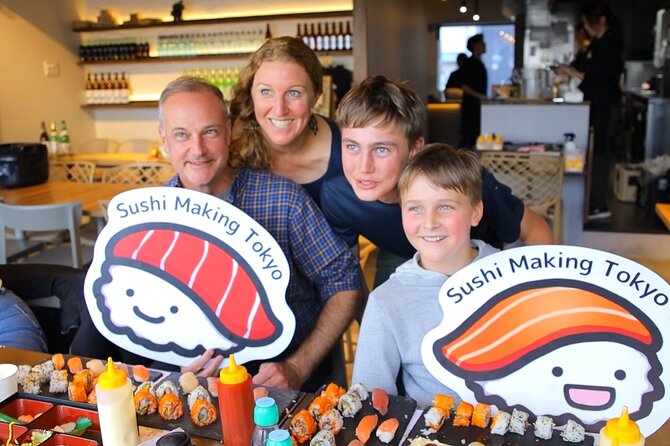
You eat the sushi you make. That sounds obvious, but in cooking classes it is not always guaranteed. Here, the included meal is part of the schedule, not an afterthought.
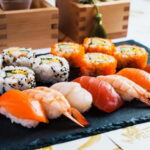
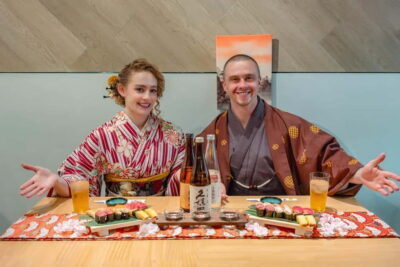
A couple of people described a decent variety and quantity, like one maki roll plus several nigiri. Exact numbers can vary by pace and group dynamics, but the consistent message is that you do not leave hungry.
Photos are allowed, but time is limited. Some people report it is enough to take pictures. Others say the pace leaves less time than expected for videos or lingering. My advice: plan for a few good shots while you are proud of your results, then focus on eating. Sushi is best when you treat it like a meal, not a photo shoot.
Price and Value, About $31 for Ingredients, Instruction, and Dinner
At $31.01 per person for around 1 hour 40 minutes, this is a strong value when you compare it to the cost of a typical sit-down meal plus the price of a guided class elsewhere. The key is what is included: an English-speaking instructor, plus ingredients of the class and the meal.
You do not pay extra for hotel pickup, because none is included. You also should not expect alcohol. Some people wished for sake or beer, but the offering listed does not include it.
The value case is simple:
- You get hands-on instruction
- You get a meal made by you
- You get a small-group setting (max 20)
If you like learning by doing, this is an efficient way to turn one Osaka evening into something memorable you can recreate later.
Dietary Needs, Vegetarians, and the One Booking Detail to Watch
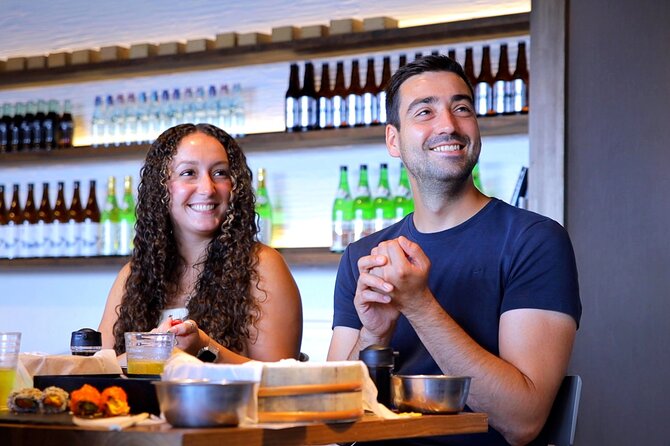
This class is reported to offer vegetarian options and fish options. That is great for mixed groups.
Still, dietary changes can be tricky in any kitchen setup. One feedback point says if someone does not eat shrimp and it was not noted in the reservation, swapping might not happen. So if you have dietary preferences, make sure they are entered clearly when you book. If you are allergic or strict, it is smart to double-check in advance with the provider so you are not relying on last-minute substitutions.
Is This the Right Fit for Families and First-Timers?
This class is designed for beginners. No cooking experience is required, and that is why it works for families and first-timers who want something more interactive than a regular meal.
It is also a good option when you want a short commitment. With an experience duration of about 1 hour 40 minutes, you can still do Dotonbori wandering afterward.
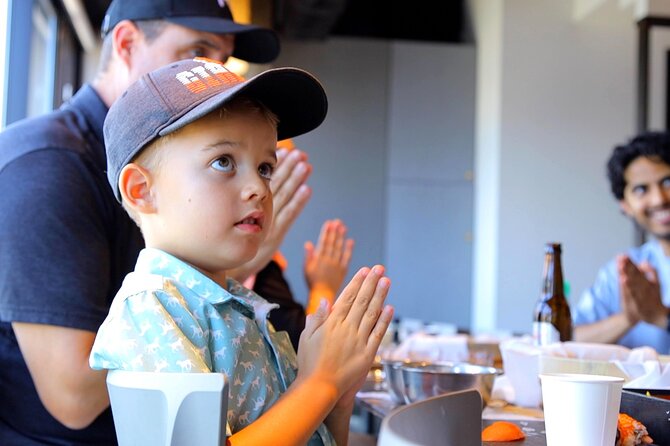
If you are traveling with kids, many people highlight how engaging the activity is for younger participants. Sushi-making is tactile and visual, and the end result is something they can actually eat.
Practical Considerations, Timing, Food Handling, and Room Comfort
A few real-world things to keep in mind:
- Pace and timing: Some people say it felt rushed for photos or videos. Go in expecting learning and eating on schedule.
- Accent clarity: English instruction is provided, but accents can vary. Ask for repetition if needed.
- Food temperature questions: One comment raised concern about seafood sitting at room temperature for a stretch of time. You cannot verify everything from the outside, but if you are very particular, you can ask how ingredients are stored and handled during the session.
- Room lighting: If photography matters, be aware that lighting can be dim, and shadows can happen.
These are not reasons to skip the class. They are reasons to set expectations, bring the right mindset, and ask one or two clarifying questions at the start.
Should You Book Sushi Making Osaka (Osaka Roll and Authentic Japanese Sushi Class)?
Book it if you want a practical, beginner-friendly Osaka experience where the payoff is instant and edible. For me, the strongest reasons are the combination of English-speaking instruction, prepped ingredients, and learning both nigiri and maki, then eating what you made.
Skip it or pick a different option if you mainly want a slow meal experience or you expect lots of downtime. This is a workshop. It moves. You will be working the whole time.
One smart decision tip: schedule it so you are hungry enough to enjoy your meal afterward, but not so packed that you feel rushed arriving. Since it is near Dotonbori and Shinsaibashi, you can plan a classic Osaka day, then come back for sushi-making before or after your shopping and street-food stops.
FAQ
How long is the sushi making class?
The class lasts about 1 hour 40 minutes.
How much does the class cost?
The price is $31.01 per person.
Where is the meeting point?
You meet at Sushi Making Osaka, 1-chōme-16-20 Higashishinsaibashi, Chuo Ward, Osaka 542-0083, Japan.
Is hotel pickup or drop-off included?
No, hotel pickup and drop-off are not included.
Do I need any sushi or cooking experience?
No experience is required.
What sushi styles will I learn?
You will learn how to make sushi rolls (maki) and authentic nigiri step by step.
Is there an English-speaking instructor?
Yes, an English speaking instructor is included.
Is the meal included?
Yes. You eat the sushi you make, and ingredients of the class and meal are included.
What is the group size limit?
The class has a maximum of 20 travelers.
What is the cancellation policy?
Free cancellation is available. You can cancel up to 24 hours in advance of the experience for a full refund.
Make Something to Take Home
More Tour Reviews in Osaka


More Rice and Knife Work


Latest out of Osaka


Osaka Sushi Making Workshops, side by side.
 ★ 5.0Osaka Sushi Making ExperienceFrom $29400 reviews
 ★ 5.0Osaka Sushi Making Class – Hands-On Nigiri & Rolls (Same-Day OK)From $33352 reviews
 ★ 4.9Osaka: Roll and Authentic Sushi Making Class in DotonboriFrom $45239 reviews
 ★ 4.9Osaka: Sushi Class in DotonboriFrom $67160 reviews
 ★ 4.9Osaka Dotonbori: Sushi Making ExperienceFrom $45122 reviews
 ★ 5.0Osaka: Sushi Making in Spacious Studio (SAME-DAY OK!)From $2575 reviews
 ★ 5.0Sushi and Japnese foods cooking class in OsakaFrom $16551 reviews
 ★ 5.0Authentic SUSHI Course Cooking ClassFrom $9939 reviews
Also worth a look in