
REVIEW · DOTONBORI NEON & STREET FOOD WALKS
Osaka: Sushi Class in Dotonbori
You press sushi in a wooden box. That one technique alone makes this Osaka class more than a snack lesson, because you will learn Oshizushi box sushi plus the best-loved Nigiri style. It all happens in a small group setting with English instruction, right in the Dotonbori area.
I love the hands-on flow and the clear guidance from instructors like Yoshi and Ami, who walk you through each step and welcome questions. I also love the payoff: you leave with enough sushi to feel like you had a real meal, not just a few bites. One thing to consider, the meeting spot can be a little tricky to find, so give yourself a few extra minutes and use the call button at the entrance if needed.
Key points before you book
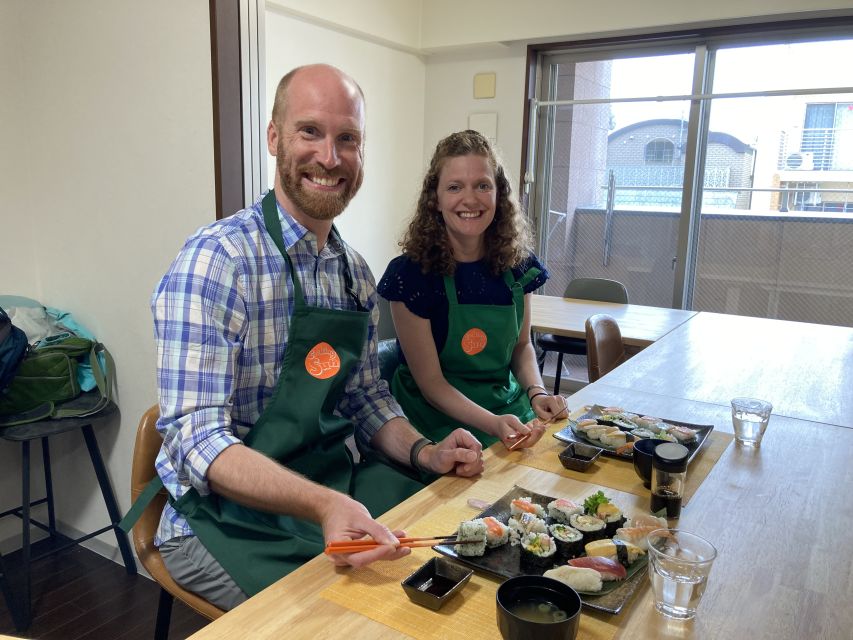
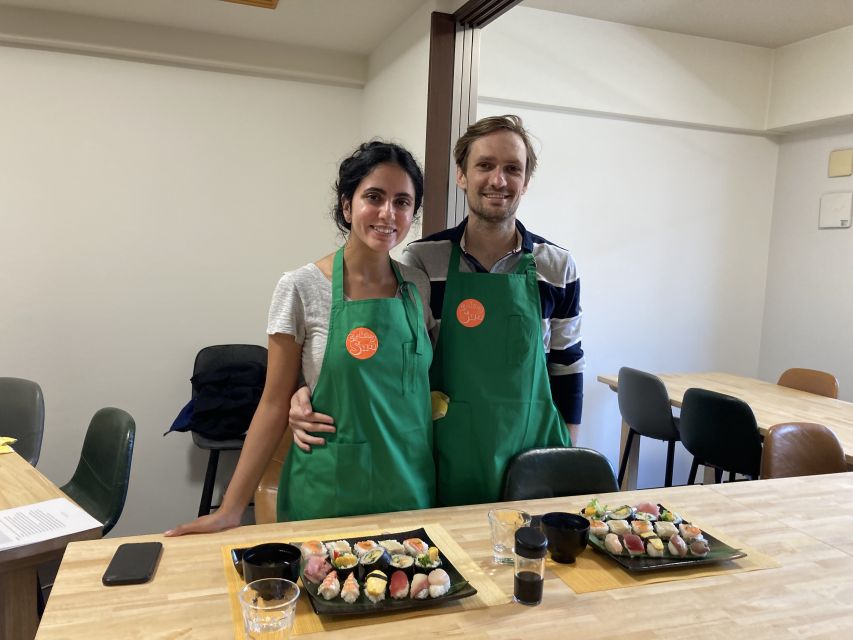
- Three sushi types taught in one class: salad roll, nigiri, and Osaka oshizushi
- Oshizushi box technique: fill a square frame, press to bind, then cut right before eating
- Salad roll with a sweet-savory core: tamagoyaki inside, plus nori and fresh veg
- Nigiri foundations: vinegared rice topped with classic sushi ingredients
- Small group, limited to 8: more time for questions and corrections in English
- You get full value from the meal: fresh sushi made by you, in a 3-hour session
Arriving at Cooking Sun Osaka, room 202, near Dotonbori
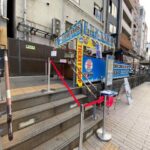
The class meets at Cooking Sun Osaka, room 202. When you arrive, press 202 and hit the 呼出 call button at the entrance, then wait for someone to let you in.
Here is the practical tip: the location can be hard to spot from street level, especially if you come by taxi and the driver has not been there before. One simple strategy is to walk along the street slowly and look for a clear landmark, like the tree outside the place, then use the call button if you are unsure you are at the right door.
If you want the first 15 minutes to be stress-free, plan to arrive a little early. This is one of those activities where you want to start calm, because sushi is all about focus and clean technique.
More of the canal after dark
Three sushi styles you will make, and why Osaka does it differently
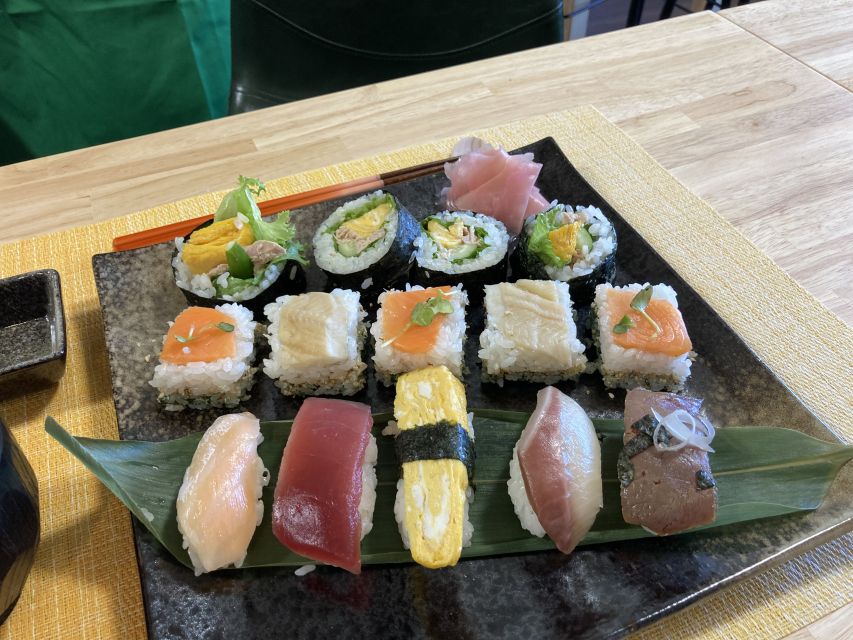
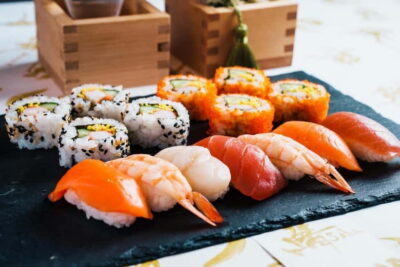
This class is built around making 3 types of sushi: a salad roll, nigiri, and oshizushi. That is a smart mix because you learn both the skill of shaping rice, and the skill of building toppings in different formats.
The salad roll is approachable and light. It uses nori and fresh vegetable, plus a flavored, creamy element like tuna with mayonnaise and crab-flavored kamaboko. You also get a tamagoyaki egg roll core, which helps you learn how to keep fillings neat and centered.
Nigiri is the world-famous benchmark. You place ingredients on top of vinegared rice, using the bite-sized base as the platform. This is the style most people think of when they picture Japanese sushi.
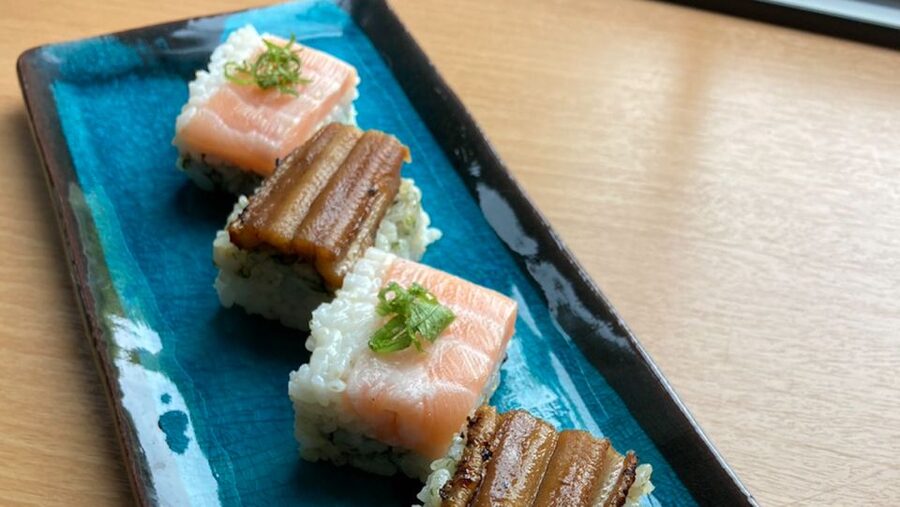
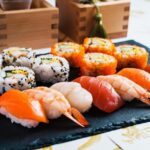
Then comes oshizushi, the Osaka specialty. It is pressed sushi: a square wooden frame holds sushi rice and toppings, you press by hand so everything sticks together, and the final product is cut into pieces right before eating. In Kansai, this is a classic you will keep hearing about once you spend time in the region.
How the class keeps sushi technique simple for beginners
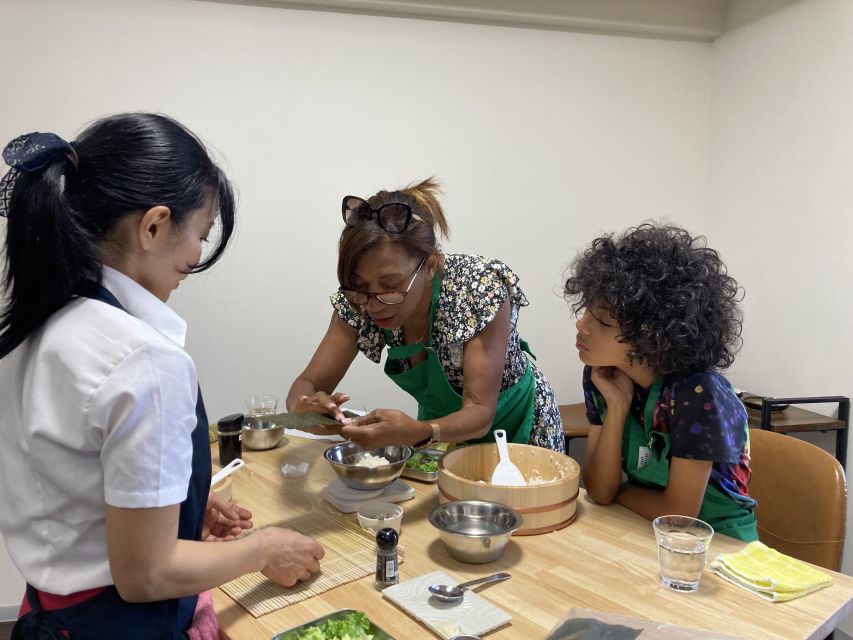
Even if you have never made sushi at home, this is designed to get you producing real results during the 3 hours. The instructor is English-speaking, and the group size is capped at 8, which means you are not lost in a crowd.
What I like about this structure is the focus on repeatable steps. Sushi can look fancy, but the mechanics are learnable: rice texture matters, nori needs to be handled confidently, and toppings need to sit the right way without sliding.
Also, you get the full ingredient side covered. All ingredients for sushi making are included, so you are not juggling grocery lists or trying to guess what a specific Japanese product should look like. That alone can turn a “maybe I try it later” impulse into something you actually do.
Salad roll: nori, veg, and tamagoyaki in one clean bite
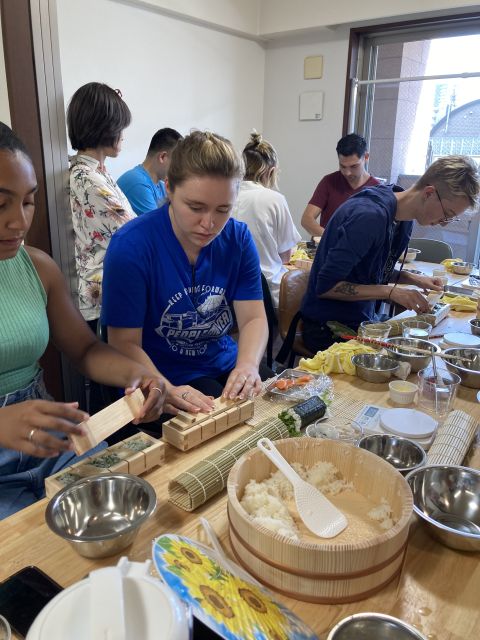
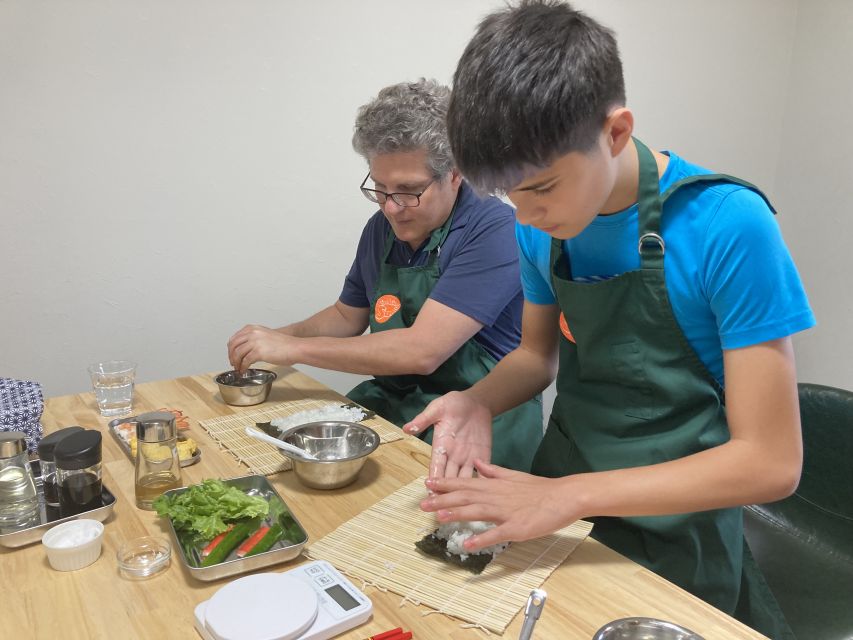
The salad roll in this class is not just lettuce wrapped in nori. You build it with a mix of textures and flavors, including crab-flavored kamaboko, lettuce, cucumber, and tuna mixed with mayonnaise. Then you roll with a nori sheet, and inside you add a core of tamagoyaki.
That tamagoyaki core is a big deal for learning. It teaches you how to pack a filling in the center without overstuffing. Overstuffing is the number-one beginner mistake, because it makes the roll split when you cut it.
Why this roll is a great start: it is flexible and forgiving compared with the precision look of nigiri. You also get a healthier feel to the plate, since this one leans on fresh vegetables and nori, not just fatty toppings.
One practical thing: do not rush the assembly. The roll needs to stay firm enough to hold together, but not so tight that ingredients get crushed. If you feel unsure, ask for a quick check from your instructor before you keep going.
Nigiri: the quick skill behind Japan’s most famous sushi
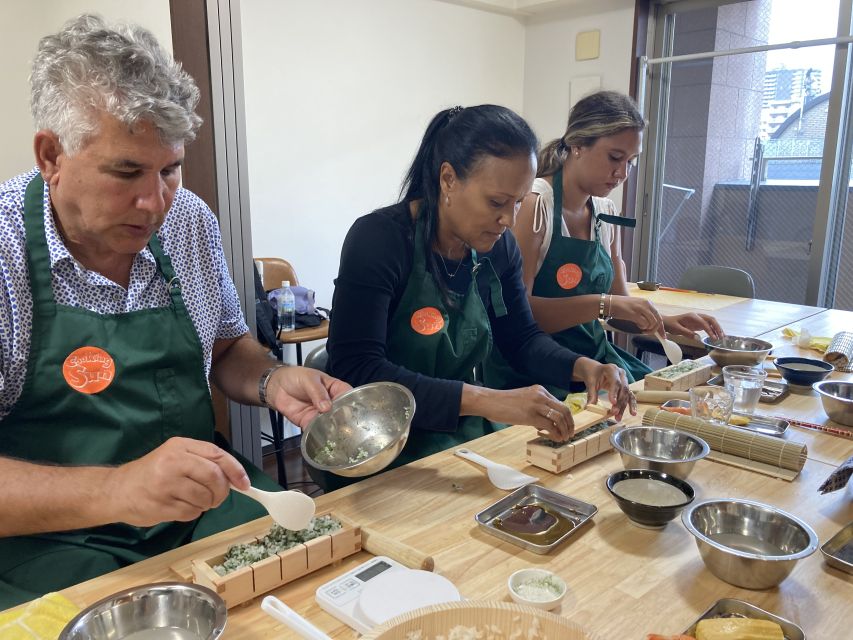
Nigiri-zushi is one of the representative dishes of Japan, and in this class you learn how it is built. The concept is simple: vinegared rice forms the base, then you place sushi ingredients on top.
The class description keeps it broad on purpose, referencing typical nigiri components like fish, shellfish, and omelet. That is useful, because it means you are learning the technique, not memorizing one exact topping for one exact day.
What matters most for nigiri is balance. You want the topping to sit with confidence on the rice, without the rice drying out or the topping collapsing. You will likely get step-by-step coaching so you can get the proportion right.
Also, nigiri is the style that helps you understand why sushi rice matters so much. The rice is not filler. It is part of the flavor and the structure. Once you grasp that, the other styles start to click.
More rice, more knife work
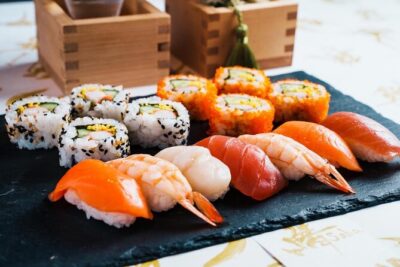
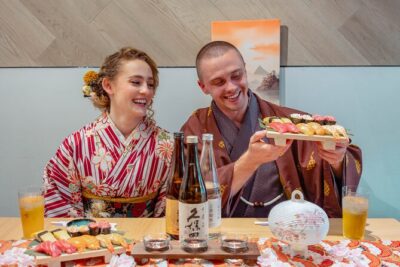
Oshizushi box sushi in Osaka: press, then cut right before eating
Oshizushi is the most local-feeling part of this class, especially if you are spending time in the Kansai region. It is still popular, and it remains distinct from the rolled sushi most people expect.
Here is the method you will practice. You fill a square wooden frame with sushi rice and toppings, then press the rice with your hand so it sticks to the toppings. The finished oshizushi is a square, so you cut it into pieces just before eating.
This is a technique you will remember because you can see what changed between step one and step three. It is not magic, it is pressure and timing. Pressing too softly means it crumbles, pressing too hard can flatten the texture, and waiting too long before cutting can affect how clean the pieces look.
Why this is worth learning in Osaka: oshizushi is a regional tradition, so you are not only making sushi, you are making an Osaka specialty. And when you eat it, you are tasting the difference between pressed sushi and other formats.
Instructor attention in English, with real personality
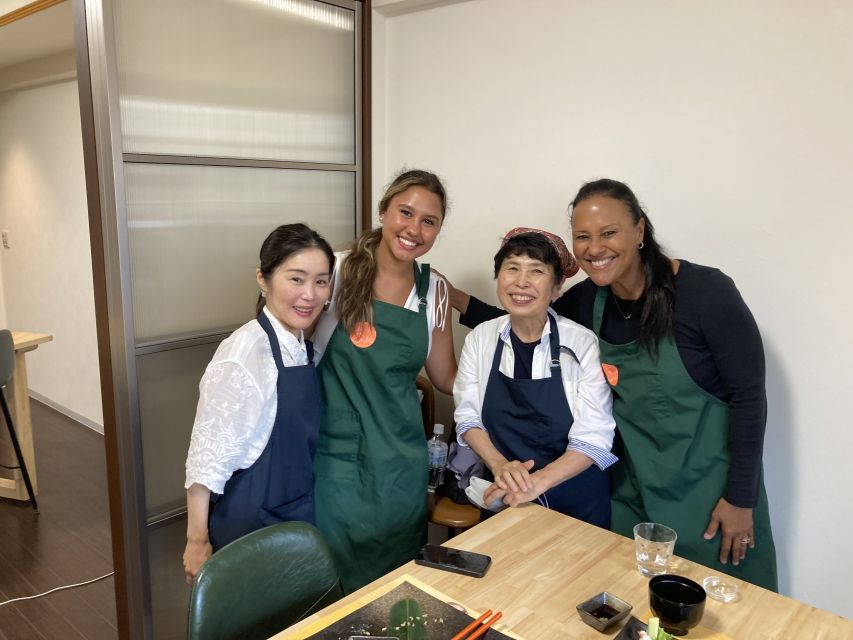
The best part of this class is how much the instructors stay connected to the group. Many participants highlight the step-by-step guidance and how quickly questions get answered. The English instruction is a true strength, since sushi technique benefits from seeing and correcting small hand movements.
The names that keep showing up include Yoshi, Ami, Eriko, Naomi, and Yoko. You might be taught by one of these instructors, and across the feedback there is a consistent theme: they are patient, interactive, and ready to explain not only the how, but the why behind Japanese cooking methods.
One neat bonus: some instructors also ask about your trip and share recommendations for what to do next, including where to go and what to try. That is practical because it turns your class time into a mini planning session, not just a cooking lesson.
In a small group limited to 8, you also get more chances to adjust on the fly. That matters for sushi because little changes in pressure, alignment, and spacing can make the difference between sushi that holds up and sushi that falls apart.
Wheelchair accessible, and built for hands-on learning
This class is listed as wheelchair accessible, which is not something you should assume in cooking studios. If mobility is part of your planning, this is a solid option because it is structured around stations and making food during the session.
All ingredients are provided, so you do not need to worry about finding specialty items or bringing gear. You are basically there to learn the method, then practice it with guidance.
If you are someone who learns best by doing, this setup is ideal. You are not watching someone else cook for most of the time, and you are not leaving with a vague idea of how sushi is made. You are building three kinds of sushi and eating what you make.
Price and value: is $67 fair for 3 hours?
At $67 per person for 3 hours, this class is priced in a way that feels fair for what you get. You are paying for English instruction, a small group, and all ingredients included, which together add up fast in any cooking setting.
What pushes the value higher is the output. You make three sushi styles. That is more than a “taste and observe” experience, and it means you leave with a plate that is substantial enough to satisfy.
The class also has a strong track record, with a 4.9 average rating across 160 reviews. That does not guarantee your exact experience, but it does suggest consistent quality in teaching, organization, and food.
My value checklist for this one is simple:
- You want real technique, not just eating sushi.
- You are okay with a focused menu of 3 styles.
- You appreciate a small group where the instructor can correct you.
If those match your travel style, the price is easier to justify.
Who should book this Dotonbori sushi class, and who might want something else
This is a great fit if you love sushi and you want to understand how it is made in practical steps. It is also a good choice for beginners, because the class is built for novices with clear instruction and time to practice.
It is also ideal for couples or solo travelers, since you get a friendly small-group atmosphere. Many people treat it as a highlight of their Osaka trip because it blends food, technique, and local culture in a compact 3-hour block.
Who might want to consider another option: if you are specifically looking for more advanced knife work, you may not get what you expect. Some sushi classes focus heavily on fish prep and cutting, while this one is centered on assembling and shaping the three sushi types you will make. If that detail matters to you, ask the provider beforehand what level of prep you will do.
Also consider dietary needs early. You can leave a note upon booking for a vegetarian or gluten-free option. If you have serious allergies, put it in writing and do it as early as possible so the team can plan.
Should you book Sushi Class in Dotonbori?
Yes, you should book if you want a hands-on Osaka experience with real technique, clear English instruction, and a meal you actually make yourself. The oshizushi box sushi component is the big selling point for Osaka fans, because it teaches a regional method you cannot really copy from random sushi photos online.
Before you go, do three things:
- Arrive a bit early and plan to use the call button at room 202 if you are unsure.
- Bring a hungry appetite, this is not just a snack class.
- If you need vegetarian or gluten-free, leave your note when you book.
If you want sushi skills you can repeat later, and you like learning through doing, this is a solid choice in Osaka.
FAQ
What is the duration of the Osaka sushi class in Dotonbori?
The class runs for 3 hours.
What sushi types will I learn to make?
You will make 3 types: a salad roll, nigiri, and oshizushi (pressed sushi).
How much does the class cost?
The price is $67 per person.
What is the meeting point address and how do I check in?
Meet at Cooking Sun Osaka, room 202. Press 202 and then the 呼出 (call) button at the entrance when you arrive.
Is instruction available in English?
Yes, the instructor speaks English.
Is the group size small?
Yes. The class is limited to 8 participants.
Can I request vegetarian or gluten-free options?
Yes. Leave a note upon booking for a vegetarian option or a gluten-free option.
What is included in the class price?
All ingredients for sushi making are included.
Is the activity wheelchair accessible?
Yes, it is listed as wheelchair accessible.
Is there a cancellation policy?
You can cancel up to 24 hours in advance for a full refund.
More Tour Reviews in Osaka



More Rice and Knife Work
The Canal After Dark, Continued

Latest out of Osaka


Dotonbori Neon & Street Food Walks, side by side.
 ★ 5.0Osaka Local Foodie Walking Tour in Dotonbori and ShinsekaiFrom $111985 reviews
 ★ 5.0Ultimate Osaka Walking Tour: Castle, Dotonbori & Hidden GemsFrom $73862 reviews
 ★ 5.0Tea Ceremony Experience in Osaka DoutonboriFrom $20754 reviews
 ★ 5.0Osaka: Ramen and Gyoza Cooking Class in DotonboriFrom $70378 reviews
Osaka: Dotonbori River Cruise with Glico Sign & Neon ViewsFrom $12376 reviews
★ 5.0Osaka: Ramen and Gyoza Cooking Class in DotonboriFrom $70378 reviews
Osaka: Dotonbori River Cruise with Glico Sign & Neon ViewsFrom $12376 reviews
 ★ 3.9Osaka: Dotonbori’s Bridges 20-Minute CruiseFrom $12303 reviews
 ★ 4.9Osaka: Roll and Authentic Sushi Making Class in DotonboriFrom $45239 reviews
 ★ 5.0Osaka Local Bar Crawl in Dotombori & Uranamba AreaFrom $26199 reviews
Also worth a look in