
REVIEW · OSAKA AFTER-DARK TOURS
Osaka Deep Night Street Walking Tour
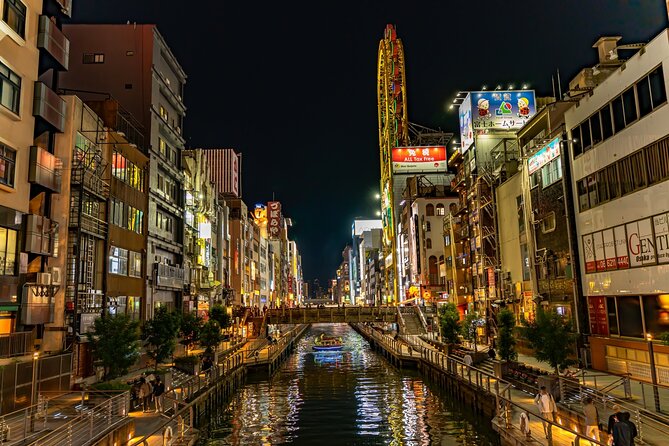
Osaka at 7 pm is a different city. This 2-hour walk links Namba backstreets with the quiet feeling of Hozenji Temple, then hands you off to neon-lit food life in Dotonbori.
I particularly like how the guide uses everyday streets, not just postcard corners, so you get a sense of how people actually move and eat. I also love the food-history connection, from merchant roots to youth fashion culture and back to Osaka’s obsession with meals.
One thing to consider, this is a night walking tour, so bring comfortable shoes and expect steady pavement for the full route.
Key things to know before you go
- Small group pace: capped at 15 people, so it stays easy to ask questions.
- English-speaking guidance: you’ll get a clear story as you walk, not just directions.
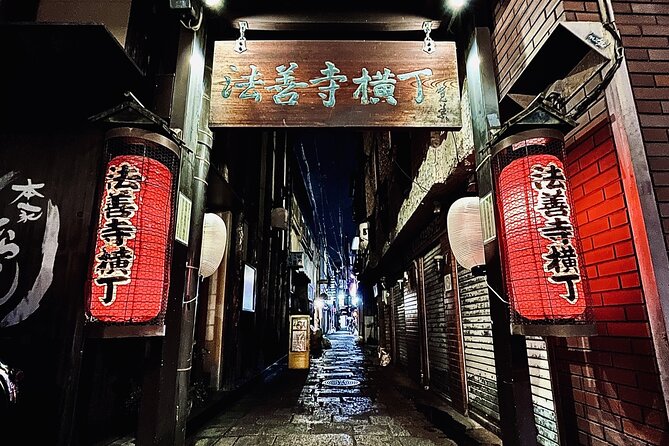
- Temple luck stop: you’ll see locals pour water over a moss-covered deity at Hozenji.
- Shopping streets with context: Shinsaibashi-suji is more than brands, it’s Osaka’s merchant evolution.
- Youth culture in Amerikamura: street art plus vintage shops, with the vibe of a local Harajuku.
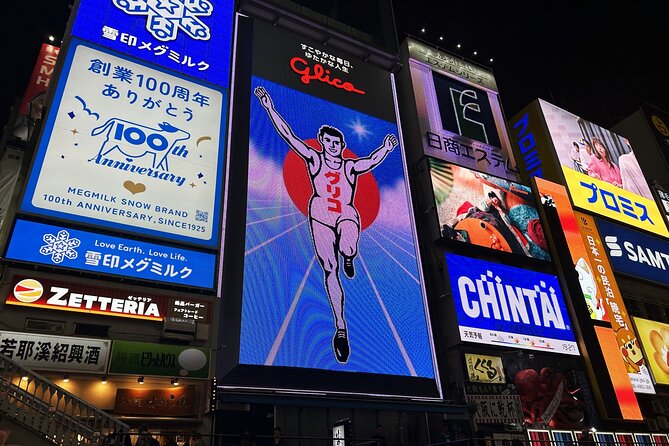
- Food-sign spectacle in Dotonbori: giant signs and neon energy, tied to why Osaka is called Japan’s kitchen.
Start at namBaHIPS and get your Osaka bearings in Namba
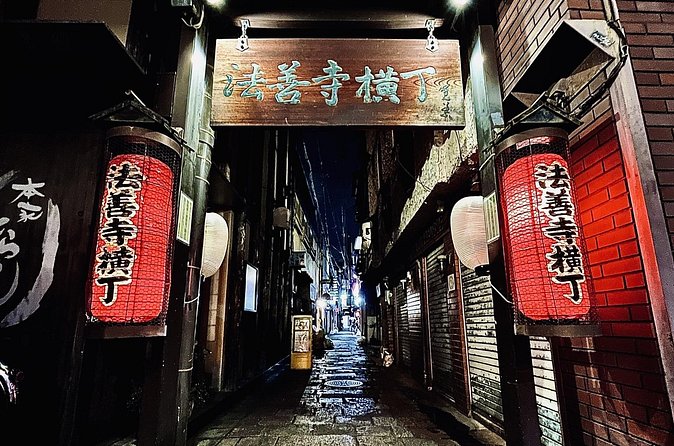
The tour begins at namBaHIPS in Namba, right where Osaka’s nightlife and daily errands overlap. From the first stretch, I like the emphasis on old downtown street life, local markets, and backstreets that many people skip because they look too ordinary during the day.
In Namba, the goal is not to rush through. You’re walking long enough to notice patterns, like how storefronts face the sidewalk, how side lanes pull you toward small clusters of shops, and how night traffic shapes the rhythm of the area. It’s also a good warm-up for the rest of the neighborhoods, because the guide sets the theme: Osaka is a city of living rooms, street corners, and quick food stops.
Later nights in Namba
What to watch for
Keep an eye on signage and small stalls you might miss if you’re only searching for the big name landmarks. This is where the tour earns its value, because it gets you seeing the city the way a local would, just at a slower, guided pace.
Hozenji Temple and the moss-covered luck ritual
After Namba’s street energy, the route shifts to Hozenji Temple, a peaceful break that feels like hitting pause. The highlight is the practice where locals pour water over a moss-covered deity for luck. It’s short and very visual, and the guide helps you understand why this kind of ritual matters in Japanese spiritual life.
This stop is one of the most grounding parts of the tour because it interrupts the shopping-and-neon loop. You also get a better feel for how Osaka blends everyday city life with traditional beliefs, not as a separate museum section, but as a living part of the neighborhood.
How to handle the moment respectfully
Go in with the mindset of watching and following cues. Don’t treat it like a photo set. Let the guide explain, then observe the flow of the ritual as people take their turn.
Shinsaibashi-suji shopping arcades, merchant roots, and modern style
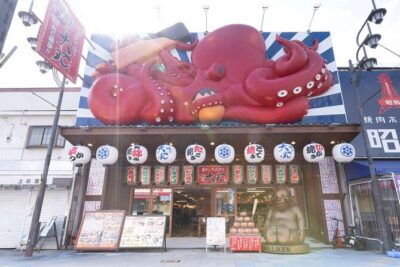
Next up is Shinsaibashi-suji Shopping Street, known for stylish arcades and historic stores. This part matters because it explains change over time. You’re not just walking a shopping corridor, you’re seeing how the area evolved from a merchant town into a fashion-focused hub.
I like this stop because it gives you useful context for what you see. The arcades are fun even if you don’t plan to buy, and the guide’s stories help you understand why certain streets feel built for strolling at night, with light, signage, and shopfronts that keep you moving.
Namba at walking pace, a few more
A practical note
This is a shopping street, so it can feel crowded depending on the evening. If you prefer quieter streets for photos, aim for the wider segments and let the guide lead the group through the busier pockets.
Amerikamura street art and vintage youth culture
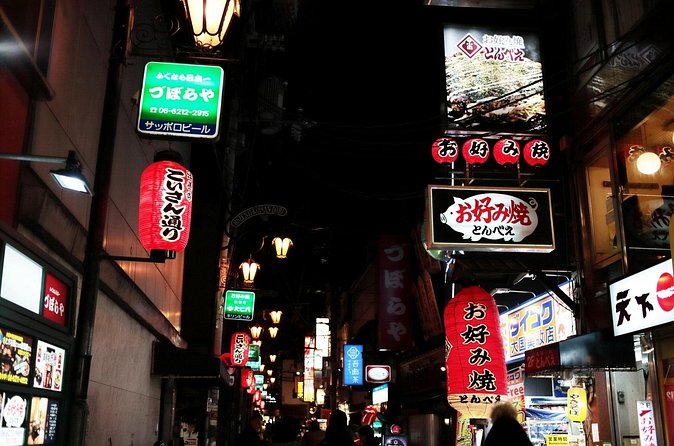
Then the tour turns toward America Mura (Amerikamura), Osaka’s center of youth culture. Expect street art, creative energy, and lots of vintage shops, with the area often compared to the city’s own Harajuku style.
What I like here is the balance. You’ll see the visual side, like wall art and alternative fashion cues, but you’ll also hear how the neighborhood developed its pop-culture identity. It’s a good contrast to the temple calm and the mainstream shopping arcades, so the tour doesn’t feel like the same type of street repeated.
If you love design and browsing
This is where you’ll likely slow down. Even if you’re not shopping, look for small storefront details, signage styles, and the way people hang out in front of places. That’s the real vibe, not just the inventory.
Dotonbori neon food signs and why Osaka is Japan’s kitchen
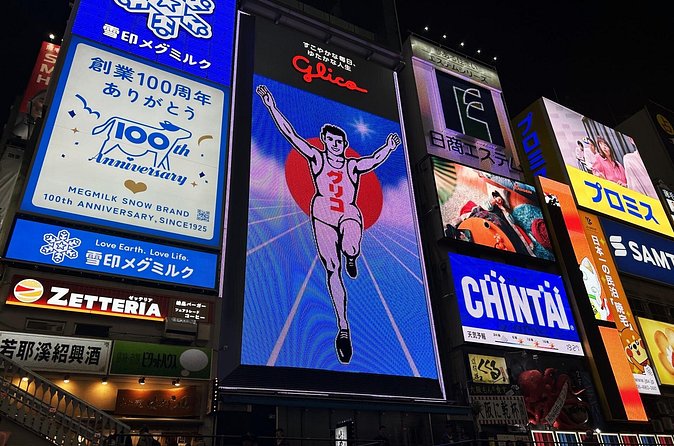
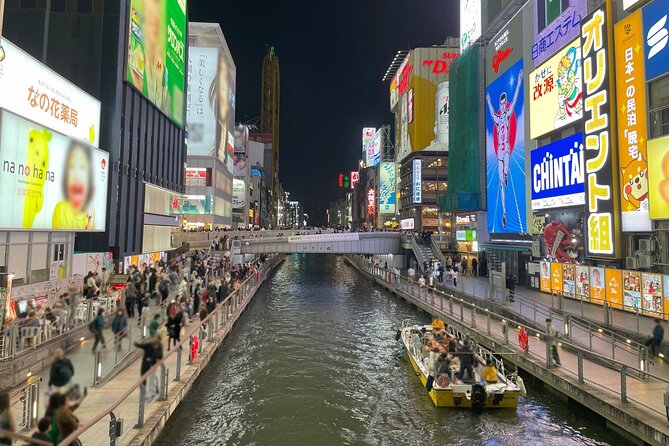
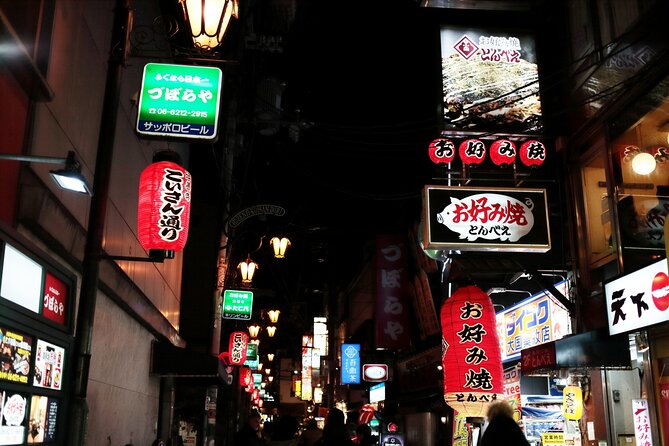
The tour ends in Dotonbori, the iconic neon zone with giant food signs and lively nighttime street life. The guide ties this area to the idea that Osaka is called Japan’s kitchen, and you start to see what that reputation means in practice.
In Dotonbori, the “why” is visible. Food is everywhere, from the scale of the signage to the way the streets feel designed for eating out, taking photos, and then heading straight back into the crowd. It’s lively without needing you to be a food expert, because the guide translates the culture behind what you’re seeing.
What to do with the last 30 minutes
Use this time to decide what kind of second stop you want after the tour. If you want something calmer, you can ask the guide for an option. If you want to keep riding the neon energy, you’ll already know which streets to follow and how to move through them without getting lost.
Price and logistics: is $25 good value?
At $25 per person for about 2 hours with a local guide and insider recommendations, this tour hits a sweet spot for budget and time. The value comes from three things working together:
- You get a guided story that connects neighborhoods instead of treating them as separate photo stops.
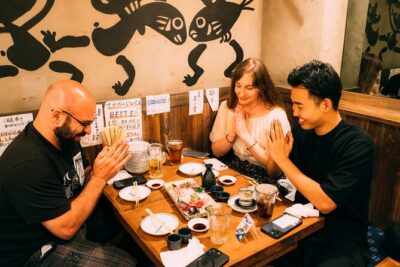
- You get insider food suggestions, which are often the difference between eating randomly and eating well.
- You move through a few key areas in one evening, which saves you the mental load of planning the route while you’re tired.
It also helps that the group size is capped at 15 travelers, so it’s not a mega-group experience. The reviews praise the guides for walking you down streets you might not find on your own, and for sharing history in a way that stays tied to what you can see.
When to book
This tour is often booked ahead, averaging about 22 days. If you’re traveling during a busy period, I’d secure your spot early so you’re not stuck hunting for another night walk that fits your schedule.
Guides, pacing, and what the best departures do well
The quality of this tour is very tied to the guide, and the names Jai, Noa, and Yo show up as examples of guides who lead these nights with confidence. Across these accounts, the pattern is consistent: they explain the area’s food and history as you walk, and they keep the pace comfortable.
One review note that stands out for me is the idea that the walk is easy paced. That matters because it makes the tour work for more people. You can enjoy the storytelling without turning the evening into a forced march.
If you are picky about food
One person shared that they usually don’t like trying new foods, but they still joined for the cultural side. That’s a smart strategy. You can treat the food stops as optional prompts, and rely on the guide’s explanations to decide what feels right for you.
What’s included, what’s not, and how to prepare
Included in the experience are the night walking tour, a local guide, and insider recommendations on local eateries. You’ll also have a mobile ticket, which makes it simple to show up.
What’s not included is listed as gratitude. Translation: the tour isn’t asking you to buy anything special as part of the ticket, but if you want to be kind to your guide after a good evening, you’ll know what to do.
Come prepared
Wear shoes you trust. This is a 2-hour walk at night through multiple neighborhoods. Bring a layer too, since evenings can feel cooler once you’re out of the busiest streets.
Should you book the Osaka Deep Night Street Walking Tour?
Book it if you want Osaka at street level, not in a rushed checklist way. This is the kind of tour that helps you understand why each neighborhood feels different, from Namba’s old downtown feel, to Hozenji’s luck ritual, to Shinsaibashi-suji’s shopping evolution, to Amerikamura’s youth identity, and finally Dotonbori’s food-sign spectacle.
Skip it if you hate walking at night or you want a tour built around a single major landmark. This experience is about moving and noticing, so it’s best when you’re up for a guided evening stroll.
If you’re looking for a solid, small-group way to connect the city’s food, culture, and street life in just two hours, I think this one is worth it.
FAQ
What time does the Osaka Deep Night Street Walking Tour start?
It starts at 7:00 pm.
Where does the tour meet and where does it end?
The meeting point is namBaHIPS, 1-chōme-8-16 Namba, Chuo Ward, Osaka, 542-0076, Japan, and the tour ends back at the meeting point.
How long is the tour?
The tour is about 2 hours.
How much does it cost?
The price is $25.00 per person.
What is included in the tour price?
It includes a night walking tour, a local guide, and insider recommendations on local eateries. A mobile ticket is used.
How many people are in a group?
The tour has a maximum of 15 travelers. Most travelers can participate.
More Tours in Namba
More Tour Reviews in Namba
After the Last Train
Latest out of Namba
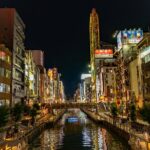

Osaka After-Dark Tours, side by side.
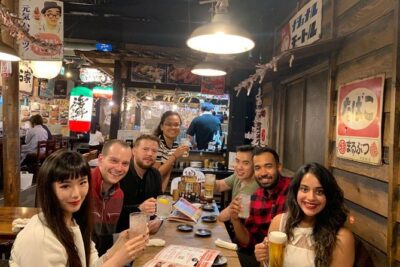 ★ 5.0Osaka Bar Hopping Night Walking Tour in Namba (3 bars, 6 tastes)From $98958 reviews
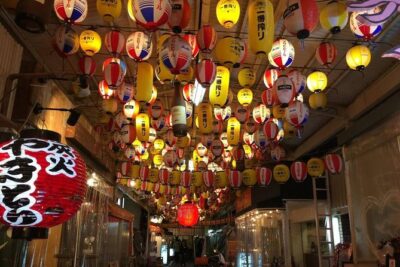 ★ 5.0Osaka Nighttime tourFrom $198270 reviews
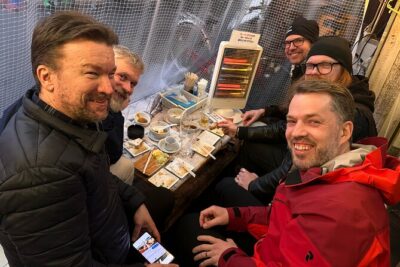 ★ 4.5Osaka After Dark: Small-Group Night Food Tour (Max 6)From $116245 reviews
 ★ 5.0Osaka: 2-Hour Nightlife District Walking & Local Food CultureFrom $31199 reviews
 ★ 4.8OSAKA NIGHT FUSION Japanese Taiko Kabuki Samurai Dance ShowFrom $40155 reviews
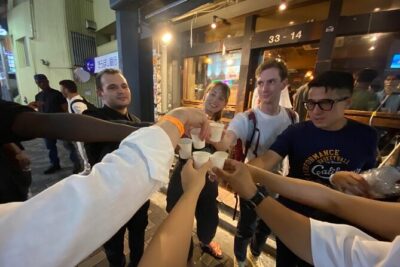 ★ 5.03Hour Osaka Pub Crawl Bar Hopping Nightlife Guided Tour in NambaFrom $46122 reviews
 ★ 4.7Osaka: Bar-Hopping Night Tour in NambaFrom $112117 reviews
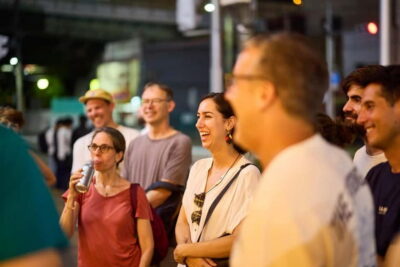 ★ 4.9Osaka: Dark Side of Osaka Night Walking TourFrom $2589 reviews
Also worth a look in