
REVIEW · DOTONBORI NEON & STREET FOOD WALKS
Osaka: Roll and Authentic Sushi Making Class in Dotonbori
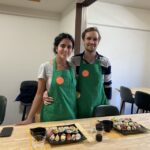
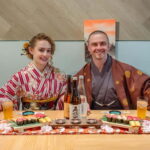
Sushi class in the middle of Dotonbori sounds fun. This 100-minute Osaka workshop turns sushi making into a hands-on food lesson, with an interactive sushi history quiz and English-speaking guidance, and I especially like the friendly instructors and the clean, organized setup. One possible drawback is that the session moves quickly, so you might want to plan on eating at a steady pace.
You start in a very practical spot, 5 minutes on foot from Shinsaibashi Station, and you get to make two kinds of sushi: roll sushi plus authentic nigiri-style Japanese sushi. For $45, the value is that you are not just watching, you are cooking and then eating what you make with ingredients handled for you.
Dietary options are a real plus, including vegan, vegetarian, gluten-free, and halal, but menu changes need to be handled ahead of time and there are limits on ingredient requests. If you want a slow, laid-back meal, this class may feel more like a fun workshop than a long dining experience.
Key things that make this Osaka sushi class work
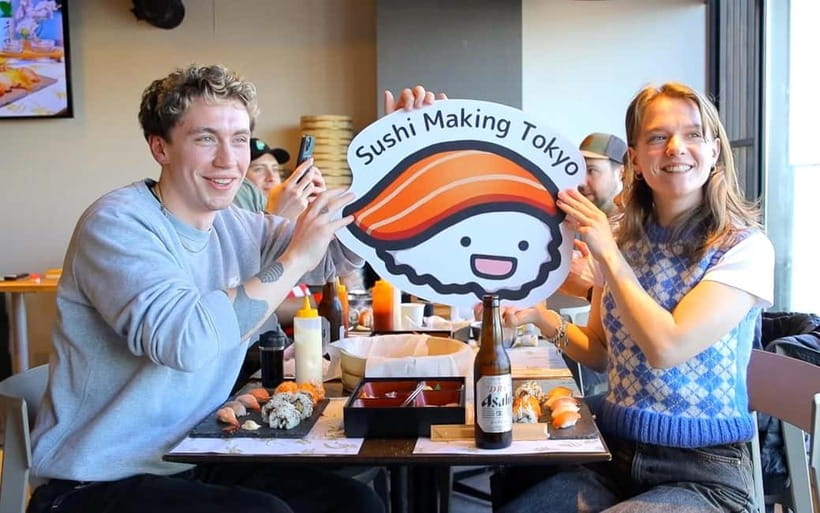
- A quiz that teaches sushi history without turning it into school
- English-speaking local hosts who keep the mood light and clear
- You make roll sushi and nigiri style sushi, then you eat it all
- Central meeting point near Shinsaibashi, easy to pair with Dotonbori plans
- Dietary options like vegan and halal, with rules you should read before booking
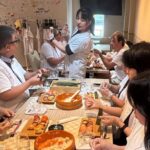
- Often small, hands-on group energy, with lots of guidance during shaping
Where to meet on the Shinsaibashi side (and what to look for)
The meeting point is on the 3rd floor of the Galleria Acca Building, about a 5-minute walk from Shinsaibashi Station. This matters because you are in central Osaka, and you do not want a last-minute scavenger hunt right before you start cooking.
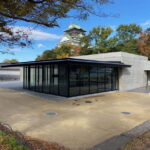
A practical detail worth knowing: the building entrance can feel a bit discreet, since it sits within a concrete structure. The good news is that once you are inside, everything is set up for the class experience, and you are not stuck coordinating tools or ingredients yourself.
If you are coming from Dotonbori, aim to arrive a little early, then take a quick look around the building area so you can start relaxed. This is the kind of class where a calm start helps you enjoy the shaping and tasting later.
More of the canal after dark
The 100-minute flow: quiz, techniques, and eating what you make
This is a 100-minute workshop, and it is built with a clear rhythm. First you get a sushi overview that is interactive, then you move into technique, and finally you eat your results.
The history component is not a dry lecture. You get an interactive, lighthearted quiz that covers sushi in a way that helps the names and methods stick in your head. It also gives you a reason to pay attention while you are actually working with rice, seasoning, and shaping.
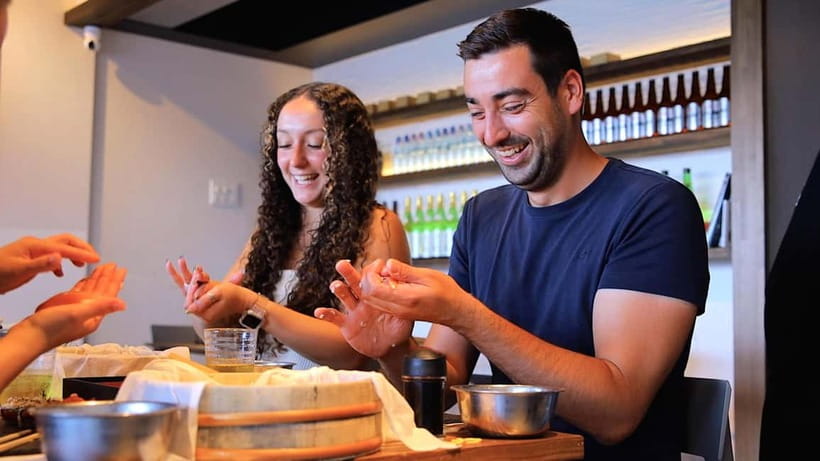
After that comes the hands-on part, where you make two types of sushi. The class is designed so no experience is needed, because the staff guides you step by step and handles the heavy prep for you.
The sushi history quiz is more than fun trivia
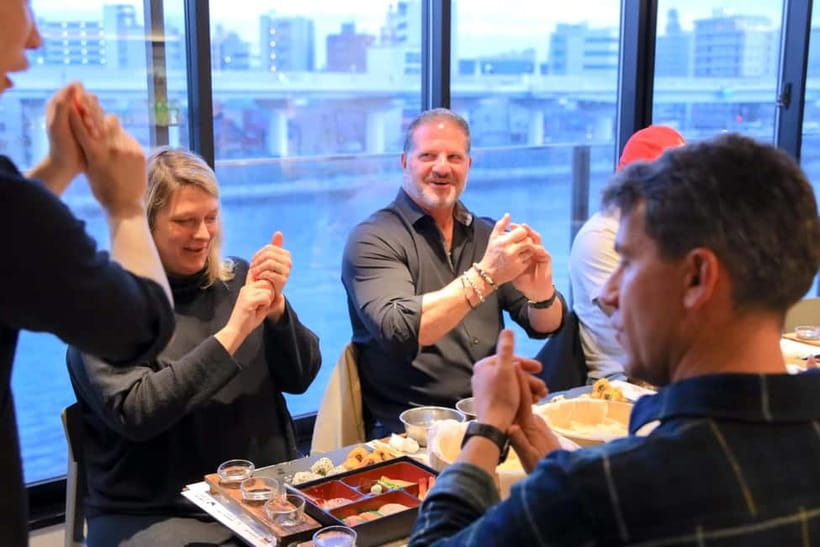
Sushi history can be a long topic, so this class uses a smarter approach. You get short questions and quick answers, which keeps the tone playful while you learn what you are actually making and why it matters.
This quiz format pays off later. When you switch from roll sushi to nigiri style sushi, you are not just following motions. You are paying attention to details because you understand the bigger picture: what people meant to get right, what is traditional, and what makes a method different.
One neat thing is the way the staff turns the room into a classroom without making it feel like one. People describe the hosts as engaging and upbeat, and that energy makes it easier to ask questions while your hands are already moving.
Roll sushi building blocks, from rice to shaping
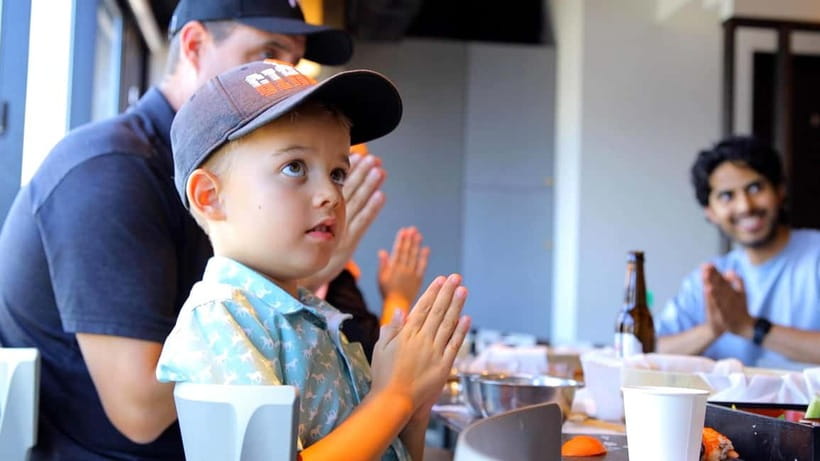
Roll sushi is where most people get their first confidence boost. You learn the process with guidance, so you are not guessing what to do with sticky rice, filling amounts, and pressure when you shape.
Expect the workshop to focus on technique, not speed. Even though the class runs about 100 minutes, the coaching is meant to keep you from feeling lost. You get enough ingredients so you can actually work through the steps, and you should have food at the end that you made yourself.
A helpful way to think about the roll portion is this: once you understand how the rice sits, how the filling lines up, and how firm the roll should be, everything else becomes easier. That is the real take-home value here, more than just the first bite.
Nigiri style shaping, where small details matter
The other sushi style in the class is authentic Japanese sushi, typically nigiri style. If you have ever worried that nigiri looks too delicate to learn, this workshop is built to reduce that fear.
You get guidance on the basics of building the component that sits on top of rice, then shaping it so it holds together. The staff uses English instructions and keeps the process friendly, so even if your hands are not used to rice yet, you can follow along.
What makes nigiri special in this setting is that you are learning a different skill set than rolling. Instead of arranging fillings inside a roll, you are balancing rice and topping into a clean shape.
People also describe the hosts using lots of positive momentum during the class, including lively calls like HoiHoiHoi. That kind of energy sounds silly until you are trying to remember which step is next. It turns the sequence into something you can feel rather than just hear.
More rice, more knife work
The part you will care about most: eating your own sushi
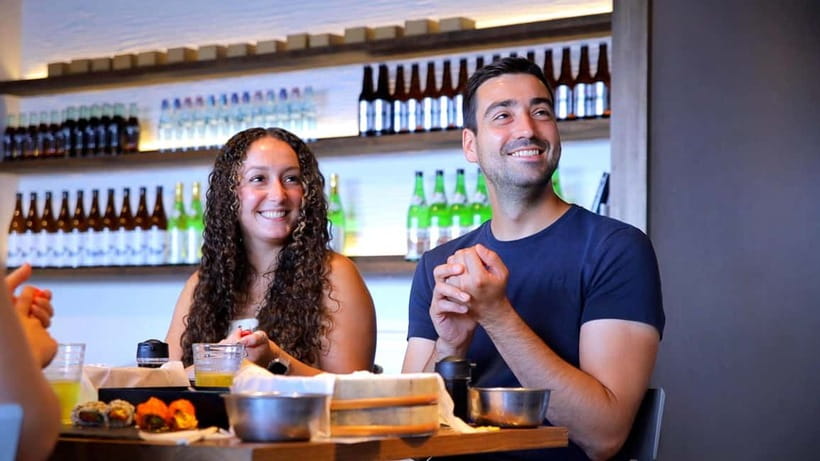
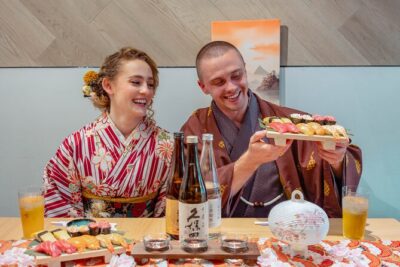
This class is designed so the last phase is not a rushed afterthought. You eat your sushi after making it, and the instructions aim to make sure you actually get to enjoy what you produced.
That is a big deal in Japan cooking classes. Many people come for the workshop, but the value only becomes real when you taste the results while the skills are fresh.
One thing to keep in mind: the class timeline can feel fast for people who want extra lingering time at the table. Some descriptions mention feeling a bit pressed to finish pieces, even though there may be additional minutes later. If you are the type who slows down to savor, do not plan on a long dinner style meal.
Still, the overall structure is strong. You leave with a full stomach and a clear sense of what you did right, so it becomes easier to repeat at home.
What you will actually make (and how many pieces to expect)
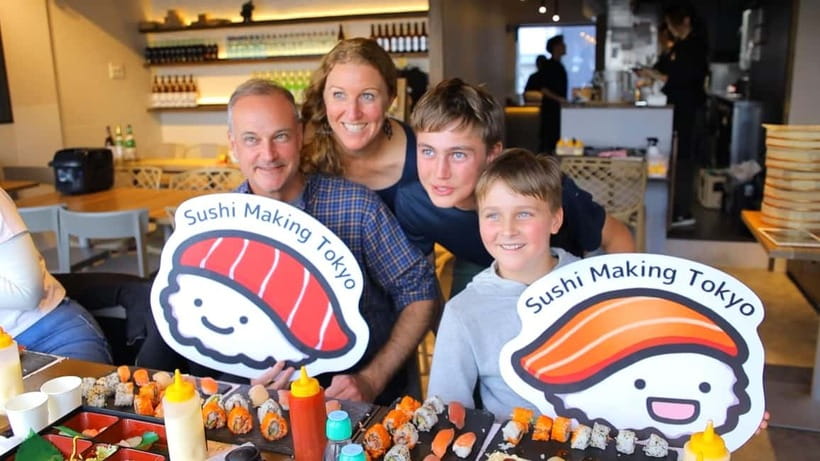
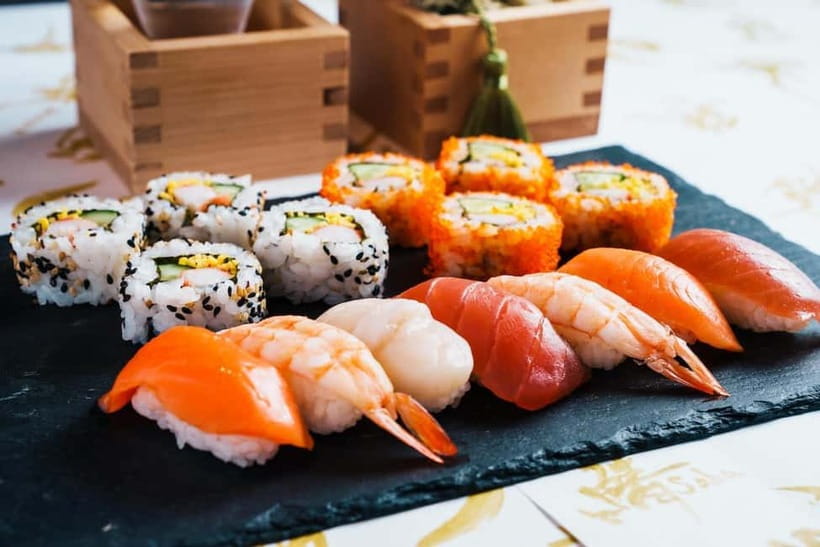
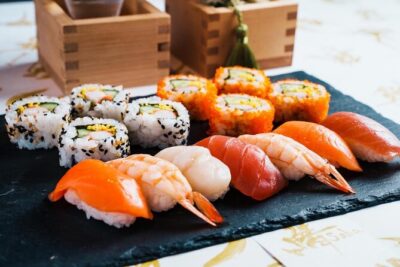
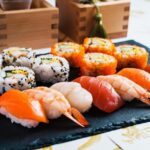
The program description highlights two sushi types, roll sushi and authentic Japanese sushi, and the typical practical result is maki plus nigiri style pieces. In some class formats, you may also see sashimi style pieces discussed in the flow and output counts, depending on how that session is structured.
Do not stress about exact counts too much. What matters is that the class is set up so you can participate meaningfully, not just do one tiny taste. Ingredients are provided, so you are not trying to track down seafood, vinegar, rice sheets, or toppings on your own.
If you are booking while juggling other Osaka plans, treat this as a full workshop meal, not a quick snack stop. It is a 100-minute block that ends with food, which fits perfectly into a day spent walking around Shinsaibashi and Dotonbori.
Price and value for $45 in central Osaka
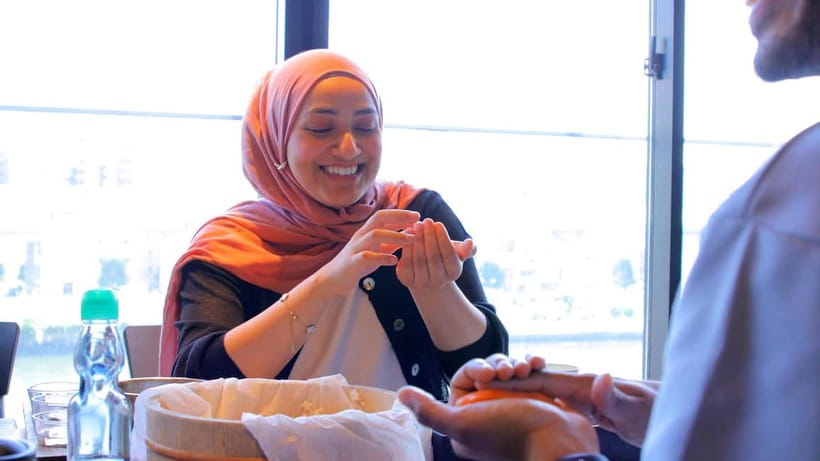
At $45 per person, this is not a budget street snack, but it is also not a luxury tasting event. The value comes from what you get for that price: the cooking class, ingredients, and an instructor included in the session.
In practical terms, you are paying for three things at once:
- Time with English-speaking coaching
- Ingredients handled for you so the class stays hands-on
- A meal that is tied directly to the skills you learn
That combination is why the class lands well for first-timers. You are basically buying the shortcut between watching sushi videos and actually shaping something yourself.
If you compare it to buying sushi alone, the advantage is the skill. You are not only eating, you are learning how to build. Even if you do not reproduce it perfectly on day one at home, the process becomes familiar.
English-speaking hosts, plus names you might recognize
The instructor team is English-speaking local staff, and the atmosphere is described as welcoming, friendly, and engaging. You will likely hear plenty of food and travel conversation, and the hosts often share useful Osaka recommendations along the way.
Several names show up across sessions, including Hinata and Rika, Shoki, Yui, Takara, Yuiyuvi (spelled as in the session write-ups), and Fuji. The important point for you is not which name is assigned to your date, but that the staff are comfortable running the class in English and supporting different skill levels.
Also, the class tends to be interactive, not just instructional. You are encouraged to follow the steps, ask questions, and keep moving so your sushi comes out looking right.
Dietary options: vegan, halal, and gluten-free, with clear limits
This class supports vegan, vegetarian, gluten-free, and halal options. That is a real advantage in Osaka, where food is everywhere but dietary needs can sometimes get complicated.
There are also allergy notes in the menu guidance: meat, nuts, fruits, and dairy are not used. Still, you should treat this as a set menu approach, not a custom kitchen where you pick any ingredient you want.
Menu changes require planning. If you need a different version of the class menu, you must contact in advance, with a deadline listed as 3 days before your reservation. Same-day changes are not handled, and ingredient specifications are not accepted.
For most people, that is perfectly fine. For anyone who has very specific ingredient needs, you should read the limits carefully before booking.
Who should book this sushi-making class in Osaka
I think this class fits best if you are one of these types:
- You want hands-on food fun in central Osaka without needing prior cooking experience
- You like learning in a light way, and you enjoy an interactive quiz format
- You want an Osaka activity that doubles as a meal instead of just sightseeing
- You are traveling with a mix of cooking comfort levels, because the guidance helps beginners
It also works well for solo travelers, because the format is built for talking with the instructors and moving through steps together. Couples tend to like it too, since you both build the same dishes and get something to show and remember afterward.
Should you book Sushi Making Osaka in Dotonbori?
Book it if you want a high-value, English-friendly workshop that ends with you eating what you made. The $45 price is easier to justify because ingredients and instruction are included, and you learn two sushi styles in one go.
Skip it if you want a slow, long dinner vibe or you feel uneasy about a schedule that is designed to finish pieces and move on. Also, if you have complex dietary needs beyond the listed categories and allergy notes, you should be extra careful and contact the operator early, because ingredient customization is not part of the deal.
If you are planning a day around Shinsaibashi and Dotonbori, this is a smart add-on because the meeting point is close by and the whole experience fits neatly into your food-focused Osaka plans.
FAQ
How long is the Osaka sushi making class?
The class lasts 100 minutes.
What is the price per person?
The price is $45 per person.
Where do I meet the class?
Meet at the 3rd floor, Galleria Acca Building, about 5 minutes walk from Shinsaibashi Station.
Is hotel pickup and drop-off included?
No. Hotel pickup and drop-off are not included.
Is the class taught in English, and is it wheelchair accessible?
Yes, the instructor is English-speaking. The activity is also listed as wheelchair accessible.
Can the menu work for vegan, gluten-free, or halal diets?
Yes. The menu can be adjusted for vegan, vegetarian, gluten-free, and halal. Menu changes need to be requested when you reserve, with a deadline of 3 days in advance, and same-day changes are not handled.
More Tour Reviews in Osaka


More Rice and Knife Work

The Canal After Dark, Continued
Latest out of Osaka


Dotonbori Neon & Street Food Walks, side by side.
 ★ 5.0Osaka Local Foodie Walking Tour in Dotonbori and ShinsekaiFrom $111985 reviews
 ★ 5.0Ultimate Osaka Walking Tour: Castle, Dotonbori & Hidden GemsFrom $73862 reviews
 ★ 5.0Tea Ceremony Experience in Osaka DoutonboriFrom $20754 reviews
 ★ 5.0Osaka: Ramen and Gyoza Cooking Class in DotonboriFrom $70378 reviews
Osaka: Dotonbori River Cruise with Glico Sign & Neon ViewsFrom $12376 reviews
★ 5.0Osaka: Ramen and Gyoza Cooking Class in DotonboriFrom $70378 reviews
Osaka: Dotonbori River Cruise with Glico Sign & Neon ViewsFrom $12376 reviews
 ★ 3.9Osaka: Dotonbori’s Bridges 20-Minute CruiseFrom $12303 reviews
 ★ 5.0Osaka Local Bar Crawl in Dotombori & Uranamba AreaFrom $26199 reviews
 ★ 4.9Osaka: Sushi Class in DotonboriFrom $67160 reviews
Also worth a look in