
REVIEW · KYOTO EXCURSIONS FROM OSAKA
Kyoto Highlights Eastern Western Northern and Southern Routes
Kyoto in one day can feel like a blur. This route is designed to move you through iconic sights without losing the calm moments that make Kyoto special. You start in Osaka, ride in comfort, and spend focused time at major temples, geisha-area streets, and Shinto and Zen landmarks.
I especially like the way the itinerary blends the famous with the quietly beautiful, from a minimalist rock garden to a gold-leaf temple that actually looks unreal. I also like that it is private and customizable, so your pace and priorities matter, not just a pre-set checklist.
One thing to plan around: you get short time windows at each stop (around 40 to 60 minutes), so if you love lingering or want lots of food breaks, you may feel a bit rushed.
Key takeaways you can use right away
- Private transportation plus parking covered makes the day feel low-stress, especially when you hop between far-flung neighborhoods
- Free admission tickets at every listed stop keeps the budget cleaner and lets you spend more on experiences like snacks or tea
- Four-direction route logic (east, west, north, south) means you see more Kyoto in one shot without backtracking chaos
- Zen stops are the real payoff: rock garden simplicity, gold-leaf reflection, and garden-temple calm
- Geisha district streets and torii gates are built for atmosphere, but you will want to dodge peak crowd times with a good start
How the East, West, North, and South Route Changes Your Day
The best part of this Kyoto highlight plan is the order. Instead of doing one neighborhood twice or burning time on complicated transit, the route is arranged so you can hit major landmarks across Kyoto without your day turning into a logistics test.
That matters more than it sounds. Kyoto’s sites are spread out, and a “just wing it” approach often turns into long rides and rushed entrances. Here, you get a structured flow, plus private transport, so you can spend your energy on what you actually came for: the atmosphere.
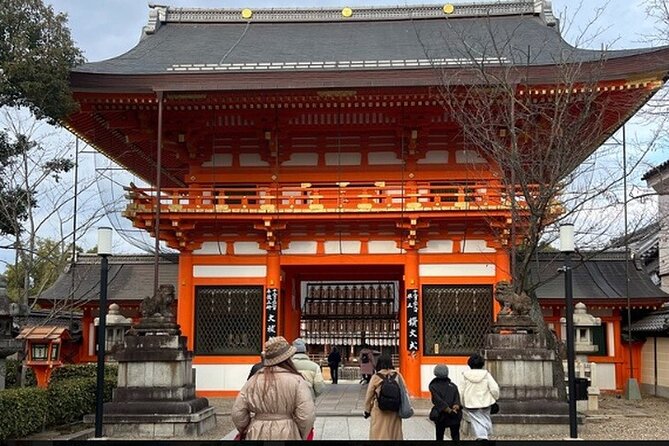
This also means you get different moods in the same day. You can go from wooden architecture viewpoints, to geisha-district streets, to Zen stillness, to the bright rhythm of torii gates. That variety is why this works for couples, and it is also why it can be great for solo travelers who want a welcoming day without feeling stuck alone.
Other one-day sweeps of the city
Private Pickup From Namba, Mobile Ticket, and Timing That Actually Works
Your day starts in Namba Station area (Namba, Chuo Ward). The tour includes pickup offered, and it runs on a private basis, meaning it is only your group. You also get a mobile ticket, which helps on a day when you are hopping between multiple sites.
Time-wise, think of it as an 8 to 14 hour half-day to full-day experience. The stops themselves are short but focused, mostly 40 to 60 minutes. That is enough time to see what you came for, take photos, and still have breathing room inside each setting.
A practical tip if you do not want to feel rushed: plan your clothing for stairs and uneven paths. Some Kyoto temples and shrine areas are not designed for dragging suitcases, and you will likely do plenty of walking even when the transit is handled for you.
Also, admission is listed as free for the stops on the schedule. That is a big value point because Kyoto can rack up fees fast when you start adding sights one by one on your own.
Stop 1: The UNESCO Panoramic Viewpoint and Wooden Stage
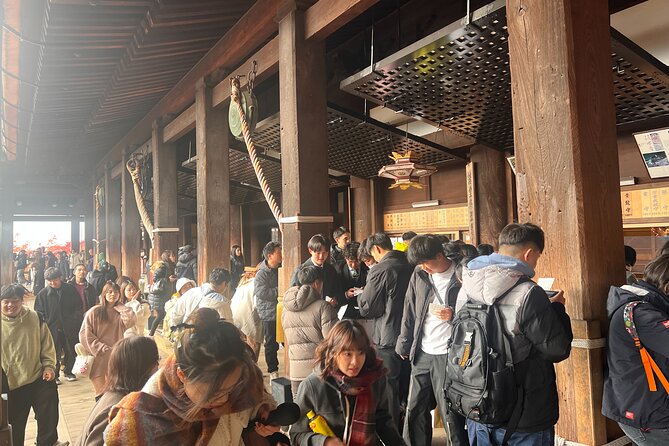
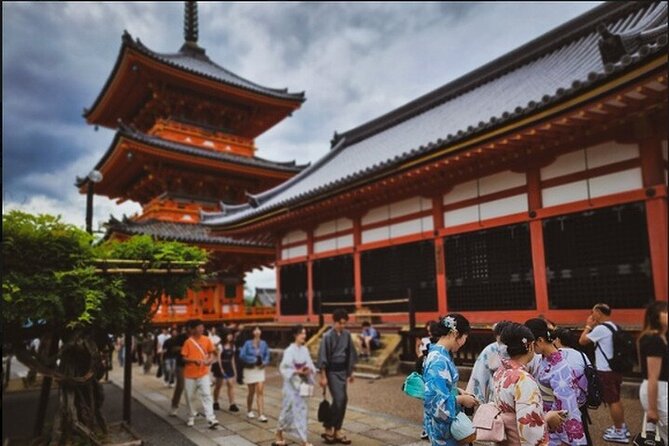
Your first stop is a UNESCO World Heritage site known for dramatic panoramic views and a historic wooden stage. Even if you are not a history nerd, this kind of viewpoint hits right away. You get the sense that Kyoto is built in layers, with hills and neighborhoods spreading out beyond the shrine and temple buildings.
What you will like here is the snapshot feeling. In a short visit, you can understand why this area matters and why people come specifically for the view angle and the architecture. The free admission also helps your confidence because there is no extra cost to slow down and look around.
Possible consideration: since you are arriving early in the route, you might face early crowds or low visibility if fog is around. Not a deal-breaker, just something to keep in mind if you are chasing perfect photos.
Stop 2: Geisha District Streets, Machiya Charm, and Tea-House Atmosphere
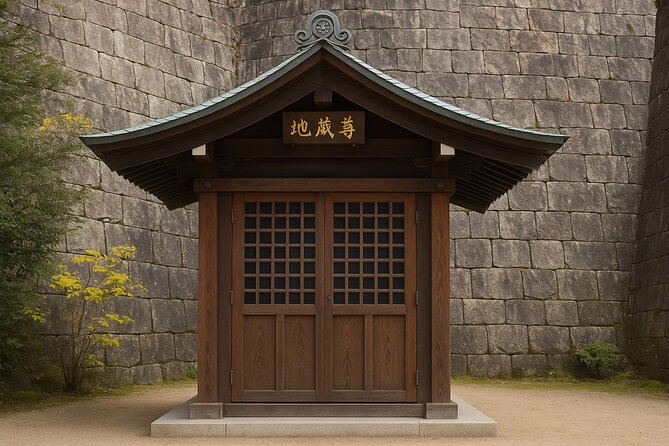
Next you head into a famous geisha district. This stop is built around atmosphere: historic machiya houses, traditional tea-house streets, and the kind of narrow lanes where Kyoto feels like it belongs in a movie.
You get about 45 minutes, which is enough time to do two things well: (1) walk slowly, and (2) notice details you would miss if you were rushing for the next photo spot. Kyoto’s charm is often in the small cues, the wooden facades, the way the streets bend, and how the neighborhood changes the sound level around you.
This is also a good place for solo travelers who want a day that still feels social. In the feedback tied to this type of experience, guides are described as warm and welcoming, and that matters most when you are standing in a busy place and want a calm plan for what to do next.
Possible drawback: geisha districts can get busy during peak hours. If you prefer quiet, you may want to stick close to your guide’s timing and avoid wandering too far just because a side street looks tempting.
Stop 3: Kyoto Gyoen Imperial Gardens for a Reset Moment

Stop 3 is Kyōtogyoen, once connected to Japan’s imperial family. You get gardens and traditional architecture, and the energy shifts here from street-level buzz to a more open, airy calm.
This is a smart mid-route choice. After you have walked geisha-district lanes, the garden break helps you breathe. It also gives you contrast for photos: lighter, wider views instead of dense alleys.
You have around 45 minutes, so it is not a long garden stroll marathon. Still, it is enough time to see the layout and slow down without feeling like you are falling behind.
One thing you might consider: garden visits are easier to enjoy when you dress for shade and weather. If it is sunny, plan for hydration. If it is rainy, bring a small umbrella or rain layer since you will be outside for portions of the time.
Other Kyoto days, compared


Stop 4: Ryoan-ji’s Rock Garden Zen, Minimalism That Makes You Look Twice
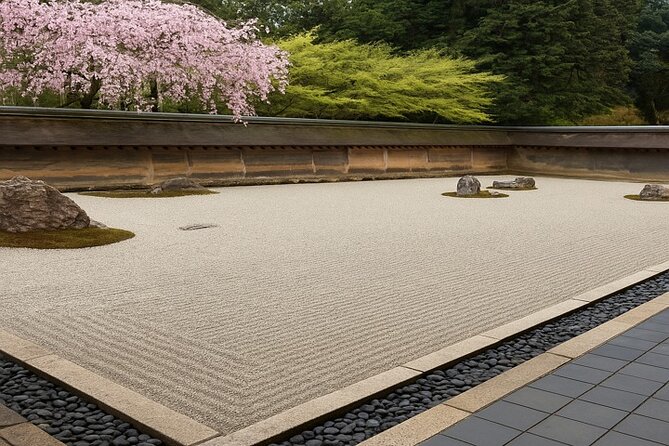
Now the route turns Zen. Stop 4 references a UNESCO Zen temple famous for its minimalist rock garden and a strong focus on simplicity. This is the type of place where your brain starts noticing patterns.
The rock garden style invites you to look, step back, and look again. In a normal self-guided visit, people often rush past because it looks simple from one angle. With a guide, you get help understanding what to focus on, which is where this stop earns its time.
You get about 45 minutes. That is a workable window because it usually takes a little time to find the view points and settle into the quiet.
Possible consideration: if you expect a loud, action-packed stop, this will feel slower. But if you want that Kyoto feeling of stillness and reflection, this is one of the most satisfying parts of the route.
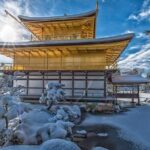
Stop 5: The Gold Leaf Temple and Its Pond Reflection Effect
Stop 5 is another UNESCO-listed Zen temple, this one covered in gold leaf, with reflection in the surrounding pond. This is the stop people remember because it looks special even from ordinary viewpoints.
There is a practical reason to include a gold-leaf temple in the middle of your route: it resets your visual attention after the minimalism. Your eyes go from quiet rocks to bright surfaces, and the contrast helps the day feel varied instead of repetitive.
You get about 45 minutes. That is enough to enjoy the architecture and take a few photos without feeling like you are stuck in one exact angle.
Possible drawback: the reflective look can depend on light and weather. If you catch it in flat light, it still looks impressive, but it may feel less dramatic than on a clear day.
Stop 6: A Zen Temple Collection, Gardens, and Tea Culture
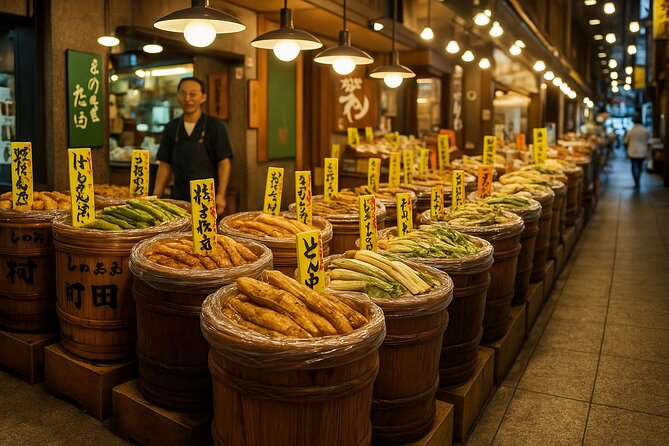
Stop 6 is a serene collection of Zen temples, noted for beautiful gardens, tea culture, and traditional architecture. Even though you might only spend about 40 minutes, this stop fits the emotional rhythm of the day.
If you care about Japanese tea culture, this is one of the places you will likely appreciate most. The tour description also mentions an authentic tea ceremony as part of the overall experience. Even if you do not know exactly how it will be woven into your schedule, the broader focus on tea culture and Zen etiquette tells you this is not just sightseeing.
Possible consideration: tea-related moments can be sensitive to timing and crowds. So if you have a strict schedule after your tour ends, keep some buffer. Kyoto is not a city that likes to be rushed.
Stop 7: The Torii Gates on a Sacred Mountainside
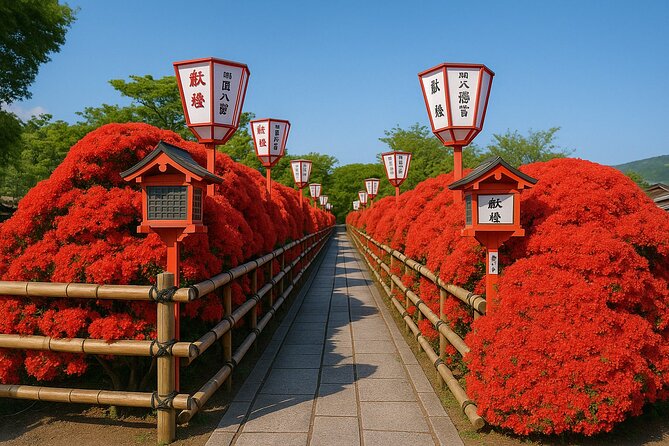
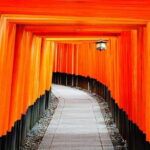
Stop 7 is the famous Shinto shrine area known for thousands of red torii gates winding through a sacred mountainside. This is one of the most instantly recognizable Kyoto scenes. It is also one of the best photo experiences because the repetition of gates creates depth, even when you stand in one place.
You get about 1 hour, which is a good balance. It is enough time to walk a meaningful stretch and still come back before you feel exhausted. It is also a good window for people who want atmosphere but do not want to commit to a full hike.
Possible drawback: red torii gates attract crowds. Plan your pace early and avoid stopping in the middle of foot traffic. Let your guide help with where to pause and where to keep moving.
Stop 8: Honmachi, Tsutenkyo Bridge, and Seasonal Color Drama
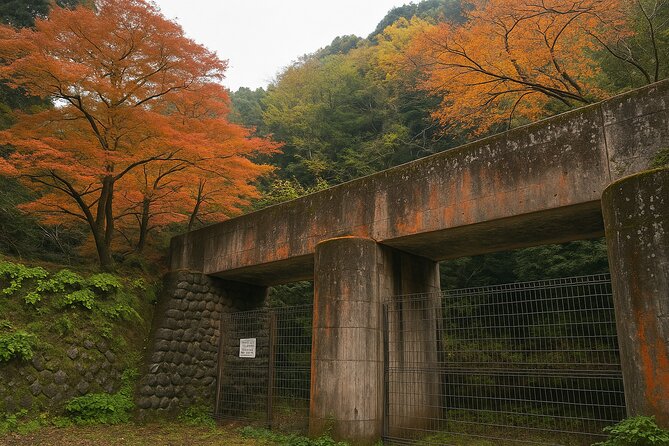
Your final stop is Honmachi, a Zen temple known for its gardens and the iconic Tsutenkyo Bridge. This is especially valued for seasonal colors, with autumn called out as a standout time.
Even without autumn, this kind of bridge-and-garden setting gives you that Kyoto finishing touch. It feels calmer than the torii area and more reflective than the geisha streets.
You get about 45 minutes, so you can enjoy the views, take photos from a couple of angles, and end the day without feeling like you are sprinting.
Possible consideration: the best color impact depends on season and daylight. Since your tour has fixed time windows, you may not catch the peak moment, but you still get the setting.
Price and Value: What $325.76 Per Group Really Buys You
The price is listed as $325.76 per group, up to 2 people. That means you are paying for a private day plan, not just entrances to sights.
Here is where value shows up in practical terms:
- Private transportation removes the hardest part of Kyoto logistics.
- Fuel surcharge and parking fees are included, so you are not doing math mid-day.
- Admission tickets are free for the scheduled stops, which helps keep the total cost predictable.
- You get a route that covers multiple regions of Kyoto in one day, reducing backtracking.
You do need to budget separately for lunch, since lunch is not included. That is normal, but it matters because you may be tempted to grab snacks whenever you find something. If you want a calmer meal, pick a simple plan for where you will eat during your most flexible break.
Also note the tour is described as private and customizable. If you are the type who wants to spend more time on temples, less on shopping streets, or you want a specific photo stop adjusted, this format is often more satisfying than a strict bus schedule.
Who This Tour Fits Best (And Who Might Want a Different Plan)
This tour is a great fit if you want a structured Kyoto highlights day without feeling like you need to master transit schedules first. Couples who want a romantic, slow-feeling evening tend to like this format because it mixes peaceful temple moments with atmospheric streets.
It also seems well suited to solo travelers. One of the most praised aspects in the experience feedback is that guides create a friendly, welcoming environment that feels relaxed, with conversation that does not feel forced. That is a big deal when you travel alone in a place where language barriers can make normal day trips feel awkward.
You might want a different plan if you:
- prefer long time at each sight and do not like moving every 40 to 60 minutes
- want lots of shopping stops or a dedicated food crawl built into the itinerary
- dislike walking on uneven temple grounds
Quick Practical Tips Before You Go
- Wear shoes you can walk in for several hours, since Kyoto temples and shrine approaches can mean stairs and uneven stone.
- Bring a small water bottle. Lunch is not included.
- If you care about photos, know that gold-leaf reflections and torii colors depend on light and weather.
- If your schedule is tight after the tour, leave buffer time, since the day is long and the route is packed.
Should You Book This Kyoto Highlights Route?
If you want Kyoto highlights across east, west, north, and south with private transport and free admissions, this is a strong pick. The itinerary makes sense for a one-time visitor, and the Zen stops are the kind that give you Kyoto’s quiet soul, not just postcard scenes.
I would book it if you like calm temple time but also want the famous Kyoto visuals, geisha district streets, and the red torii gates. I would hesitate only if you hate pace changes and want a slower, deeper day at one or two sites.
One last reality check: the experience requires good weather. If weather turns, it may be rescheduled or refunded, so keep an eye on forecasts if you have flexible dates.
FAQ
How long is the Kyoto tour?
It runs for about 8 to 14 hours, depending on timing and conditions.
Where does the tour start and end?
The tour starts at Namba Station area in Osaka and ends back at the same meeting point.
Is this tour private?
Yes. It is private, meaning only your group participates.
What’s included in the price?
It includes private transportation, fuel surcharge, and parking fees.
Are the attraction admissions included?
Yes. The listed stops show admission ticket free for each location. Lunch is not included.
What happens if the weather is bad or I need to cancel?
The experience requires good weather. If it is canceled due to poor weather, you will be offered a different date or a full refund. The experience is non-refundable and cannot be changed for any reason. It also requires a minimum number of travelers, and if that minimum is not met you will be offered a different experience/date or a full refund.
More Tour Reviews in Namba


The Kyoto Shortlist: Other Days East

The Whole City in a Day

Latest out of Namba

Kyoto Excursions from Osaka, side by side.
 ★ 4.7Osaka/Kyoto: Hiroshima Miyajima Bus Tour & Shinkansen TicketFrom $277919 reviews
 ★ 4.5From Kyoto/Osaka: Kyoto Top Highlights 1-Day Guided Bus TourFrom $51714 reviews
 ★ 4.5Ancient Capital Tour: Kyoto and Nara Highlights from Kyoto/OsakaFrom $90332 reviews
 ★ 4.6Osaka/Kyoto: Amanohashidate & Miyama Tour with Boat & LunchFrom $71207 reviews
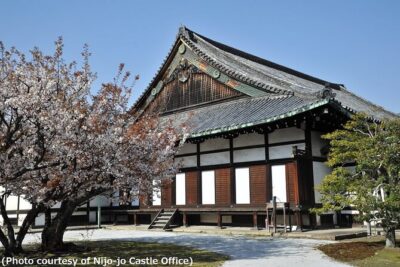 ★ 4.0Kyoto and Nara Day Trip from OsakaFrom $198175 reviews
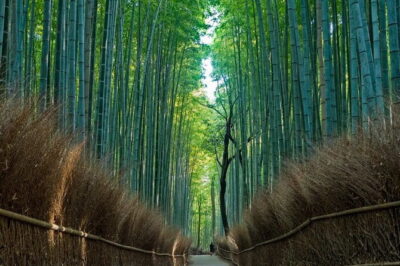 ★ 3.5From Osaka or Kyoto: Kyoto and Nara 1-Day Bus TourFrom $64141 reviews
 ★ 4.8Volleyball in Osaka, Kobe & Kyoto with locals!From $6131 reviews
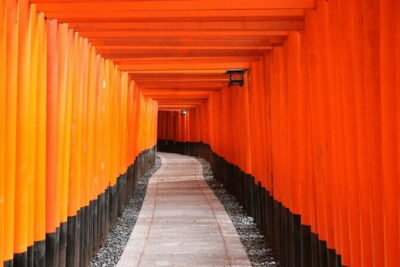 ★ 5.0Full Day Tour of Kyoto with Private TransportationFrom $247130 reviews
Also worth a look in