
REVIEW · NAMBA, SHINSAIBASHI & AMERIKAMURA WALKS
Osaka: Namba Local Food Walking Tour (Taste 15 Dishes)
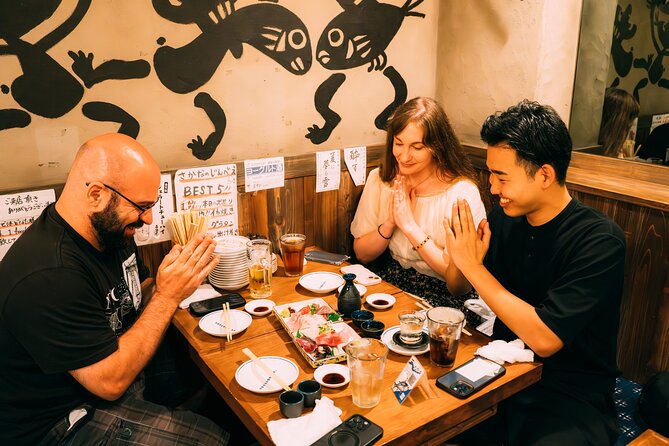
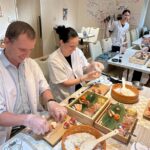
Osaka’s best bites start off-street. This Namba walking tour routes you away from the usual Dotonbori drag, into neighborhoods where locals actually eat, with guide Jay and a big taste menu of 15 dishes. You’ll sample classics like crispy kushikatsu, juicy gyoza, and fresh sashimi while picking up how the city thinks and eats day to day.
I like two things most. First, you get a full dinner meal plus 3 drinks, so you are not doing math mid-walk. Second, Jay’s storytelling mixes food with culture and history, and his English comes through clearly enough that you can ask questions and follow the thread.
One heads-up: this tour starts at 6:30 pm and is still a walking experience for about 3 hours. If you hate late-night walking or fried-food heavy nights, go slower and pace yourself.
Key highlights at a glance
- 15-dish tasting plan across three local restaurants that adds variety fast
- Small group size (max 15), so you can actually hear and chat
- Guide Jay’s clear English plus culture and history explanations
- Namba and Nanbanaka focus, away from the most tourist-heavy streets
- Full dinner setup with 3 drinks included, so you leave satisfied
Why this Namba food tour beats Dotonbori-style sightseeing
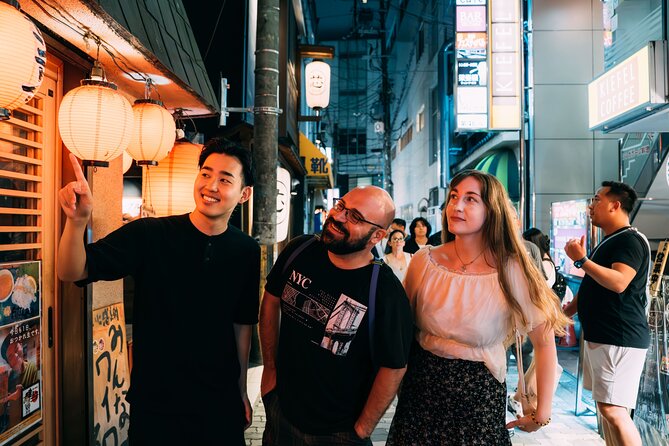
If you have ever wandered Osaka’s big-name areas and felt like you were hunting menus instead of flavor, this tour is the fix. The whole point is getting you into local dining pockets around Namba, then out to Nanbanaka, where the energy feels more like daily life than show business.
This kind of route matters more than you think. In tourist zones, restaurants can be designed for quick service and crowds. In local zones, you tend to see the real rhythm, the way people order, the way seating works, and how a neighborhood treats food as part of the evening.
The tour also avoids the trap of being only about eating. You are not just following a checklist. You are walking and learning why certain dishes fit Osaka, what people like about them, and how daily habits show up on the table.
Keep walking: the rest of Namba and Shinsaibashi
What $74 gets you: 15 dishes, drinks, and a guide who tells you what you are eating
The price is $74 per person for roughly 3 hours. On paper that can sound like a “food splurge,” but here is why it often feels fair: you are buying a package of meals, drinks, and guidance in one go.
You get:
- a full meal for dinner
- 3 drinks
- a walking tour connecting three dining stops
Then there is the “15 dishes” part. Small tastings across multiple places usually cost less than ordering a full plate of multiple specialties on your own, especially once drinks and guidance are in the mix. Add in that you are not just eating, you are learning what each dish is, and you can turn your next Osaka meal into smart ordering.
Also, the tour is set up to keep you moving. If you only eat one or two dishes on your own, you miss the bigger picture of Osaka food culture. This plan is built to fix that.
Meeting at Doutor and the 6:30 pm dinner pace
You meet at Doutor 1-chōme-8-2, Namba, Chuo Ward, Osaka at 6:30 pm. It ends back at the meeting point, so you are not left playing map roulette when your stomach is full and your feet are tired.
This is a dinner-time walk, not an early afternoon snack stroll. That is good news if you want to hit Osaka at its most food-focused time of day. It also means you should plan to arrive hungry, because the tour is designed as a “come hungry, leave full” night.
Group size is capped at 15 travelers, which is a big quality signal for a food walk. You are less likely to feel like a human conga line. You also get more back-and-forth with Jay if you want to ask questions.
If you are using the mobile ticket, keep it handy on your phone. The start point is specific, and a quick check before you walk in will save stress.
Stop 1 and Stop 2 in Namba: how two local meals teach you Osaka fast
You hit Namba at two separate points. Each stop is about 1 hour, so you get enough time to taste, learn, and ask questions without feeling rushed.
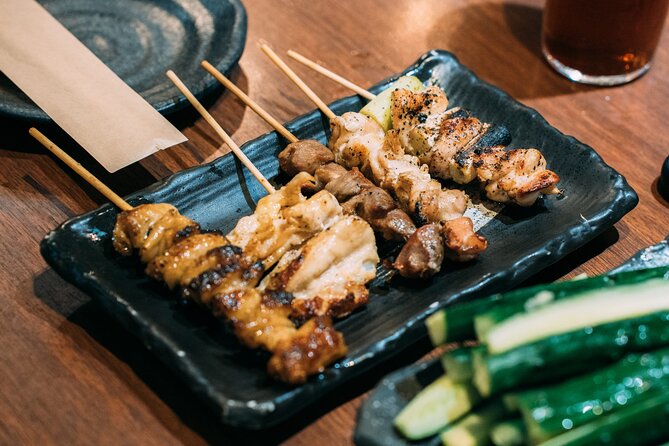
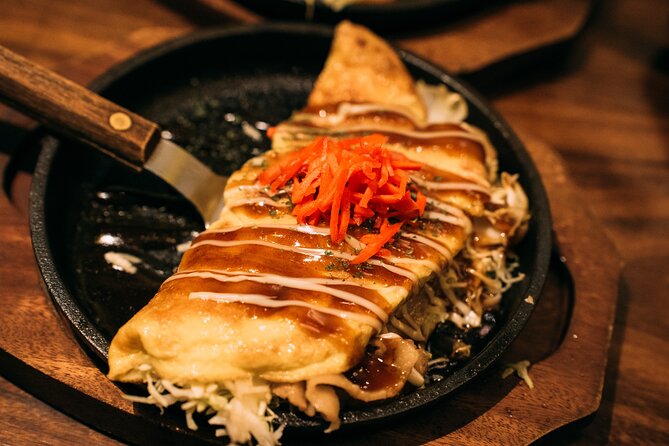
Why two Namba stops help: Osaka food styles can change street to street. Even if dishes sound similar on a menu, the “how” matters, like batter texture for fried skewers, how dumplings are served, or how sashimi freshness shows up when the shop is set up for evening diners.
These are also the stops where classics show up. Expect Osaka-friendly favorites such as:
- crispy kushikatsu (deep-fried skewers)
- juicy gyoza (dumplings)
- other small plates that fit a tasting format
A practical note: fried foods are delicious, but they can be heavy. The tour’s advantage is pacing across multiple places, not stuffing you with one mega plate. Still, I would go slow the first stop so you do not feel stuffed before the mid-tour flavors arrive.
Potential drawback to consider: small local restaurants can feel tight, especially when a group is inside. That is normal for Japan dining spaces. Wear something comfortable and be ready to stand close.
Stop 3 in Nanbanaka: finishing strong with a different side of Osaka
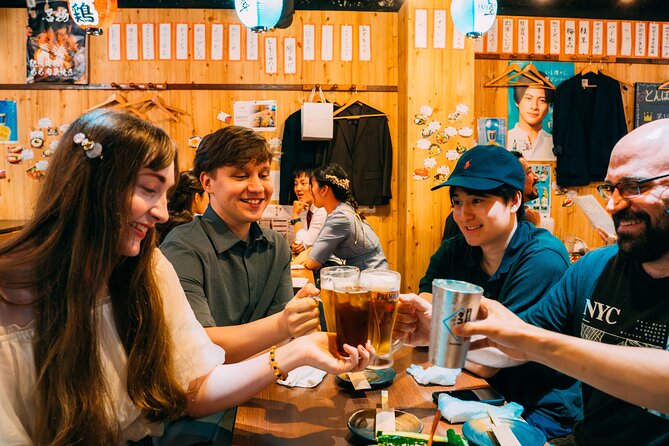
The third stop moves to Nanbanaka for another 1 hour. This is where the tour feels like it stops being a simple “eat a bit at three spots” plan and starts feeling like a true neighborhood-to-neighborhood experience.
Nanbanaka is often a sign that the tour is aiming for local dining patterns, not just the easiest walking routes. By the time you reach this part of the tour, you have already learned how Jay explains food, so your taste buds are primed and you can catch details you might otherwise miss.
Fresh elements are part of the tour examples, including sashimi. Even if you do not know what to look for, Jay’s explanations can help you understand what makes sashimi worth paying attention to, like texture and freshness cues.
The main “watch out” is timing. If you go too hard on the first two stops, the third can feel like a victory lap you have to force yourself through. Use the first hour to learn, not just to inhale.
Namba at walking pace, a few more
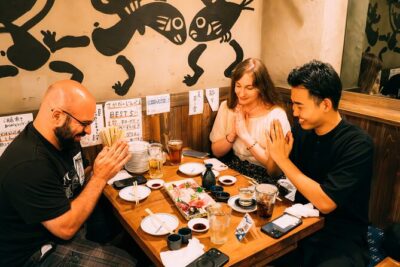
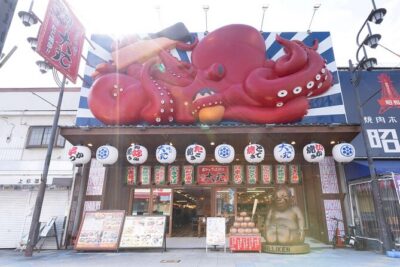
Jay’s English plus culture talk: why the guide experience is the secret sauce
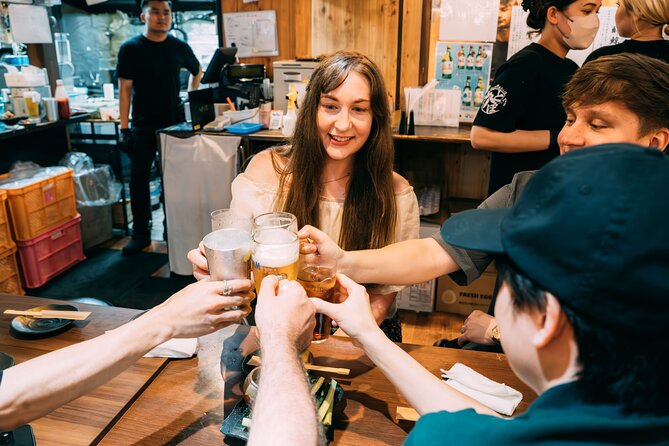
The top praise is consistent: Jay is friendly, speaks perfect English, and does real work on the culture and history side. That combo is what makes this tour more than a food dump.
Here is what you will likely feel during the walk:
- You are not guessing what you are eating.
- You get context that makes the dish choice make sense.
- Jay answers questions without turning the night into a lecture.
One review theme that really matters for your enjoyment is that the tour is informal and funny. You are walking with a guide, not sitting in a classroom. When the explanations are clear and the vibe is relaxed, you remember more and your taste test becomes a story, not just a list of bites.
Also, the ability to ask questions is huge. If you only have basic Japanese skills, a guided meal can feel like a cheat code. You can talk your way through ordering and customs because Jay handles the translation and cultural meaning.
Food tasting tips so you enjoy all 15 dishes
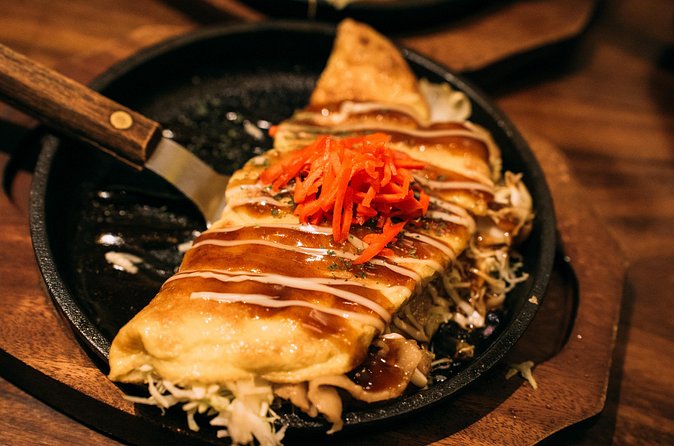
This tour is built around a high count of tastings, so your best strategy is simple: stay flexible and pace early.
Here are the tips that keep the night fun:
- Arrive with an empty stomach in the afternoon. The tour itself is meant to be dinner.
- Start with smaller bites first, then adjust. If you are craving speed, you can still go faster later.
- If you drink, spread it out. You already have 3 drinks included, but drinking too quickly can make food feel heavier.
- Wear comfortable shoes. You are walking for about 3 hours, and local streets are not designed for sightseeing sneakers with bad soles.
- If you have food restrictions, plan to communicate them when you book. The tour includes a set meal plan, so you will want clarity ahead of time.
One more thing: deep-fried items like kushikatsu are a signature. They can be addictive, which is great for taste, but it means your “full signal” might arrive earlier than you expect. Let the third stop be enjoyable, not a battle.
Group size, comfort, and the logistics that actually matter
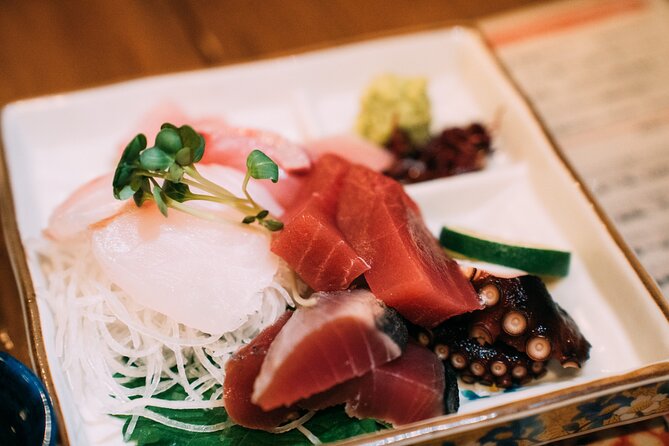
With a maximum of 15 travelers, the experience usually stays manageable. That matters because a food walk lives or dies on flow. Too many people and you wait, too few and the timing can get awkward. This size tends to keep things moving.
The tour runs on a tight schedule. It starts at 6:30 pm and moves from stop to stop, with about 1 hour at each. That structure keeps the group from wandering and helps you get consistent quality at each meal.
The meeting point is at Doutor in Namba, and the tour ends back there. That is a relief at the end of the night when you are ready for a shortcut home.
Mobile ticket is included. Make sure your phone battery is not on its last bar. You want your ticket ready before anyone lines up near the start.
Who this tour suits best, and who should think twice
This tour is a strong fit if you:
- want Osaka food that goes beyond the obvious tourist circuit
- like walking tours and you are comfortable on your feet for about 3 hours
- care about culture context, not just eating
- want a guide who speaks clear English and can answer questions
It may not be ideal if:
- you do not like fried foods or you get overwhelmed by lots of tastings
- you prefer casual self-guided exploration with full menu choices
- you cannot do evening walking at 6:30 pm
The best part is the balance: it is food-focused, but the guide explanations make you understand why those dishes are part of Osaka’s identity.
Should you book this Osaka Namba Local Food Walking Tour?
I think it is worth booking if your goal is smart local eating. The tour has a clear structure, includes a meal plus 3 drinks, and delivers 15 dishes through three neighborhood stops that keep the night interesting.
The big deciding factor for me is the guide. When you have someone like Jay, with strong English and history-and-culture context, the tour becomes a learning night and a taste night at the same time. If you want Osaka food with less guesswork, this is the kind of plan that makes the city feel smaller and kinder.
Book it when you can do the 6:30 pm start, and bring comfortable shoes. If that sounds like you, this is a fun way to eat Osaka the local way without spending your evening stuck reading menus.
FAQ
How much does the Osaka Namba Local Food Walking Tour cost?
It costs $74.00 per person.
How long is the tour?
The tour lasts about 3 hours.
What time does the tour start?
It starts at 6:30 pm.
Where do I meet for the tour?
You meet at Doutor 1-chōme-8-2, Namba, Chuo Ward, Osaka, 542-0076, Japan.
How many dishes are included?
The tour is a Taste 15 Dishes experience.
What is included in the price?
The price includes a full meal for dinner, 3 drinks, and a walking tour.
Is there a limit on group size?
Yes, the tour has a maximum of 15 travelers.
Can I cancel for a full refund?
Yes. You can cancel up to 24 hours in advance for a full refund.
More Tours in Namba
More Tour Reviews in Namba
Still in Namba? Keep Going
Latest out of Namba
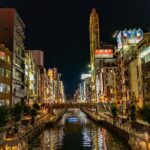

Namba, Shinsaibashi & Amerikamura Walks, side by side.
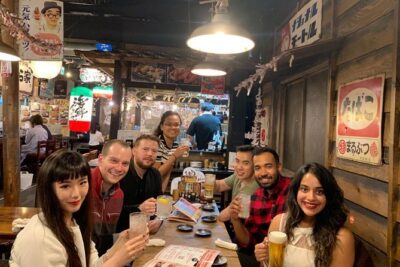 ★ 5.0Osaka Bar Hopping Night Walking Tour in Namba (3 bars, 6 tastes)From $98958 reviews
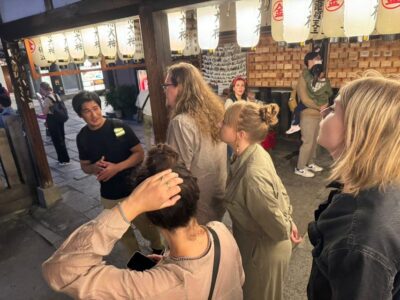 ★ 4.9Osaka: Namba Pub Bar Crawl with a Local GuideFrom $30424 reviews
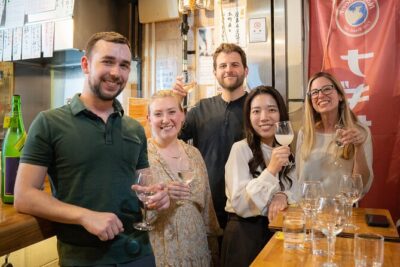 ★ 5.0Osaka Local Bar Crawl in Dotombori & Uranamba AreaFrom $26199 reviews
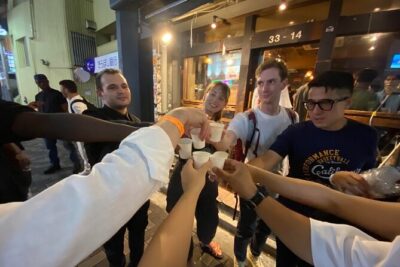 ★ 5.03Hour Osaka Pub Crawl Bar Hopping Nightlife Guided Tour in NambaFrom $46122 reviews
 ★ 4.7Osaka: Bar-Hopping Night Tour in NambaFrom $112117 reviews
 ★ 4.6Osaka: 2-Hour Local Street Food Tour – Dotonbori & NambaFrom $5195 reviews
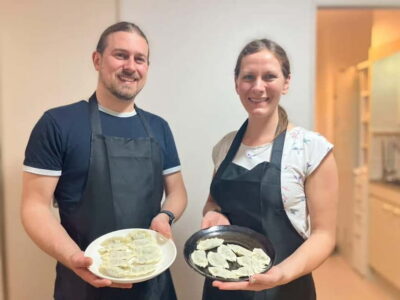 ★ 4.9Osaka: Cooking Class Ramen & Gyoza Course in NanbaFrom $7086 reviews
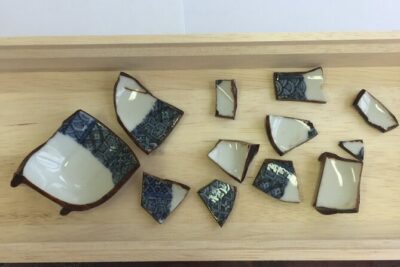 ★ 5.01.5〜2 Hours Traditional Kintsugi Work Shop in Namba OsakaFrom $12575 reviews
Also worth a look in