
REVIEW · DOTONBORI NEON & STREET FOOD WALKS
Osaka: 2-Hour Local Street Food Tour – Dotonbori & Namba
Street food and a temple stop, in two hours. I love the Glico Man photo moment and the switch to quiet time at Hozenji Temple. One catch, food and drinks cost extra.
This is a smart way to see two Osaka neighborhoods without getting stuck in the usual tourist chaos. It works whether you’re here for the first time or you already know your way around. The route is short, the bites are varied, and your guide helps you make choices fast.
Key Points You’ll Care About
- Meet at Starbucks TSUTAYA EBISUBASHI outside the building, with a DeepExperience guide holding a yellow sign
- Start with a Glico Man photo stop in Dotonbori, then move straight into street food mode
- Hozenji Temple gives you a calm pause in the middle of a commercial district
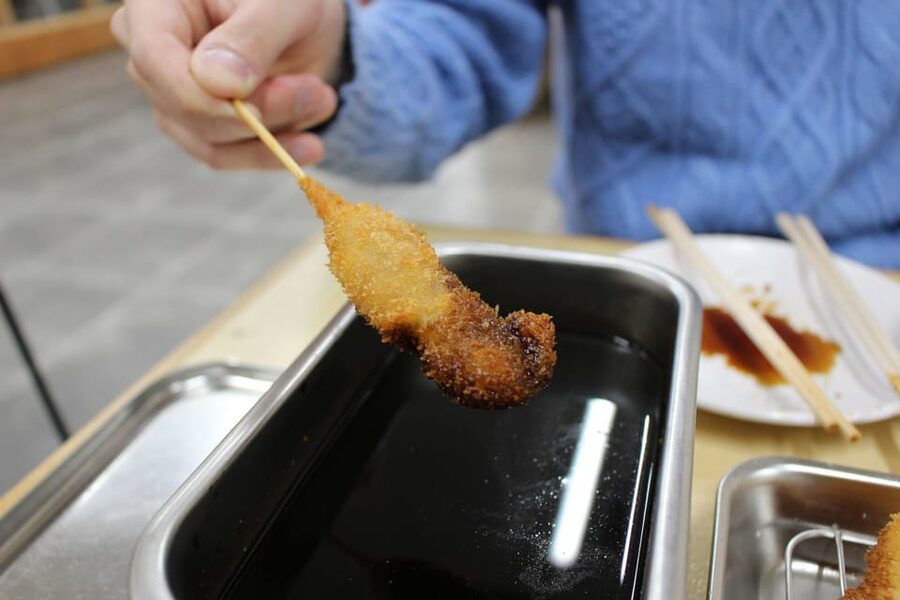
- You’ll taste a mix of Osaka classics like takoyaki, takosen, taiyaki, okonomiyaki, kushikatsu, and doteyaki
- English-speaking guidance helps you order and navigate the area, with private or small group options available
Getting Oriented at Starbucks TSUTAYA EBISUBASHI
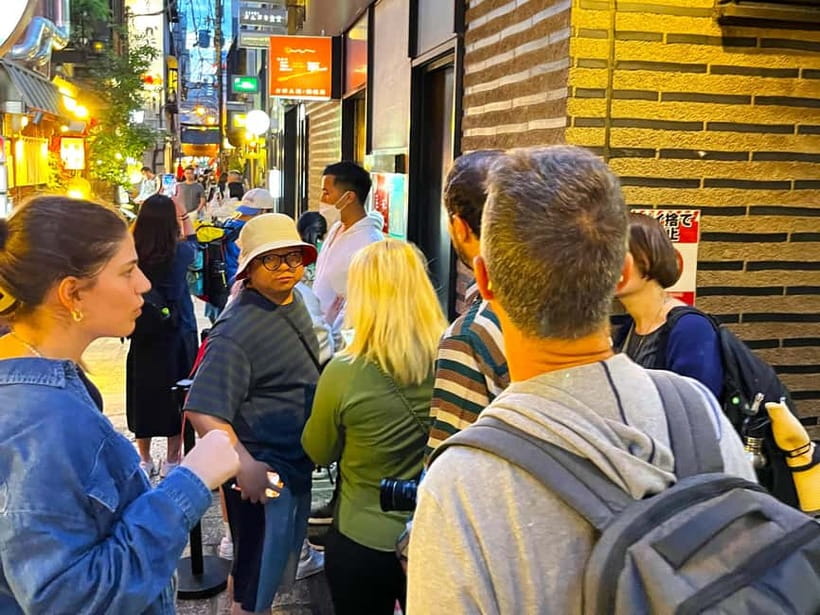
Your night begins at Starbucks Coffee TSUTAYA EBISUBASHI, outside the building. Look for your guide holding a yellow DeepExperience logo sign. It’s a helpful choice for a 2-hour tour because Starbucks is easy to spot, and it keeps the start stress low.
This matters more than it sounds. Dotonbori and Namba are all about walking and quick decisions. Having a clear meeting point means you spend energy on food, not on trying to match a blurry screenshot to real life.
The tour runs with an English-speaking guide, and guides can also speak Japanese. That bilingual setup is useful when you want help ordering, asking simple questions, or getting quick cultural context while you’re moving.
Also, the tour is listed as wheelchair accessible. Because you’re walking through busy streets and food areas, it’s still worth going with comfortable footwear and planning for uneven sidewalk moments. But the accessibility note is there, which is a good sign.
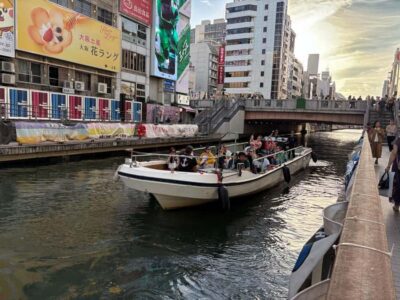
More of the canal after dark
Glico Man to Dotonbori: Photos First, Then Snacks
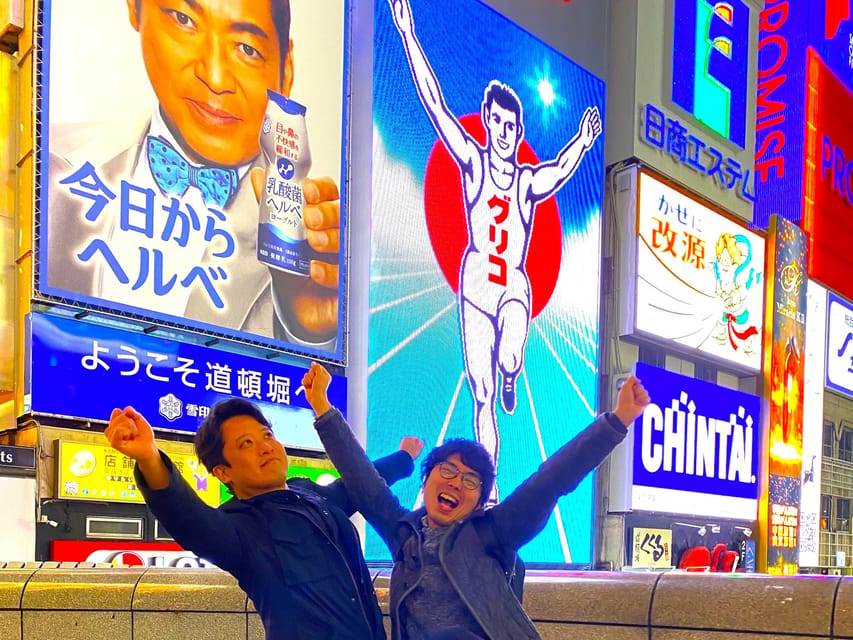
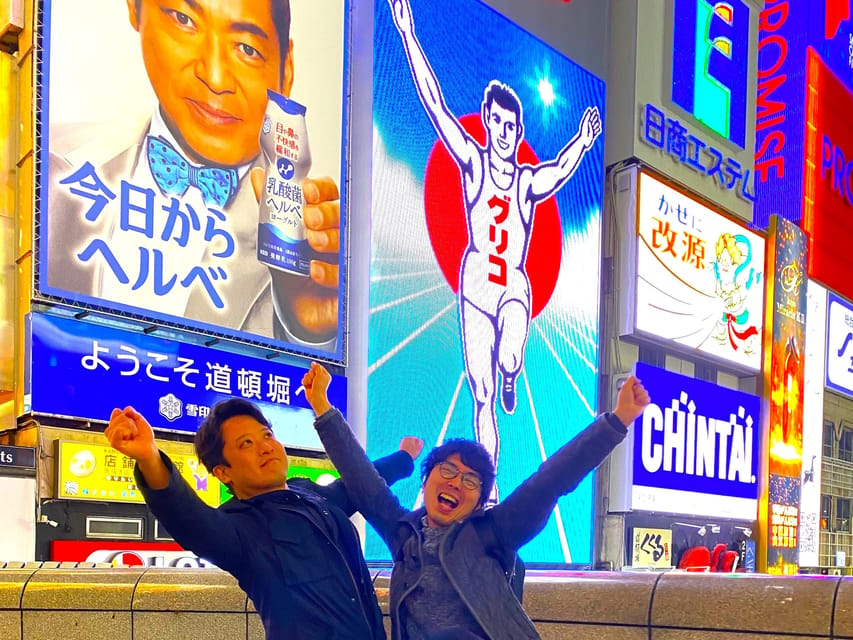
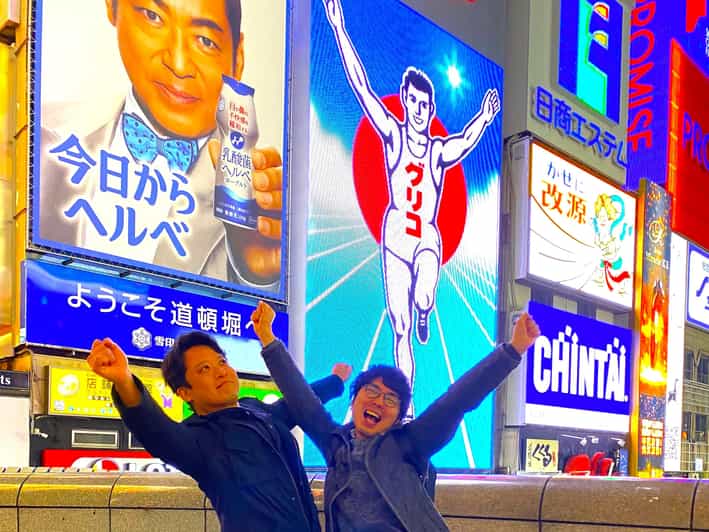
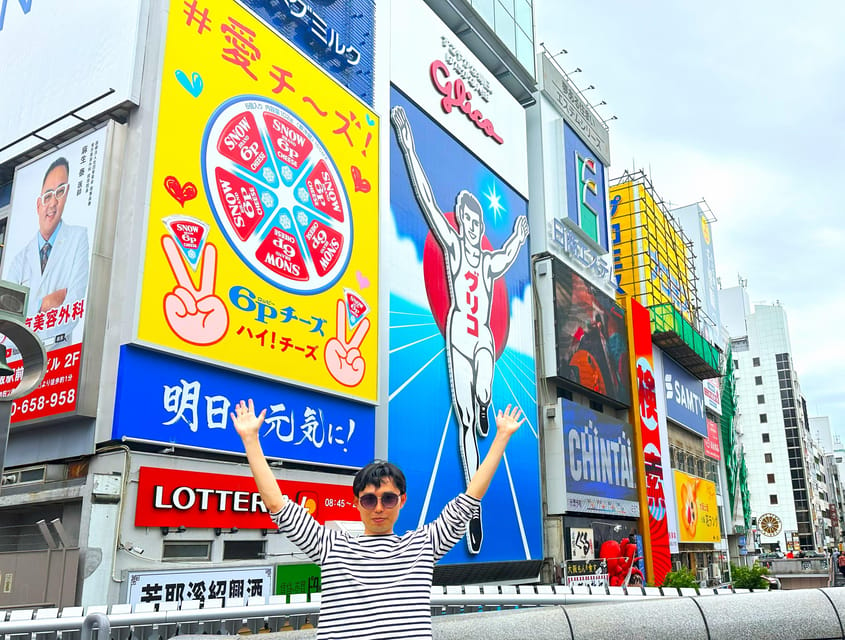
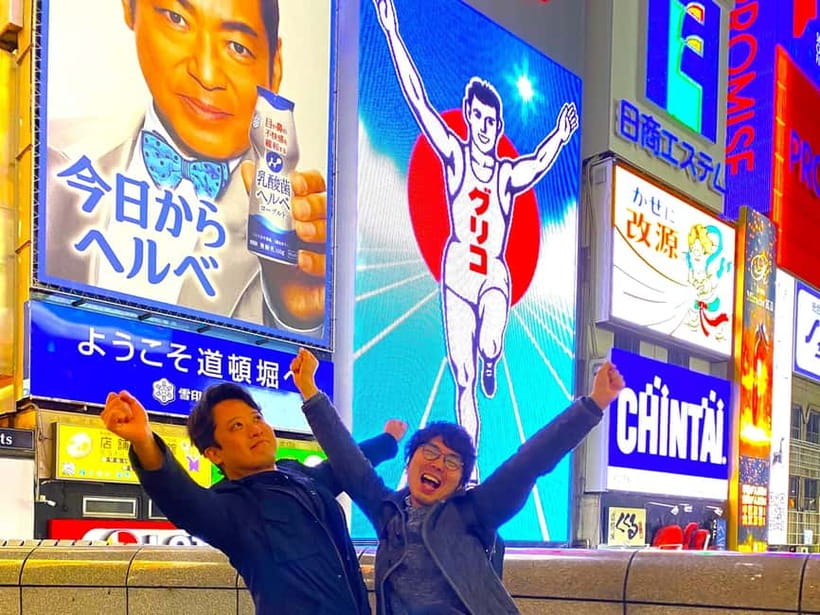
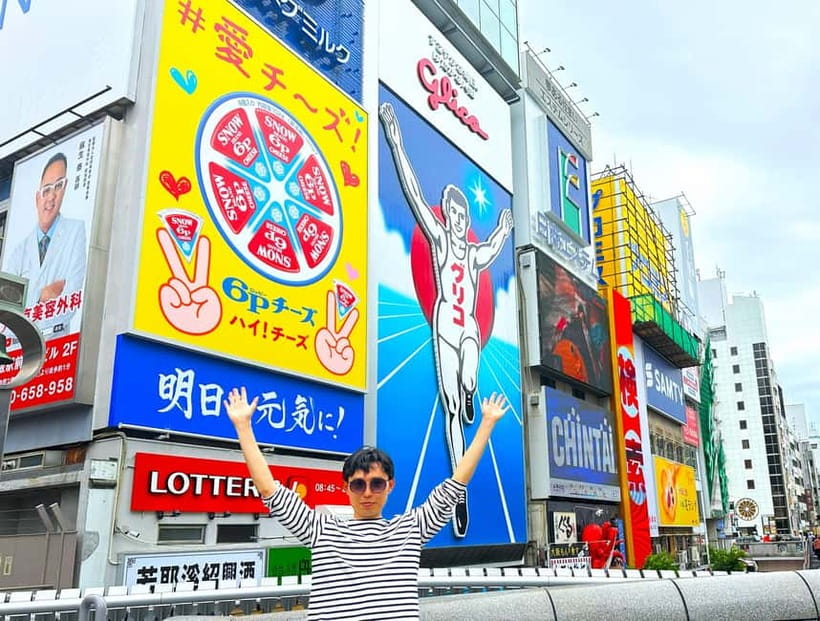
After you meet, you’ll head to the Glico Man sign in Dotonbori for a guided photo stop. This is the Osaka symbol most visitors recognize, and it’s a fast way to “get your bearings” the moment you step into the neighborhood.
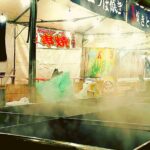
From there, the tour shifts into the street food zone. You’ll stroll through Dotonbori, with street food tasting time built in. The pace is friendly for a short tour: you’re not doing a marathon, but you are moving enough to actually feel the area.
What I like about starting with the sign is how it anchors everything else. Once you’ve taken that photo, the rest of your walk feels like a story instead of random wandering. Your guide can also point out where it’s easier to stop and eat, so you avoid standing around too long while other people crowd the same spots.
If you’re an Osaka repeater, this part still works because it’s not only about the photo. You’re using the guide to help you find places for tastings that are easier to order from than trying to figure everything out on your own in the moment.
Dotonbori Street Food Tastings: Takoyaki, Takosen, Taiyaki, and Friends
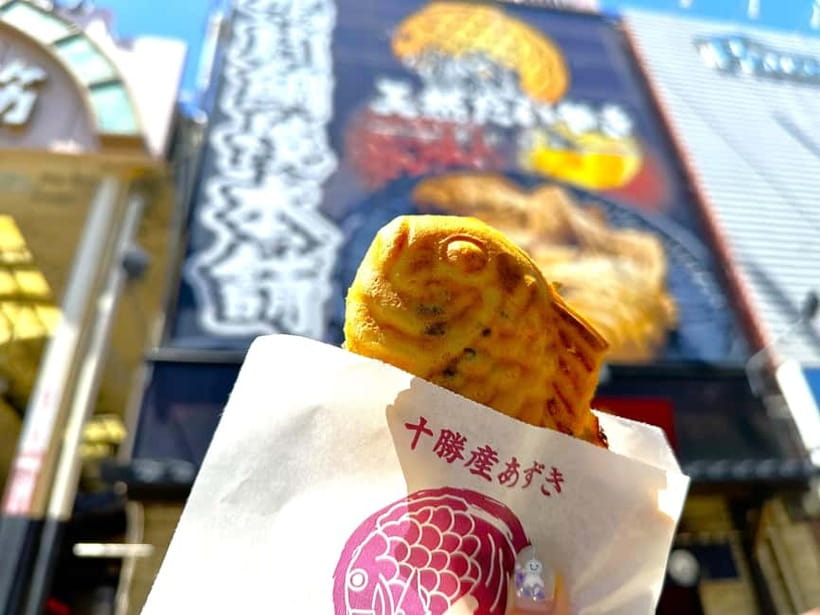
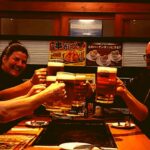
This is where the tour earns its keep. You’ll sample a set of Osaka favorites while you walk, and the list includes takoyaki, takosen, and taiyaki, plus other snack options along the way.
The tour also mentions sweet bites like apple candy and pork buns, so you’re not stuck with only savory. That mix is important in Dotonbori because you can go from scorching noodles to something crisp, then to something sweet. It keeps the experience from getting one-note.
One practical thing to expect: street food is fast, but it’s not automatically cheap. This tour includes the guide, not the food tab. So you’ll want to treat the $51 as the cost of a managed, guided tasting loop, with extra money for each restaurant stop.
Also, street food is hands-on and in-the-moment eating. You’ll do best if you’re okay with tasting without overthinking. Your guide’s job is to help you choose and keep the timing smooth, so you don’t miss other stops waiting for the perfect order.
Ukiyo-Koji and Hozenji Temple: A Calm Break in the Middle of the Noise
Right after the street food portion, you get a contrast moment: a walk through Ukiyo-Koji and then a visit to Hozenji Temple.
Why does this matter? Because Osaka street scenes can run hot, loud, and crowded. A temple stop gives your brain a reset, and it makes the food tastings feel more intentional. You’re not just eating to eat. You’re experiencing Osaka’s rhythm.
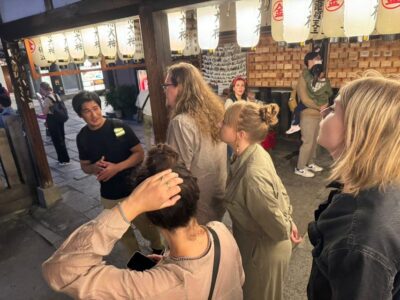
The tour gives time for a guided visit and orientation here. That’s useful because Hozenji Temple is easy to pass by if you’re moving quickly. With a guide, you’re more likely to understand what you’re looking at and why it feels different from the neon outside.
It also creates a natural photo contrast. You’ll likely leave the temple area feeling like you got a breather, not only a snack tour. For many people, that tonal shift is the most memorable part of the 2-hour format.
Namba and a Second Round Through Dotonbori Snacks
After Hozenji Temple, you head into Namba for more food tasting time, then back toward Dotonbori for additional local snacks.
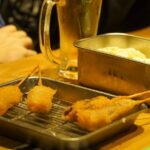
The foods listed for this portion include big Osaka hitters: okonomiyaki, kushikatsu, and doteyaki. These are the kinds of dishes that feel very local when you eat them in the right setting. And that’s exactly the advantage of a guided tour. You’re aiming for places where you can order efficiently and get seated or served without turning the outing into a research project.
I also like that the tour schedules tasting segments multiple times instead of dumping everything into one long meal. That structure keeps the experience fun instead of heavy. You’re constantly sampling, so you’re more likely to try flavors you’d normally skip because you think you’ll get too full.
There’s also another short photo stop near the end, followed by the return to Starbucks TSUTAYA EBISUBASHI. Think of this as a final checkpoint, so you can wrap your night with a few last photos and a satisfied stomach.
Keep walking: the rest of Namba and Shinsaibashi
What You Gain from a Local Guide (Beyond the Food)
The tour is sold as food, but the real value is how the guide helps you handle the city in small, practical ways.
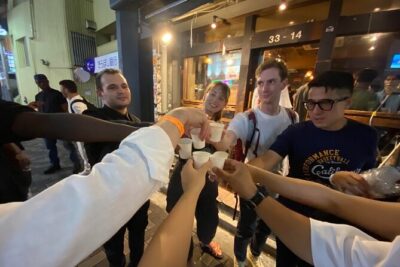
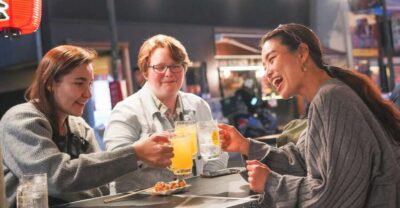
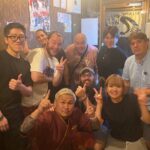
Several guides on this type of tour are described as friendly and interactive, and they’re prepared to steer you toward food choices that match what you want. You can also expect them to help with photo placement so you don’t end up with awkward angles in front of the sign you came for.
In a short 2-hour tour, the guide also matters because you don’t have time for trial-and-error. People note that guides often help avoid long lines and steer you toward efficient ordering. That translates to more tastings and less standing around.
And because the tour runs in English and Japanese, you’re not locked into one style of communication. If you want extra context, your guide can explain what you’re eating and why it’s a local favorite. If you want the practical version only, you can keep it simple and just follow along.
It also helps if your guide is someone like Kaito, Hina, Hiro, Kanako, Aki, or Hori. Different guides bring different personalities, but the common thread is that they aim to make the walk feel smooth and personal, not generic.
Price and Value: Why $51 Can Be a Bargain or a Setup
At $51 per person for a 2-hour guided tour, the price is really paying for three things:
- A live English-speaking guide
- Focused time in Dotonbori and Namba
- Built-in moments that would take time to plan yourself, like the Glico Man photo stop and the Hozenji Temple visit
What’s not included: food and drink expenses. That’s not a dealbreaker, but you should budget for it. If you’re expecting the tour to be “all-you-can-eat with one fee,” you’ll feel surprised. If you go in knowing you’ll pay for tastings, it feels fair.
Given the variety listed, you’re not just buying one item. You’re sampling across sweet snacks and savory dishes, with stops that spread your eating around instead of forcing one big sit-down meal. For a first-time visitor, that’s where the value often lands.
For repeat visitors, the value is less about quantity and more about efficiency. You’re saving time and getting pointed to spots that fit a short night.
Who This Tour Fits Best (And Who Should Rethink It)
This is a great fit if you want a compact Osaka food hit. It’s also a smart choice if you like structure. You know where you’re meeting, where you’ll take photos, and when you’ll have tasting time. That helps a lot in areas like Dotonbori where everything looks edible and it’s easy to get distracted.
It’s also described as good for both Osaka first-timers and repeaters. First-timers get the symbols and the classic street foods. Repeaters get the local guidance and the food stops without having to map it all.
The big caution: the tour notes that it’s unfortunately unable to accommodate vegan or gluten-free requests due to the nature of the local food. If those diets are a must for you, you’ll want to think twice before booking.
One more practical consideration: because the tasting is part street food and part restaurant-style ordering, this tour may not suit very young kids who can’t handle quick stops and lots of standing. That’s not stated as a hard rule, but it’s the reality of how short walking food tours usually work.
Plan Your Night: Comfort, Timing, and Photo Moments
Since you’re moving through Dotonbori and Namba, wear shoes you can stand in. Even a “2-hour” tour can feel longer if you spend time stopping and starting.
Bring a light attitude. This is not a slow food crawl where you linger for long conversations at one table. It’s more like a guided highlight reel of Osaka snacks with a temple reset built in.
For photos, do your part early. The Glico Man sign stop is your anchor photo. Then expect another quick photo moment near the end. If you’re hoping for extra shots of alley details, ask your guide where it’s easiest to stop without blocking people.
Also, keep your appetite flexible. The route includes both sweet and savory items, so plan to be open to variety instead of ordering only the dishes you already know.
Should You Book This Osaka Dotonbori and Namba Street Food Tour?
I’d book it if you want a short, guided way to eat your way through Osaka’s street culture. The mix of street food tastings, the Glico Man photo stop, and the Hozenji Temple calm break makes it feel like more than a food snack session.
I wouldn’t book it if you need vegan or gluten-free options, because the tour states those requests can’t be accommodated. I also wouldn’t book it if you want the price to cover the food, because tastings are extra.
If you’re undecided, here’s the simplest test: are you the type who likes a clear plan and a guide to handle the ordering? If yes, this is a very good use of two hours in Osaka. If you’d rather roam freely and pick only one or two dishes at your own pace, you might enjoy building your own route more.
FAQ
Where do I meet the guide?
Meet your guide in front of Starbucks Coffee TSUTAYA EBISUBASHI store, outside the building. Your guide will be holding a yellow DeepExperience logo sign.
How long is the tour?
The tour duration is 2 hours.
How much does it cost?
The price is $51 per person.
What is included in the price?
An English-speaking guide is included.
Are food and drink expenses included?
No. Food and drink expenses are not included.
What places do we stop at?
You’ll visit the Glico Man sign in Dotonbori, enjoy street food tasting in Dotonbori, visit Hozenji Temple, have food tasting in Namba, and then do more local snack tasting in Dotonbori, finishing back at the starting Starbucks TSUTAYA EBISUBASHI meeting point.
What kinds of street food will I taste?
The tour includes tastings such as takoyaki, takosen, taiyaki, apple candy, pork buns, and savory options like okonomiyaki, kushikatsu, and doteyaki.
Is the guide available in English?
Yes. The tour offers an English speaking guide, and guides are listed as speaking English and Japanese.
Is the tour wheelchair accessible?
Yes, the tour is listed as wheelchair accessible.
Can I request vegan or gluten-free options?
The tour states it is unfortunately unable to accommodate vegan or gluten-free requests.
What is the cancellation and pay-later option?
You can cancel up to 24 hours in advance for a full refund, and you can reserve now and pay later (book your spot and pay nothing today).
Eat Your Way Round Osaka
Still in Namba? Keep Going
The Canal After Dark, Continued
Latest out of Osaka


Dotonbori Neon & Street Food Walks, side by side.
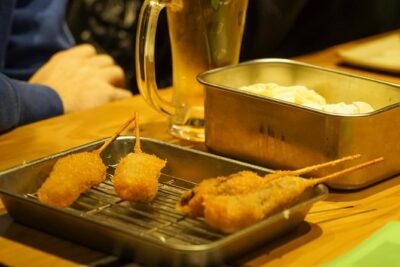 ★ 5.0Osaka Local Foodie Walking Tour in Dotonbori and ShinsekaiFrom $111985 reviews
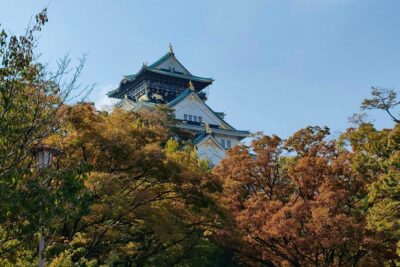 ★ 5.0Ultimate Osaka Walking Tour: Castle, Dotonbori & Hidden GemsFrom $73862 reviews
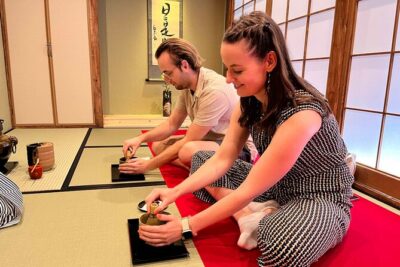 ★ 5.0Tea Ceremony Experience in Osaka DoutonboriFrom $20754 reviews
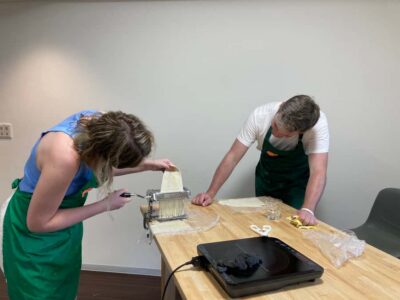 ★ 5.0Osaka: Ramen and Gyoza Cooking Class in DotonboriFrom $70378 reviews
Osaka: Dotonbori River Cruise with Glico Sign & Neon ViewsFrom $12376 reviews
★ 5.0Osaka: Ramen and Gyoza Cooking Class in DotonboriFrom $70378 reviews
Osaka: Dotonbori River Cruise with Glico Sign & Neon ViewsFrom $12376 reviews
 ★ 3.9Osaka: Dotonbori’s Bridges 20-Minute CruiseFrom $12303 reviews
 ★ 4.9Osaka: Roll and Authentic Sushi Making Class in DotonboriFrom $45239 reviews
 ★ 5.0Osaka Local Bar Crawl in Dotombori & Uranamba AreaFrom $26199 reviews