
REVIEW · OSAKA CASTLE PARK TOURS
1 Day Takoyaki Making and Osaka Castle Walking Tour
Osaka in one day can feel like speed dating. This tour slows things down just enough to mix Sumiyoshi Taisha shrine, a retro tram, and the Shinsekai street scene with hands-on takoyaki and big Osaka Castle viewpoints. The best part is how the day is paced, so you get local flavor without racing from one photo spot to the next.
I really like that lunch is not just a meal. You make your own takoyaki, and you also get a full Osaka-style set with kushikatsu, rice, and miso soup so you leave satisfied. I also like the smart variety: a calm religious landmark in the morning, street life downtown at midday, then river views and fortress energy late day.
One thing to consider: it is a walking tour. Plan for about 7 km of walking and bring shoes that can handle long blocks, crowded streets, and standing time.
Key moments worth planning for
- Sumiyoshi Taisha: maritime-safety vibes and the photogenic Sorihashi bridge
- Osaka’s street tram stop: a short ride that makes the city feel older in the best way
- Shinsekai timing: enough time to browse snack joints, game centers, and the Tsutenkaku area
- Takoyaki workshop lunch: you cook, you learn, you eat, with extra fried sides and rice
- Aqua Liner river cruise plan B: cruise if running, otherwise a museum detour
- Osaka Castle tower views: major landmark time without a full-day commitment
Starting at Namba and setting your Osaka tone
This day starts and ends in the Namba area, which is exactly where you want to be if Osaka is your first time. You meet at Namba Hiroba Square in the Pedestrian Paradise area, then you spend the day moving outward and back, using public transit. The total time is about 8 hours 50 minutes, and the tour is capped at 15 travelers, so you are not stuck in a giant herd.
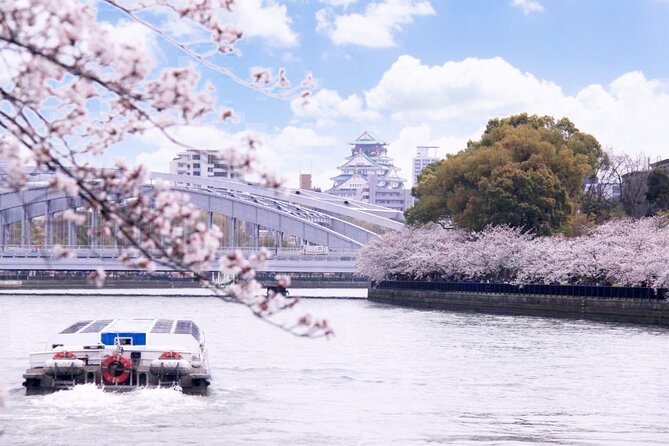
The route makes practical sense. You start with something peaceful and local, then move into old-downtown mood, then do your big food moment mid-day. After that, you head to a major city symbol, Osaka Castle, and finish with water views on the Ogawa River. You end near Namba Station by 5:40 pm, which is convenient if you still want dinner plans afterward.
Because it is a guided day with transport included, it is a good fit when you want structure. If you like winging it but still want one or two anchor experiences, this tour works well as your backbone day.
Weigh this one against the Namba bookings people rate highest:
Sumiyoshi Taisha, Osaka’s maritime shrine and business prayers
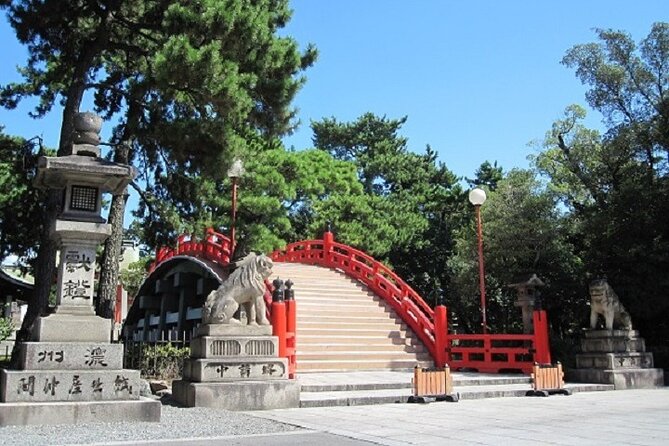
Your morning begins at Sumiyoshi Taisha Shrine. This shrine is still described as a center for Osaka’s residents, and the theme is very specific: it is known for the god of maritime safety. That is a great detail to keep in mind as you walk through the grounds, because it turns what could be a generic shrine stop into something with local logic.
You also get practical sights here, like the Sorihashi bridge and the main sanctuary area. Even if you are not there for a deep religious study, the shrine setting helps you understand Osaka beyond neon signs. You get a slower rhythm, less commercial pressure, and a sense of why people come back year after year.
Time-wise, you get about 1 hour, and admission here is free. That matters because it lets you use your time efficiently. You can take your photos, follow the flow on foot, and still have enough energy left to enjoy the rest of the day.
A small consideration: shrine time is quiet and often involves standing or walking paths at your own pace. If your feet get tired easily, plan for that early in the day, not after lunch.
A short tram detour at Sumiyoshitoriimae
Next is Sumiyoshitoriimae, a brief stop timed around the nostalgic atmosphere of the town. You hop on a tramcar, which the overview calls Osaka’s only street tram. Even with just 15 minutes, it changes the feel of the day because you get to see the cityscape from an old-school street level.
This is also a good reset between major stops. You are moving from shrine stillness into more urban energy, and that short ride smooths the transition without eating up half your morning.
If you hate being rushed on transit, keep this in mind. Fifteen minutes is short by design, so use it to watch, not to plan deep exploration. You will have your main window for browsing later in the day.
Shinsekai and Tsutenkaku: snack streets and late-20th-century energy
Then you hit Shinsekai, one of Osaka’s most recognizable neighborhoods, with Tsutenkaku Tower as the headline landmark. The tour gives you about 30 minutes here, and that is enough time to get your bearings and take in the street vibe: shopping streets, izakaya-style energy, and places like game centers.
This stop is not about ticking every street. It is about taste and mood. You are likely to smell frying, spot signage, and see the kind of casual street culture that makes Osaka feel like a lived-in city, not a theme park.
The practical tip: Shinsekai can be crowded depending on the hour. Use your 30 minutes smartly. Focus on one or two blocks, enjoy the atmosphere, and save your hunger for the takoyaki workshop. The lunch here is generous, so you do not need to max out your snacks before you cook.
Takoyaki making in the middle of the day (plus kushikatsu lunch)
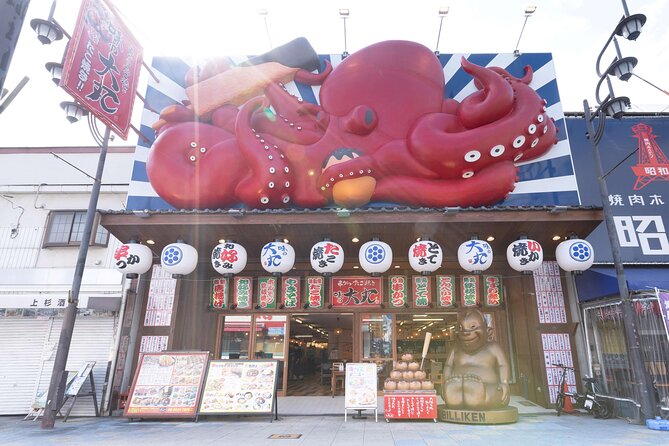
Your lunch stop is Kushikatsu Takoyaki Ajinodaimaru, and this is where the tour really turns into a hands-on Osaka experience.
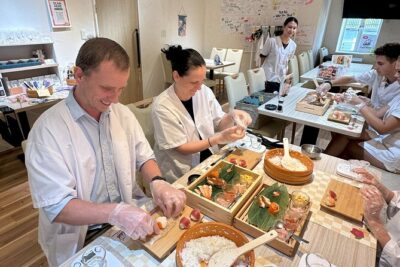
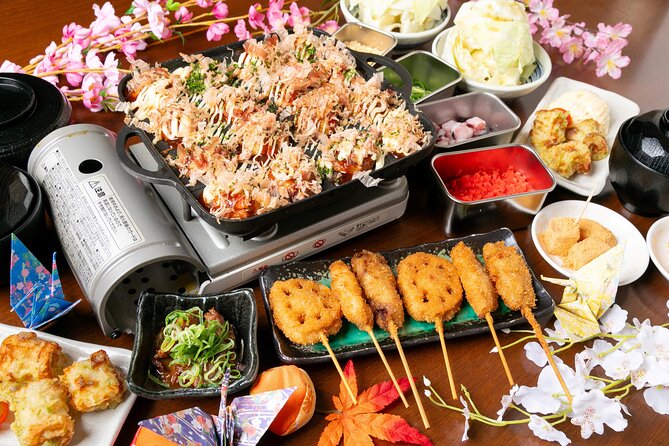
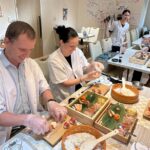
You learn how to make takoyaki, Osaka’s famous street food, and the experience is paired with lunch. The tour notes that the takoyaki workshop is 60 minutes, with all-you-can-eat takoyaki as part of the deal. That long cooking window is key. You do not just get a quick demonstration and move on. You actually participate, which makes lunch feel like an activity, not just a rest break.
The meal set includes more than takoyaki, including salted cabbage, deep-fried chikuwa with seaweed, potato salad, three deep-fried skewers, white rice (refills available), and miso soup. That is a lot of food, and it helps balance the long day. The tour also mentions that aside from takoyaki, the other dishes are served cooked.
There is one detail you should plan for: a takoyaki maker is provided for every four customers, so you may be asked to share a table with another group. That is not a bad thing, it just affects how quickly you rotate and how much space you have. If you like personal space while you cook, this is something to expect.
Vegetarian meals and the takoyaki tradeoff
If you request vegetarian options, the tour accepts it in advance. But there is an important limitation: vegetarian meal requests cannot include takoyaki, because standard takoyaki contains octopus, eggs, and animal-derived stock. For vegetarian meals, the workshop provides a special menu with mini salad, several appetizers, grilled vegetables in foil, grilled vegetable skewers, deep-fried tofu teppanyaki, kelp soup, and white rice.
So if vegetarian is your priority, you will still eat well. Just know that the iconic part of the workshop may not be fully vegetarian-friendly.
Why this lunch works for your whole day
I like this lunch setup because it gives you a mental break from sightseeing. After shrine steps and street scanning, the cooking part resets your attention. It also gives you a memorable skill you can repeat later, even if your first attempt back home is not perfect.
Aqua Liner cruise from the Osaka Castle Pier, river views and a backup plan
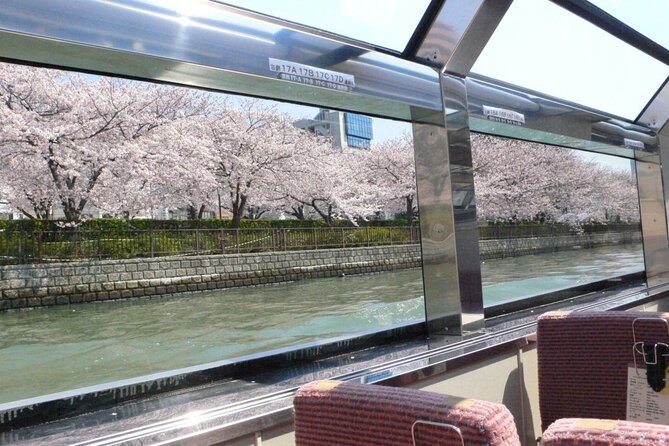
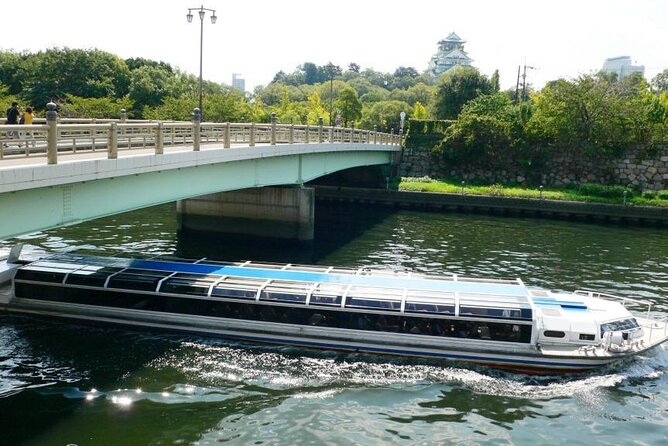
After lunch, you head to Aqualiner (Osaka Castle Pier) for a water-bus cruise along the Ogawa River. This is one of the best parts for first-time visitors because it shifts your perspective. Osaka stops looking like a grid of buildings and starts looking like a water city with historic emphasis.
The cruise time is listed as 40 minutes, but there is a schedule change at certain times of year. Until March 24, 2025 and from April 11, 2025, the boarding schedule changes and the duration can shift from 40 to 55 minutes. That is useful to know if you are planning photos at golden hour.
You are also not left stuck if weather or operations interrupt the cruise. If the Aqua Liner is out of service, the tour will visit the Osaka Museum of History instead. On Tuesdays, the museum is closed, so the tour notes refunds would be issued by the guide on the tour day (JPY 2,000 per adult, JPY 1,000 per child) when the Aqua Liner cannot run on that day.
What I like here is the contingency planning. The cruise is weather-dependent, but you still get a structured alternative rather than losing half your afternoon to uncertainty.
Osaka Castle: the views, the structure, and the timing
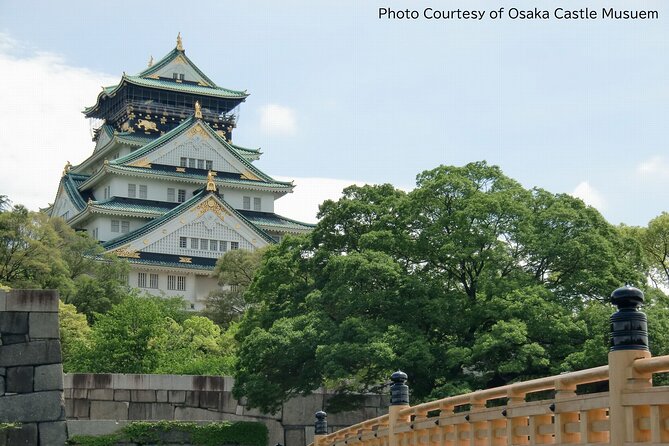
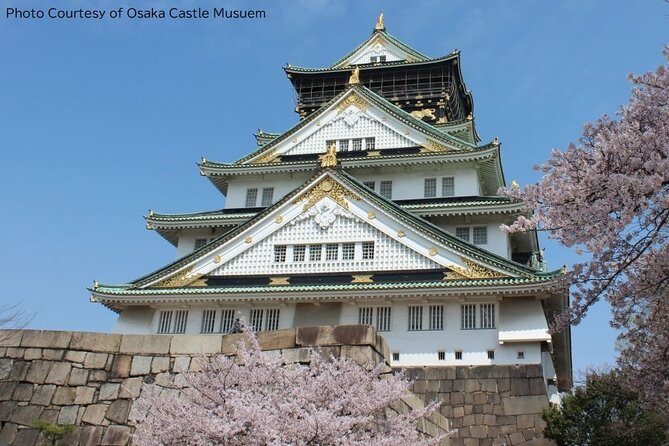
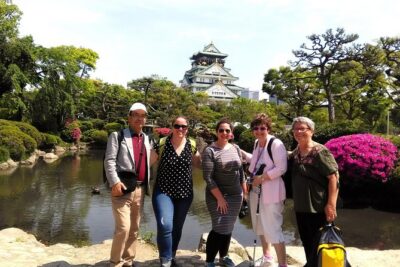
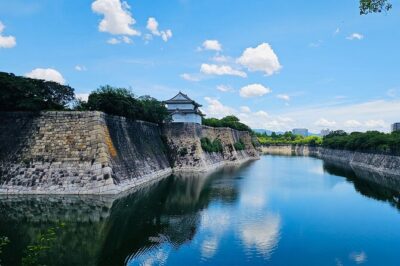
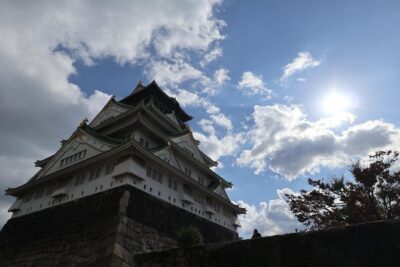
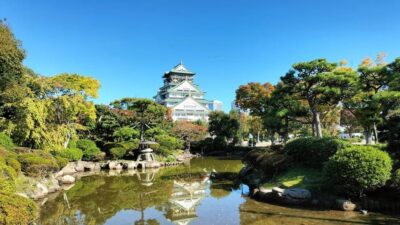
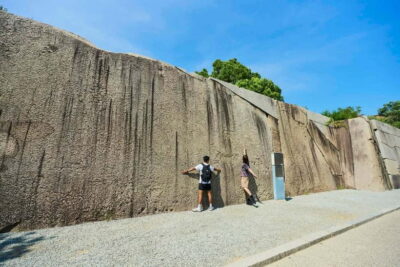
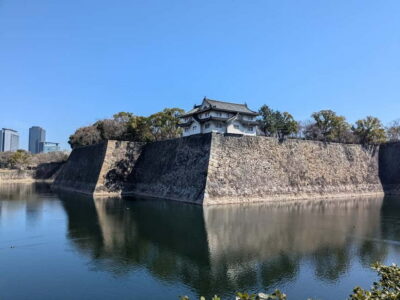
Next up is Osaka Castle, for about 1 hour 30 minutes with admission included. This stop is big for a reason. The castle is tied to the 16th century and is described as founded by Toyotomi Hideyoshi, a key figure from the Sengoku period. Even if you do not memorize every date, the scale of the site helps you understand why this is one of Osaka’s most recognizable symbols.
You also get spectacular views from the tower. That is where a guided day has an advantage. You arrive prepared, you are pointed toward what matters, and you can focus on walking the right loops instead of guessing.
A practical reality: castle grounds can involve stairs and open outdoor walking. If you have mobility constraints, plan to pace yourself. The tour does include transport between stops, but once you are inside the castle complex, it is still on foot.
A good day for photos
This stop is timed after your lunch and cruise, so you should be settled enough to enjoy the area. You end with a skyline and landmark payoff, which is ideal if you want the day to feel complete.
Getting around: mobile ticket, public transport, and real-world pacing
Logistically, you get a mobile ticket, and confirmation is expected within 48 hours of booking. The tour uses public transportation, and the tour notes that seating is not guaranteed. That matters for comfort. You may be standing at points, so wearing comfortable clothing and shoes is not optional.
Also, expect about 7 km (around 4 miles) of walking over the full day. That is a lot for a one-day sampler tour, but it is also a manageable distance if you take breaks at each stop and keep your pace.
The itinerary order can shift due to congestion, and that is normal in a city like Osaka. What you can control is your readiness. If you are early, attentive, and keep your water bottle handy, you will enjoy the flow more.
Is the price ($148.65) actually fair for what you get?
At $148.65 per person, this tour is not the cheapest way to see Osaka. The question is whether it saves you effort and decision fatigue, and the answer is yes if you value guided time and included costs.
Here is what you get that typically costs money on your own:
- A licensed English guide interpreter included
- Lunch included, including the takoyaki-making session and multiple side dishes
- Transportation costs included
- Other admission fees included
If you were to do this day yourself, you would need to line up transit between specific neighborhoods and pay for multiple entries. Even a handful of separate tickets and a guided day can add up. The group size of 15 also helps. You are paying for organization, translation support, and the ability to spend more time at each stop.
Where the price could feel heavy: if you dislike walking, if you already know Osaka and can self-guide fast, or if takoyaki hands-on cooking is not your thing. If you love food and want structure, it is a solid value.
Who should book this Osaka day and who might not
Book this tour if you want a one-day overview that still includes something hands-on. It fits:
- First-time Osaka visitors who want big landmarks plus street culture
- Food lovers who want takoyaki practice and a proper lunch set
- Travelers who like meeting new people in small groups, since this caps at 15
You might rethink it if:
- You prefer slow, neighborhood-only exploring rather than a tight itinerary
- You do not want to walk around about 7 km
- You cannot do the takoyaki experience for dietary reasons (vegetarian participants get a substitute menu, but not takoyaki)
If you have the time for only one guided day in Osaka, this is one of the clearer choices. It gives you shrine calm, tram nostalgia, street energy, a cooking lunch, castle views, and a river perspective.
Should you book it? My straight answer
Yes, I think you should book this tour if your goal is a high-value Osaka day that mixes history and everyday life with a real cooking activity. The standout strengths are the guide-led organization and the fact that lunch is built around doing, not watching. The main tradeoff is the walking distance and the packed schedule, so choose this only if you are comfortable staying active for most of the day.
If you want one guided day that feels like Osaka, not just like a checklist, this delivers.
FAQ
Where do I meet and where does the tour end?
You meet at Namba Hiroba Square in the Namba area and the tour ends at Namba Station. The tour is scheduled to finish by 5:40 pm.
What time does the tour start and how long is it?
The start time is 8:50 am and the duration is about 8 hours 50 minutes.
How much walking should I plan for?
Because it is a walking tour, plan for about 7 km (around 4 miles) during the day.
What is included in the lunch besides takoyaki?
Along with 60 minutes of takoyaki all-you-can-eat, the lunch includes salted cabbage, deep-fried chikuwa with seaweed, potato salad, three deep-fried skewers, white rice with refills, and miso soup.
Can I get a vegetarian meal, and will I still eat takoyaki?
Vegetarian meal requests are accepted, but vegetarian guests will not be able to enjoy takoyaki. A special vegetarian menu is provided instead.
What happens if the Aqua Liner cruise is canceled?
If the Aqua Liner is out of service, the tour will visit the Osaka Museum of History instead. If the Aqua Liner is unavailable on a Tuesday, refunds may be issued by the guide on tour day (JPY 2,000 adult, JPY 1,000 child).
How long is the Aqua Liner cruise?
It is listed as 40 minutes, but on certain schedule periods it can change to 55 minutes.
Is there free cancellation?
Yes. You can cancel up to 24 hours in advance for a full refund.
More Tour Reviews in Namba


Latest out of Namba

Osaka Castle Park Tours, side by side.
 ★ 4.5Osaka Castle: Museum and Tower Entry TicketFrom $72,380 reviews
 ★ 5.0Osaka Castle Walking Tour and Castle Tower AdmissionFrom $23561 reviews
 ★ 5.05-Hour Osaka Bike Tour to the Neighborhood of Osaka CastleFrom $87319 reviews
 ★ 4.7Osaka Castle Guided TourFrom $43249 reviews
 ★ 4.9Osaka: Castle History Walking Tour / Castle Tower AdmissionFrom $33230 reviews
 ★ 4.7Osaka: Osaka Castle Guided Tour with Local GuideFrom $4878 reviews
 ★ 5.0PRIVATE 6hr, Food tour from Osaka Castle, Kuromon, Dotonbori.From $15568 reviews
 ★ 4.5A Tour to Explore the Symbol of Osaka: Osaka CastleFrom $8356 reviews