
REVIEW · OSAKA SAMURAI, NINJA & KENDO EXPERIENCES
Osaka: Kendo Workshop Experience
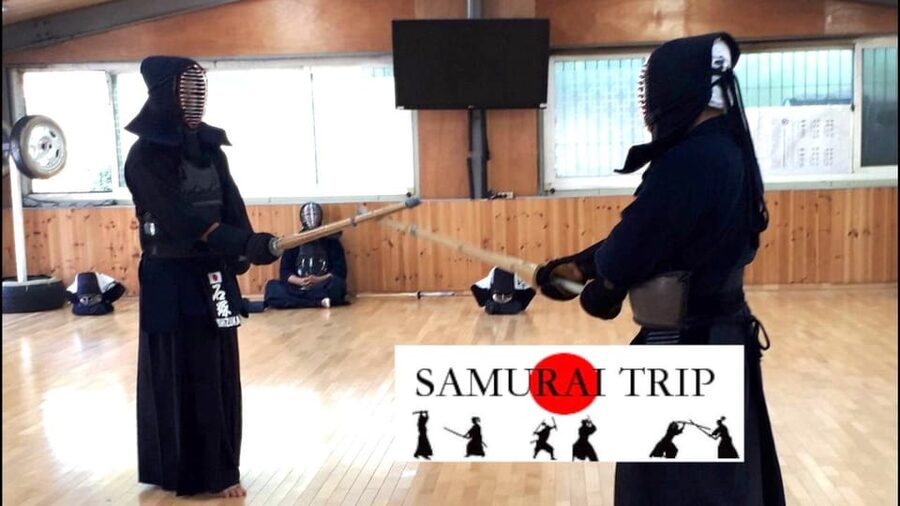
Kendo training, minus the tourist gloss. In Osaka, this two hour kendo workshop teaches you the etiquette and the physical fundamentals, then has you go from guided strikes to a mini match. I like how the session runs like a real practice, starting with ritual and manners and moving into hitting with bamboo swords, and I like that the coaching is clear enough for beginners.
One note to plan around: you will change into training clothes, wear protective gear (including the Men face protector), and the format is not a fit if you are under 9, pregnant, or have mobility limitations.
Key Highlights to Know Before You Go
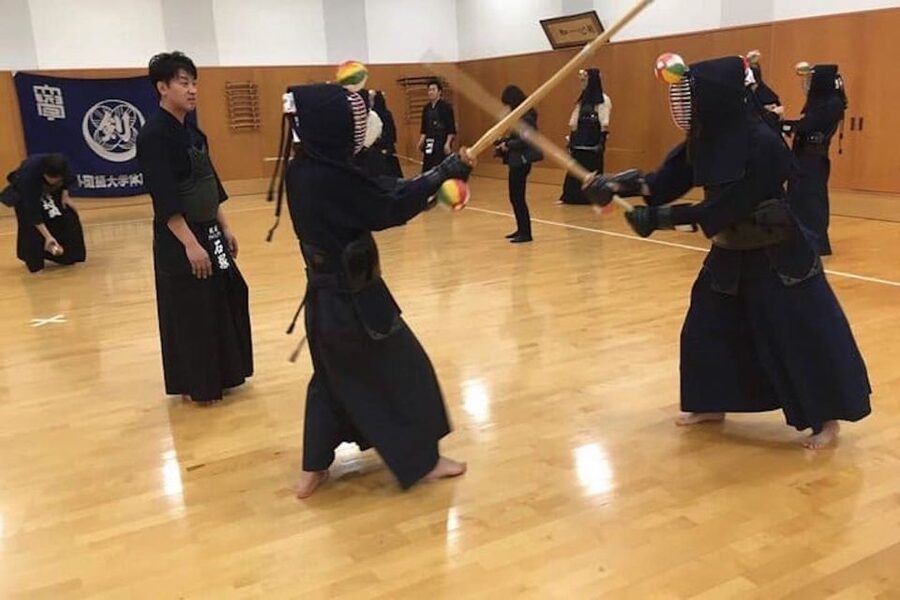
- Small group attention so the instructors can correct your form as you move
- Full practice arc from ritual and manners to hitting and a match-style mini-game
- Bamboo sword contact with the guidance of experienced instructors, so you can train safely
- English and Japanese instruction (and strong teaching, including easy explanations)
- National level demonstrations where you can watch techniques close up, then see how they look in action
Real Kendo Practice in Osaka: What Makes This Workshop Worth It
If you have ever worried that a “samurai experience” is just a costume and a couple of poses, this workshop is a different vibe. The point is training. You learn how kendo works, not just how it looks.
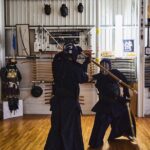
This class also has something surprisingly grounding about it. The dojo is quiet in that disciplined way, you hear the bamboo swords thump and collide, and you get used to the sharp rhythm of instructions. One review called out the smell of the dojo and the real kiai energy, and that matches the feeling you should expect: this is practice, not a performance.
Two things make it especially good for visitors. First, the program includes the full sequence you need to understand kendo: etiquette, what you are supposed to do, and then how to strike correctly. Second, the instruction is designed to be accessible. Even with no previous experience, the instructors teach you step by step so you can join in safely.
The only real drawback is physical and practical. You will be using protective equipment and doing controlled hitting. If you are not comfortable with that, or you fall into one of the listed restrictions (age, pregnancy, mobility impairments), you should look for something else in Osaka.
More time in the dojo
Where You Start at Shigino Kaikan, and How the Session Flows
You meet at 鴫野会館 / Shigino Kaikan hall. Getting the location right matters because this is a dojo-based activity, not a hotel workshop. Once you arrive, the session moves in a tight two hour rhythm.
You typically start with a change of clothes. Then the instructors guide you through etiquette first, including basic rules and how to behave in a training space. This matters more than many people expect. Kendo is built on respect and controlled movement, so your ability to train safely depends on understanding the basic manners at the start.
After the basics, you shift into learning your strikes with bamboo swords. That phase is structured, with time for instruction and time for you to do the movements under supervision. The training then alternates between learning and doing, so you are not stuck only watching or only swinging.
Finally, the session includes a match-style mini-game. That is a big deal for visitors because it turns the technique practice into something that feels like actual kendo training, with rules and a sense of timing.
Changing Clothes, Etiquette, and Why the “Rules” Part Is Not Just Ceremony
The most overlooked part of kendo for first timers is the etiquette. Many martial arts include manners, but kendo leans hard into it, and this workshop treats it as a core skill.
During your opening segment, you learn how to move appropriately, how to follow instructions, and how to behave during practice. You also get a basic lecture. Think of this as mental setup: you learn what you are aiming for, what matters in form, and what your instructors will look for when they correct you.
If you worry that etiquette will slow you down, you will likely be relieved by the pace. The etiquette training is practical. It sets you up so the rest of the session can be safe and comfortable.
Also, you get guidance before you put on protective gear. Once you do wear the Men face protector, the training becomes more about controlled impact and correct timing rather than random swinging. That gear changes how you move, so the order of events matters.
Bamboo Sword Basics: How You Learn to Hit Without Guesswork
Once your instructor says you are ready, you practice with bamboo swords. You will do hitting drills, and you will also do strikes while facing the teacher, under close supervision.
This is where the best instructors earn their reputation. One review specifically highlighted Yamasaki sensei as excellent, with English that was easy to follow and teaching that was clear enough to help beginners. Another review described the experience as real kendo, with proper training energy and you feeling like you are truly learning, not just mimicking.
You also learn the fundamentals in a complete chain. Reviews and the workshop flow emphasize learning from ritual and posture all the way into how to hit. That step-by-step arc helps you understand what you are doing with your body instead of copying movements blindly.
In practical terms, you should go in expecting correction. Even if you feel “ready,” the instructor will likely adjust your posture, your stance, or the way you follow through. That kind of coaching is what makes the whole experience worth it.
The Kendo Culture Segment: History and Manners That Actually Help You Train
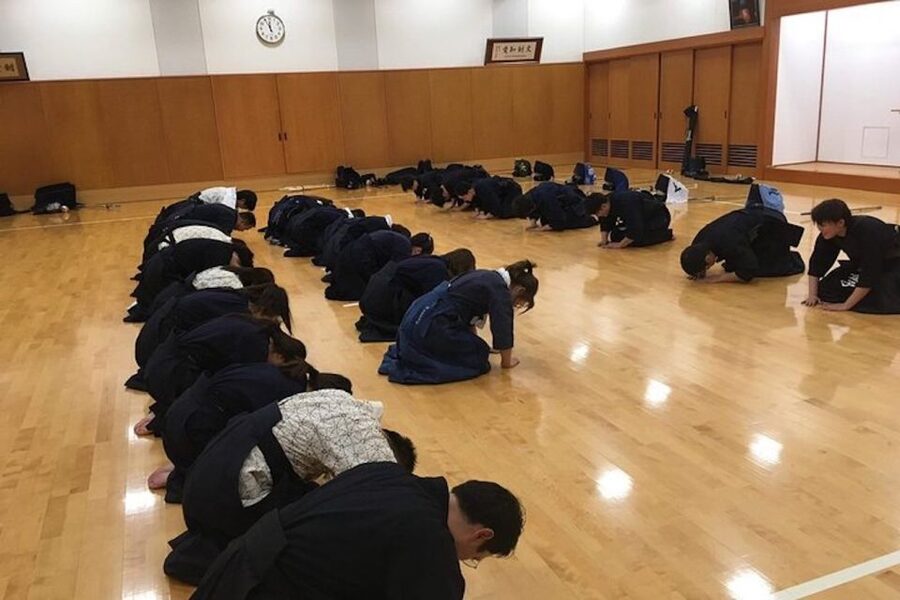
Between physical drills, you spend time on a kendo culture course. This is not just trivia. You learn how kendo developed and what it means as a martial art, plus how manners fit into being a proper kendoka.
For visitors, this part is useful because it gives meaning to the training rules. If you learn that kendo is built around discipline, respect, and structured practice, the etiquette makes more sense. You understand why the instructors are firm, why timing matters, and why controlled movement is emphasized.
This culture block also helps break up the intensity. It keeps the session from feeling like nonstop hitting. And it gives you language you can use to talk about kendo afterward, which is handy if you go for food in the area afterward.
More things to make and take home
Men, Then the Mini Match: Where It Becomes Real
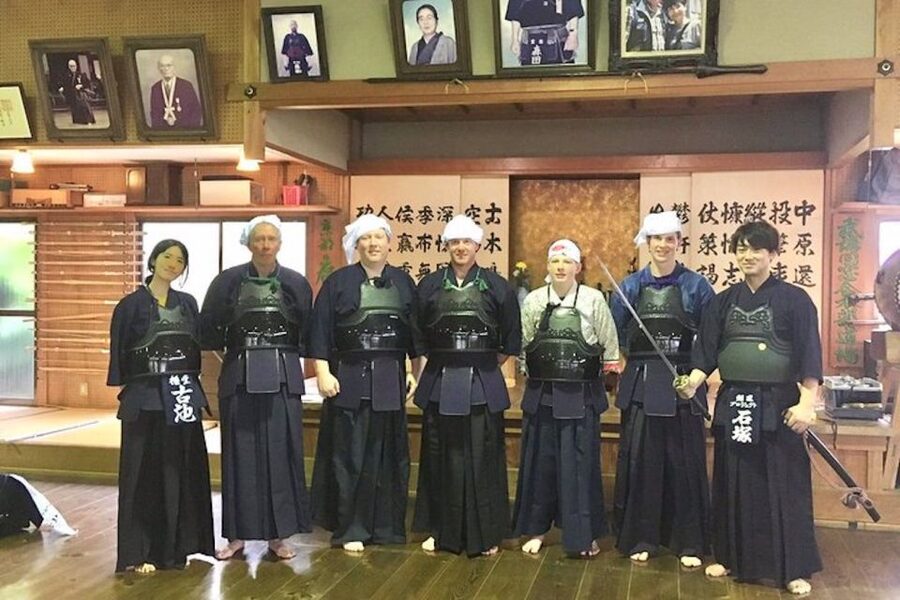
A major turning point is when you put on the face protector, the Men. That changes everything. Your sense of distance and impact shifts, and you start to feel more like you are doing kendo rather than doing a gym imitation.
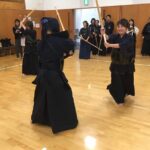
After you suit up, you go back to hitting drills and then move into a match-style mini-game. This is the part many people want. It is the first time you experience a more realistic structure, even if it is simplified for beginners and safety.
What you gain here is timing and awareness. You learn how to respond to an opponent in a controlled way, not just perform one strike on cue. The mini match is also a confidence booster because you can actually do it. You are guided, and the instructors are there to keep it safe.
The session ends with demonstrations by national level instructors. Watching techniques up close gives you a clear picture of what “good” looks like. You can also compare it to what you just learned, which makes the demonstrations feel relevant instead of random.
Photos, Towel Gift, and the After-Training Mood
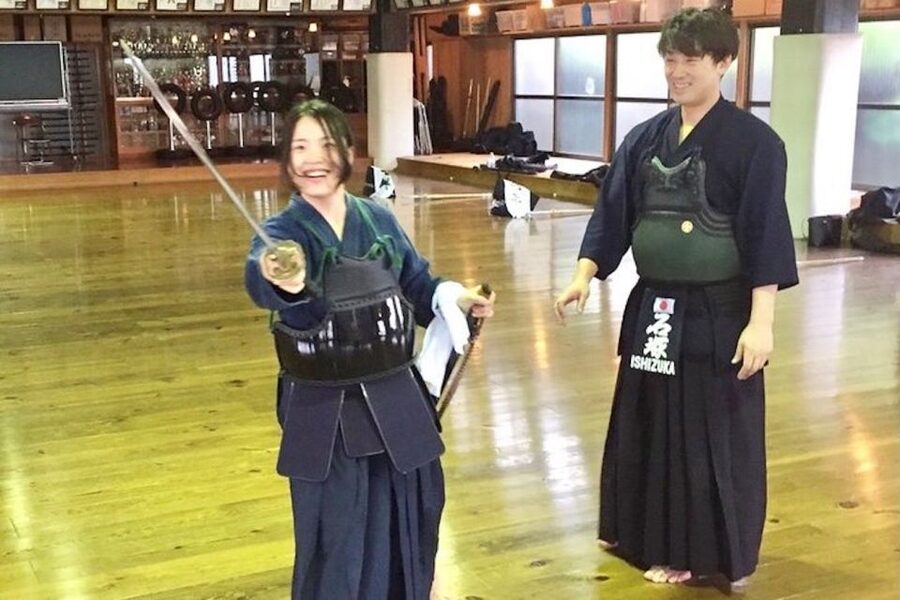
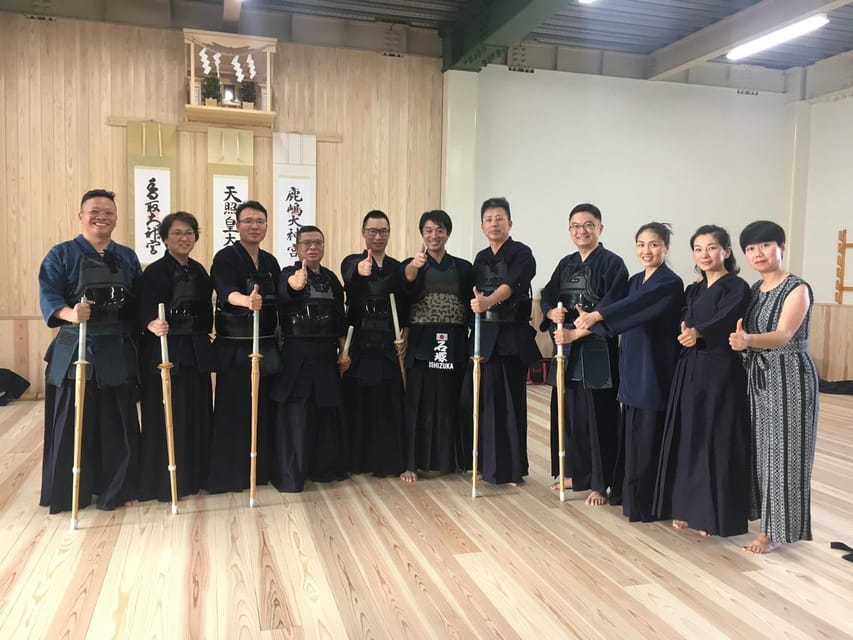
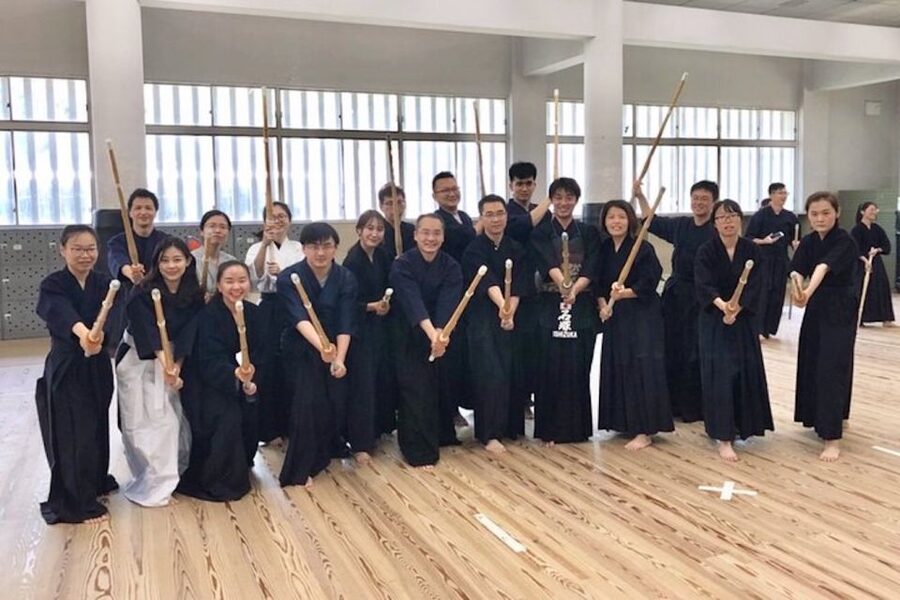
Near the end, you wrap up with etiquette and photography. This gives you something tangible to remember, but it also reinforces the respectful finish that kendo practice expects.
All participants receive a special kendo towel. The timing is thoughtful, because you use it when you put on the Men. That small practical touch helps you transition into training more comfortably.
Once the session ends, you change clothes again and the experience dissolves back into normal life. That post-training feeling is real for many people. The dojo energy tends to stick with you, especially if you spent a good portion of two hours doing controlled contact and hearing bamboo swords collide.
And yes, you can keep the day going in classic Japanese style. Afterward, you can head to an Izakaya, and the menu may include a special samurai meal. It is not part of the workshop price, but it is a fun way to extend the theme without turning dinner into a gimmick.
Price and Value: Is $116 for Two Hours Fair?
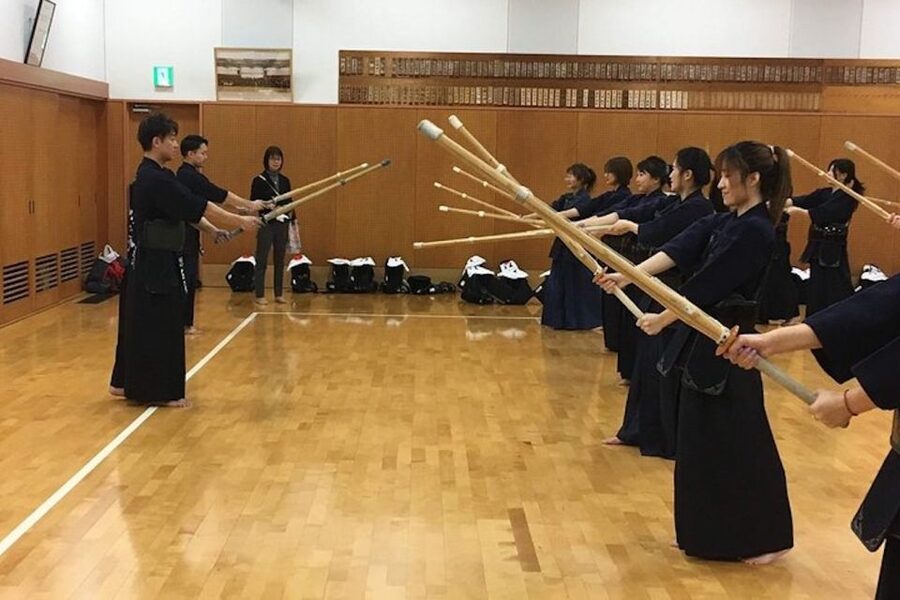
At $116 per person for two hours, you are paying for structure, safety, and instruction, not just equipment. The price includes professional guide or instructor time, rental of kendo armor and equipment, plus free mineral water and a Japanese hand towel.
That matters because you avoid the usual hassle of finding gear, figuring out what to wear, and guessing how to train safely. You also get instruction in English or Japanese, which is a real value if you do not speak the language of the dojo.
Food is not included, so you will likely budget for that separately if you plan to eat after class. But for what you get, the balance is solid. You are paying for two hours of guided training, gear rental, and high-quality demonstrations. For many visitors, that combination is the difference between a quick photo stop and an activity you will remember.
Who This Osaka Kendo Workshop Fits Best
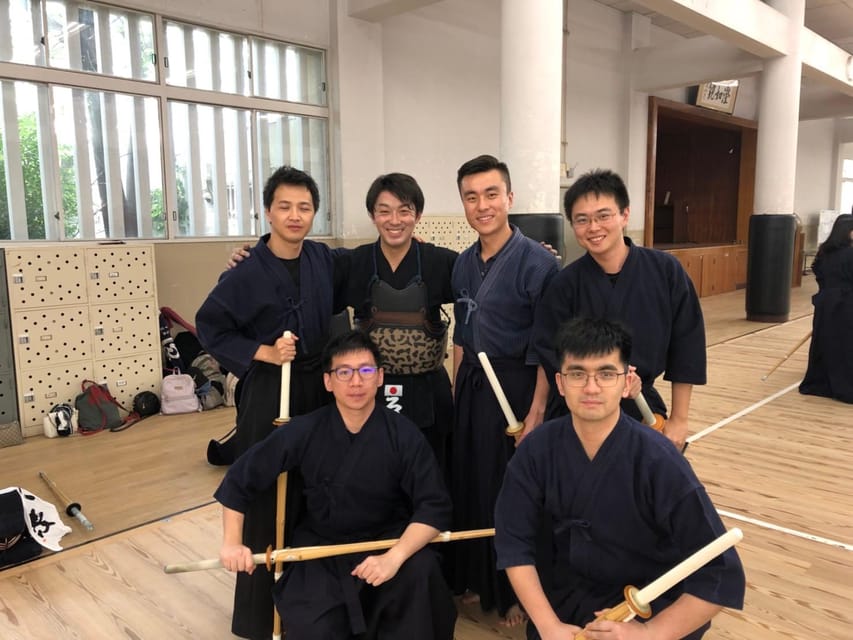
This is a strong match if you want real technique and you are curious about how kendo is taught. It is also a good choice if you like structured activities with clear steps and lots of instructor support.
You should consider booking if you are:
- Visiting Osaka and want a hands-on cultural martial arts experience
- A first timer who wants a safe entry into kendo, with correction and guidance
- Someone who enjoys rules and etiquette as much as the physical part
It is not a fit if you are:
- Children under 9
- Pregnant
- Anyone with mobility impairments or wheelchair users
Those limits exist for a reason. Protective gear and controlled training require the right physical setup.
Quick Practical Tips Before You Go
Based on how this workshop is designed, here are a few smart ways to prepare.
First, show up ready to move. You will practice with bamboo swords, wear protective gear, and do a mini match. It is not a sit-and-watch activity.
Second, lean into the etiquette part. If you take the manners segment seriously, the rest of the class will feel smoother and safer.
Third, treat it like learning. Even if you have done other sports, you are not in your normal rhythm. Let the instructors adjust your stance and timing.
Finally, plan for a simple day afterward. You can add an Izakaya meal, but keep your expectations realistic. This is training first.
Should You Book This Osaka Kendo Workshop?
If you want an authentic introduction to kendo, this workshop is a very good choice. The biggest selling point is that you are not left in the dark. You get a full practice flow, you learn the etiquette, you hit with guidance, and you finish with close-up demonstrations and a match-style mini-game.
The main reason to pass is physical fit. If you fall under the listed restrictions, or if you are uncomfortable with protective gear and controlled contact, it is better to choose a different Osaka experience.
Otherwise, for $116, this is one of the clearer value plays in the “martial arts in Japan” category. You walk out with technique you can name, respect you understand, and the kind of sound and discipline you cannot copy from a photo.
FAQ
How long is the Osaka Kendo Workshop Experience?
The experience lasts 2 hours.
Where is the meeting point?
You meet at 鴫野会館 / Shigino Kaikan hall.
What languages are offered for instruction?
Instruction is available in English and Japanese.
Is this experience suitable for beginners?
Yes. The workshop is designed so anyone can experience kendo safely because experienced instructors teach you the process.
What is included in the price?
Included are a professional guide or instructor, rental of kendo armor and equipment, free mineral water, and a free Japanese hand towel.
Is food included?
No. Food is not included.
Does the experience include hotel pickup or drop-off?
No. Hotel pickup and drop-off are not included.
Can I get a refund if I need to cancel?
Yes, you can cancel up to 24 hours in advance for a full refund.
Are there any restrictions on who can join?
It is not suitable for children under 9 years, pregnant women, people with mobility impairments, and wheelchair users.
Are pets, alcohol, or drugs allowed during the workshop?
Pets are not allowed, and alcohol and drugs are not allowed.
Make Something to Take Home



More Tour Reviews in Osaka

More Hours in the Dojo


Latest out of Osaka


Osaka Samurai, Ninja & Kendo Experiences, side by side.
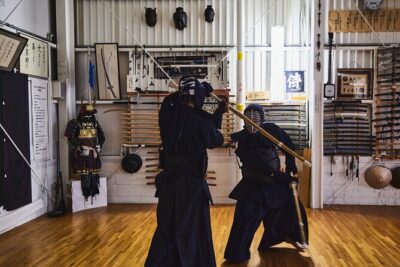 ★ 5.0Samurai Training Experience KENDO in OsakaFrom $131515 reviews
 ★ 4.8OSAKA NIGHT FUSION Japanese Taiko Kabuki Samurai Dance ShowFrom $40155 reviews
 ★ 5.0Osaka: Samurai Training Experience KENDO in OsakaFrom $127111 reviews
 ★ 4.5Osaka: A Modern Samurai, Kabuki, Taiko, & Dance ShowFrom $1966 reviews
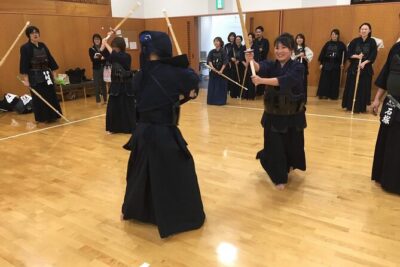 ★ 5.0Osaka 2-Hour Genuine Kendo / Samurai Experience In JapanFrom $11865 reviews
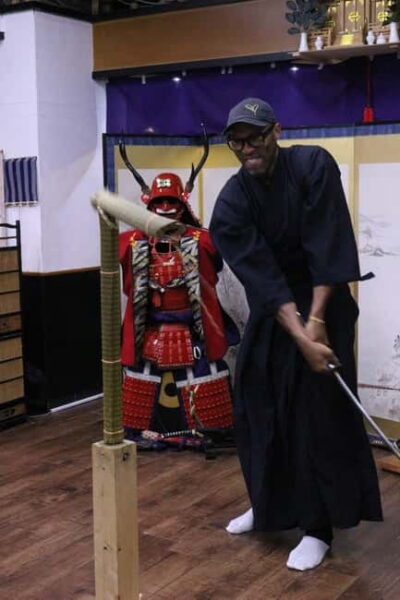 ★ 4.9Osaka: Learn Bushido – Trial Slashing with Samurai SwordFrom $9259 reviews
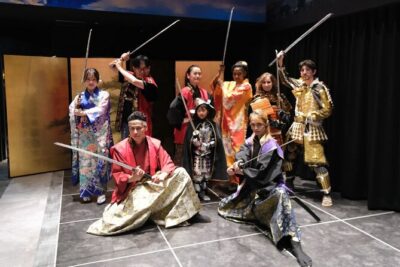 ★ 5.0Samurai Show, Tea Ceremony, Japanese Traditional ActivitiesFrom $4456 reviews
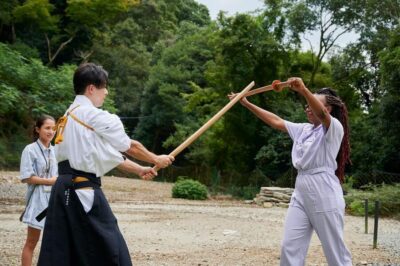 ★ 5.0Osaka: Private Samurai Experience – Train with Sword MasterFrom $15836 reviews
Also worth a look in