
REVIEW · SHINSEKAI, TSUTENKAKU & TENNOJI TOURS
Osaka: Shinsekai Food Tour with 13-15 Dishes at 5 Eateries
Street food, minus the guessing. This Osaka Shinsekai tour strings together 5 local stops and packs in 13 dishes plus 2 drinks while you walk through arcade lanes and side alleys with menus in Japanese. I love how it gets you into small, well-organized places where your food feels ready, and I especially like the variety, from takoyaki and oden to kushikatsu and gyoza. One consideration: it is not a fit for gluten intolerance or for vegans, since the tour relies on limited menu options.
What makes it work is the combination of pace and people. The small group cap (up to 9) means the guide can steer you table to table, and the English live guide helps you order with confidence, even when the menus are not. If you hate walking or you want a super relaxed sit-everywhere style, you might find the constant moving a bit much.
Top reasons this Shinsekai 13-dish tour gets rave energy
- 5 local eateries, 13 dishes (sometimes up to 15 depending on availability, season, and restaurant schedules)
- Arcade and side-alley walking in Shinsekai, where you see Osaka food culture up close
- English live guide who helps with ordering and shares context as you go
- Hit list snacks you actually want: takoyaki, kushikatsu, gyoza, tonpeiyaki, karaage
- Small group up to 9 so you are not lost in a crowd
- Two drinks included (alcohol or non-alcohol options)
Dobutsuen-mae logistics, small group energy, and the 3-hour rhythm
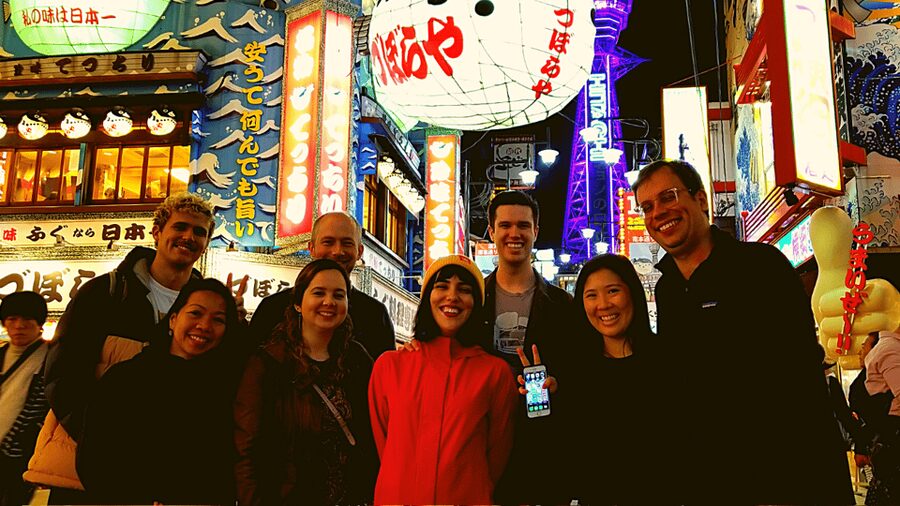
You meet at Dobutsuen-mae Station (Midosuji Line), exit 1, right in front of the 15 wall lanterns of Daiichi Building. The tour runs about 3 hours, and that time is built for eating, not sightseeing stops that do not feed you.
The group limit matters. With up to 9 participants, the guide can keep things flowing and get you into places without long waits, which is a huge part of why this tour feels efficient. Based on guide feedback I see repeated, many groups are treated like they have a reservation, not like they are wandering in last minute.
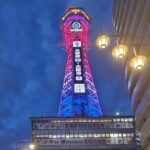
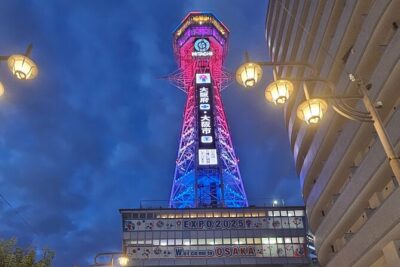
Under the tower: more Shinsekai hours
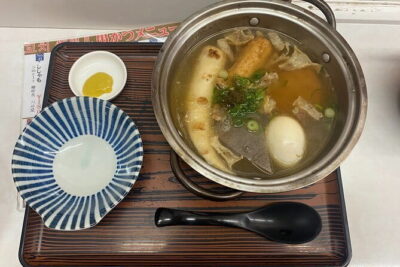
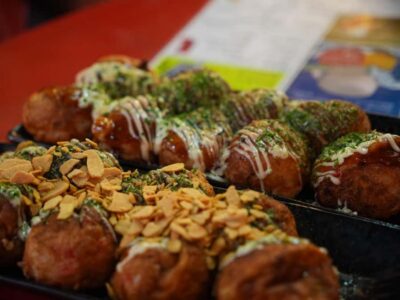
Start in Shinsekai with takoyaki or oden, warm comfort first
The tour’s first meal sets the tone: a stall serving either takoyaki (battered octopus balls) or oden (savory simmered dishes). This is a smart opener because you are not starting cold and hungry in a place where you might not know what to order.
Takoyaki is Osaka’s street-food handshake, crisp at the edges and soft inside, often eaten hot while you walk. Oden is slower and deeper, the kind of food that makes a chilly evening feel manageable. Either way, you get the taste of Shinsekai food culture right away, before you move into bigger meal stops.
Izakaya stop for kitsune udon, yakitori, chicken wings, and nagaimo
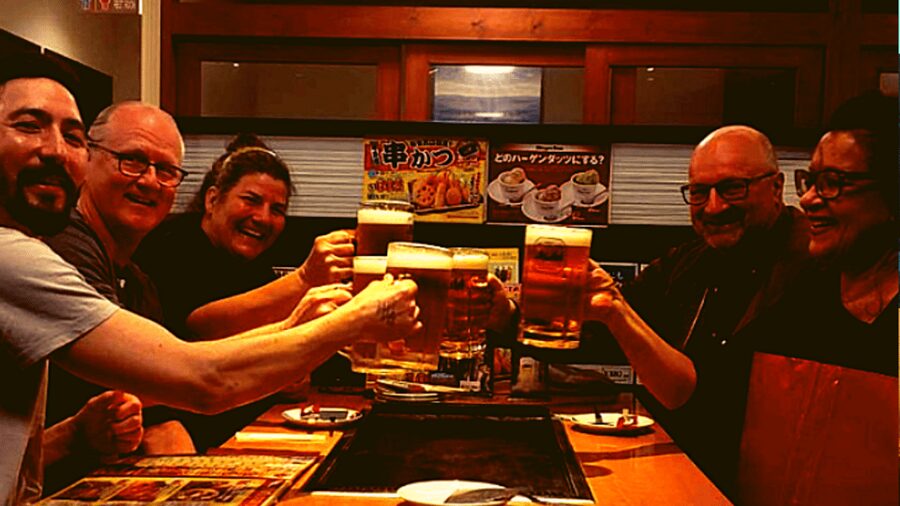
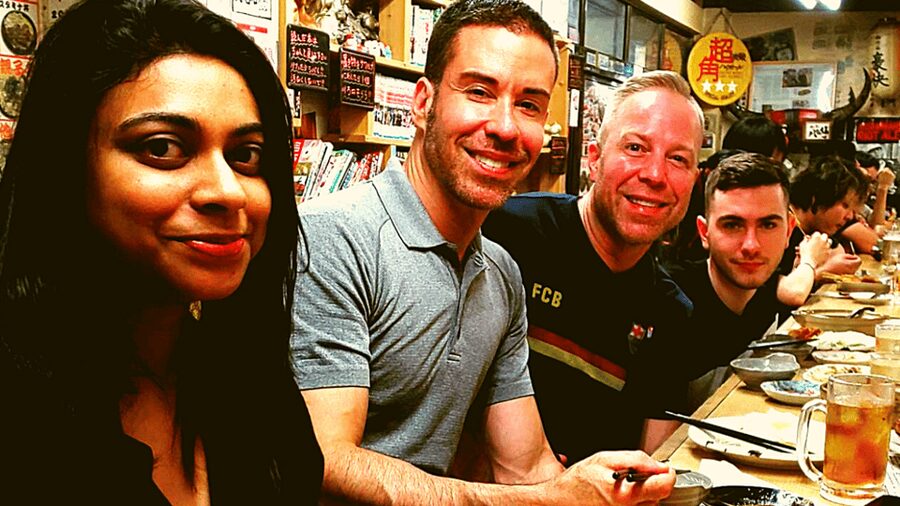
Next you head to an izakaya, the casual Japanese pub style restaurant where ordering is part of the fun. Expect kitsune udon, plus yakitori (grilled skewers), chicken wings, and nagainmo (a Japanese grated yam dish that often shows up in savory forms).
This stop is valuable because it covers the range of Osaka flavors. Udon gives you a comforting noodle base, while skewers and wings bring the smoky, salty, grilled punch. Nagaimo is a great “wait, I have never ordered that before” type of dish, and it is exactly the sort of item a guide can recommend when you do not want to gamble.
A big practical plus here: if you have limited Japanese, you are not stuck pointing at photos. Your English guide is there to help you order confidently, and that lowers the stress a lot during the first half of the tour.
Kushikatsu: the Osaka-invented skewers you will want to repeat
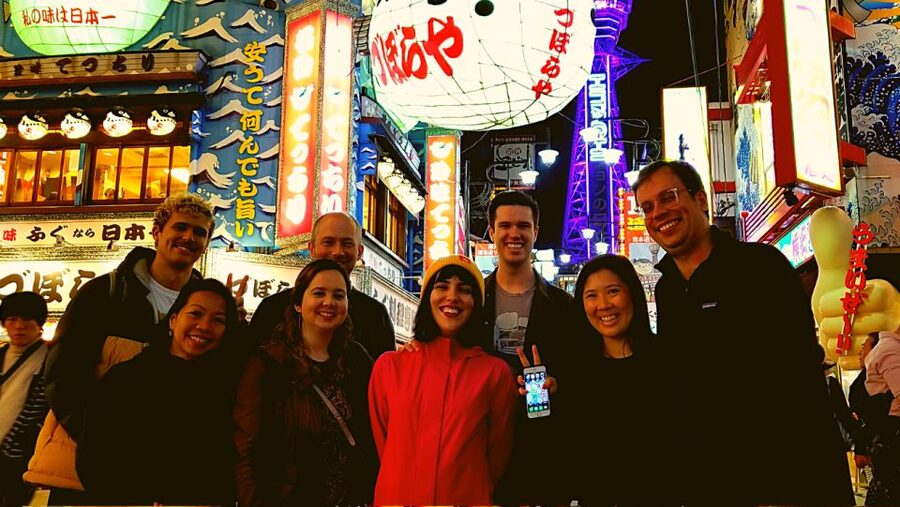
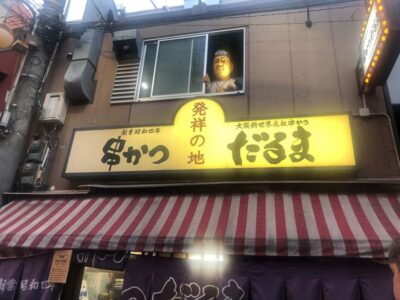
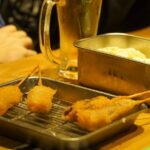
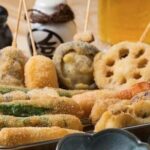
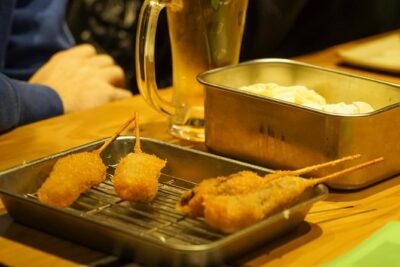
Then comes the locally invented favorite: kushikatsu. These are lightly deep-fried vegetables and meat skewers, made for snacking, sharing, and going back for one more before you even think about it.
What makes kushikatsu work on a food tour is the size. You can taste several skewers without the meal feeling heavy too early. And because they are skewer format, it is easy to keep pace while you walk from stop to stop later.
If you are new to kushikatsu, enjoy the texture contrast. Fried coating first, then the savory center, with a sauce bite that hits differently from grilled items. It is the kind of dish that makes you understand why Shinsekai is famous for this style of casual eating.
Cosy traditional restaurant: nikudofu, beef and tofu stew, mochi, plus a drink
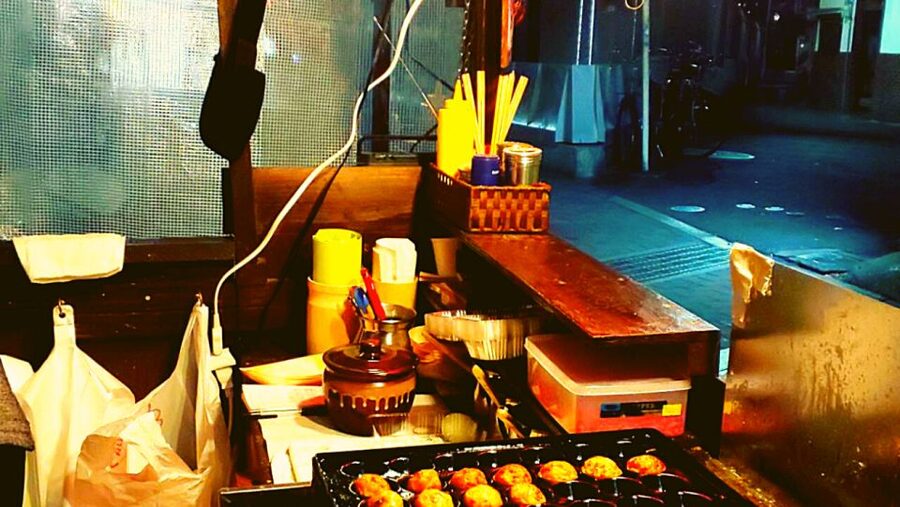
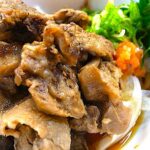
After the izakaya-style stop, you switch gears to a more traditional, cosy Japanese restaurant. Here you might taste nikudofu, a hearty beef and tofu stew, plus more yakitori and mochi. A drink is included at this stop, which helps the tour feel like a complete night out rather than a snack sprint.
This part matters for one reason: it shows Osaka beyond the usual poster foods. Takoyaki and kushikatsu get headlines, but nikudofu and tofu stew show the “home cooking” side that many first-time visitors miss.
Mochi later on the tour also helps your palate reset. It brings something chewy and sweet or softly flavored, which balances all the fried and grilled foods you have had so far. If your stomach is sensitive, this is often the moment where you feel grateful for the variety.
More plates on more streets
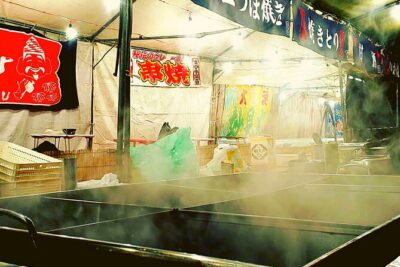
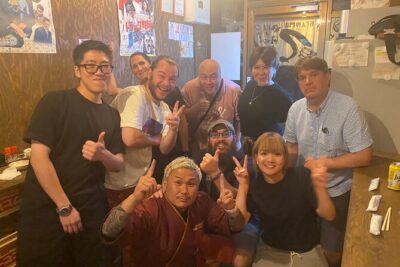
Gyoza specialist: why a focused dumpling stop is worth it
Next you go to a specialized gyoza establishment. Not a random place with one dumpling item, but a dedicated gyoza stop, which is where you start tasting differences in technique and style.
Why this matters: a specialist restaurant tends to do fewer things, but it does them repeatedly and well. So you get a clearer sense of what Osaka-style gyoza is meant to taste like. It also fits the walking-tour format nicely, since gyoza is portable on the plate and easy to portion into a “one more thing” moment.
This is also one of the stops where your guide’s recommendations are useful. You might not think to order a dumpling combo on your own, but the tour makes it feel obvious once you are there.
Final feast at the last eatery: tonpeiyaki, karaage, edamame, and Japanese pancake
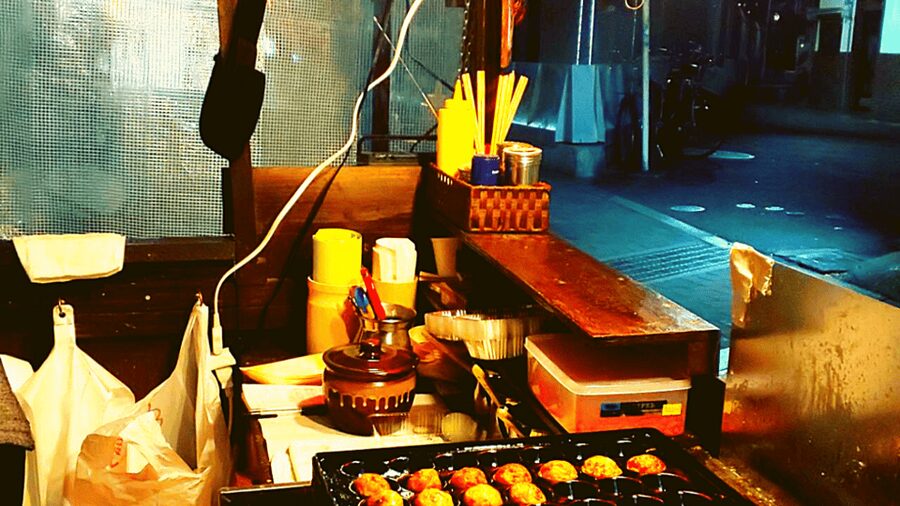
The last stop is where you cash in your appetite. You will enjoy tonpeiyaki (pork omelette), edamame, karaage (Japanese fried chicken with spices), and often a Japanese pancake or fruits pairing. A drink of your choice is included here too.
This final lineup works because it closes the loop on Osaka’s signature tastes. You get savory comfort from the omelette, a crunchy hit from karaage, and a lighter, salty support from edamame. The pancake or fruits keep things from feeling like the night is only heavy, fried food.
If you are worried you will not finish, you probably will. Multiple guide-led experiences for this route emphasize that the tour is designed so you do not end up with empty plates. The pacing and small-group setup help, and the guides tend to keep you moving without rushing.
Drinks included, and why the guide role is more than translations
Two drinks are included total, with options that include alcohol and non-alcohol. That is a practical detail. Food tours can get pricey fast when you add drinks, so having them built in makes this feel like a better deal.
The other big ingredient is the guide. I see guide names show up over and over, like Kevin, Yuki, Paul, Darren, Bernie, Mio, and Taka, and the common thread is energy plus clarity. Guides often explain what you are eating, where the dish fits into Osaka, and how to order without getting stuck at the counter.
Even better, several groups mention how the guide helped the atmosphere stay social. In an eating tour, that matters, because you are sharing tables or close spaces with strangers. A good host helps everyone feel included, not like they are just waiting their turn for food.
Portion expectations: 13 dishes in 3 hours feels full, in a good way
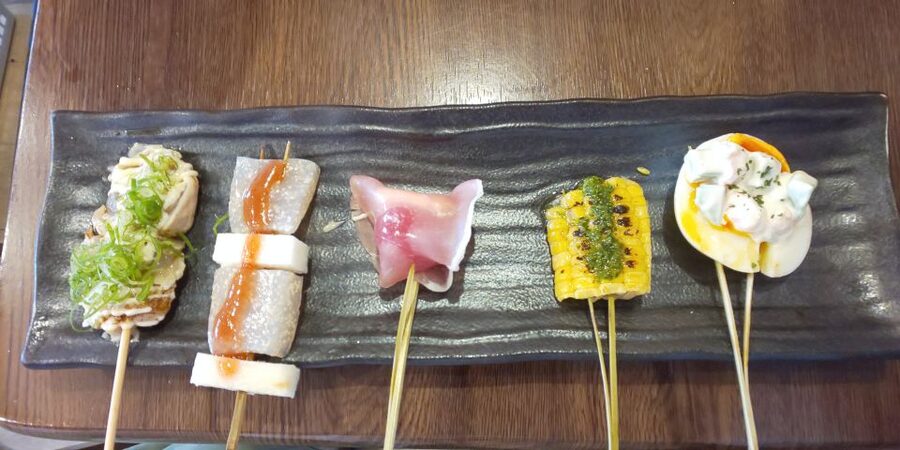
This is not a light tasting menu. 13 dishes over 3 hours means you will eat through multiple textures: hot fried snacks, grilled items, noodle comfort, dumpling focus, and a final platter of heavier favorites.
Do plan to come hungry. The most consistent advice from past participants is simple: eat dinner later, not before. The tour is also walking-based, and you can expect a fair number of steps as you move between spots, so you burn some calories along the way.
One small strategy: take small bites during the fried stops, then let yourself slow down for the udon or stew portions. It makes the meal feel more manageable and helps you enjoy the flavors without the “food coma” arriving too early.
Price and value: how $53 lines up with what you actually get
At $53 per person, you are paying for more than ingredients. You are paying for access and timing.
Here is what you are getting: 5 eateries, 13 dishes (sometimes more depending on availability), plus 2 drinks, with an English live guide handling ordering and navigation. If you break it down loosely, that is around $3 to $4 per dish, and the drink value is baked into the total instead of added at each stop.
Is it worth it? For most food-focused travelers, yes, because the tour reduces the hard parts of street food. You avoid hunting for the right place, you avoid language hassles in those Japanese-only menu settings, and you do not lose your appetite waiting in long lines. Instead, you get a sequence of stops that keeps your taste buds engaged.
Who should book this Shinsekai food tour, and who should skip it
This tour is best for you if:
- You want Osaka street food plus a few sit-down comfort plates in one evening.
- You like trying foods you would not confidently order alone.
- You prefer a small group and a guide-led plan over DIY wandering.
You might skip it if:
- You are vegan or need gluten-free options, since the tour specifically says those participants cannot join.
- You have a strict gluten intolerance, because the tour does not offer enough guaranteed gluten-free dish choices.
- You dislike walking or you want a slower, more sightseeing-heavy pace.
The Shinsekai difference: why this district beats guessing in Osaka
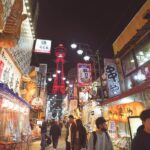
Shinsekai has a distinct feel compared with Osaka’s more famous shopping and neon areas. The tour takes you into the side alleys and arcade-like lanes where local menus dominate and where you learn how Osaka people actually eat, in small portions, often standing or in tight seating.
And you get that local knowledge without turning it into a classroom. The guide stories and dish context help you connect the dots, so each bite feels like part of the same Osaka story, not random snacks.
If you already know you want to try takoyaki and kushikatsu, this tour gives you the missing pieces: the udon, the tofu stew, the gyoza specialty, and the final tonpeiyaki and karaage combo.
Should you book the Shinsekai 13-dish tour with 2 drinks?
Book it if you are food-first, enjoy walking a bit, and want a guided route through local places you would not find by yourself. The value math is strong for what you receive: 13 dishes across 5 eateries, 2 included drinks, and an English guide keeping you moving and ordering smoothly.
Skip it if your needs do not match the diet reality. With the tour stating it cannot accommodate vegan travelers and does not support gluten-free needs, you would likely end up disappointed or excluded.
Bottom line: if you want a fun way to eat your way through Shinsekai in about three hours, this tour is a solid pick. Bring comfy shoes, come hungry, and let the guide do the hard work while you focus on the food.
FAQ
Where do I meet for the Osaka Shinsekai food tour?
You meet at Dobutsuen-mae Station (Midosuji Line), exit 1, in front of the 15 wall lanterns of Daiichi Building.
How long is the tour?
The tour duration is 3 hours.
How many dishes and drinks are included?
The tour includes food at 5 eateries with a total of 13 dishes (sometimes up to 15, depending on availability), plus 2 drinks (alcohol and non-alcohol).
Is the tour guided, and what language is it in?
Yes, there is a live guide and the tour is in English.
Can I join if I am vegan or gluten free?
No. The tour says vegan travelers and people with gluten intolerance cannot join because there are limited dishes available.
Is hotel pickup included?
No. Hotel pickup and drop-off are not included.
More Tour Reviews in Osaka



Eat Your Way Round Osaka
Shinsekai, Three More Ways


Latest out of Osaka


Shinsekai, Tsutenkaku & Tennoji Tours, side by side.
 ★ 5.0Osaka Local Foodie Walking Tour in Dotonbori and ShinsekaiFrom $111985 reviews
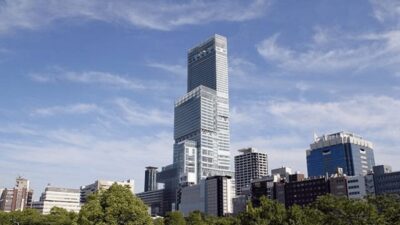 ★ 4.2Osaka: Abeno Harukas 300 Observatory E-TicketFrom $3169 reviews
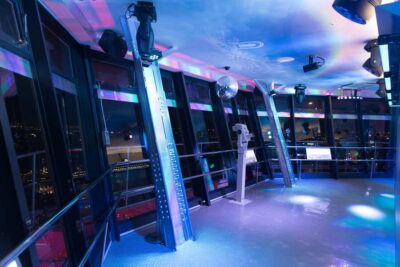 ★ 3.8Osaka: Tsutenkaku Tower Entry TicketFrom $8125 reviews
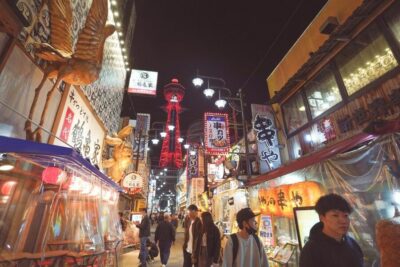 ★ 4.7Osaka: Local Foodie Tour in Dotonbori and ShinsekaiFrom $10895 reviews
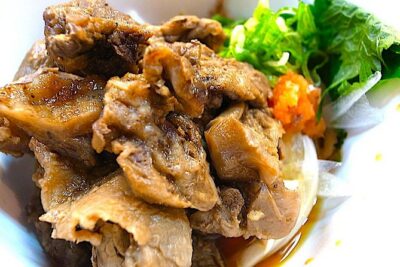 ★ 4.5Retro Osaka Street Food Tour: ShinsekaiFrom $21777 reviews
 ★ 4.5Osaka: Shinsekai Food Tour – 13 Dishes at 5 Local EateriesFrom $7929 reviews
 ★ 5.0Night Soul Food Tour in Shinsekai with a local guideFrom $8528 reviews
 ★ 5.0Osaka Morning Tour: Shitennoji Temple, Shinsekai &DoutonboriFrom $7423 reviews
Also worth a look in