
REVIEW · OSAKA SAMURAI, NINJA & KENDO EXPERIENCES
Osaka: Samurai Training Experience KENDO in Osaka
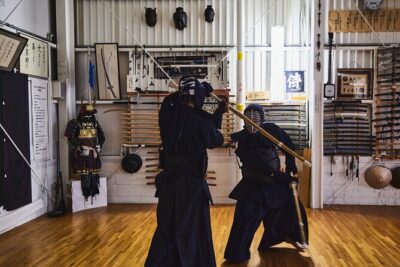
Two hours, full armour, real Kendo etiquette. This Osaka class is built for beginners, yet it still feels like actual training in a real dojo, not a tourist costume stop. You’ll start with Samurai history and Reiho etiquette, then gear up in Dōgi and Hakama before trying Shinai basics with a patient English-speaking instructor.
I love wearing the full protective armour (Men, Kote, Dō, and Tare) because it changes how you learn. You can actually practice with confidence, and it feels respectful of the martial art. I also love the step-by-step teaching approach, from posture and footwork to match-style sparring, with corrections that fit your level.
One possible drawback: this is a workout. Even if you are new, your legs and feet will work, and you will feel it afterward.
Key things I’d bank on
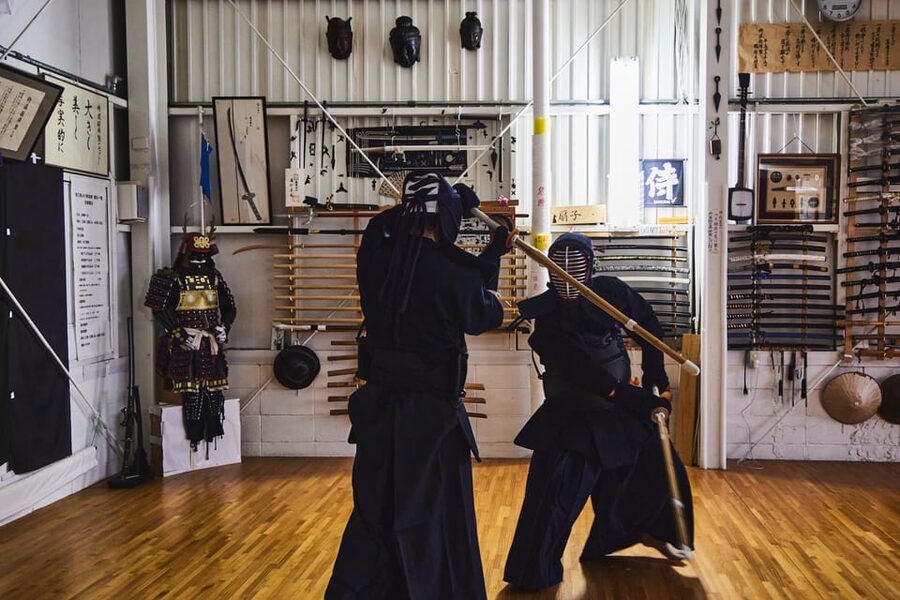
- Full bogu, not partial cosplay: Men, Kote, Dō, and Tare plus a Shinai
- Reiho taught early: etiquette matters as much as technique
- Beginner-friendly paired practice: you learn basics, then you test them
- Match-style sparring time: timing and focus, not just strength
- Photo session in an authentic dojo: Samurai props with proper gear
Getting Into the Dojo: What a 2-Hour Kendo Session Really Gives You
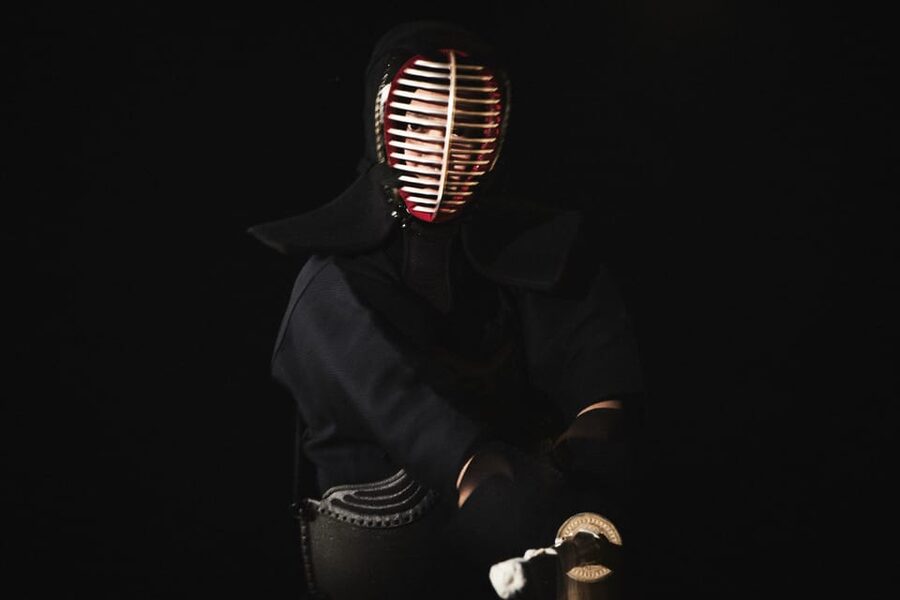
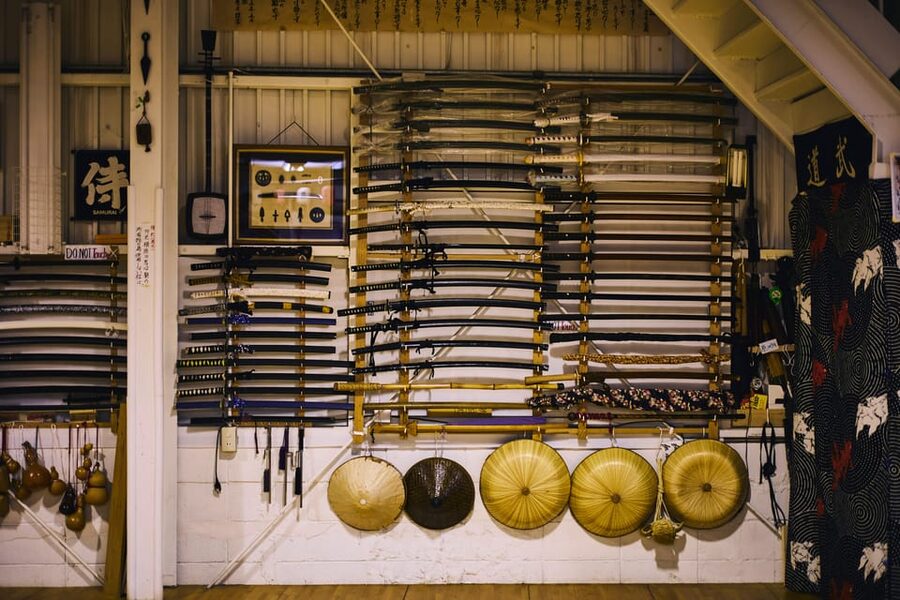
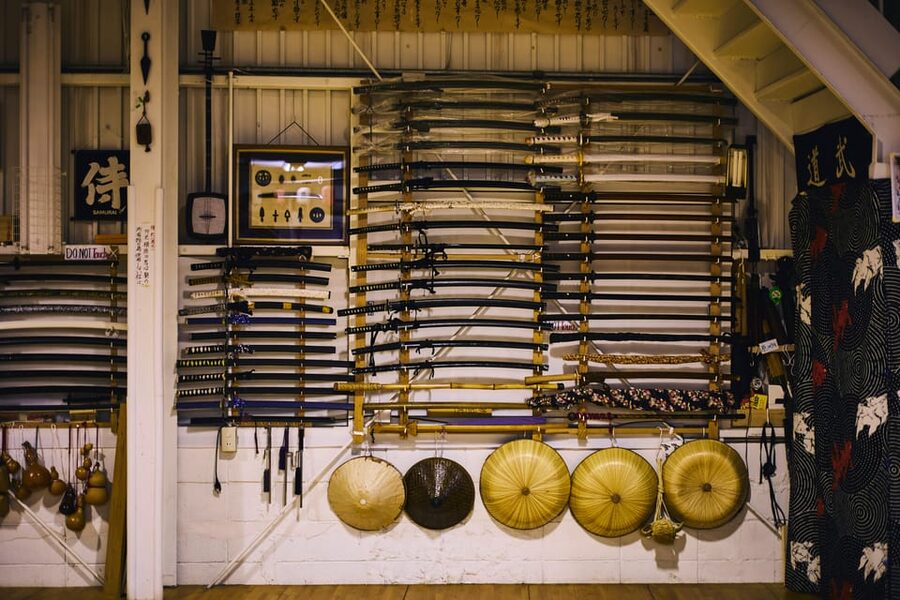
This experience is Osaka City Kendo training inside a genuine Samurai dojo, and that matters more than you’d think. Kendo has a culture built around discipline and respect, so walking into the space with the right etiquette sets the tone fast.
The schedule is tightly packed for a reason. You get short history and rules, then you gear up and train right away. And because the session is two hours, you are not stuck in lectures for the whole time.
If you want a passive look at Samurai life, this is not that. You are going to move, learn protocols, and take part in sparring that follows Kendo rules.
More time in the dojo
History, Bushido, and Reiho: The Etiquette Part You’ll Feel in Your Body
You begin with a focused introduction to Kendo history and how it connects to Bushidō, the way of the warrior. It’s not delivered like a textbook. It’s framed around the idea that Kendo is about self-control, mutual respect, and clear focus.
Reiho, etiquette, is treated as part of the training, not an optional extra. You learn why the bowing and formal conduct exist, and then you apply it in how you line up, move, and spar. When you do that, the techniques start to make sense as more than just strikes.
From my perspective, this is one of the smartest parts for first-timers. If you understand Reiho, you feel safer, and the instructors can correct you without confusion.
From Street Clothes to Bogu: Dōgi, Hakama, Men, Kote, Dō, Tare
Then comes the best moment for many people, putting on the traditional gear. You’ll wear Dōgi and Hakama, plus full protective armour including Men, Kote, Dō, and Tare. It looks dramatic, but the practical result is big: you can train with less worry about accidental injury.
Getting dressed is also where you get your first safety reminders. You learn how to hold yourself, how the armour should sit, and what the Shinai rules are in the dojo environment.
A small but important detail: the class asks you for your height, weight, and gender so the fit is more comfortable and safer. If you can, send that information before you go.
Shinai Basics, Footwork, and Safety Rules Before You Go Hard
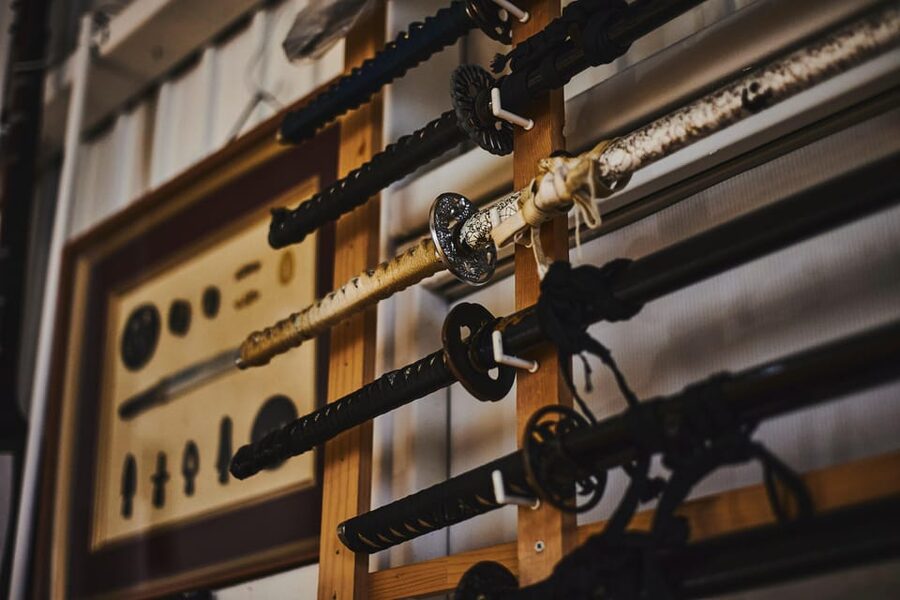
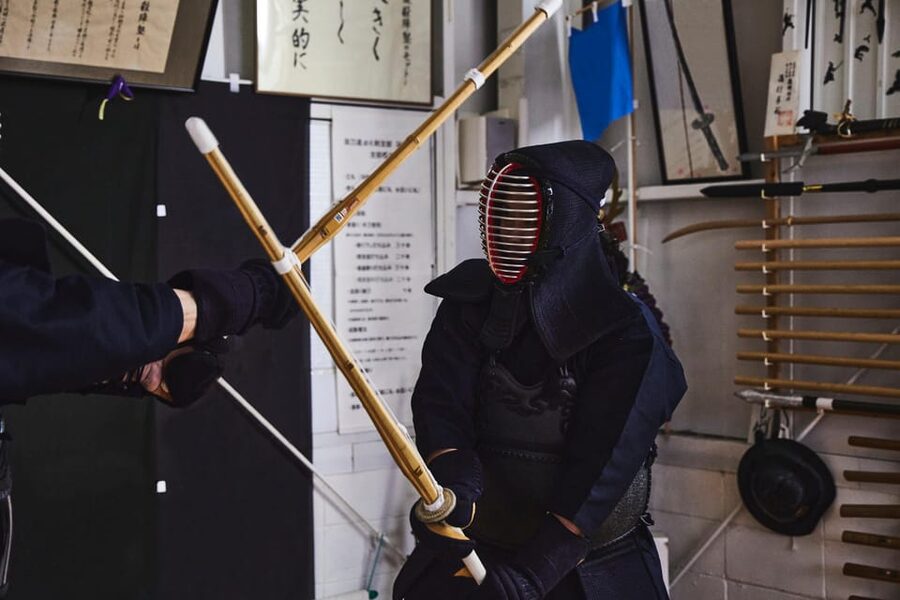
After the gear goes on, you handle a Shinai and start with the fundamentals. Expect posture work first, then footwork, then how to manage distance and timing. It is basic, but it is the foundation for everything that comes later.
Safety is emphasized. You don’t just swing a bamboo sword and hope for the best. You get guidance on what is allowed, what to avoid, and how to train with control.
What makes this useful for you, even as a total beginner, is that the instructors teach the why behind each movement. You learn what to look for so your sparring later feels more like applying skills than randomly reacting.
Paired Practice and Match-Style Sparring: Timing Over Muscle
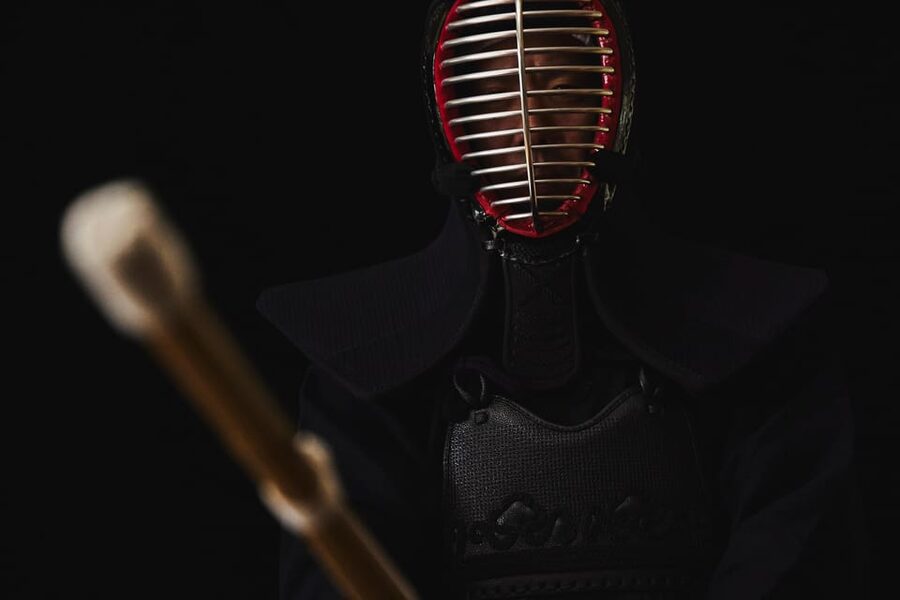
Once you’ve practiced the basics, you move into paired training and a match-style experience. This is the part where many people realize Kendo is more athletic than it looks.
The sparring focus is not about raw strength. You’ll work on timing, spirit, and focus, with rules that keep it structured and respectful. You may spar with other participants, and the instruction team can adjust intensity based on your level.
If you have prior martial arts experience, you’ll likely pick up faster, and you can enjoy the intensity. If you don’t have any background, you’ll still get a challenge, just with guidance and pacing.
Also, the tone is important. Instructors are patient and make sure you can follow along, so you’re not left feeling lost while everyone else moves on.
Samurai Photo Session in a Real Dojo: How to Get Shots You’ll Actually Use
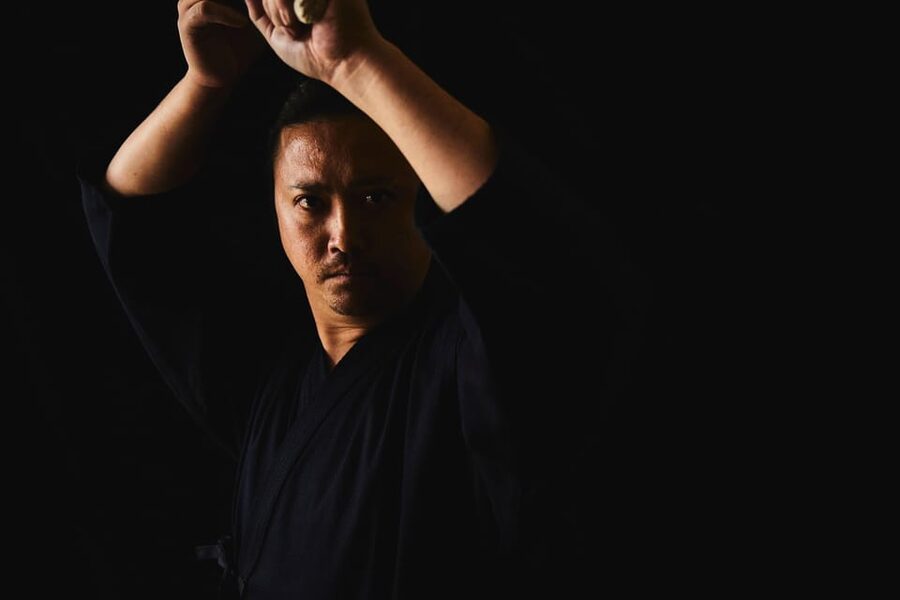
You finish with Samurai photos inside an authentic dojo. You’ll be in Kendo gear with Samurai-style props, so your pictures look like a real cultural moment, not a green-screen act.
This is your chance to slow down and get portraits from different angles, since the dojo setting has the right atmosphere. If you like photos, this part is the payoff that makes the training feel like a full story, not just an activity.
Practical tip: wear your gear comfortably, keep your shoulders relaxed during breaks, and ask for guidance if you want action shots. The team typically helps take pictures during the session, so you can focus on posing and movement.
Price and Value for $127: Is It Worth Two Hours?
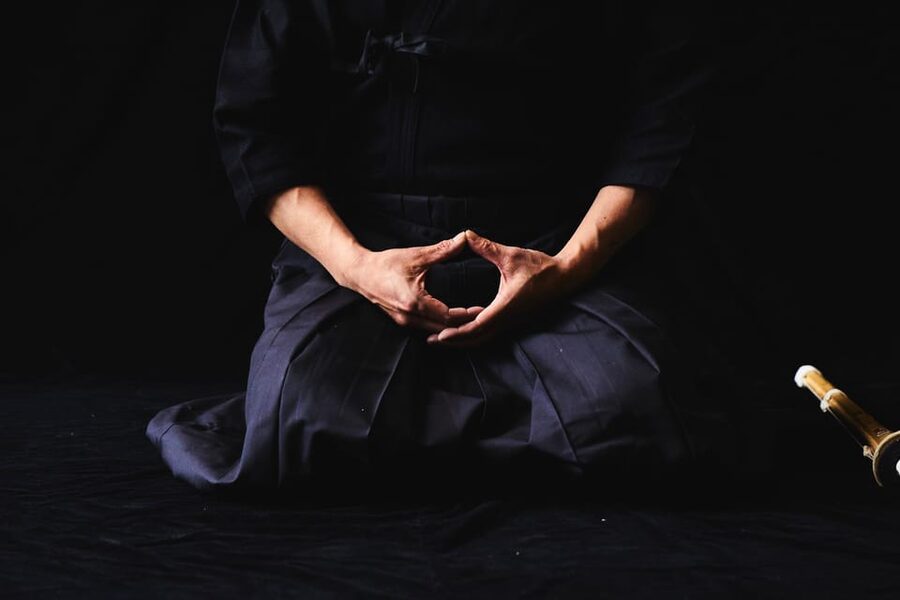
At $127 per person for a two-hour class, the value comes from what’s included. You are not just paying for access to a room, you’re paying for instructor time, training progression, and the gear setup that lets you practice safely.
You get:
- Instruction on history, Bushidō context, and Reiho etiquette
- Traditional outfit (Dōgi and Hakama)
- Full protective armour (Men, Kote, Dō, Tare)
- Shinai training, paired practice, and match-style sparring time
- A Samurai photo session
For context, you’d normally pay for multiple things separately in Japan. Here, it’s bundled into one guided session that actually leads somewhere. If you are the type who enjoys doing one memorable, hands-on activity instead of squeezing in another photo stop, this price usually feels fair.
Who This Osaka Kendo Class Fits Best (and Who Should Skip It)
This Kendo experience is designed mainly for beginners and first-time participants. If you are curious about Samurai culture, anime-inspired sword arts, or Japanese martial traditions, you’ll be in the right place.
It is also suitable if you are active but not athletic. You will work, but the instruction is structured and corrections are offered so you can participate at your level.
Two big boundaries to know:
- You cannot try Kendo if you are over 75. Those over 76 are viewing only.
- Children under 2 cannot try. Children aged 3 to 5 are mainly doing photos and gear try-ons, so they won’t get the full adult training experience.
Wheelchair access is listed, so if you use a wheelchair, this is a good option to ask about for how the space and steps work on the day.
Quick Practical Tips for Osaka: What to Bring and How to Prepare
Bring drinks. That’s the one explicit item you’re told to pack, and it’s smart since you’ll be sweating in armour.
Wear comfortable clothing you can change out of quickly. You will be getting dressed in Dōgi and Hakama, and the session timing is tight, so smooth transitions help.
Plan to go in with an open mind about etiquette. Kendo is disciplined, and the bowing and formal rules are part of the learning. If you treat it like a real dojo practice, the experience will feel more authentic and less rushed.
If you are worried about your stamina, prepare mentally for leg fatigue. Even beginners often find the footwork and movement are the hardest part.
Should You Book This Samurai Training in Osaka?
Yes, you should book it if you want more than photos. This class is built around real training flow: history and Reiho first, then proper gear, then controlled practice that ends with match-style sparring. The Samurai photo session in an actual dojo is a great bonus, not the main event.
Skip it if you want a low-effort cultural taste. This is hands-on and physical, and it is not set up as a gentle performance.
One last decision tip: if you are traveling solo, going with a partner, or bringing a small group, the two-hour structure works well because you get time for coaching and practice without long downtime.
If you want a memorable Osaka activity that combines Japanese values with real movement, this is one of the most straightforward choices.
FAQ
How long is the Kendo experience?
It runs for 2 hours.
How much does it cost?
The price is $127 per person.
What’s included in the session?
You get a lecture about Kendo, you wear Kendo uniforms and protective armour, training with an experienced English-speaking instructor, and a Samurai photo session.
Do I need any prior Kendo or martial arts experience?
No. The programme is mainly designed for beginners and first-time participants.
What should I bring?
Please bring drinks.
Are alcohol or drugs allowed?
No, alcohol and drugs are not allowed.
What are the age limits for trying Kendo?
Guests over 76 cannot try Kendo and are for viewing only. Children under 2 cannot try Kendo.
What do children ages 3 to 5 do?
For ages 3 to 5, the programme mainly focuses on wearing uniforms, trying on armour, and taking photos.
What languages are used?
Instruction is available in English and Japanese.
Is it wheelchair accessible?
Yes, wheelchair accessibility is listed for this experience.
Is cancellation free?
Free cancellation is available up to 2 days in advance for a full refund.
More Tour Reviews in Osaka

More Hours in the Dojo

Latest out of Osaka


Osaka Samurai, Ninja & Kendo Experiences, side by side.
 ★ 5.0Samurai Training Experience KENDO in OsakaFrom $131515 reviews
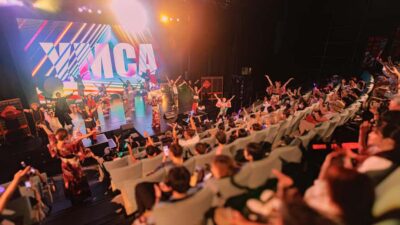 ★ 4.8OSAKA NIGHT FUSION Japanese Taiko Kabuki Samurai Dance ShowFrom $40155 reviews
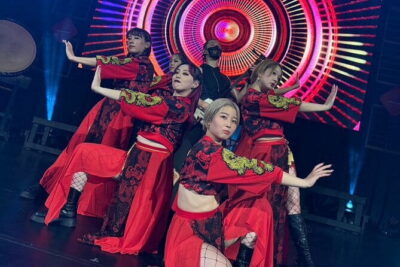 ★ 4.5Osaka: A Modern Samurai, Kabuki, Taiko, & Dance ShowFrom $1966 reviews
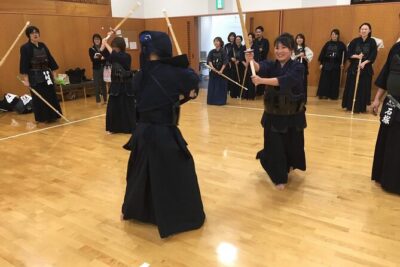 ★ 5.0Osaka 2-Hour Genuine Kendo / Samurai Experience In JapanFrom $11865 reviews
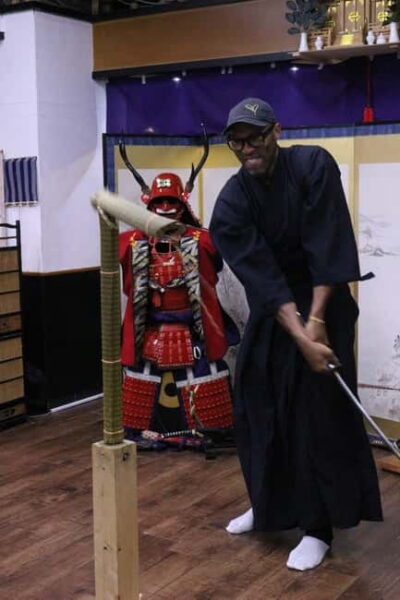 ★ 4.9Osaka: Learn Bushido – Trial Slashing with Samurai SwordFrom $9259 reviews
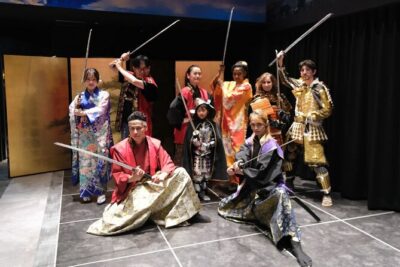 ★ 5.0Samurai Show, Tea Ceremony, Japanese Traditional ActivitiesFrom $4456 reviews
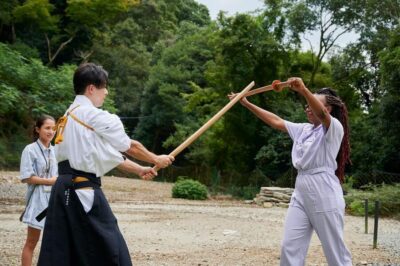 ★ 5.0Osaka: Private Samurai Experience – Train with Sword MasterFrom $15836 reviews
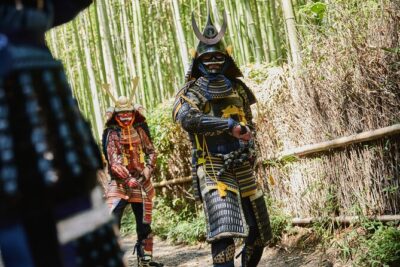 ★ 5.0Honor – Experience Samurai & traditional Culture to the fullestFrom $18132 reviews
Also worth a look in