
REVIEW · TEA CEREMONY & MATCHA SESSIONS IN OSAKA
Samurai Show, Tea Ceremony, Japanese Traditional Activities
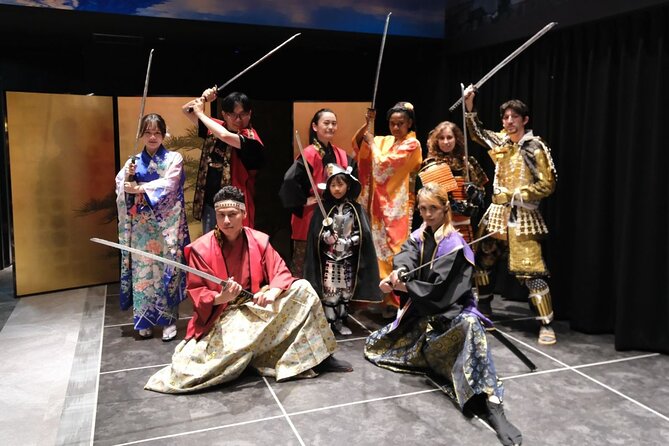
A samurai show plus tea, in one session. This Osaka experience strings together samurai performance, hands-on tradition, and live music in a single, organized program that runs about 2.5 hours. It is built for learning by doing, not just watching.
What I like most is the mix of tea ceremony skills plus calligraphy practice, so you leave with more than photos. I also like that the program stays active, with music stations and a staged samurai segment that lets you try moves safely.
One thing to consider: the classic costume experience is not automatically included. Samurai armor, kimono, and ninjya are listed as not included, so plan on extra costs if you want the full look.
Key Points You Can Use Before You Go
- Hands-on tea ceremony and calligraphy, not just a talk, so you actually practice the motions
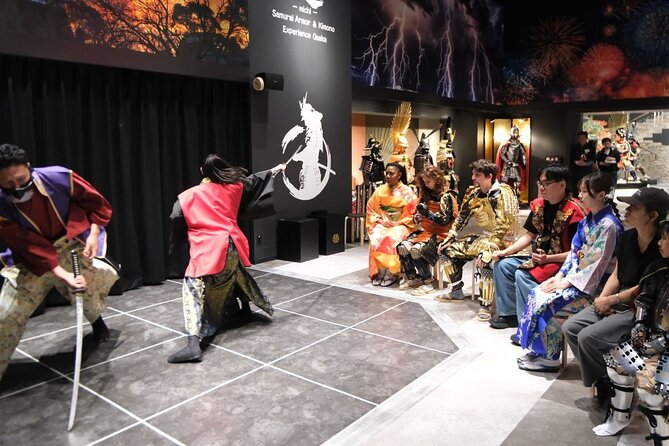
- Samurai performance with practical participation, plus a non-lethal, staged sword-move experience
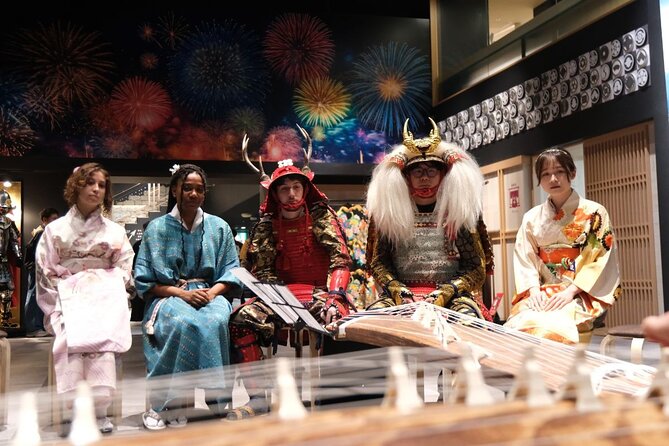
- Traditional music you can try, including instrument practice stations during the show flow
- Small group size (max 20), which usually means easier help with timing, instructions, and photos
- An indoor-friendly format, a big plus when Osaka weather turns rainy
- Start at Shinsaibashi area, with the tour ending back near where you meet
Samurai Armor and Culture in Osaka: How the Whole Experience Works
This is the kind of activity I recommend when you want a focused chunk of Japanese culture without juggling multiple stops across town. The schedule is designed like stations inside a big facility: you move through short performances and then switch into interactive workshops.
You start near Shinsaibashi, then work through the program in a set order. The heart of it is a samurai segment plus two traditional classes, tea ceremony and calligraphy. Around that, you also get traditional music and a chance to play instruments with guidance.
It runs about 150 minutes for the main show block, and the overall duration is listed at roughly 2 hours 30 minutes. That makes it ideal if you want a half-day plan that feels substantial, without ending your evening in a rush.
Quieter hours: more tea rooms
Where You Start: Shinsaibashi to Dotonbori, Then Back Again
Your meeting point is listed as Shinsaibashi ARTY Inn, 2-chōme-17-3 Nishishinsaibashi, Chuo Ward, Osaka, 542-0086, Japan. The tour description also references Dotombori as a stop point, which makes sense since Shinsaibashi and Dotonbori are close enough to treat as one area for an afternoon plan.
The good part for your planning brain: the experience ends back at the meeting point. That means no need to figure out a second location or coordinate a late return.
The format also says near public transportation. In Osaka, that is a practical win. You can build this into your itinerary even if you are bouncing between Namba, Shinsaibashi, and other city neighborhoods.
Value Check: What $44.92 Really Buys You
At $44.92 per person, you are paying for multiple components in one package. The included items are:
- tea ceremony experience
- calligraphy experience
- traditional Japanese music
- samurai performance
That is a lot of “different things” for one ticket. It matters because you are not just paying for a show, you are paying for hands-on time in more than one tradition.
The main caveat is that the costume add-ons are not included. Samurai armor, kimono, and ninjya are explicitly listed as not included. You can still have a great experience without dressing up, because the core activities are the tea, calligraphy, and performance segments. But if you want the full costume look, you should expect an upgrade cost.
The reviews heavily emphasize the staff helping people move through stations and make sense of what is going on. That kind of on-the-ground support can be the difference between a fun afternoon and a confusing one, especially if your Japanese is limited.
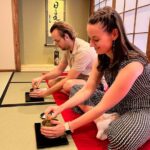
Tea Ceremony Workshop: Learning the Motions and the Mindset
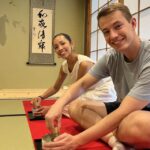
The tea ceremony is one of the most rewarding parts of this experience because it is practical. You get taught the motions and the process, rather than just watching from a distance.
In Japan, tea is not only a drink. It is timing, posture, and focus. A good tea ceremony lesson helps you understand that without requiring you to memorize a script. The program here is designed to be approachable for most people, and the hands-on structure shows up in the feedback: people talk about learning how to do it correctly and making their own green tea.
When this is run well, you also learn little etiquette details that make you feel less like a tourist doing a checklist. That is what turns tea from a “cute activity” into something that actually makes you appreciate the craft.
Tip: go in with a relaxed mindset. Tea takes a moment. If you treat it like a photo op, you miss the point.
Calligraphy Practice: Making Something Personal
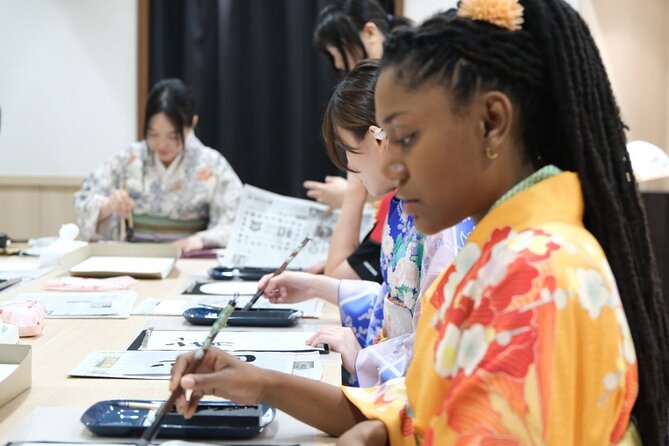
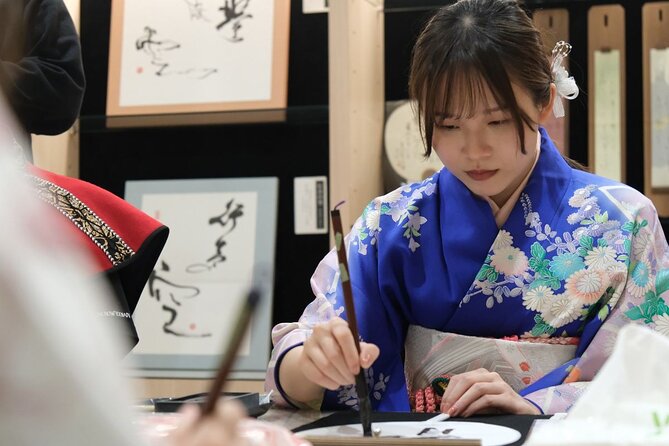
Calligraphy is included, and that is another big reason this ticket feels like more than a single performance. Calligraphy lessons give you a physical result you can hold, so the memory sticks.
The reviews mention taking home a personalized item, such as a fan connected to the calligraphy activity. Even if your exact final souvenir varies by session, the key idea stays the same: you practice strokes and you get guidance so you finish with something you can be proud of.
Calligraphy also plays nicely with travelers who might not feel confident with music or sword-move participation. You can participate at your own pace, and the instructions tend to be visual and step-by-step.
If you like learning through repetition, this portion is a good match. Expect you will spend some time getting the basics right before you write your final piece.
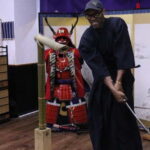
More time in the dojo

Samurai Show and Sword-Move Practice: Fun With a Safety Lesson
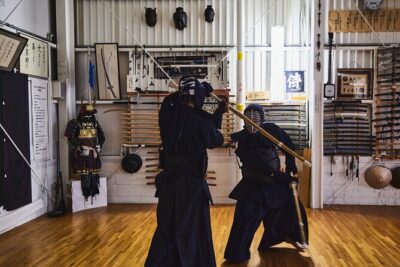
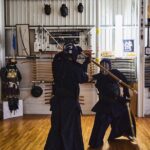
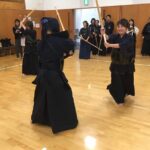
This is where the afternoon gets loud and playful. The samurai performance is staged, and you do not need to worry about real swords. Reviews specifically reassure people that it is safe and not actually a fight.
What makes this segment work is the mix of showmanship and participation. Instead of treating you like you are outside the action, the instructors guide you through simple moves and then turn it into something you can join in on.
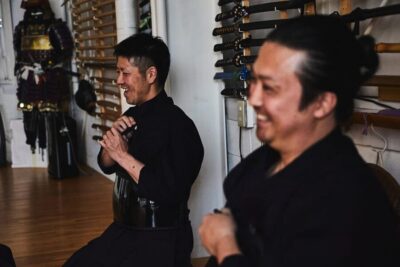
Some feedback calls out humor from the person running the training portion, including a reaction from kids who enjoyed the playful style. That matters because a samurai segment can easily become too serious for visitors. Here, the vibe is friendly and energetic.
One balanced note: a few people felt the samurai part was less strong or felt like reproductions. That does not mean it is bad, but it helps you calibrate expectations. Think of it as a fun, educational performance with safe props, rather than an ultra-historical reenactment.
If you want the big emotional payoff of samurai theater, this section delivers. If you want museum-grade detail, you may find it more entertainment than academic.
Traditional Japanese Music Stations: Trying Instruments, Not Just Listening
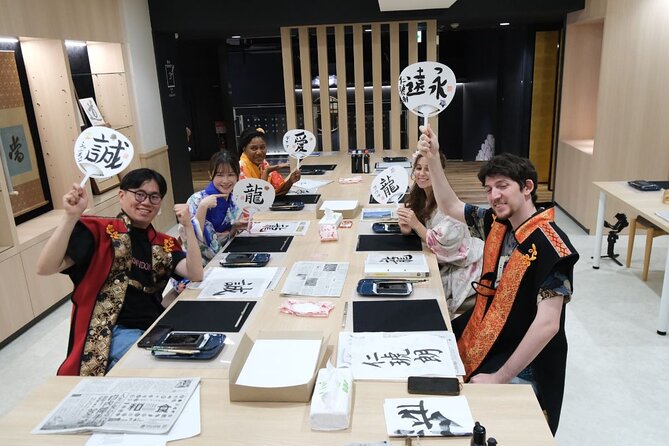
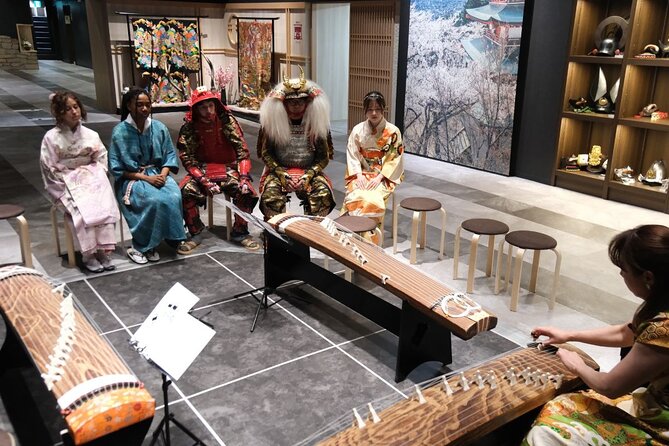
The music portion is not only passive. You get to practice instruments, and people mention trying multiple instruments during the show flow.
This is one of those experiences that makes sense because sound is hard to “explain” correctly from a seat. When you are able to try even basic playing motions, you suddenly understand why the instruments are shaped the way they are, and why technique matters.
In reviews, people mention being taught to play and even still working on it afterward, like trying to master a flute later. That is a strong sign the instruction was clear enough to translate into your own practice.
The music stations also give variety to the itinerary. After tea and calligraphy, your brain gets a chance to reset into something more physical and louder.
Costume Dreams: What’s Included and What Costs Extra
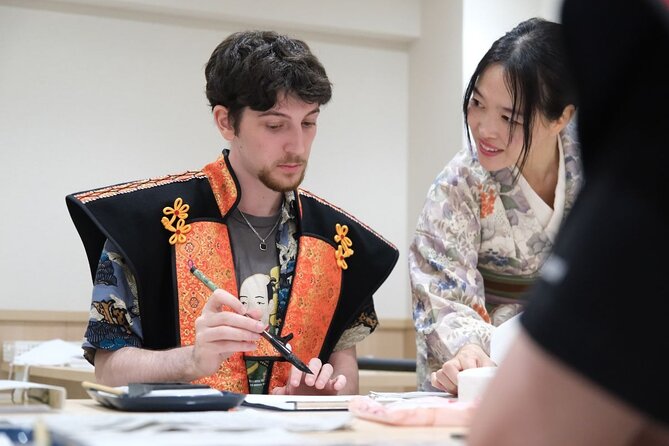
Samurai armor, kimono, and ninjya are listed as not included. That means your base ticket is for the cultural activities and performances, not for dressing up.
However, upgrades may be available. One review mentions a kimono upgrade for 5,000 yen, and another notes an option to dress in samurai attire. So if costume photos matter to you, look for the on-site upgrade options when you check in.
Also, think about practical details. Costumes can add time and complexity to your day. If you are short on time or you hate waiting, stick to the included activities. If you want the full picture and you do not mind taking it slowly, a costume upgrade can be worth it.
Either way, you can still have a complete, satisfying visit because the included content is the tea ceremony, calligraphy, and music plus the samurai show.
Timing and How to Plan Your Afternoon
The overall program is about 2 hours 30 minutes, with the main performance block described as about 150 minutes. Reviews include sessions that felt closer to 3.5 to 4 hours, which suggests some people choose extra activities like costume time or spend extra time at the workshops.
So I recommend budgeting around 3 hours if you want a no-stress pace. If you show up ready to move quickly, the official timeline should feel fine. If you want time for questions and photos between stations, build in a little buffer.
One more practical perk: the experience is described as happening in a big facility indoors. On rainy days, that is a comfort. Indoors also helps with consistency, so you are not wondering if weather will derail your day.
Staff and Instruction: Why This Feels Easier Than It Sounds
A lot of the positive feedback focuses on staff friendliness and support. People call out that interpreters help with Japanese language questions, and that staff guide you through the stations.
Names like Yui and Miyu come up in staff responses, which is a nice detail because it signals consistent recognition of particular team members. In other words, this is not just a performance desk, it is a working crew.
The best part is that help seems embedded into the flow. Reviews describe English support and assistants helping take photos and keep the timing moving. For you, that means less confusion and fewer moments where you stand around wondering what happens next.
Who Should Book This Samurai, Tea, and Calligraphy Experience
This experience is a good fit if:
- you want a single afternoon program with multiple cultural activities
- you prefer doing hands-on workshops, not only watching shows
- you are traveling with mixed ages, since reviews mention enjoyment for kids and grandchildren
- you want something indoor-friendly in Osaka, especially if your schedule is flexible for weather
You might skip or adjust expectations if:
- you are chasing a highly academic, historically precise reenactment
- costume dressing up is a must and you do not want to pay extra upgrades
Should You Book? My Practical Take
Yes, I think you should book this if you want an active, guided cultural afternoon in Osaka for a reasonable price. For $44.92, you get several included experiences, and the structure is built so you participate in tea ceremony, calligraphy, and a performance plus music stations. That combo is hard to match with separate tickets.
The choice hinges on one thing: do you want costume upgrades? If you are fine with hands-on cultural activities without armor or kimono, the base ticket is already strong value. If costume photos are your top priority, plan for extra costs like a kimono upgrade, which at least one reviewer paid for.
If you want a rainy-day plan that is still fun and structured, this is a solid pick.
FAQ
How long is the Samurai Show, Tea Ceremony, and Japanese Traditional Activities?
The duration is listed as about 2 hours 30 minutes. The traditional music and samurai performance portion is described as about 150 minutes.
Where do I meet for the experience?
You meet at Shinsaibashi ARTY Inn, 2-chōme-17-3 Nishishinsaibashi, Chuo Ward, Osaka, 542-0086, Japan.
Is there a mobile ticket?
Yes, the tour features a mobile ticket.
What is included in the ticket price?
The included activities are tea ceremony experience, calligraphy experience, traditional Japanese music, and a samurai performance.
What is not included?
Samurai armor, kimono, and ninjya are listed as not included.
How big is the group?
The experience has a maximum of 20 travelers.
Is it easy to reach from public transportation?
Yes, the meeting point is described as near public transportation.
What should I do about rain or bad weather?
The experience requires good weather. If it is canceled due to poor weather, you will be offered a different date or a full refund.
What is the cancellation policy?
Free cancellation is available up to 24 hours in advance of the experience start time for a full refund. Cancel less than 24 hours before the start time and the amount paid will not be refunded.
Will I get confirmation after booking?
Yes, confirmation will be received at the time of booking.
More Tour Reviews in Osaka



More Hours in the Dojo


More Tea Rooms Worth Booking


Latest out of Osaka


Tea Ceremony & Matcha Sessions in Osaka, side by side.
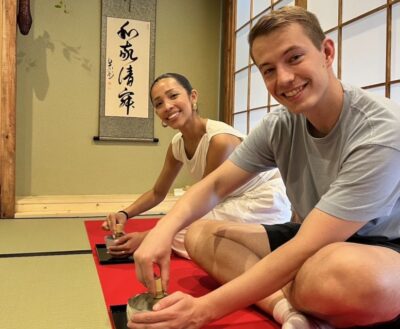 ★ 4.9Osaka: Tea Ceremony ExperienceFrom $251,426 reviews
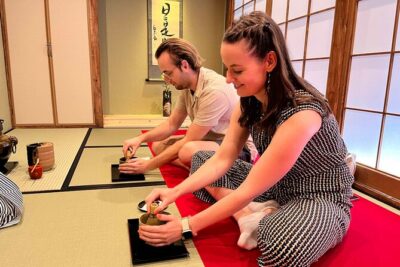 ★ 5.0Tea Ceremony Experience in Osaka DoutonboriFrom $20754 reviews
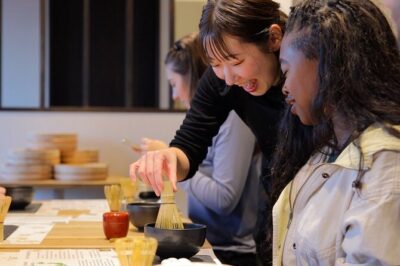 ★ 5.0Matcha Making Class in Osaka with Authentic Japanese Sweets SetFrom $21509 reviews
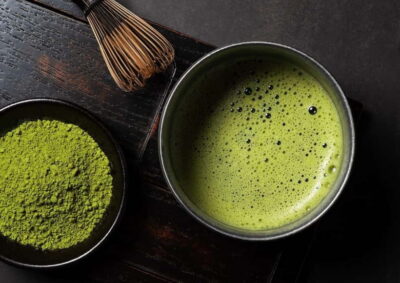 ★ 5.0Osaka: Matcha Making Experience with Japanese SweetsFrom $22146 reviews
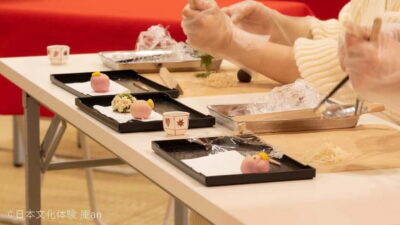 ★ 4.7Osaka: Japanese Traditional Sweets Making and Tea CeremonyFrom $18118 reviews
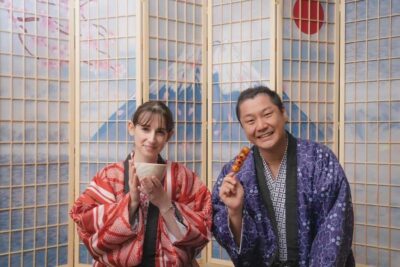 ★ 4.9Osaka Temple Cool Foot Bath & Matcha Experience〈45min〉From $3482 reviews
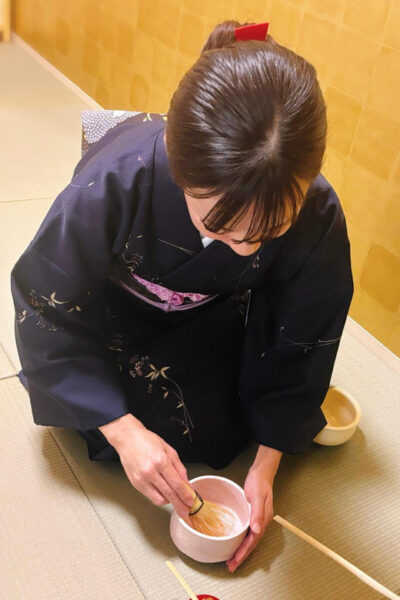 ★ 5.0Osaka: Private Tea Ceremony and Calligraphy ExperienceFrom $6450 reviews
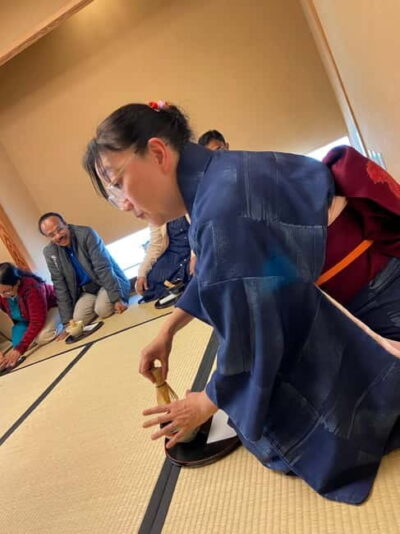 ★ 4.9Osaka; Japanese Tea ceremony experience, Macha and SenchaFrom $2529 reviews