
REVIEW · OKONOMIYAKI & TAKOYAKI EXPERIENCES
Osaka Cooking Class: Okonomiyaki &Japanese cuisines experience
Eating okonomiyaki feels easy. Learning it in Osaka hits different. This small-group cooking class in Cooking Class YAYO keeps things hands-on, in a local apartment, and focused on the dishes that define Japanese comfort food in the city.
Two things I really like: you get real hands-on coaching while you cook, and you leave with a full meal you made yourself. One thing to consider is that the studio is small, so you need to arrive on time, because late arrivals may not be able to join.
The best part for me is the host, Yayo, because she explains what matters in each dish in clear English and keeps the pace friendly. You also get a chance to understand the why behind the food, not just the steps.
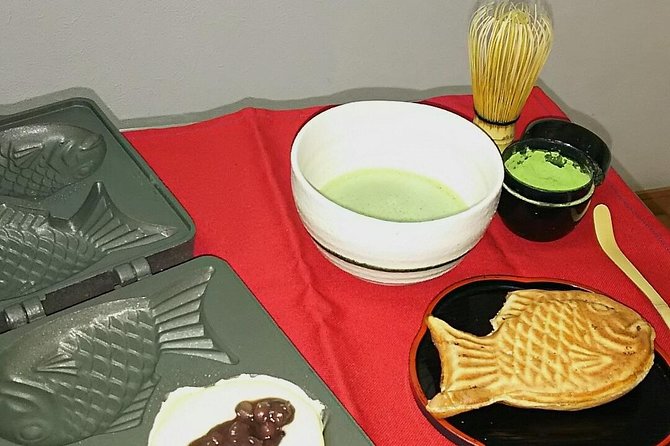
My other favorite detail is the overall structure: miso soup first, then takoyaki, then okonomiyaki, finishing with taiyaki and matcha tea. That arc makes you feel like you learned a whole mini meal, not random recipes.
Here is the only real drawback: you are cooking in someone’s home kitchen, which means space is limited. If you are expecting a big, hotel-style classroom, this is the opposite, and you will want to keep your group space in mind while you work.
Key highlights worth your attention
- Small group, max 8 people so you get personal attention while you cook
- Yayo’s English instruction with guidance while you handle ingredients and tools
- Miso soup technique focus where small differences can change the result
- Three core dishes: miso soup, takoyaki, and okonomiyaki, plus you eat what you cook
- Optional beer and sake pairing during the meal for a more complete food experience
- Taiyaki and matcha tea to close out the class with something sweet
Why Osaka cooking tastes better when it is made at home
Osaka is one of Japan’s top food cities for a reason. The city’s food culture is bold and practical, and that energy shows up in everyday dishes like okonomiyaki. What makes this class special is that it treats those classics like real skills, not just tourist snacks.
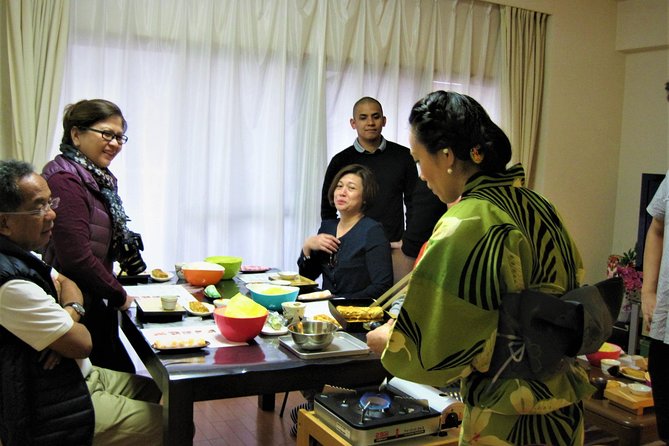
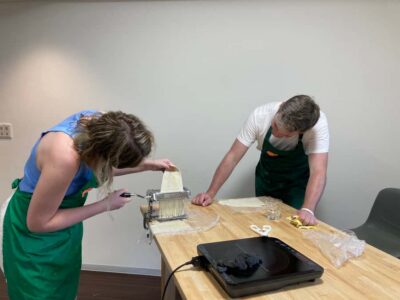
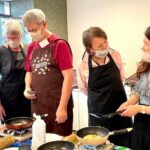
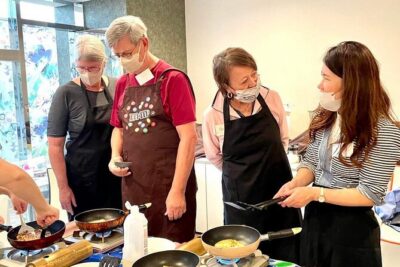
Cooking in a local home also changes the vibe. You are not just watching someone else work. You are standing at the station, following the rhythm of a real meal, and learning how Japanese cooking actually gets done in kitchens that are sized for daily life, not big show kitchens.
And because the class is limited to eight people, the teacher can correct your technique and answer questions without rushing you. That matters a lot for dishes where timing and texture are everything, like miso soup.
More time at the hot plate
Finding the meeting point and keeping your day unhurried
You start outside Noda Station in Osaka, then you move on to the cooking studio. The meeting point is easy to reach by public transportation, so you do not need a complicated route plan.
This is not a hotel pickup tour. That means you control your schedule, but you also need to show up ready. The class has a strict sense of timing, and participation cannot be guaranteed if you arrive more than 10 minutes late.
If you are stacking plans the same day, I recommend giving yourself breathing room around the start time. Osaka has plenty of transit connections, but stations can feel busy, and you want your attention on cooking, not sprinting.
Miso soup first: the lesson hidden in plain sight
The class begins with miso soup, and this is not just warm comfort food. It is also a technique lesson. You learn that subtle differences in how you handle the process can make a big difference in the final dish.
What I love about starting here is that miso soup teaches a mindset you can use for everything else: pay attention to balance, don’t treat it like a set-and-forget recipe, and respect the way ingredients interact once heat is involved.
You will be guided as you prepare it, with ingredients and utensils handled as part of the experience. That makes the class approachable even if you have never cooked Japanese food before.
Takoyaki: learn texture and timing with hands-on coaching
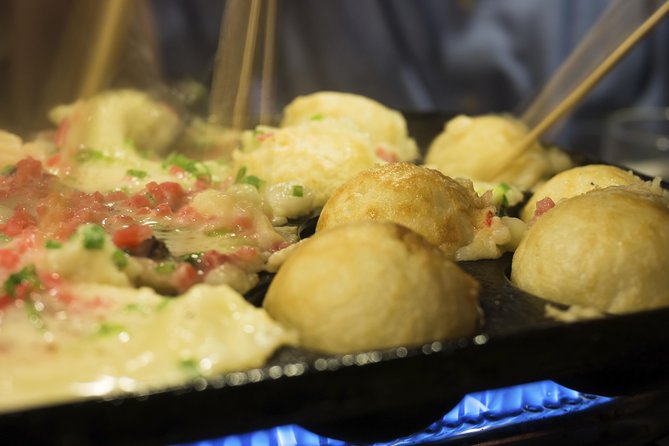
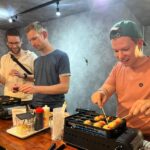
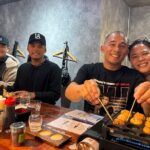
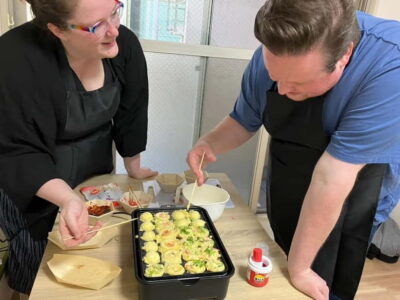
Next up is takoyaki, the deep-fried octopus ball style that Osaka is famous for. In this class, you do not just assemble or taste, you cook. You learn the process using a wheat flour batter and learn how it comes together around stuffed octopus.
Takoyaki is a great lesson dish because it forces you to pay attention. The batter needs to cook properly, and the shape matters. You also get instant feedback because you can see progress in front of you, not just after the fact.
This is where the small-group size helps. With fewer people, Yayo can watch what each person is doing and guide you toward the right technique while you are still in the middle of cooking.
Okonomiyaki: Osaka’s savory pancake as a real cooking skill
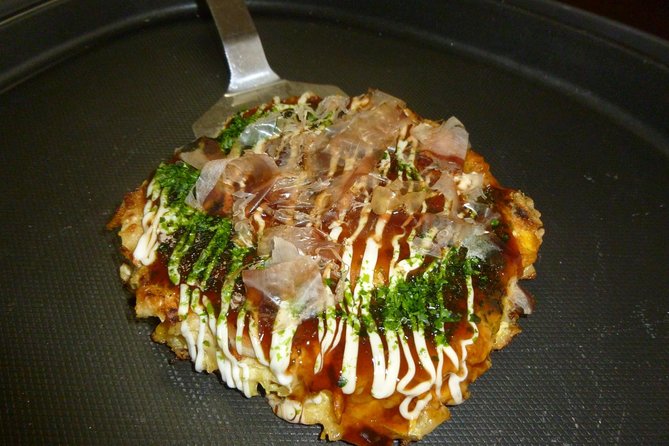
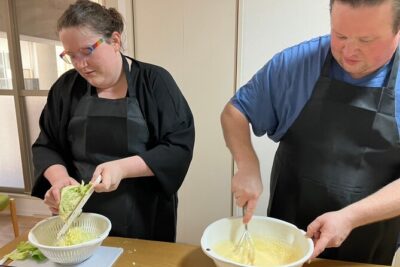
Then you move to okonomiyaki, a filling pancake built from egg, flour, cabbage, pork, and dried bonito flakes. It is a signature Japanese dish, but it is also a great skill builder because it is all about combining ingredients with the right cooking approach.
In class, you learn how to put it together and how to handle it as it cooks, not just the ingredient list. You also learn why certain elements matter. That context is what makes you more confident when you try making it at home later.
Okonomiyaki can be easy to order in Osaka, but learning it properly makes you understand what makes a good version taste like a real one. That is the difference between eating and learning.
More kitchen tables to sit at
What you actually eat, and why the meals matter
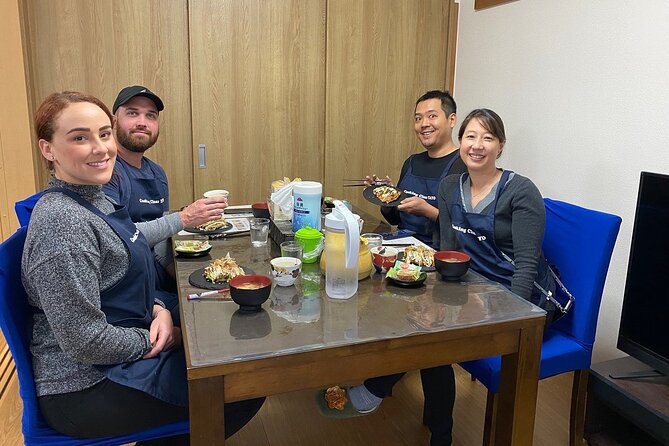
A big value point here is simple: you eat what you cook. Lunch or dinner is included, depending on the class timing you book, and the meal is part of the experience, not an afterthought.
You are not doing a quick demo where you taste a bite and leave. You finish cooking, then you sit down and enjoy. And based on the way the class is structured, it is filling. Plan your hunger around it.
If you like trying a few classic dishes but do not want to hop from one restaurant to another, this is an efficient way to get variety in one sitting. You get miso soup, takoyaki, okonomiyaki, and then you finish with sweets.
Optional sake and beer pairing that fits the food
You can add an optional beer and sake pairing. If you choose it, the tasting happens alongside your meal, which keeps things relaxed and food-led.
This is a smart upgrade if you want the class to feel like a full Japanese dinner experience, not just a cooking workshop. Alcohol pairing is not required, but it can add extra context to how these flavors work with classic comfort foods.
If you skip it, you still get a complete meal. So consider your choice based on how you like to travel: some people want food and technique only, others enjoy tasting a little extra.
Taiyaki and matcha tea: the sweet finish you should plan for
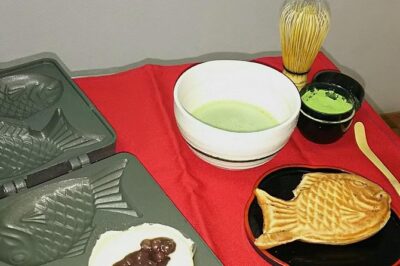
Before you leave, you get taiyaki (fish-shaped cake) and matcha tea. It is a traditional way to close a meal, and it also gives you a quick taste of another Japanese staple beyond savory dishes.
This part is easy to overlook if you book dinner plans after. I suggest leaving space. Even if you think you will not be that hungry, the cooking portion is active, and the food adds up fast.
A final tea also makes sense here. Matcha is a clean, earthy counterpoint to savory pancakes and fried bites, so it helps the meal feel complete instead of just heavy.
Dietary needs: what you can request in advance
If you eat vegetarian or pescatarian, you can request options at the time of booking. That is a meaningful inclusion, because Japanese menus can be heavy on fish-based ingredients.
To get the best outcome, submit your dietary needs clearly during booking. That way Yayo can plan ingredients accordingly and you can focus on cooking.
Price and value: what $104.13 gets you in Osaka
At $104.13 per person, this class is not a bargain snack, but it is also not priced like a luxury food tour. The value comes from what you get bundled together.
Here is what you are paying for, in practical terms:
- A hands-on class with professional guidance while you cook
- All ingredients and utensils included, so you do not need to shop or bring gear
- An English-speaking instructor so you can understand technique, not just follow a script
- A meal you eat, with lunch or dinner included
- A small group limit of eight, which boosts the chance of real help
- Optional sake and beer pairing, if you want a more complete dinner experience
If you price it out another way, this makes sense. Buying ingredients for three dishes, then figuring out how to make them well in unfamiliar cooking conditions, is not the same experience as being coached in the moment in a local home kitchen.
Who this Osaka okonomiyaki and takoyaki class suits best
This is a strong fit if you want:
- A first-time Japanese cooking experience that still feels authentic
- A class where you can ask questions and get answers during cooking
- A small-group setting that feels more personal than a big demo
- A food experience that works for both solo travelers and couples
Solo travelers often do well here because the class is already structured for interaction, and the small group can feel more welcoming than larger tours. Couples also like it because you cook together, eat together, and share the same meal you made.
If you are a strong home cook, you might still enjoy it because you get technique coaching and dish-specific guidance, especially for miso soup and the structure of okonomiyaki.
Should you book this Osaka cooking class?
Yes, I think you should book it if your goal is to learn how Japanese staples are made, not just to sample them. The mix of miso soup, takoyaki, and okonomiyaki gives you a well-rounded Osaka introduction, and the home-kitchen setting makes the experience feel real.
Book it sooner rather than later if you want your preferred date, and choose the sake and beer pairing if you like turning dinner into a full evening. And if you want to get the most out of the class, arrive hungry and leave extra time to get to Noda Station without stress.
If you want a high-energy, big-group show, this may feel too intimate for your style. But if you want technique, coaching, and a meal that tastes like you earned it, this is an excellent Osaka plan.
FAQ
What dishes do I learn in this Osaka cooking class?
You learn to make miso soup, takoyaki, and okonomiyaki. Before you leave, you also try taiyaki and matcha tea.
How long is the class?
The duration is about 2 hours 30 minutes.
What is included in the price?
The class includes hands-on cooking in a local instructor home, an English-speaking instructor, all ingredients and utensils, and lunch or dinner where you enjoy what you cook. Optional sake tasting is included only if you select it.
Is the sake and beer pairing included automatically?
No. The beer and sake pairing is optional. You can add it if you choose the add-on.
How big is the group?
The tour is limited to a maximum of eight travelers.
Where do I meet the guide?
You meet outside Noda Station, Osaka. The address listed is 1 Chome-1 Ohiraki, Fukushima Ward, Osaka, 553-0007, Japan.
Is hotel pickup included?
No. Hotel pickup and drop-off are not included.
Are there vegetarian or pescatarian options?
Yes. Vegetarian and pescatarian options are available upon request at the time of booking.
Is there a mobile ticket?
Yes. The experience includes a mobile ticket.
Is the class close to public transportation?
Yes. The meeting point is near public transportation.
What happens if I arrive late?
Participation cannot be guaranteed if you arrive more than 10 minutes late, and refunds are not provided for late arrival.
More Tour Reviews in Osaka

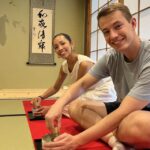
More Kitchen Tables to Sit At
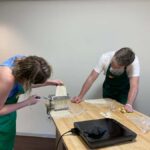
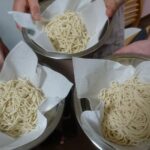
More Time at the Hot Plate

Latest out of Osaka


Okonomiyaki & Takoyaki Experiences, side by side.
 ★ 5.0Osaka Sake Tasting with Takoyaki CookingFrom $70156 reviews
 ★ 5.0Osaka Sake Tasting & Takoyaki Cooking ExperienceFrom $72149 reviews
 ★ 5.0Cooking Ramen&Gyoza/KatsuCurry/Bento/Okonomiyaki+Store Tour@OsakaFrom $85138 reviews
 ★ 5.0Osaka Okonomiyaki Cooking Experience!From $4979 reviews
 ★ 4.2Osaka:SUMO BEATS SHOWCASE: Taiko Drum and Wagyu burger!From $6737 reviews
 ★ 4.9Osaka : Cooking Class Okonomiyaki & Takoyaki course in NanbaFrom $7025 reviews
 ★ 5.0Osaka Okonomiyaki Cooking Class “Learn here and make it at home”From $7020 reviews
 ★ 5.01 Day Takoyaki Making and Osaka Castle Walking TourFrom $14815 reviews
Also worth a look in