
REVIEW · OSAKA SAMURAI, NINJA & KENDO EXPERIENCES
Osaka: A Modern Samurai, Kabuki, Taiko, & Dance Show
Modern Japan, in 45 minutes. At Tempo Harbor Theater in Osaka, you watch taiko drums, sword fighters, and Kabuki lion dance in a fast, modern performance style. I especially like the on-stage participation and the fact your ticket includes a cold soda.
One thing to consider first: the show is a high-energy fusion party, so the vibe may feel more modern and cabaret-like than strict traditional Kabuki or classic taiko, particularly in the dance moments.
Key things to know before you go
- Tempo Harbor Theater is the one stop in Osaka for this specific style of show.
- Interactive audience moments can put you on stage, so it is not just a sit-and-watch event.
- Taiko drums and Japanese theatrical elements show up in a modern, fast-paced format.
- Soda/pop is included, and other drink props are performance-only with no alcohol.
- Photos with performers are offered after the show, which makes it feel more personal.
- About 45 minutes means you can fit it into an evening without rearranging your whole day.
Osaka modern samurai show at Tempo Harbor Theater
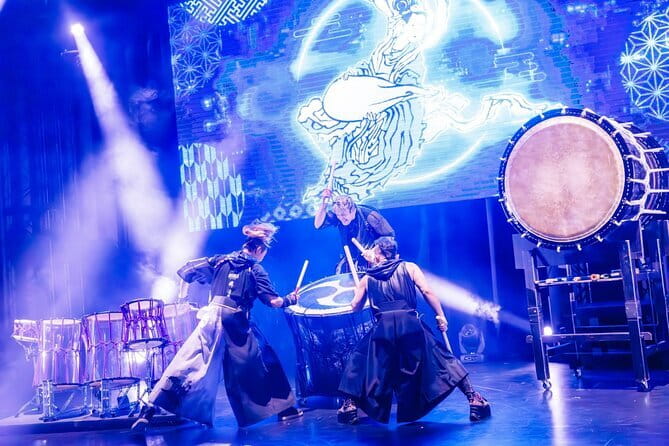
If you want a night in Osaka that feels less like museum time and more like live performance with energy, this show hits that sweet spot. It runs at Tempo Harbor Theater, and it is built around Japanese stage traditions such as sword fighting and Kabuki lion-style elements, then presented with a modern, high-tempo entertainment approach.
The venue setup matters because it changes how you experience the energy. Even without details on exact seating, the show is described as intimate, and that usually helps with two things: you can see the action clearly, and the audience participation feels like part of the show instead of a side moment.
Also, the location is near public transportation, which is practical in Osaka. You can plan this as an evening stop without relying on long taxi rides.
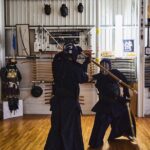
More time in the dojo
What happens during the show (and why it feels different)
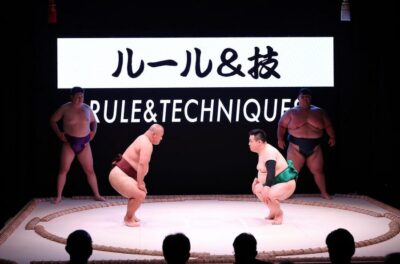
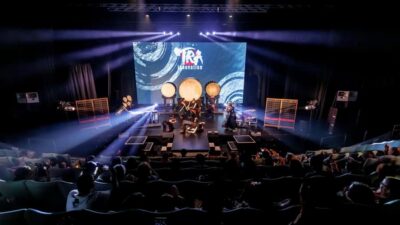
The whole performance is about 45 minutes, so it is designed to move quickly. Expect a sequence of music, dance, and theatrics where the taiko drums are a key sound cue, and the sword and lion dance elements bring that unmistakably Japanese stage flavor.
What makes this show interesting is the way it mixes old and new without trying to pretend they are the same thing. You are not getting a slow, ceremonial-style performance. Instead, you get a paced, party-like stage production where the rhythm, the calls, and the action keep pulling you forward.
If you came specifically hoping for a pure, traditional taiko-only drum program, manage expectations a bit. This is taiko as part of a broader performance package, not a one-genre concert. That approach can be a plus if you like variety, but it can disappoint if you wanted straight-up classical form.
Taiko drums, sword fighters, and Kabuki lion dance, but in a modern wrapper
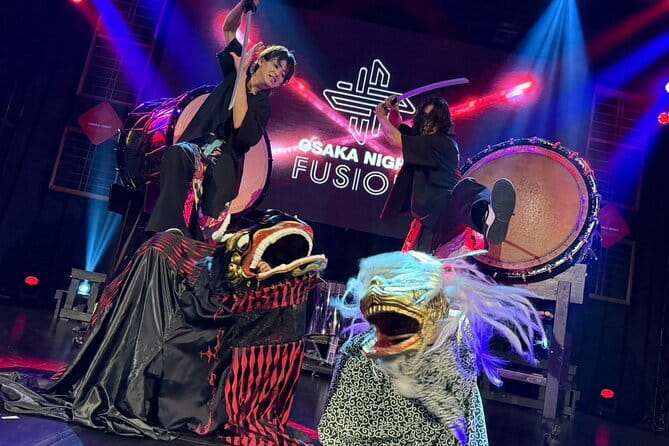
This show earns attention for the mix. You will see taiko drums, and you will also see sword-fighter theatrics and Kabuki lion dance-style movements. That combination is a strong recipe for visual variety in a short time.
Here is the practical takeaway for you: when a show packs multiple Japanese performance styles into one run, it usually means fewer long stretches of any single element. So if your priority is one specific component, plan your mindset accordingly. You are going for a “taste and performance” overview rather than hours of one tradition.
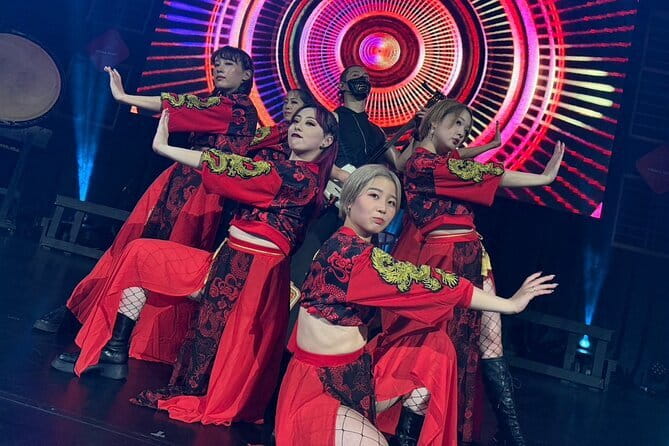
The modern part is the rhythm and staging choices. Several notes emphasize that the overall feel is fusion and high-energy, sometimes with a more Western cabaret style influence. That does not erase the Japanese elements, but it changes the mood. If you are the type who likes your cultural performances to stay strictly within traditional forms, you might feel a mismatch. If you like stagecraft, costumes, and crowd energy, you will likely enjoy it more.
Audience participation and instruments on stage
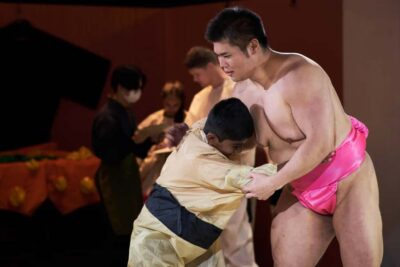
This is one of the biggest reasons people recommend this kind of show. The experience is described as interactive, and you might be chosen to participate. In some cases, performers even invite audience members to play Japanese instruments during the show.
I like interactive shows for one simple reason: they reduce the “language barrier” problem. When an event uses physical action, call-and-response moments, and repeated patterns, you can follow along even if your Japanese is limited. Reviews also point out that the flow is easy to follow for English or non-Japanese speakers, which is exactly what you want from a short performance.
One more practical angle: participation can be a little nerve-racking. If you would rather watch than get selected, you can still enjoy the show. Just treat participation as a bonus, not a requirement.
The soda, drink rules, and why the details matter
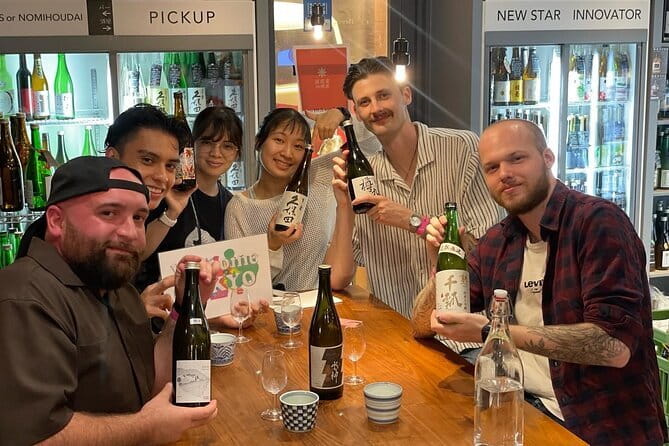
Your ticket includes soda/pop, and that is not just a random perk. In Japan, having a cold drink helps keep a short evening event comfortable. Since the show is around 45 minutes, you do not need a full dinner to keep your energy up.
The show also includes drink props during the performance, but they are described as for performance purposes only and do not contain alcohol. So if you are traveling with kids, or if you simply prefer to keep things non-alcohol, this is a reassuring detail.
If you are used to “dinner and drinks” shows, note what is not included: dinner is not part of the ticket. That means you can eat earlier, or plan a quick Osaka snack stop before the show, without worrying about a slow meal dragging the timing.
More drums, more ring
Photos with performers after the show
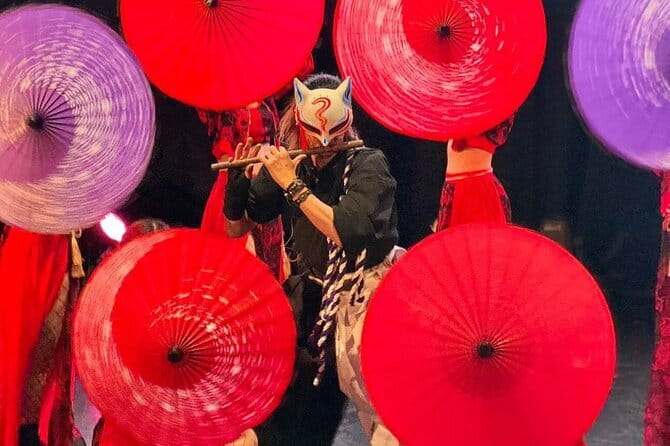
Another reason this works as a memorable Osaka night out is the chance for photos. There is an option to take photos with the performers after the show.
That matters more than it sounds. When a show ends, you often get a wave and that is it. Here, the structure includes time to make it feel like a real encounter, not just watching from the crowd. If you are traveling with family or friends, those photos can become the best “proof” that you did something specific and local.
If you are worried about what it will be like, the key is simple: come ready to move with the crowd after the final bow. It is a short show, so the end comes fast.
Timing in Osaka: how to fit a 5:00 pm show into your evening
The start time is 5:00 pm, which is earlier than a lot of evening entertainment plans. That is good news if you want to keep your Osaka day and still have time for dinner.
My practical suggestion: build your evening around the show rather than around a late dinner. Since dinner is not included, you will want your meal plan either before the show or after, depending on your appetite and how fast you move through crowds near the harbor area.
Because it is near public transportation, you can keep your route flexible. If you are bouncing between Osaka sights, having a fixed start time makes it easier to choose what to see earlier in the day.
Price and value: getting a ticketed show experience for about $19.82
At $19.82 per person, you are paying for a concentrated, ticketed evening event, not a full-day tour. The value comes from the bundle: you get admission and the included soda/pop, plus the show itself, which runs about 45 minutes.
What makes it good value for many people is the low commitment. You are not signing up for something that requires a half-day schedule or a complicated itinerary day. This is closer to buying a real performance ticket, then adding a cultural layer to your trip.
The trade-off is also straightforward: it is short. You will not leave feeling like you attended a long, sit-down cultural lecture or a multi-hour traditional program. If you want depth, you might pair this with one more traditional activity during your Osaka stay. If you want an energetic evening with a mix of Japanese stage elements, the price feels fair.
Who this show is best for, and who should think twice
This show fits best if you want a fun, family-friendly style of entertainment with real Japanese stage elements. Notes also mention that it can work for mixed ages, including kids and adults in one group.
Still, I would put a caution label on the experience for parents of very young children. One note describes more risqué dance emphasis than expected, and another mentions that it might feel awkward for families to attend together if you are expecting a purely child-safe performance tone. That does not mean it is chaotic or inappropriate for everyone. It just means you should set expectations based on modern fusion, not strict traditional conservatism.
So use this rule of thumb:
- If you like high-energy performances and do not mind a modern, party-style wrapper, you will probably enjoy it.
- If you came only for classical Kabuki presentation or a strict, traditional taiko show, you may feel the fusion changes the mood.
Getting the most out of your night (simple, practical tips)
- Go in expecting fusion performance, not a museum-grade reenactment of history.
- Arrive with a plan for food since dinner is not included.
- If you want photos, be ready for the post-show flow right after the performance ends.
- If you care about being selected, remember the show is interactive, so participation can happen if performers call for audience members.
- Keep your expectations flexible around dance style, because the show is high-energy and modern.
Also, since it uses a mobile ticket, it helps to have your phone charged and ready. That way you do not waste time at the entrance.
Should you book Osaka: A Modern Samurai, Kabuki, Taiko, & Dance Show?
I would book this if you want a short, fun Osaka evening that mixes taiko drums, sword fighting theatrics, and Kabuki lion-style dance in a modern, crowd-friendly format. The combination of interactive moments, included soda/pop, and a photo option after the show makes it feel like more than just a quick stop.
I would skip it if your top goal is traditional Kabuki or a classic, dedicated taiko performance, with no modern cabaret-style influence. In that case, the fusion may feel like it waters down what you hoped to see.
Bottom line: for about 45 minutes and roughly $19.82, it is a solid value bet for travelers who want a lively Osaka stage night, not a long formal program.
FAQ
How long is the Osaka show?
The performance runs about 45 minutes.
What is the price for this experience?
The price is $19.82 per person.
What is included with my ticket?
Your ticket includes an entrance pass and soda/pop.
Is there alcohol served during the show?
No. Drinks offered during the show are for performance purposes only and do not contain alcohol.
Where does the show take place?
It takes place at Tempo Harbor Theater in Osaka.
What time does the show start?
The show starts at 5:00 pm.
Do I need a printed ticket?
No. The experience uses a mobile ticket.
Can I participate on stage or play instruments?
The show is interactive, and most travelers can participate. You might be chosen to participate on stage and play Japanese instruments.
Can I take photos with the performers, and is it suitable for kids?
There is an option to take photos with the performers after the show. It is described as family-friendly local entertainment, and it has been brought to mixed-age groups, but some notes mention more emphasis on risqué dance than expected, so consider the ages of the children you plan to bring.
Is free cancellation available?
Yes. You can cancel for a full refund up to 24 hours in advance of the experience start time.
More Tour Reviews in Osaka


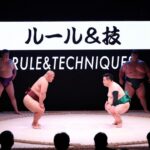
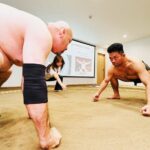
A Night at a Osaka Show



More Hours in the Dojo
Latest out of Osaka


Osaka Samurai, Ninja & Kendo Experiences, side by side.
 ★ 5.0Samurai Training Experience KENDO in OsakaFrom $131515 reviews
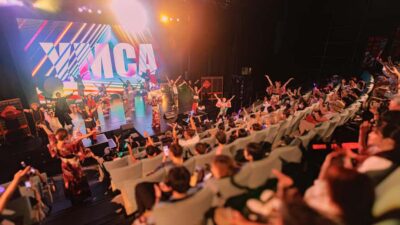 ★ 4.8OSAKA NIGHT FUSION Japanese Taiko Kabuki Samurai Dance ShowFrom $40155 reviews
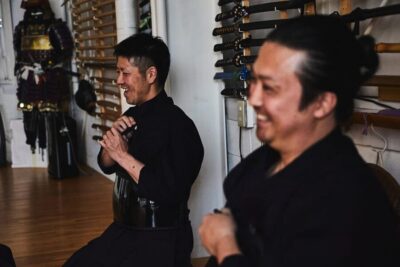 ★ 5.0Osaka: Samurai Training Experience KENDO in OsakaFrom $127111 reviews
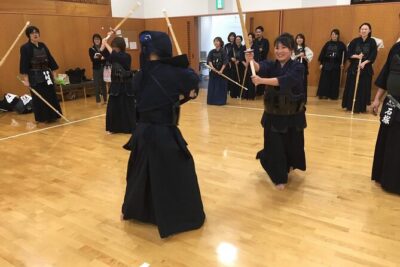 ★ 5.0Osaka 2-Hour Genuine Kendo / Samurai Experience In JapanFrom $11865 reviews
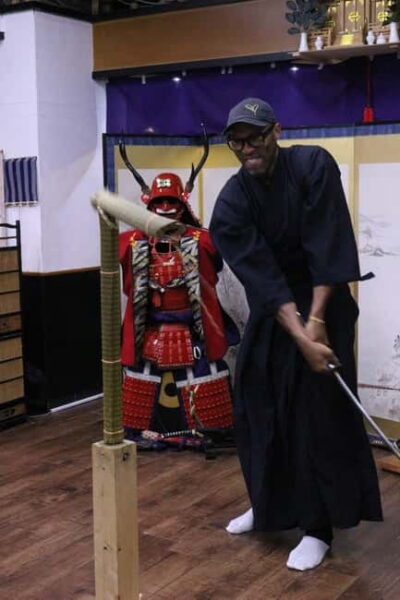 ★ 4.9Osaka: Learn Bushido – Trial Slashing with Samurai SwordFrom $9259 reviews
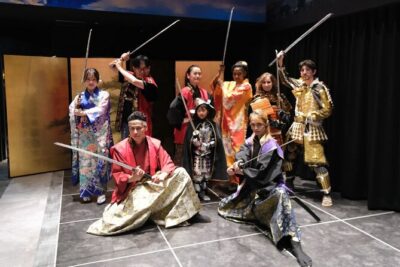 ★ 5.0Samurai Show, Tea Ceremony, Japanese Traditional ActivitiesFrom $4456 reviews
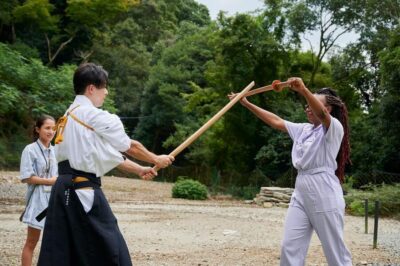 ★ 5.0Osaka: Private Samurai Experience – Train with Sword MasterFrom $15836 reviews
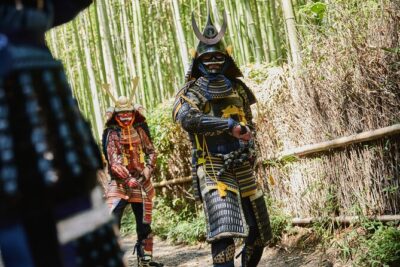 ★ 5.0Honor – Experience Samurai & traditional Culture to the fullestFrom $18132 reviews
Also worth a look in