REVIEW · KYOTO EXCURSIONS FROM OSAKA
Kyoto Full-Day Private Tour (Osaka departure) with Government-Licensed Guide
Kyoto can be overwhelming fast. This private day tour from Osaka turns the chaos into a clear route, with a government-licensed English guide and a pick-your-own plan. You’re not buying a checklist, you’re buying someone to help you see Kyoto’s big landmarks and small details in the time you have.
I especially like the custom itinerary approach, with help choosing from more than 35 possible stops. I also like that the experience is designed around real movement, since it is a walking tour that focuses on the neighborhoods and sights you can reach efficiently.
The main thing to consider is pace and legs. It is a full day, and even with smart routing, you should expect a lot of walking, so comfortable shoes and snacks matter.
Key things that make this tour work well

- Licensed guide, English-speaking, so you get context, not just directions
- Custom plan (choose 3 to 4 Kyoto sites) based on your interests and stamina
- Osaka meet-up with pickup offered, helpful if you are starting from a cruise terminal or hotel area
- Prime Kyoto hits on one day, from Fushimi Inari to Arashiyama to Zen temple areas
- Short, focused stops that keep you moving instead of waiting around
Why a private Kyoto day from Osaka feels different
Kyoto is gorgeous, but it is also huge. On your own, you spend time figuring out trains, lines, and which street to turn down next. With a private licensed guide, you get a plan that matches your time and what you actually want to see.
This tour is built around an 8-hour day and a walking style. The upside is you get the real Kyoto experience, the street-level vibe, the smells of food markets, and the calm temple grounds. The tradeoff is that you will cover ground, so it is best when you show up ready to walk and listen.
I like that your guide can organize the day without you needing to guess how to connect Osaka to Kyoto on the fly. In multiple guide-focused comments, people praised guides for keeping things organized, handling transport timing, and adapting when someone needed to slow down.
More days handed over to a local
Price and value: what the $201.46 per person includes

At $201.46 per person, this is not a budget bus tour. You are paying for human guidance, and in this case, you are also paying for a licensed local English-speaking guide and a private group format.
Here is the value math that matters:
- Included: guide, and a customizable walking tour where you choose 3 to 4 Kyoto sites
- Not included: transportation and entrance fees, plus lunch and personal expenses
So yes, you will still budget for transit and temple admissions when they apply. But the cost usually makes sense when you want to avoid wasting a precious day sorting logistics. It is especially attractive if you are on a cruise or only have a narrow window in Kyoto.
If you can afford the convenience, I think this price is fair for a full-day, private guide day where the itinerary is tailored rather than generic.
Choosing your Kyoto stops: the secret is picking right

Because you select 3 to 4 sites, you win by choosing places that complement each other. If you pick only famous temples, you might miss the Kyoto street life. If you pick only shopping streets, you might leave with photos but not much understanding.
A smart mix looks like this:
- One iconic shrine or gate area (like Fushimi Inari-taisha)
- One historic district or classic neighborhood walk (like Gion or Higashiyama)
- One major temple stop (like Kiyomizu-dera or a Zen garden)
- One nature or garden finale (often Arashiyama)
This is where the guide’s role becomes real. Instead of rushing you through everything, they can steer your choices toward what fits your interests, and they can adjust how fast you go if someone’s energy level drops.
From the strongest feedback patterns, guides were praised for planning around people, not just schedules. One common theme was that guides helped families and cruise-day visitors keep the day from falling apart when time got tight.
Fushimi Inari-taisha to Kiyomizu-dera and Nijo Castle

Start with the shrine everyone talks about for a reason: Fushimi Inari-taisha. This is the place where you see Kyoto’s spiritual identity in a way that is instantly visual. The path of torii gates can feel endless, and a guide helps you understand what you are walking through, not just what you are photographing. The tour also hints at access to parts of the experience that typical casual stops may miss.
Next on many plans is Kiyomizu-dera. This is a major temple experience, and the guide-led time helps you get beyond surface-level sightseeing. Expect you will want a slow stroll through the grounds, because temples here are about atmosphere as much as monuments. Entrance fees may apply, since admissions are not included in the tour price.
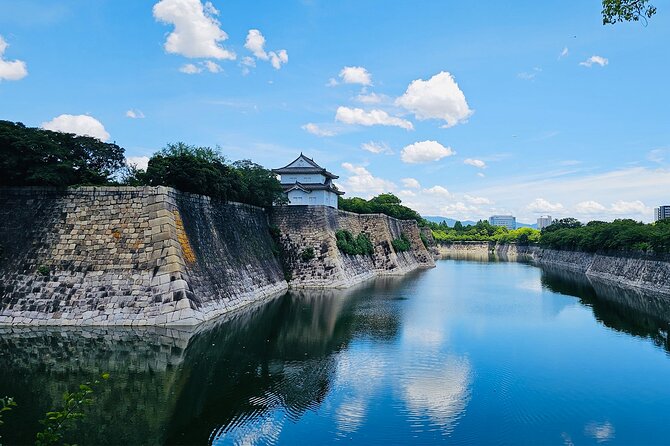
Then there is Nijo Castle, a UNESCO World Heritage site connected to Tokugawa-era power. You get a clear historical anchor here. It is also a good contrast if your earlier stops leaned more spiritual or street-based. Keep in mind that castle visits can feel structured, so it helps if you enjoy history and architecture.
If you only choose one “history heavyweight” for your day, Nijo Castle is often the move. If you want the emotional Kyoto experience, Fushimi Inari and Kiyomizu-dera tend to deliver that fast.
Gion, Nishiki Market, Pontocho, and Higashiyama: street Kyoto you can feel

If Kyoto has a soundtrack, it’s here. Gion is the geisha district, and on your own it can feel maze-like, especially for first-timers. With a guide, you get the layout and the context, plus less stress trying to find the right alleys at the right moments.
Then add food and energy with Nishiki Market. It is a narrow, several-block shopping street with more than a hundred shops and places to eat, and it is known as Kyoto’s Kitchen. Even if you do not plan a big meal, this stop gives you immediate texture: snacks, cooking styles, and the sense that people actually live and shop around these streets.
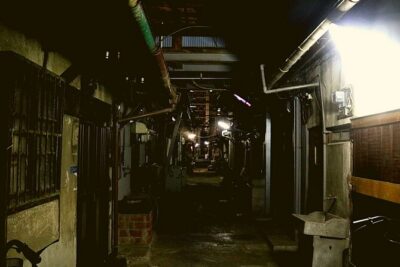
For dinner-vibe walking, Pontocho is a great pairing. It is an atmospheric alley along Shijo-dori to Sanjo-dori, one block west of the Kamogawa River. Even if you do not eat there, it is a strong “night Kyoto” mood to capture during a day tour.
Higashiyama Ward is another strong option if you want old Kyoto streets. It is also one of the best preserved historic areas along the lower slopes of the eastern mountains. If you like strolling, this can be a highlight, but keep your pace realistic. Historic districts can slow you down because every corner looks worth stopping for.
A practical tip from what I’ve learned in guide-led days: build in time for small snack stops. One piece of advice that came up in feedback was to bring a snack, because walking plus waiting plus photos adds up quickly.
Other Kyoto days, compared
Zen temple circuits: Ginkakuji, Nanzenji, Ryoanji, and the big pavilion hits

Kyoto’s Zen temple areas can be peaceful and photogenic, but they also come with a “too much beauty per minute” risk. A private guide helps you pick which gardens and halls fit your mood, instead of rushing through everything.
If you choose Ginkakuji (Silver Pavilion), you get a Zen atmosphere along Higashiyama’s eastern mountainside. It is a classic stop where the guide’s explanations help you connect the location to the story behind it, which makes the time feel more meaningful than just a view.
Nanzenji is another important Zen temple option, with large grounds at the base of the forested Higashiyama mountains. It is often a good pick when you want scale, not just one courtyard photo.
For a different kind of famous Zen experience, Ryoan-ji is known for Japan’s most famous rock garden. This is one of those places where understanding what you are looking at changes everything. If you want a “Kyoto moment” that feels meditative, this is a solid choice.
If you want a dramatic contrast, Kinkakuji (Golden Pavilion) is the obvious switch. Its top floors covered in gold leaf make it visually loud in the best way. It is also a good anchor if your day has been more subtle up to that point.
Other temple options can work depending on your taste:
- Tofuku-ji for Zen and the strong seasonal reputation for autumn color
- Toji for a major temple tied to the early Heian period when Kyoto became the capital
- Ninna-ji for a World Heritage-listed temple tied to the Omuro School of Shingon Buddhism
- Kennin-ji close to the Hanamikoji and Shijo area, with expansive grounds and dry landscape garden features
Temple days are often easiest when you select one “big name” and then one supporting temple stop nearby in theme or location.
Imperial villas and hillside quiet: Shugakuin, Katsura, and the garden-country feel

One of the more rewarding things you can do with a customized plan is trade one crowded landmark for a more reflective space. Kyoto has several imperial villa sites and hillside temples that feel like you stepped off the main stage.
Shugakuin Imperial Villa is a great example. It is managed by the Imperial Household Agency and is built as an upper, middle, and lower villa complex. If your idea of a great Kyoto day includes gardens and spaciousness, this can be a memorable switch from dense street areas.
Katsura Imperial Villa is another top garden-and-architecture choice. It is widely praised for Japanese design, and the villa and garden in their present form were completed in the mid-1600s. It is also the kind of stop where a guided explanation makes the layout click.
If you want hillside temples with a quieter feel, the northern Kyoto mountain temple options can fit. Jojakkoji, Nisonin, and Gio-ji are hillside temple picks with small buildings, moss features, and understated atmospheres described in the tour options. These can be great when you want less crowds and more slow walking.
The practical drawback to remember is travel time and walking slopes. Hillside sites tend to require more legwork, even if each stop is relatively short on the schedule.
Arashiyama with Togetsukyo Bridge and bamboo paths

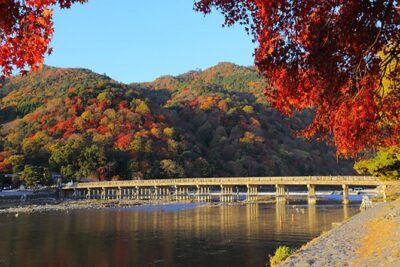
If you have even a little interest in nature within the city, Arashiyama is often the best use of your afternoon. The tour options include the iconic Togetsukyo Bridge, which is a major landmark tied to Kyoto’s Heian period history. It also helps that the bridge has been reconstructed more recently, so you still get a clear, walkable experience.
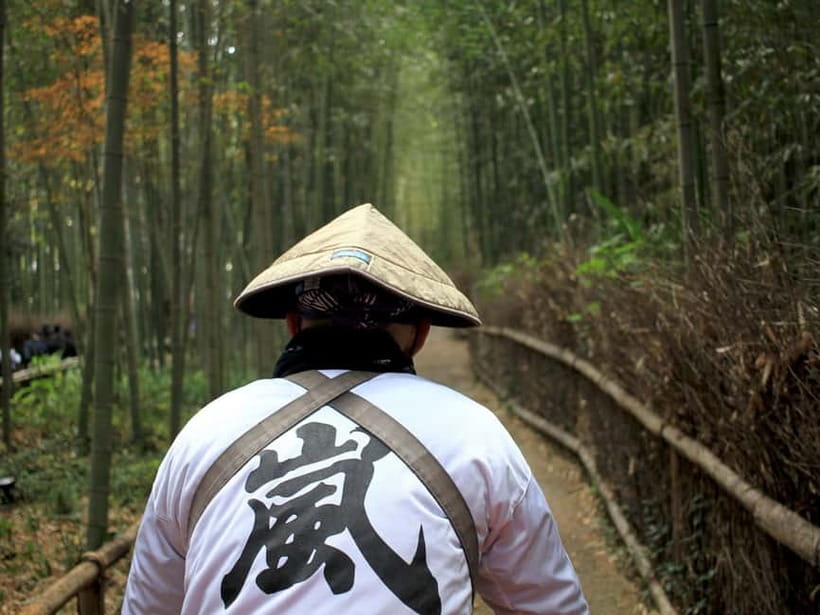
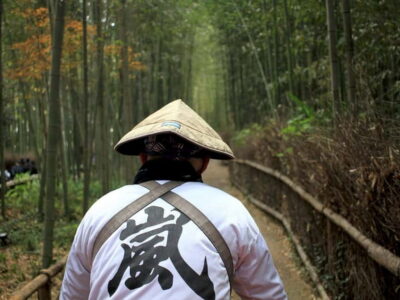
Then there are the bamboo grove walking paths. This is one of those places where just walking through feels different, especially when the air moves and the bamboo stalks sway. If you are visiting during a calm weather window, this can be a standout.
For temples in the Arashiyama area, you might see:
- Tenryu-ji, described as one of Kyoto’s most important Zen temples
- Daikaku-ji, a temple connected to earlier imperial residence traditions
- Okochi Sanso Garden, the former villa of actor Okochi Denjiro, with multiple gardens and buildings behind the bamboo
A good way to think about Arashiyama is this: it is a full “mood stop.” If you put Arashiyama at the end of the day, you can finish with relaxed walking and photos, rather than burning your energy on another structured museum-style visit.
Quiet northern Kyoto: Kibune, Kurama, and mountain-temple choices
If you want Kyoto to feel less like a checklist and more like a place with forests and winding valleys, consider the northern mountain options.
Kibune is described as a small town in a forested valley, developed around Kifune Shrine. It also connects to a legend about a goddess traveling from Osaka, which adds story flavor to the landscape.
Kurama is another northern town choice, known for Kurama-dera and a hot spring, with the temple and area just under an hour from the city center. This is a good pick if you want something off the main tourist loop but still want it accessible.
There are also western mountain temple options like Yoshimine-dera, which is on the Tendai sect side and described as being built along a mountainside with a more scenic, layered approach.
These stops can be worth it when your group likes the idea of changing scenery, but you should choose them carefully if your day is already packed. Mountain Kyoto often means slower movement.
Uji add-on: Byodoin Temple and the time tradeoff
The tour options include Byodoin Temple in Uji city in Kyoto prefecture. It is famous for the Phoenix Hall, tied to national treasure and UNESCO status.
The tour info notes extra travel time expected. That means Byodoin is best when you truly care about Uji or you are okay sacrificing something else from a tight 3 to 4 stop plan. If you only choose one “outside central Kyoto” site, Byodoin is a clear candidate.
How the best guide keeps a full day from feeling like a sprint
This is a full-day walking plan, and that is where your guide matters most. In feedback, guides were repeatedly praised for:
- staying organized
- helping with train navigation
- meeting people at cruise terminals and then getting them back on time
Some comments also mention the guide was flexible when a group struggled to keep pace, including keeping a young child’s stamina in mind. That is exactly the kind of flexibility you want in a Kyoto day, because Kyoto weather, crowds, and energy levels can change quickly.
Here is what I recommend you do to get the best version of this tour:
- tell your guide your top priorities before the day
- ask for a plan that balances iconic stops with at least one calmer area
- carry a small snack, since walking adds up fast
- wear shoes you can walk in for hours, because this is not a sit-and-see format
If you want Kyoto to feel smooth, ask your guide early how they will handle the day in transit and walking order. A good licensed guide will make those choices feel obvious.
Should you book this Osaka to Kyoto private tour?
Book it if you want a Kyoto day that feels organized and meaningful, with an English-speaking licensed guide who can shape a plan around you. This is also a smart pick if you are short on time from Osaka, like a cruise-day visit, because your guide’s ability to handle connections can save you stress.
Skip or rethink if you hate walking or you want long, slow time in every site. With only 3 to 4 Kyoto stops, you will still move a lot, and you need to be comfortable with a fast-paced, high-output day.
My take: this is a strong value when you want the best Kyoto highlights plus context, and you are willing to do the walking part.
FAQ
How long is the Kyoto private tour from Osaka?
The tour is listed as about 8 hours.
What’s included in the price?
You get a licensed local English-speaking guide and a customizable walking tour. Meet-up is offered within designated Osaka areas. Entrance fees, transportation, lunch, and personal expenses are not included.
Can I choose where we go in Kyoto?
Yes. You can choose 3 to 4 Kyoto sites from more than 35 points of interest.
Is this tour a walking tour?
Yes. It is a walking tour, and pickup is on foot.
Are entrance fees included?
No. Entrance fees are not included. Some included stops may be free to access, but you should plan for paid admissions at locations that charge.
Do I need my own transportation to Kyoto?
Transportation is not included. The tour offers guide-led navigation, but you are responsible for your own transit costs.
Is lunch included?
No, lunch is not included.
Can I travel with a private vehicle instead of walking?
A private vehicle is available on request, but it must be pre-booked at least 5+ days in advance.
Can I cancel for a full refund?
Yes. You can cancel up to 24 hours in advance for a full refund. If you cancel less than 24 hours before the start time, the amount paid will not be refunded.
More Tour Reviews in Osaka
The Kyoto Shortlist: Other Days East
Hand the Day to a Local
Latest out of Osaka
Kyoto Excursions from Osaka, side by side.
★ 4.7Osaka/Kyoto: Hiroshima Miyajima Bus Tour & Shinkansen TicketFrom $277919 reviews
★ 4.5From Kyoto/Osaka: Kyoto Top Highlights 1-Day Guided Bus TourFrom $51714 reviews
★ 4.5Ancient Capital Tour: Kyoto and Nara Highlights from Kyoto/OsakaFrom $90332 reviews
★ 4.6Osaka/Kyoto: Amanohashidate & Miyama Tour with Boat & LunchFrom $71207 reviews
★ 4.0Kyoto and Nara Day Trip from OsakaFrom $198175 reviews
★ 3.5From Osaka or Kyoto: Kyoto and Nara 1-Day Bus TourFrom $64141 reviews
★ 4.8Volleyball in Osaka, Kobe & Kyoto with locals!From $6131 reviews
★ 5.0Full Day Tour of Kyoto with Private TransportationFrom $247130 reviews
Also worth a look in