
REVIEW · OSAKA BACKSTREETS & HIDDEN GEMS WALKS
Deep Backstreet Osaka Tours (Option to add Dinner)
Osaka has a darker side. This small-group evening walk pairs Osakan street food with historic neighborhoods most tours skip, from old alleys to the Red Light district. I like the way the tour connects food, local tradition, and hard-to-find history, but if you want only bright, postcard Osaka, this one may feel heavy.
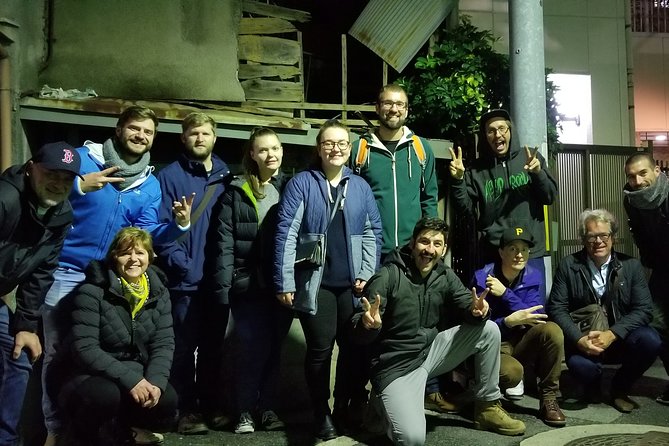
A big plus is the energy of the local guides. Names that pop up often in the guide lineup include Mari, Rudy, Alex, Knox, and Josh, and the common thread is a friendly pace with built-in breaks, plus lots of room for questions. The tour also keeps the group tight, with a maximum of 15 people, which helps you actually hear the stories.
You meet at FamilyMart near MYS Daikokucho Station at 5:30 pm, then you end back at the same spot. I also appreciate that you get a mobile ticket, and the route is weather-dependent, so plan around conditions.
Key highlights you’ll actually feel on the street
- Street-food tastings at two family-run stalls, built into the walk so you snack while you learn
- Osaka retro zone time, including bizarre, outlandish shops that are easy to miss on your own
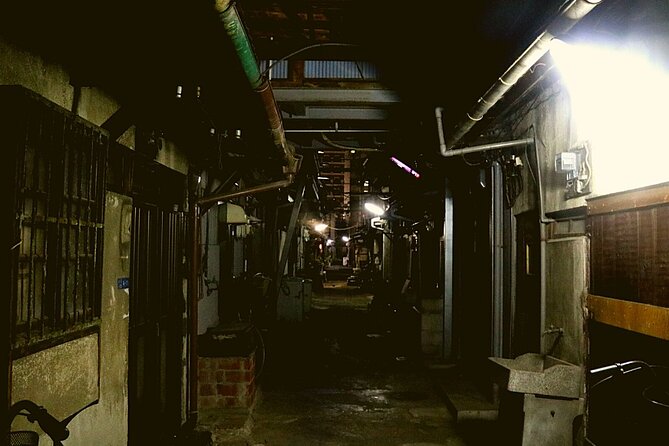
- Narrow alley network and an abandoned-house zone, where the city’s layered past feels real
- A respectful look at the Red Light district, including its links to the yakuza
- A controversial former ghetto area, explained as part of Osaka’s social history
- Optional izakaya dinner, vegetarian friendly, with dishes like tonpeiyaki, karaage, nikudofu, yakitori, plus desserts
First impressions in Daikokucho: meeting point and walking pace
The tour starts at 5:30 pm at FamilyMart MYS Daikokucho Station, 2-chōme-5-16 Shikitsuhigashi, Naniwa Ward, Osaka. That location matters because it’s practical, transit-near, and easy to find even if your day in Osaka ran long.
This is about 3 hours on foot, and it is not a sprint. It includes breaks along the way, which is a real quality-of-life point when you are mixing dense backstreets with longer walking stretches.
Also note the group size. With a maximum of 15 travelers, you are not fighting for space in tight alleys, and it’s easier for the guide to keep everyone together and moving at a human pace.
Further off the arcade
Street-food tastings at family-run stalls, built into the route
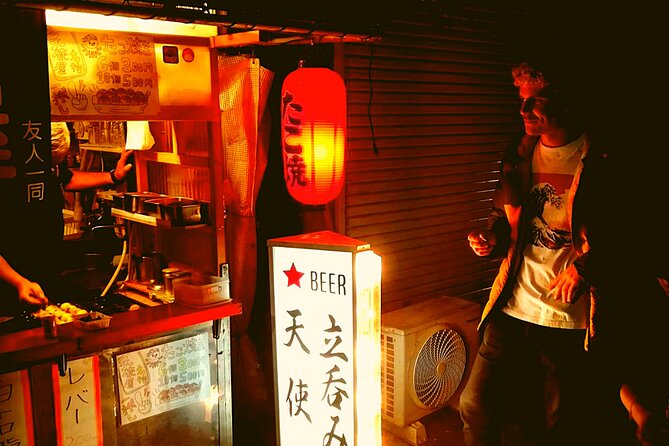
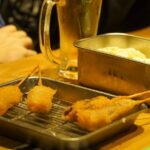
One of the best values here is how the food is not an add-on. The tour is designed around tastings at two street-run, family stalls, so you get multiple flavors without losing the rhythm of the evening walk.
Street food in Osaka is often where you see the city’s daily life up close, not a staged performance. On this tour, you also get context for what you are eating, and it ties into the local culture the guide is talking about.
You should also know what is included versus not. Alcoholic drinks are not included with the food stop, and even on the dinner option, it’s framed as reasonable priced drinks if you order them.
Retro Osaka shops and narrow alleys you won’t stumble into
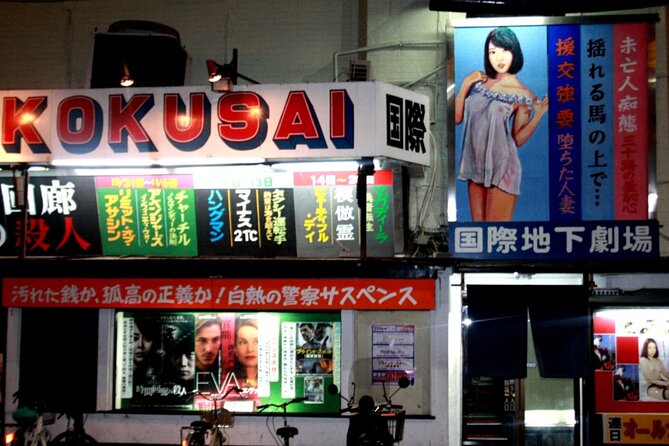
After you’re set up and moving, the route shifts into areas where Osaka looks more lived-in and less curated. You’ll spend time in an Osaka retro zone, including quirky shops that most visitors never find.
Then you move into a network of old, twisting, narrow alleys. This is the kind of walking that feels slow and cinematic because the streets bend, narrow, and keep surprising you. If you like the texture of a neighborhood, this part is the payoff.
One practical caution: these streets can be tight and uneven depending on where you end up. Bring comfortable shoes. If you’re the type who avoids backstreets because of crowds or confusion, this tour can be a good way to do it, since the guide handles the flow.
Abandoned houses and a place of worship with real context
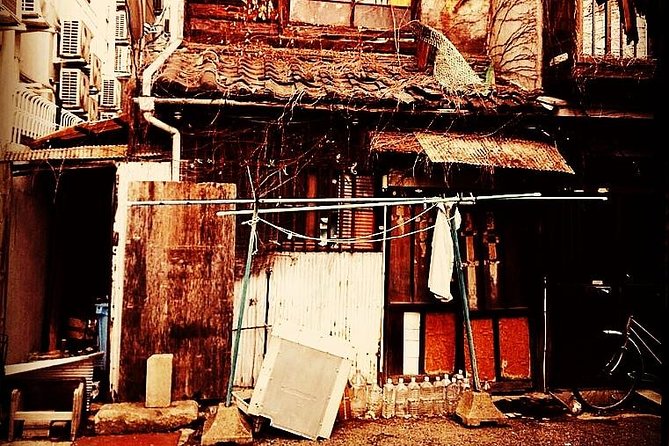
A standout stop is the abandoned houses zone. It sounds bleak, but the point of the visit is understanding how places reflect social realities over time, not just taking in spooky sights. The guide also covers an important, but lesser-known, place of worship.
This matters because Japan’s religious spaces are not just decoration. Even when the location is not famous in tourist brochures, the guide’s explanations can help you read what you’re seeing in front of you. That shift, from sightseeing to understanding, is what makes a tour like this feel different.
If you dislike heavy topics, this is the section where you may feel the most out of your comfort zone. It is not graphic, but it is emotionally serious, and the tour treats it that way.
The Red Light district segment: history, yakuza links, and boundaries
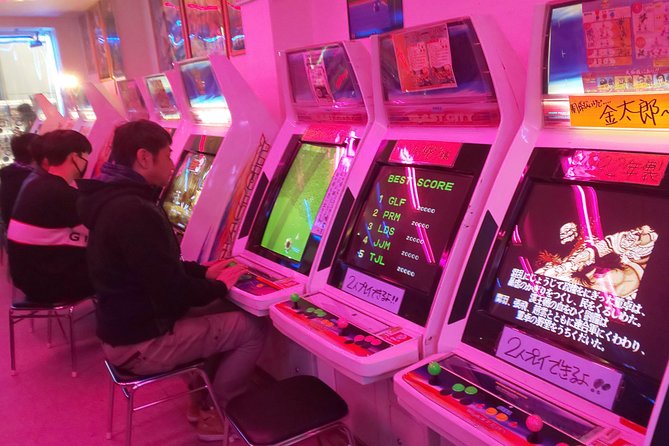
The tour includes a historical Red Light district with links to the yakuza. The way it is handled is key. This is not a shock walk or a spectacle; it’s framed as an explanation of how the area fits into Osaka’s broader history and social structure.
You also walk through areas described as part of the city’s underbelly. What impressed me from the overall tone is that the tour repeatedly signals respect and safety, so you are not left feeling uneasy or stranded. People highlight that it feels dark but controlled, and that comes down to route management and a guide who knows what matters.
If you want to go deep on social history in a respectful way, this is the stop that delivers it. If you are easily rattled by topics involving sex work, gangs, or homelessness, consider whether you want this emotional weight added to your trip.
Set this against a few other Osaka bookings:
The former ghetto area: a controversial past in plain language
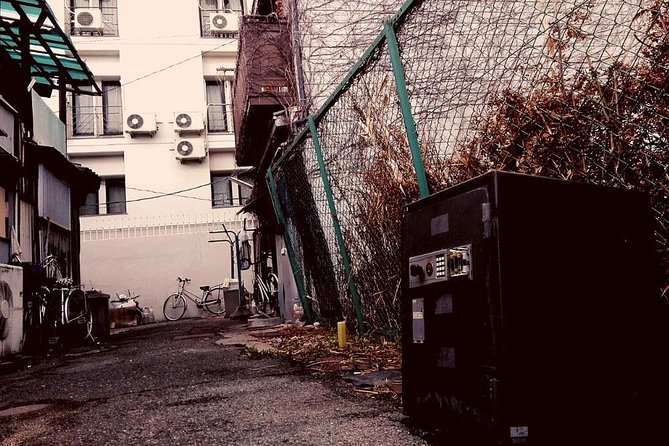
Another part of the route takes you into a ghetto area with a controversial past. This is where the tour becomes more than photos and snacks, because it’s about how social categories shaped daily life.
In Osaka, like many big cities, the street map is also a social map. The guide’s stories connect class and place, which changes how you see the neighborhood. Instead of asking why this street looks the way it does, you start asking who lived there, why some areas became neglected, and how reputations follow people and families.
This section can feel uncomfortable, and that is normal. If you like sanitized sightseeing only, skip it. If you want the real Osaka story, even when it’s not pretty, this part pulls its weight.
Optional izakaya dinner: tonpeiyaki, karaage, nikudofu, yakitori, and dessert
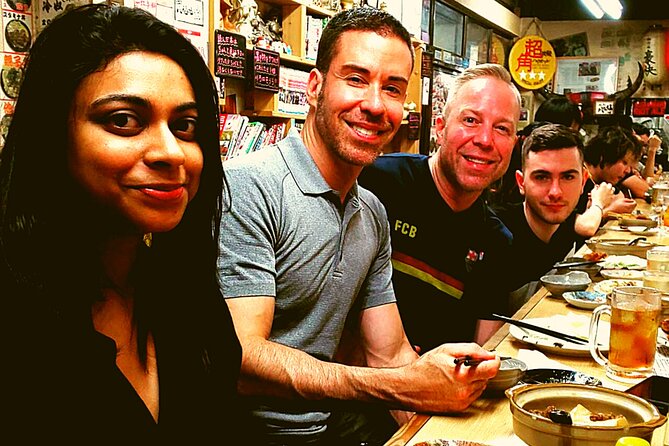
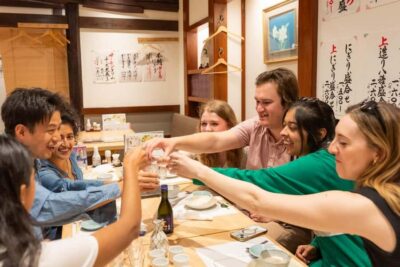
You can upgrade the tour with dinner at an izakaya. This is where the value jumps if you’re hungry after a 5:30 pm start. The dinner is described as authentic Osaka soul food, and it’s an izakaya you would be unlikely to find on your own.
The menu includes tonpeiyaki, karaage, nikudofu, yakitori, and desserts. Another practical plus: it is vegetarian friendly. That detail is not always offered on tours built around “classic meat-and-booze” Osaka, so it’s worth highlighting.
Drinks are not said to be included as part of the dinner price, so if you want beer or something stronger, you’ll likely pay separately. The tour notes alcoholic beverages are not included, and any drinks you do order are reasonable.
After the tour: help finding your next bar or shopping stop
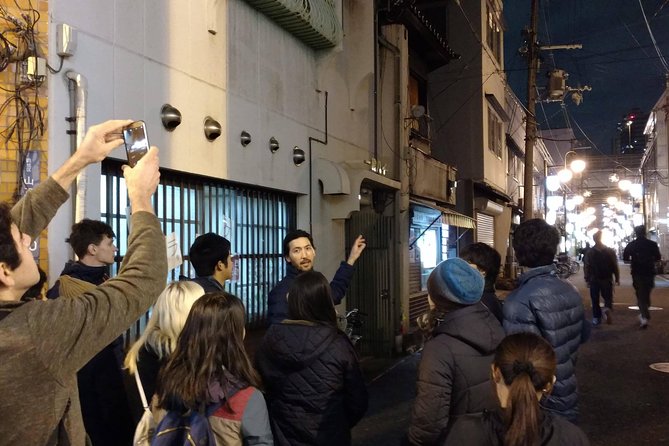
One smart extra is after tour assistance. If you want to go to a bar, shopping, or an entertainment area, the guide helps you find where to go next.
This matters because Osaka evenings can blur together fast. A good local suggestion can turn a wandering search into a smooth plan, especially if you are aiming for one more meal or a low-key nightlife stop.
Price and logistics: is $53.06 worth it?
At $53.06 per person for about 3 hours, the value depends on what you want from Osaka. You are paying for more than a walk. You’re paying for a guide who can explain what you see, plus included food tastings at two family-run stalls.
If your goal is simply to eat street snacks, you could do it independently. But if your goal is to understand the darker districts, the role of religion, and the social history that shaped the city, this price looks more like a bargain. The small group size, capped at 15, helps the guide keep the story going without losing you in the crowd.
The one tradeoff is that you should be ready for less comfortable topics and less “Instagram-friendly” scenery. This is not a tour built for light fluff.
Who this tour suits best, and who should skip it
This is a strong match if you:
- want real neighborhood Osaka, not only the big-name sights
- like learning through food, stories, and street-level observation
- enjoy guided context, especially when topics are sensitive
- prefer small groups and easy pacing
I would think twice if you:
- want only cheerful, tourist-safe streets
- get anxious in tight alleys or don’t like walking for about 3 hours
- dislike discussions connected to sex work, homelessness, or controversial local history
That said, the overall message from the experience tone is that it stays safe and controlled, even when the areas are “dark” on paper.
Should you book this Osaka backstreet tour?
Book it if you want Osaka with context. I like tours where the food is real, the streets are real, and the stories are not watered down. This one also gives you options, street-food tastings no matter what, and the dinner upgrade if you want a proper end to the night.
Skip it if you’re traveling for only classic highlights and you cannot handle heavier history themes. For everyone else, especially if you love walking tours that teach you how a city really works, this is a high-impact evening.
FAQ
Where is the meeting point and what time does the tour start?
You meet at FamilyMart MYS Daikokucho Station, 2-chōme-5-16 Shikitsuhigashi, Naniwa Ward, Osaka 556-0012, Japan. The start time is 5:30 pm, and the tour ends back at the meeting point.
How long is the tour?
It lasts about 3 hours.
How many people are in the group?
The tour has a maximum of 15 travelers.
Is dinner included or optional?
Dinner is optional. You can add it to taste Osaka soul food at an izakaya, and the dinner includes desserts.
Are alcoholic beverages included?
No. Alcoholic beverages are not included, though the tour notes drinks are very reasonable prices.
What food do you get during the tour?
The tour includes food tasting at street-run, family stalls. If you choose the dinner option, the izakaya meal includes tonpeiyaki, karaage, nikudofu, yakitori, and desserts.
What happens if the weather is bad or I need to cancel?
The experience requires good weather. If it is canceled due to poor weather, you are offered a different date or a full refund. You can cancel for a full refund up to 24 hours before the experience start time.
More Tours in Osaka

More Tour Reviews in Osaka
Off the Arcade Again
Latest out of Osaka


Osaka Backstreets & Hidden Gems Walks, side by side.
 ★ 5.0Osaka Kickstart: Hotspots & Hidden Gems TourFrom $311,306 reviews
 ★ 4.9Osaka: Deep Backstreets Walking Tour with Dinner OptionFrom $40902 reviews
 ★ 5.0Ultimate Osaka Walking Tour: Castle, Dotonbori & Hidden GemsFrom $73862 reviews
 ★ 5.0Private Osaka Walking Tour: Highlights & Hidden GemsFrom $81569 reviews
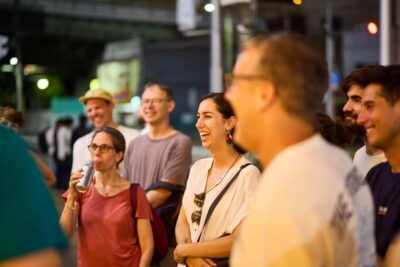 ★ 4.9Osaka: Dark Side of Osaka Night Walking TourFrom $2589 reviews
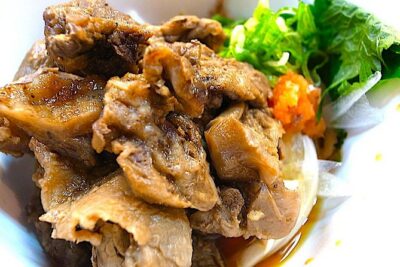 ★ 4.5Retro Osaka Street Food Tour: ShinsekaiFrom $21777 reviews
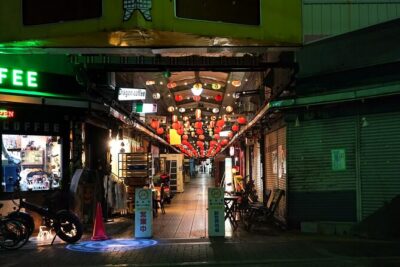 ★ 5.0The Dark Side of Osaka Walking TourFrom $2549 reviews
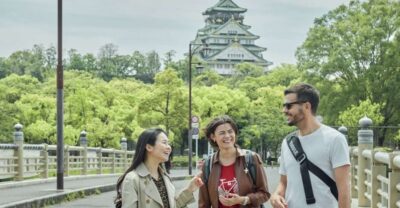 ★ 4.7Osaka: Highlights & Hidden Gems Private Walking TourFrom $6738 reviews
Also worth a look in