

REVIEW · OSAKA IZAKAYA & SAKE BAR CRAWLS
Osaka Home Feast Cooking and Sake Experience
Takoyaki, sake, and Osaka market vibes in one evening. What makes this experience different is the order of things: you shop for the ingredients first, then cook them into Osaka-style comfort food with a local guide. I especially like the hands-on grocery run and the chance to eat what you make in a relaxed, friend-like setting.
Two details I’d pick as the best parts. First, you get to brainstorm takoyaki fillings during your supermarket stop, then turn those ideas into crispy, hot bites. Second, the guide-led sake pairing adds a real sense of occasion, not just cooking for cooking’s sake. In past outings, guides like Chie mixed in Japan context and Q&A, and Nina kept a solo booking fun and easygoing.
One consideration: this is mostly a cooking-and-eating night, not sightseeing. If you want big temple stops or long photo breaks, you may feel a little time-crunched during the roughly 3 hours.
Quick hits before you go

- Meet at a real local spot near public transit, at FamilyMart Minamimorimachi station South side (Tenjinbashi area), with the activity ending back there
- Supermarket first so you learn what ingredients look like in Osaka, and you plan Osaka-style takoyaki fillings with your guide
- Izakaya-style menu with step-by-step cooking, including early bites like Mugen Cabbage and Wasabi Tuna Salad
- Sake, beer, or soft drinks during cooking, paired to the food and paced like casual home drinking (taku-nomi)
- Small group size (max 7), which tends to make Q&A and attention feel natural
Start at 4:30 pm, with a plan for a full 3 hours

This is a straightforward evening format. You meet at 4:30 pm and the whole experience runs about 3 hours, ending back at the meeting point. It works well as a dinner plan when you want something more personal than a restaurant table.
The start time matters. In Osaka, a 4:30 pm start is perfect if you want to beat the worst of rush hour hunger, then build toward a proper meal while the day’s energy turns into evening. Also, the mobile ticket is handy, since you can keep everything in one place on your phone.
One more practical point: with a max of 7 travelers, expect a “do this together” vibe. That’s great if you like asking questions while you cook, but it also means you’ll be actively participating rather than sitting back and watching.
Another round of counters
The meeting spot: where your Osaka food night begins
You’ll start on the south side of Minamimorimachi station, at the FamilyMart at Tenjinbashi. The exact address is listed as:
FamilyMart Minamimorimachi station South side, Osaka, 530-0041, Kita Ward, Tenjinbashi 2-chōme 3-10 1F
Why this is useful: it anchors you in a neighborhood setting, and it’s near public transportation. So you’re not trying to navigate something remote with a kitchen class schedule hanging over your head.
Also, because it ends back at the meeting point, you won’t need to plan a second commute after you’re done eating and trading kitchen notes.
Grocery shopping in Osaka: you learn what to buy, not just how to cook
The experience begins with an English-speaking local guide and a short stroll to a nearby Japanese supermarket. This is one of those parts that feels small until you realize it changes how you cook later.
You’ll browse ingredients you might not routinely pick up at home. Then you’ll do a practical exercise: brainstorm takoyaki fillings that fit Osaka-style expectations. Instead of memorizing a recipe, you’re learning the logic behind the ingredients, what combinations make sense, and how Japanese grocery shopping works day to day.
One review detail I really liked: shopping in Japan often means you handle your own bagging and your own purchases. That small difference is actually part of the cultural learning, not just logistics. It helps you feel less like a tourist and more like someone doing an everyday errand.
What to consider before you go: if you dislike supermarkets or feel unsure about how Japanese product packaging works, you might worry. But the guide is there to point things out and steer your choices, and you’ll be focused on practical ingredients rather than theory.
Cooking studio setup: aprons on, izakaya rhythm begins

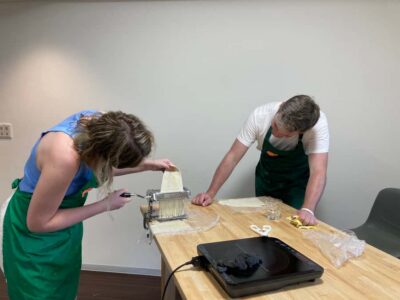
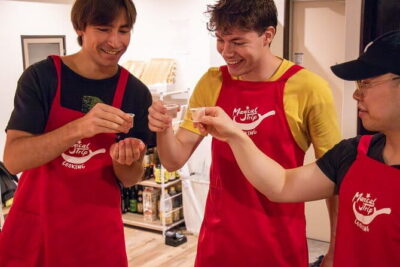
Once you’re back together, you’ll head to a cozy cooking studio. You slip on a MagicalTrip apron and get into the cooking flow. The setup is built around teaching you how izakaya-style food comes together, not just plating something for Instagram.
As you cook, you’re also tasting. You’ll start with early bites such as Mugen Cabbage and Wasabi Tuna Salad, then move into the main works: crispy takoyaki and chicken with green onion, mayo, and ponzu.
This sequence is smart for first-timers. You get quick wins early, then the more “hands-on” items come next. If you’ve ever tried a class where the first 60 minutes is waiting, you’ll appreciate the pacing here.
And because this is a small group, the guide can respond to what your group is doing, not just run a script. In earlier experiences, guides like Chie also used the downtime to answer questions about Japan, history, and how everyday life fits together with food.
Menu highlights: takoyaki, wasabi tuna, and mayo-ponzu chicken

Here’s what you’ll actually be cooking and eating, and why each dish matters for understanding Osaka home flavors.
More kitchen tables to sit at
Mugen Cabbage and Wasabi Tuna Salad as your warm-up
These early dishes are a good entry point. They’re not complicated, but they teach balance: cool, refreshing elements alongside sharp flavors. Wasabi tuna brings heat and bite, while cabbage gives crunch and body.
It’s also a nice way to settle in. You’ll already feel like you’re eating the meal while you’re still learning techniques, so the cooking time doesn’t drag.
Osaka-style takoyaki: crispy outside, juicy inside
Takoyaki is the headliner. You’ll make it in a way that feels very Osaka. The key is getting the right feel for the batter and fillings so the outside turns crisp and the inside stays tender and savory.
Because you brainstormed takoyaki fillings at the supermarket, this part lands better. You’re not just following a list. You’re looking at your ingredients and thinking, this is why we chose them.
Small caution: takoyaki is hands-on and timing matters. If you’re the type who gets nervous about cooking timers, keep your focus on the guide’s cues and try not to overthink. This is meant to be fun, not a high-pressure kitchen exam.
Chicken with green onion, mayo, and ponzu: sweet, tangy, and comforting
Then you’ll make a chicken dish built around familiar Japanese flavor moves. Ponzu brings citrusy tang. Mayo adds roundness and richness. Green onion ties it together with fresh bite.
This is a great “home cooking” dish because it translates well. Even if you’re not using the exact same chicken cut or exact same brand of sauces at home, the flavor idea is clear: tang plus creamy plus green freshness.
Sake pairing and taku-nomi energy: how the drinks fit the meal

The tour includes sipping handpicked sake, plus options like beer or soft drinks. The idea is that you taste as you cook, then eat as you learn how flavors work together.
That pairing approach is valuable because it changes how you evaluate the food. Instead of eating one dish on its own, you start thinking about contrast and balance: fatty, savory bites versus something crisp; tangy sauce versus something aromatic. You don’t need to be a sake expert to enjoy it, and you don’t need to pretend to be. The guide-led approach keeps it grounded.
One of the best vibes described is the taku-nomi feel, which basically means home-style drinking. It’s casual. It’s social. You’re not sitting in stiff formalities. That matters for making the evening feel like a genuine local night, not a performance.
Practical note: if you’d rather not drink sake, the presence of beer or soft drinks means you have choices. Just keep your pace steady, because you still have hands-on cooking to do.
The downloadable recipe pack: the real souvenir

Food tours often end with a nice meal and then, what, photos? This one adds a practical bonus: you’ll get a downloadable recipe pack so you can recreate the flavors at home.
Why that’s worth your time: takoyaki and Japanese seasoning profiles can be hard to replicate from memory. With a recipe pack, you can repeat the dishes without guessing every measurement or ingredient.
It also turns the class into a skill, not just an experience. If you’re the kind of person who hosts friends, this is the difference between telling stories and actually cooking your story again.
Value check: $91.04 for 3 hours of shopping, cooking, and pairings

At $91.04 per person for about 3 hours, it’s not a “cheap activity,” but it also isn’t a fancy multi-course restaurant markup. You’re paying for a guided evening that includes:
- a supermarket run
- hands-on cooking instruction for multiple dishes
- food and drink during the class, including sake options
- a take-home recipe pack
The value gets stronger if you’re going in with an open mind. You’re not just eating, you’re learning how Japanese home cooking builds flavor step by step. For many people, that learning is the main reason they pay, and it’s what makes the meal feel more meaningful later.
One timing note: on average, this tends to be booked about 29 days in advance. If you’re traveling during a popular window, don’t wait too long.
Who should book this Osaka home-feast night
This experience is ideal if you:
- want a real local supermarket moment instead of just standing around a kitchen
- like cooking for fun and would rather learn by doing
- enjoy Japanese food beyond sushi, especially izakaya-style comfort
- are curious about how sake can pair with different flavor styles
It’s also a solid fit for solo travelers. One past booking ended up being just one person, and the guide still made it fun. That tells you the format works even when the group is small.
If your travel style is “see it all,” this might not replace major Osaka sights. Think of it as your dinner event, not your main sightseeing block.
Should you book it? My practical verdict
Book it if you want a food experience that feels hands-on, social, and actually useful later. The strongest reasons are clear: the supermarket start, the chance to make Osaka-style takoyaki, the guide support (including history and Q&A when your guide chooses to share it), and the take-home recipes.
Skip it if you hate cooking, dislike shops, or want a long sightseeing day instead. Also, if you’re sensitive to alcohol, choose the soft drink option and pace yourself, since the format is built around tasting as you go.
If you’re on the fence, here’s the simplest test: if you’d enjoy shopping for ingredients in Japan and then turning them into dinner, this is a great match.
FAQ
What time does the Osaka Home Feast Cooking and Sake Experience start?
It starts at 4:30 pm.
How long is the experience?
The duration is approximately 3 hours.
Where is the meeting point?
The meeting point is at FamilyMart Minamimorimachi station South side, Osaka 530-0041, Kita Ward, Tenjinbashi 2-chōme 3-10 1F.
Do you return to the same meeting point?
Yes. The activity ends back at the meeting point.
Is there a limit on group size?
Yes. The maximum group size is 7 travelers.
What do you do during the experience?
You meet your guide, go to a nearby Japanese supermarket for a grocery run and takoyaki filling ideas, then cook an izakaya-style meal in a studio. You also eat what you cook and take home a downloadable recipe pack.
What food dishes are included?
The experience includes dishes such as Mugen Cabbage, Wasabi Tuna Salad, crispy takoyaki, and chicken with green onion, mayo, and ponzu.
Are drinks included?
Yes. You can sip handpicked sake, and there are also options like beer or soft drinks.
What is the cancellation policy?
Free cancellation is available up to 24 hours in advance for a full refund. If you cancel less than 24 hours before the start time, the amount paid is not refunded.
More Tour Reviews in Osaka

More Kitchen Tables to Sit At
Osaka by the Cup

Latest out of Osaka


Osaka Izakaya & Sake Bar Crawls, side by side.
 ★ 5.0Osaka Bar Hopping Night Walking Tour in Namba (3 bars, 6 tastes)From $98958 reviews
 ★ 4.9Osaka: Namba Pub Bar Crawl with a Local GuideFrom $30424 reviews
 ★ 4.9Osaka: Izakaya Bars Guided Walking TourFrom $19385 reviews
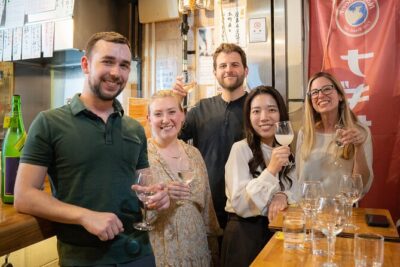 ★ 5.0Osaka Local Bar Crawl in Dotombori & Uranamba AreaFrom $26199 reviews
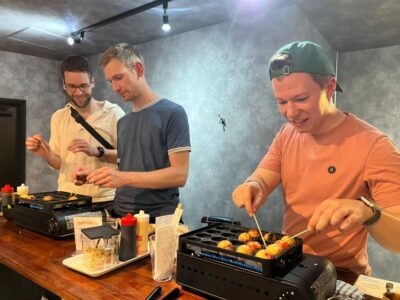 ★ 5.0Osaka Sake Tasting with Takoyaki CookingFrom $70156 reviews
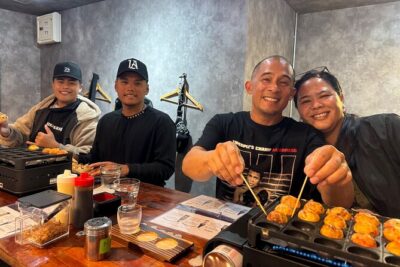 ★ 5.0Osaka Sake Tasting & Takoyaki Cooking ExperienceFrom $72149 reviews
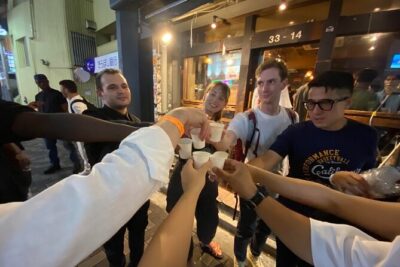 ★ 5.03Hour Osaka Pub Crawl Bar Hopping Nightlife Guided Tour in NambaFrom $46122 reviews
 ★ 5.0Osaka Cooking Class and Sake Tasting with Local Supermarket VisitFrom $9279 reviews