
REVIEW · TEA CEREMONY & MATCHA SESSIONS IN OSAKA
Premium Kimono Dressing, Tea Ceremony, Calligraphy, Samurai show
Samurai shows are fun, but the real hook is getting dressed for Japan. At -michi- in Osaka, you get hands-on kimono dressing plus a tea ceremony and calligraphy lesson, with performances built in. It is a compact, high-touch culture session that feels more like a friendly studio visit than a rushed show.
What I like most is that the staff make every step clear, so you actually understand what you are doing, not just posing for photos. I also love that you can see the bigger picture through the sequence of activities, especially the mix of tea, writing, and a samurai sword performance. One thing to consider: kimono dressing is women only, and armor dressing is not included in the main price.
Key highlights before you go
- Women-only kimono dressing means you should plan around who in your group is dressing
- Tea ceremony + calligraphy are taught in a way that works even if you have zero practice
- Traditional music and samurai sword performances add drama and context to what you learn
- Optional armor dressing may cost extra, but it is possible to try real armor
- Photo-friendly courtyard and gallery space gives you more than one good background
Where the Samurai and Arts Meet in Shinsaibashi
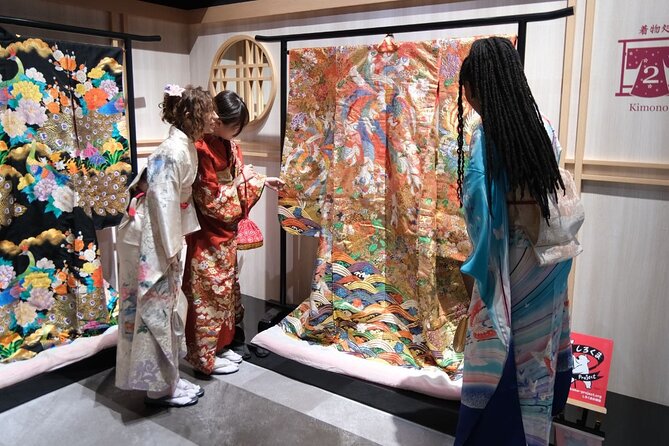
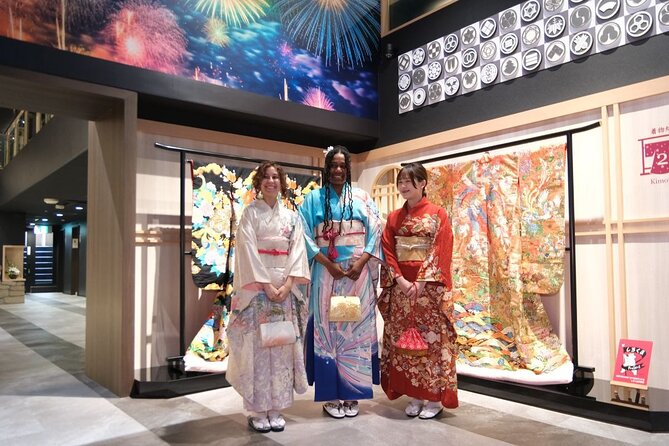
This experience takes place at the -michi- facility in Osaka, in the Shinsaibashi area. That matters because Shinsaibashi is easy to navigate, and you are near public transportation, so you do not need a full day just to get there. The setting is also designed for photos and calm: a courtyard atmosphere plus a historical-style gallery area.
Plan your arrival with a relaxed mindset. With a kimono session, tea service, and calligraphy all in one block, you will want time to settle in and get comfortable before your first step. The whole thing runs about 3 hours, and that pacing is part of the value, because it avoids the all-day “museum shuffle” style of sightseeing.
Quieter hours: more tea rooms
The women-only kimono dressing, up close and practical
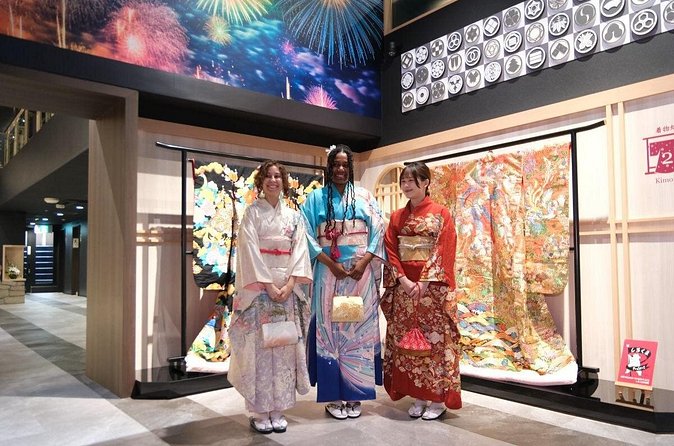
The included activity is kimono dressing for women only. This is not just picking a costume and running out the door. You get guided help through the process, with staff explaining each step as you go, which is exactly how you avoid the usual problems like awkward fit or tangled fabric.
You can also expect the photo-friendly payoff. Being dressed properly changes how you move and stand, so your pictures look more natural and less like you are trying to hold a pose in uncomfortable clothes. The tone here is also supportive, based on the warm, attentive service people highlight, and that matters if you are nervous about being on display in front of others.
What I suggest you do to enjoy it more:
- Wear simple underwear and keep jewelry minimal, since you will be adjusting clothing layers
- Expect a bit of time at the start for getting ready and learning how to move
- If you are prone to feeling rushed, come a little early so dressing does not feel like a race
Tea ceremony: matcha time with real etiquette
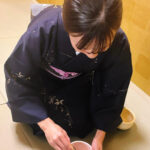
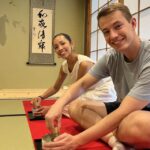
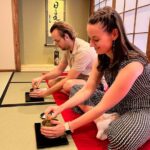
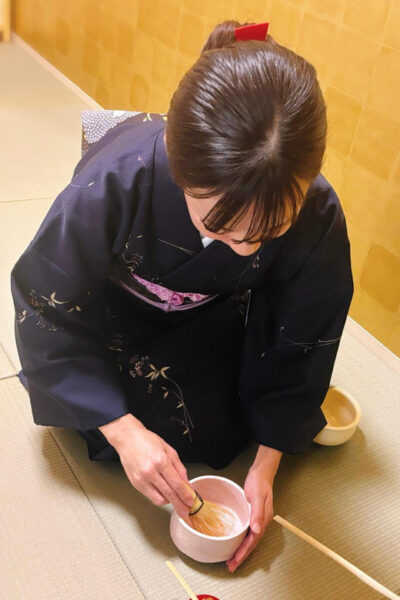
After the dressing, the tour shifts to the tea ceremony portion. This is one of those activities that feels small at first glance, but it is actually the perfect “reset.” The tea service gives you a quiet structure to slow down, and it also helps you understand why calligraphy and ceremonies were historically linked to discipline and presentation.
You will be participating, not just watching. The format is interactive, and the staff explain what things mean and how to handle the flow of the ceremony. You get the practical benefit of learning a few basics you can remember later, instead of hearing a long lecture you forget by dinner.
If you want to get the most out of it, keep your attention on the steps you are doing. Even if you cannot master everything, you will leave with a clearer sense of the mood: how movements stay deliberate, how posture matters, and how the tea moment is meant to feel.
Calligraphy workshop: turning practice into something you can frame
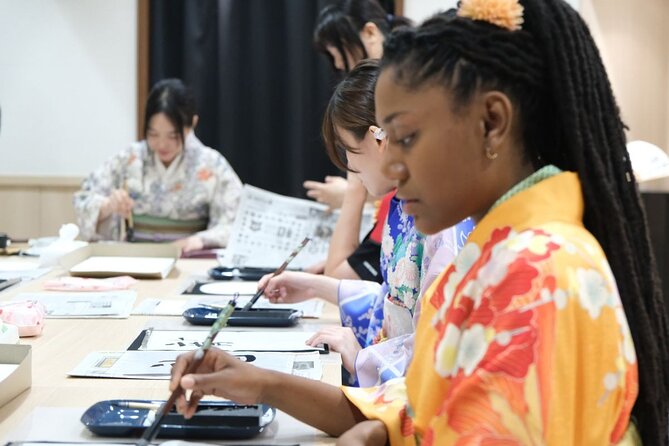
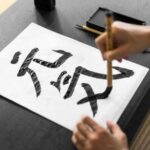
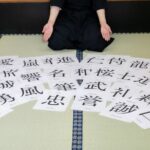
Next comes calligraphy, which is usually the part people remember because it is hands-on. You are learning how to form characters with attention to strokes and control, and you also get guidance so your attempts look better than you think they will.
A standout detail from the experience vibe is that your calligraphy efforts can be framed, which turns the lesson into a keepable souvenir rather than disposable paper. That is part of the value here: you walk away with proof of participation, and you also get a story you can tell later, because you did the work with real instruction.
One smart way to approach calligraphy is to treat it as a short skill session. Do not aim for perfection. Aim for calm and consistency. If you follow the staff guidance on grip and stroke, your page will look more intentional.
Japanese traditional music and a samurai sword show
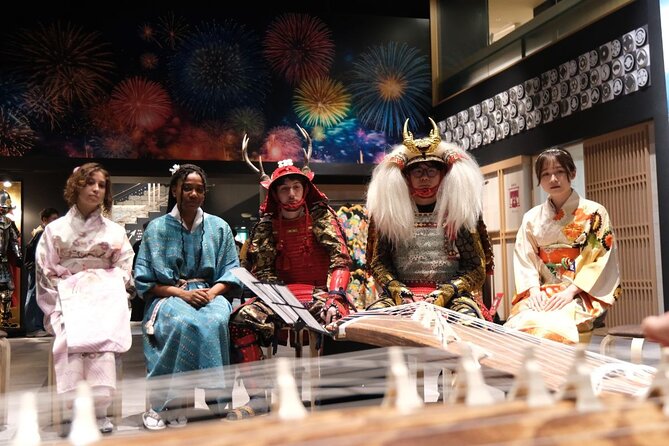
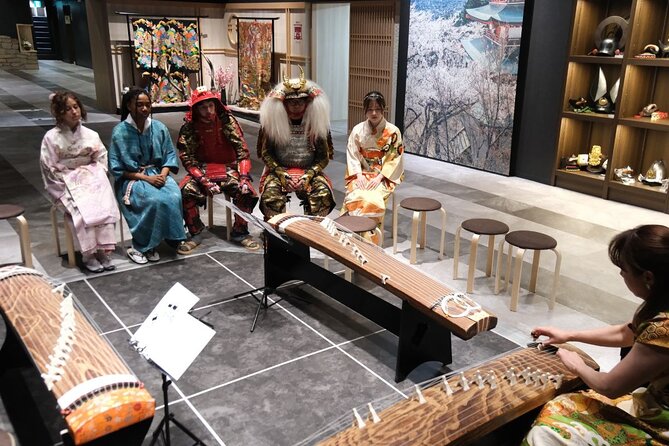
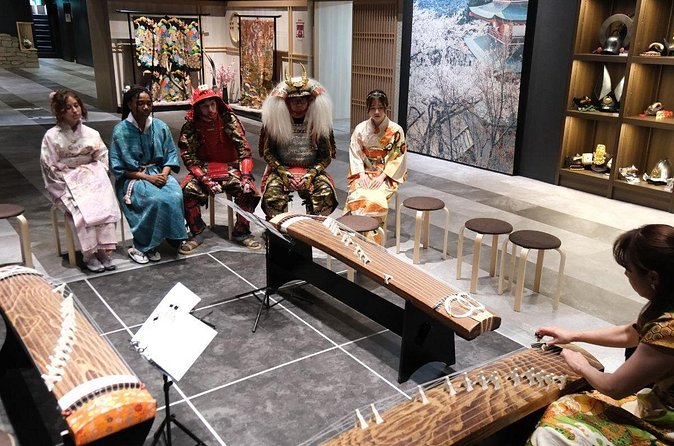
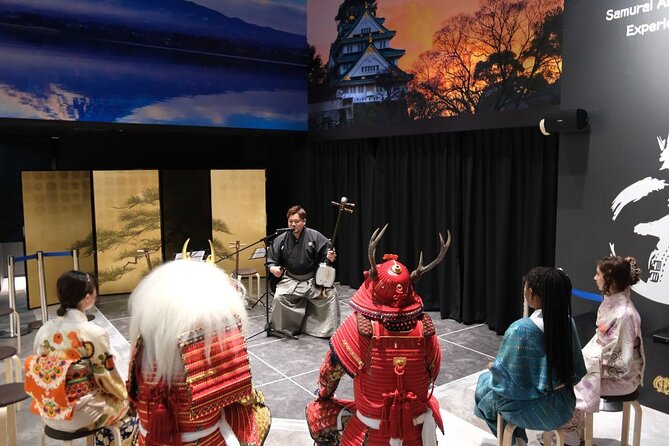
The experience also includes Japanese traditional music performances and a samurai sword performance component. This is where the show element helps the cultural pieces click together.
If you are worried about the session feeling like a theme park, do not. The music and sword segments are not just entertainment padding. They support the larger theme: discipline, performance, and historical style expressed through arts. You also get the chance to enjoy live presentation while you are already wearing the kimono, which makes the experience feel cohesive rather than scattered.
There is also mention of the option to try on armor, though armor dressing is not included in the base price. If you are a history fan, armor is the part that tends to spike excitement, so check how you want to handle that add-on based on your budget.
More time in the dojo

Price and value: what is included, what costs extra
The price is $123.49 per person for a roughly 3-hour experience. That may sound like a lot at first, but you are paying for several guided activities in one block: kimono dressing (women only), tea ceremony participation, calligraphy instruction, and included traditional music programming.
So what is included:
- Kimono dressing (women only)
- Tea ceremony
- Calligraphy
- Japanese traditional music performance
What is not included:
- Armor dressing (optional)
- A souvenir purchase of ¥10,000 per person is listed as not included
Here is how I think about value in plain terms. If you only wanted photos, you would pay less elsewhere. But if you want instruction and participation, the cost starts to make sense because you are not hiring separate workshops across Osaka. Also, staff time and materials matter in calligraphy and tea instruction, and that is part of what you are covering.
If you are watching your spend, you can make the plan simple:
- Do the included activities and skip armor dressing
- Decide about souvenirs based on what you truly want to keep
- Use the photo-friendly courtyard and gallery for your “extra photos,” not extra shopping
Timing, tickets, and how to plan your photos
This is designed to run smoothly in about 3 hours. You get a mobile ticket, which is convenient if you hate paper tickets or want fewer things to manage while you are exploring Osaka. Also, since it is near public transportation, you can fit it into a day that already includes shopping or a museum stop nearby.
For photos, think in layers. You will likely get multiple chances for pictures:
- Before and during kimono dressing
- After you have your kimono set
- During the courtyard and gallery time
My practical tip: bring your phone fully charged and clear storage if you plan to take lots of photos. With multiple activity points, you can end up with more pictures than you planned.
Another small but useful tip is to wear easy shoes to get to the venue. Once you are dressed, you may have to move carefully depending on your outfit, and comfort matters. You do not want to start the experience distracted by sore feet.
Who should book this in Osaka?
This is a great fit if you want a structured cultural experience with clear steps and real participation. It is especially good for first-time Osaka visitors who want something more meaningful than another checklist stop. You also get value if you like crafts and performance because the itinerary combines calligraphy and tea with music and samurai sword elements.
It suits groups that are flexible with activities. If you prefer learning by doing rather than reading, you will likely appreciate the pacing. The program notes that most travelers can participate, which suggests it is not restricted to experts.
It is important, though, to plan with the group mix in mind. Since kimono dressing is women only, make sure everyone in your party understands what is included for them. If someone in your group was hoping to dress in armor, armor dressing is listed as not included, so budget accordingly.
Should you book -michi- for samurai, tea, and calligraphy?
Book this if you want one focused session in Osaka where you learn, participate, and leave with something tangible. The biggest reason is the hands-on combo: kimono dressing, tea ceremony, and calligraphy, plus live traditional music and a samurai sword performance. That mix makes the experience feel complete without stretching into a whole day.
Do not book it if you are only looking for a quick photo stop. This is about steps and instruction. Also, be sure the kimono part fits your group, since it is women only, and armor dressing is optional and extra.
If your goal is a memorable cultural morning or afternoon with good guidance and a setting that photographs well, this is one of those experiences that earns its price.
FAQ
Is kimono dressing included?
Yes. Kimono dressing is included, and it is women only.
What activities are included in the tour price?
The included activities are kimono dressing (women only), a tea ceremony, calligraphy, and a Japanese traditional music performance.
Is samurai armor dressing included?
No. Armor dressing is not included in the price.
Are there souvenirs to buy?
A souvenir amount of ¥10,000 per person is listed as not included.
How long is the experience?
The duration is about 3 hours.
Can I get a full refund if I cancel?
Yes. Free cancellation is available up to 24 hours in advance for a full refund.
Brush, Ink and Workbench
More Hours in the Dojo


More Tea Rooms Worth Booking

Latest out of Osaka


Tea Ceremony & Matcha Sessions in Osaka, side by side.
 ★ 4.9Osaka: Tea Ceremony ExperienceFrom $251,426 reviews
 ★ 5.0Tea Ceremony Experience in Osaka DoutonboriFrom $20754 reviews
 ★ 5.0Matcha Making Class in Osaka with Authentic Japanese Sweets SetFrom $21509 reviews
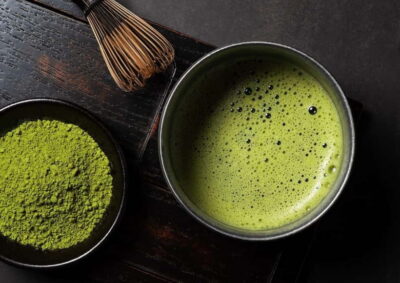 ★ 5.0Osaka: Matcha Making Experience with Japanese SweetsFrom $22146 reviews
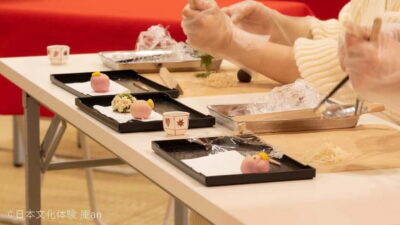 ★ 4.7Osaka: Japanese Traditional Sweets Making and Tea CeremonyFrom $18118 reviews
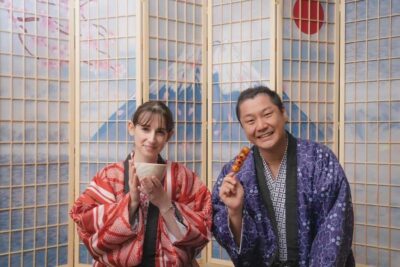 ★ 4.9Osaka Temple Cool Foot Bath & Matcha Experience〈45min〉From $3482 reviews
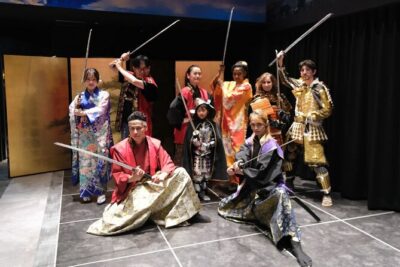 ★ 5.0Samurai Show, Tea Ceremony, Japanese Traditional ActivitiesFrom $4456 reviews
 ★ 5.0Osaka: Private Tea Ceremony and Calligraphy ExperienceFrom $6450 reviews