
REVIEW · OSAKA CALLIGRAPHY & ARTISAN WORKSHOPS
Osaka: Private Japanese Traditional Ceramics Experience
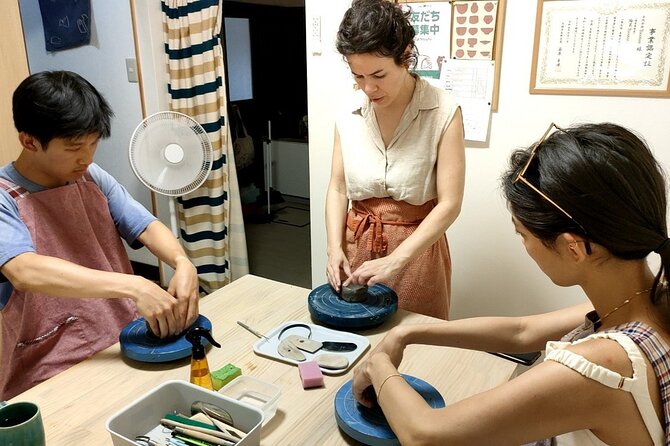
Your Osaka souvenir starts as raw clay. A private Japanese ceramics workshop in the south of Osaka turns food and tableware into something you can actually hold, with private instruction and a choice of sake set, sushi set, or tea bowl. I love how Anna and Ryo teach both technique and meaning, so the work feels tied to Japanese daily life instead of just craft time. I also like the small scale, where you get real guidance and time to ask questions without feeling rushed. One thing to plan for: if you ship your pottery home, it takes about a month and a half, and the shipping fee is extra.
You’ll meet at Teradachō Station and head to a century-old two-storey house in Abeno Ward, a part of Osaka that feels more lived-in than the usual tourist loops. On top of hands-on ceramics, you get a warm drink, plus a couple of classic kitchen-table take-homes like a sakura chopsticks rest. If you want something you can pack the same day, this is less ideal because firing and shipping take time.
Key things I’d mark on your Osaka plan
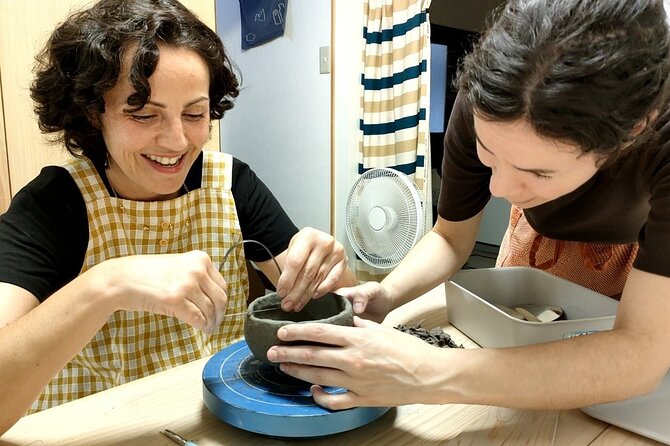
- Private ceramics teaching for your group, so you can learn at your pace
- Historic two-storey studio in southern Osaka, away from the most tour-busy areas
- Choose what to make: sake set, sushi set, or a tea bowl (chawan)
- Cultural context with practical instruction, led by Anna and Ryo
- Language support including English, Spanish, Catalan, and Japanese
- Kiln timing matters if you want home delivery, about 1.5 months
Why this Osaka ceramics workshop feels different from a basic craft class
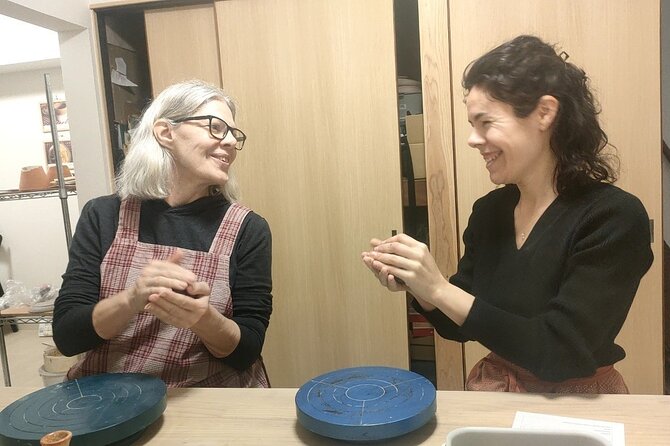
Most pottery experiences stop at making something cute and moving on. This one starts with clay, but it keeps pointing you back to everyday Japanese gastronomy. You’re shaping items like a sake set or a sushi plate because Japanese tableware is part of the ritual, not an afterthought.
The private format is a big deal. With only your group, Anna and Ryo can slow down when you need it, adjust the process to your comfort level, and explain why certain shapes, finishes, or handling choices matter. That makes the end result feel personal, not generic.
The setting helps, too. The workshop is in a century-old two-storey house, and the walk from the station goes through a street lined with local food shops. It’s a nice way to see Osaka that doesn’t rely on a guided highlight circuit.
More ink, more craft benches
Getting to Teradachō Station and reaching the studio in Abeno Ward
The meeting point is at Teradachō Station (2 Chome-3 Tennojichokita, Abeno Ward, Osaka, 545-0001). From there, you’ll head to the studio in the south of the city. Give yourself a little buffer time, because the whole point is that you’re not just hopping between famous sights, you’re getting a feel for the neighborhood.
Several past participants describe being helped along by Anna or Ryo to make the transition easy. Even if that’s not guaranteed in every schedule, you can plan on a friendly, straightforward welcome once you arrive. Your best move is to arrive early enough to settle your bearings, then enjoy the short walk as part of the experience.
A practical note: because this workshop happens in a residential area, you’ll likely find it calmer than the big tourist zones. That’s the advantage, but it also means you should avoid cutting it close on timing.
What you make in the 2-hour session: sake set, sushi set, or chawan
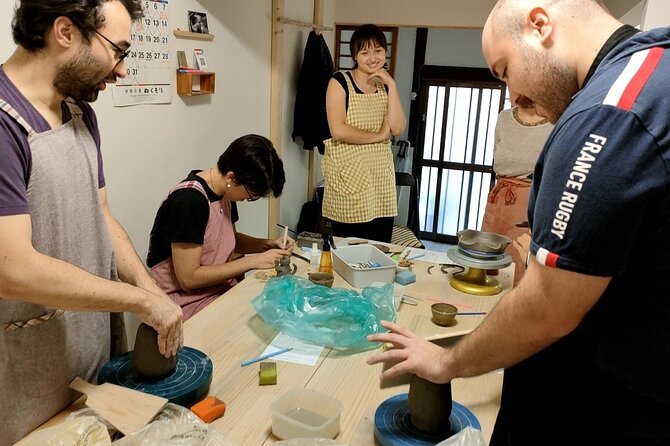
You choose one main project from three ceramics options tied to Japanese eating habits:
- Sake set, with a small bottle and a glass
- Sushi set, with a sushi plate and a chopstick holder
- Tea bowl (chawan), used for tea rituals
All of these are designed to connect function with form. That’s why the instruction matters. You’re not only copying a sample, you’re building something with a purpose, and Anna and Ryo talk through the cultural logic behind the look and feel.
One detail I like: the workshop is described as clay work related to Japanese gastronomy. That means the class theme stays focused, even though you can pick different end products. The time doesn’t sprawl into random pottery topics.
Inside the century-old house: your hands-on flow and what you’re actually learning
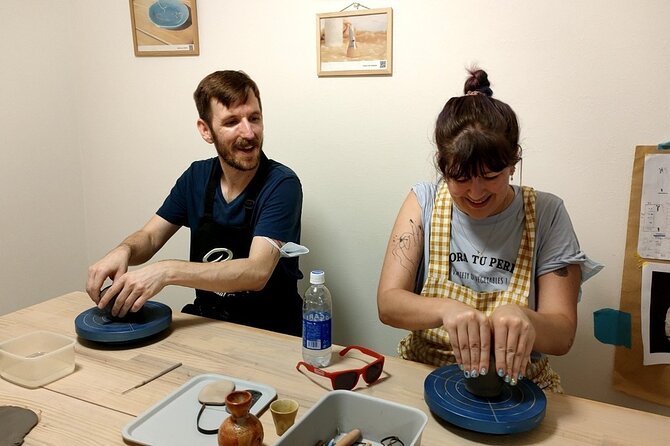
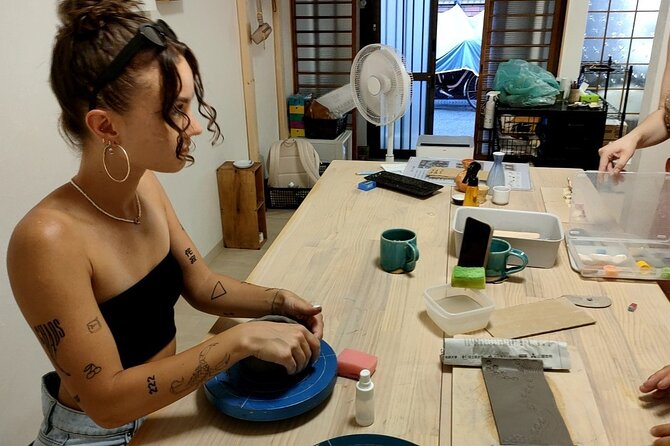
The workshop runs about 2 hours. In that window, the team talks about Japanese culture while you work with clay. You’ll start by learning the basics of hand building, not wheel throwing, so it’s a style that beginners can approach without needing previous pottery experience. If you’ve only seen potter’s wheels, don’t worry. This format is different, and that can be a relief.
Expect a clear step-by-step process and lots of patience. The reviews emphasize how Anna (often alongside Ryo) coaches you through the technique, and also how she explains the meaning behind what you’re making. That combination is the real value.
Here’s how to get the best results for your own session:
- Ask questions while you’re working, not after.
- Don’t try to rush perfection. The point is getting the shaping right and making choices that feel like you.
- Pay attention to the small handling tips, because they affect the final look after firing.
You’ll also be offered Japanese green tea, coffee, or water, which sounds small but helps a lot in a hands-on class. It makes the studio feel welcoming and keeps you comfortable while you learn.
The cultural angle: why Japanese tableware is more than decoration
Ceramics in Japan are often tied to daily rituals. In this workshop, that idea comes through in the way the projects are chosen and the way the teaching is framed.
If you make a sushi set, you’re working toward something that supports eating, presentation, and the small choreography of using chopsticks. If you make a sake set, the pieces relate to sharing and tempering the moment, not just pouring a drink. If you make a chawan, you’re shaping a tea bowl that connects to an even older rhythm of ceremony and calm.
I also appreciate that this class isn’t stuck in only tourist-friendly history talk. The studio is in a neighborhood built for real life, and the teaching connects the craft to what people do with food and drink, where tableware actually belongs.
Just your group: more private options



Souvenirs you’ll take home, plus what happens after firing
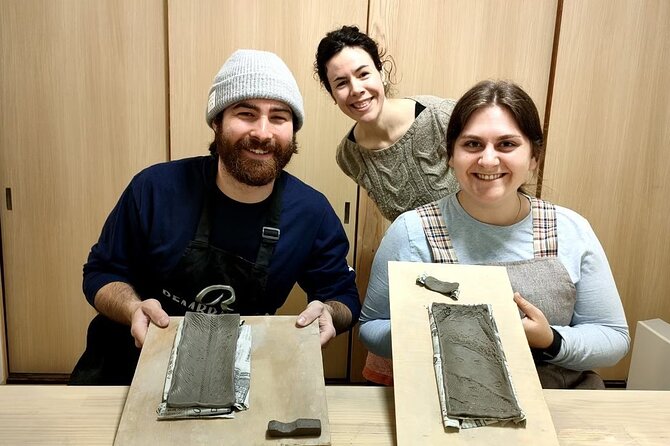
Even though you’ll make your own pieces, you also receive take-home items as part of the experience. Included in the package is a Japanese traditional small dish and a sakura-shaped chopsticks rest. One of the distinctive points from the workshop is that these pieces are created with care and linked to Japanese aesthetics, including sakura details.
For your main workshop piece, there’s a finishing step after your session. The pottery needs time to fire and set. The timeline given is about 1 month and a half to ship your pottery, and the shipping fee isn’t included.
So you have two paths:
- If you want your pieces mailed, plan for that waiting window.
- If you need a souvenir immediately for travel, this isn’t the kind of workshop that will reliably hand you ready-to-pack fired ware on the spot.
One more practical thing: the workshop offers to send what you made to your home if you want, but because shipping is extra, you should budget for it if that’s your plan.
Language options: English, Spanish, Catalan, and Japanese support
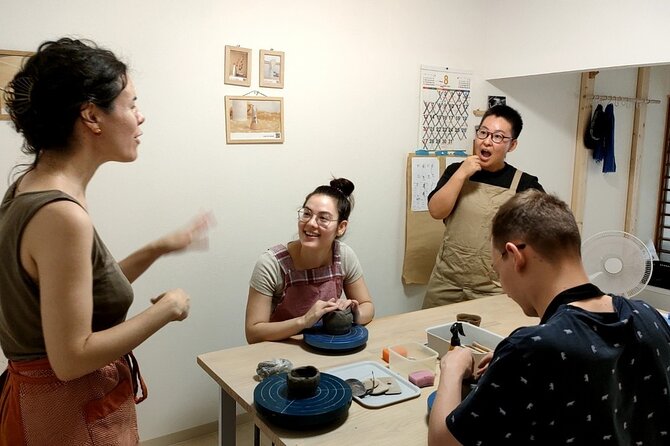
This class stands out for language variety. Instruction is offered in English, Spanish, Catalan, and Japanese. The workshop guidance is described as being given in Spanish, Catalan, or English, and the offering of Spanish and Catalan is specifically noted as a difference compared to other ceramics experiences.
Why you should care: if you’re learning in your preferred language, you can ask sharper questions. You’ll understand the why behind the technique, and you’ll make fewer mistakes that come from misunderstanding steps or cultural context.
If your group has mixed language preferences, this is one of the nicer places to look, because the workshop doesn’t treat language as an afterthought.
Price and value: is $94.13 per person worth it?
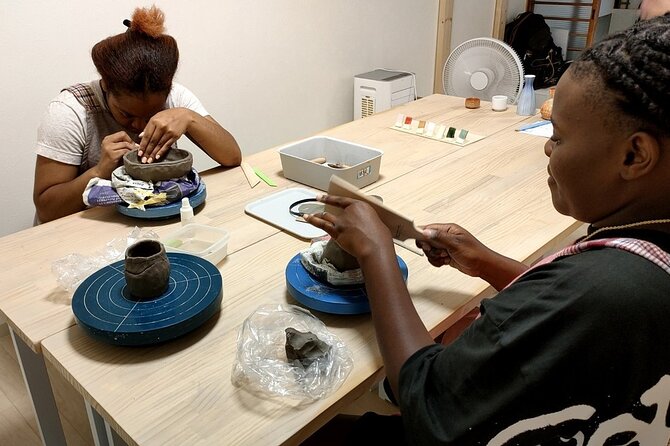
At $94.13 per person for an approximately 2-hour private session, you’re paying for more than clay time. Your fee includes:
- Instructor time
- Material costs
- Firing fee
- A take-home dish and a sakura chopsticks rest
- Green tea, coffee, or water
- Tax
What’s not included is shipping, if you choose to have your pottery sent home.
Here’s how I’d judge the value for you. If you want:
- a private learning experience,
- tied-in cultural context,
- and a package where key costs like materials and firing are handled,
then the price can feel very fair. If your main goal is just a quick souvenir you can carry home immediately, you might compare it to cheaper group ceramics. But this one is set up to give you a guided, meaningful result, and that’s where the money goes.
Also, it’s been booked on average about 46 days in advance, which is a soft indicator that people find it worth planning for.
Who this Osaka class suits best, and who might skip it
This experience is a strong match if you want something active, hands-on, and a little off the standard Osaka tourist route. It also fits families and beginners, especially because Anna is repeatedly described as patient and supportive.
It’s also a good choice if you’re the kind of traveler who likes to bring home a souvenir with a story. A sushi plate or sake set you made yourself feels different from a mass-produced trinket, and the sakura chopsticks rest adds a classic touch.
I’d consider skipping or adjusting expectations if:
- you’re very time-crunched and need a fired, ready-to-pack souvenir immediately,
- you don’t want to deal with kiln timing and optional shipping costs,
- or you expected wheel throwing specifically. This is hand-building focused.
Quick practical tips before you go
- Pick your project based on how you’ll display or use it. A chawan is more about tea ritual, a sushi set is presentation-focused, and a sake set is about sharing.
- Wear something you don’t mind getting a little messy, even if the studio environment is tidy.
- If you’re shipping, decide early so the team can plan properly around firing timelines.
- Bring questions about the culture side, not just the clay side. That’s where you get the extra value.
Should you book Ceramics Tocoton in Osaka?
If you want a private pottery workshop that blends technique with Japanese gastronomy and tableware culture, I think this one is worth booking. The studio location in southern Osaka, the century-old house setting, and the fact that instruction is available in English, Spanish, and Catalan make it an unusually good fit for many travelers.
The main reason not to book is simple: if you need everything finished and packed the same day, the firing and about 1.5-month shipping timeline makes this less practical. If you can plan for that, you’ll come away with a meaningful souvenir and a very different Osaka day than the usual checklist tour.
FAQ
How long is the Osaka private ceramics workshop?
The workshop lasts about 2 hours.
Where is the meeting point?
You meet at Teradachō Station, 2 Chome-3 Tennojichokita, Abeno Ward, Osaka, 545-0001, Japan.
Is the experience private?
Yes. It is a private tour or activity, and only your group participates.
What can I make during the class?
You can choose one of these options: a sake set (small bottle and glass), a sushi set (sushi plate and chopstick holder), or a tea bowl (chawan).
What language is the class taught in?
The workshop is offered in English, Spanish, Catalan, and Japanese.
Are materials and firing included in the price?
Yes. Material costs and the firing fee are included.
Will I be able to take the pottery home immediately?
If you want your pottery shipped home, it takes about 1.5 months. Shipping is not included in the price.
What souvenir items are included besides what I make?
In addition to your workshop pieces, you receive a Japanese traditional small dish and a sakura-shaped chopsticks rest, plus a welcome drink (green tea, coffee, or water).
Is the workshop near public transportation?
Yes. The meeting point is near public transportation.
What if weather is bad?
This experience requires good weather. If it’s canceled due to poor weather, you will be offered a different date or a full refund.
Can I cancel for a full refund?
Yes. You can cancel up to 24 hours in advance for a full refund.
Just Your Group: Private Options





More Tour Reviews in Osaka




Brush, Ink and Workbench


Latest out of Osaka


Osaka Calligraphy & Artisan Workshops, side by side.
 ★ 5.0Osaka: Private Japanese Calligraphy ExperienceFrom $5166 reviews
 ★ 5.0Osaka: Traditional Japanese Ceramics Private ExperienceFrom $9657 reviews
 ★ 5.0Calligraphy Workshop in Namba, DotonboriFrom $4957 reviews
 ★ 4.5Learning Zen of Japanese Calligraphy in kimono near Osaka CastleFrom $4353 reviews
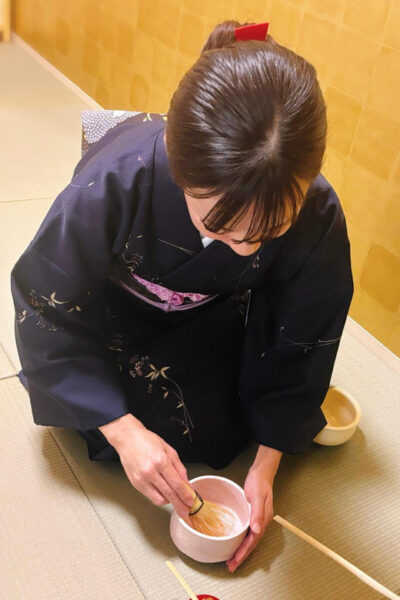 ★ 5.0Osaka: Private Tea Ceremony and Calligraphy ExperienceFrom $6450 reviews
 ★ 5.0Samurai dress-up and shows, plus Tea Ceremony & CalligraphyFrom $12327 reviews
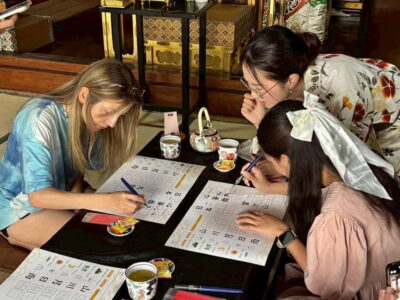 ★ 4.9Osaka: Temple Tour and Traditional Calligraphy LessonFrom $2024 reviews
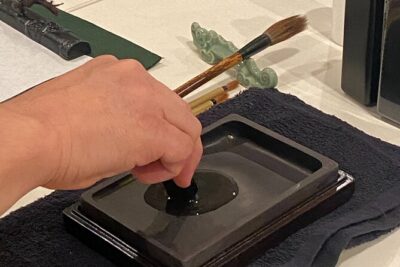 ★ 5.0Japanese Calligraphy Experience in OsakaFrom $5121 reviews
Also worth a look in