
REVIEW · OSAKA CALLIGRAPHY & ARTISAN WORKSHOPS
Osaka: Traditional Japanese Ceramics Private Experience
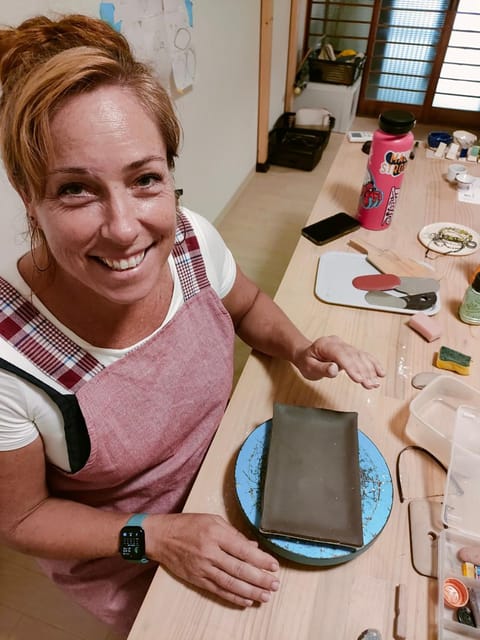
Handmade pottery in Osaka is a surprisingly calm reset. This private workshop pairs a century-old neighborhood walk with hands-on instruction, and you’ll make a Shigaraki-clay piece tied to Japanese food culture. I also really like that the class is private, so Anna can slow down or speed up for your level, from first-time hands to returning ceramic fans.
One catch to plan for is timing: your main piece can be shipped later, but shipping costs extra and it takes about 1.5 months to arrive. Also, you’ll need to be on time, because more than 15 minutes late is treated as a no-show.
Key points before you go
- Meet at Teradachō Station north exit and find the guide holding the Ceramics Tocoton sign
- Choose one gastronomy project: sake set, sushi set, or a chawan (tea bowl)
- Work with Shigaraki clay plus typical Japanese glazes for a true look
- Private, step-by-step hand-building with clear guidance and lots of conversation
- Take a handcrafted parting gift: a small patterned dish plus Sakura-shaped chopstick holder
- Optional shipping for what you make, with the wait around 1.5 months
From Teradachō Station to a century-old studio
The day starts simply, and that matters when you’re traveling. Meet at JR Teradachō Station, north exit, and look for your guide carrying the Ceramics Tocoton sign. Then you’ll head out on foot, leaving the most tourist-heavy streets behind.
The studio itself is in a two-story, century-old house by a local-food street with shops nearby. Expect the vibe of old Osaka, not a cookie-cutter workshop room. In winter, there’s heating, and the place is kept very clean, which makes the whole process feel comfortable rather than precious.
I like that the walk is built in. It takes you from train-station convenience to real daily-life Osaka, so the class feels connected to place, not staged. If you’re the kind of traveler who enjoys small neighborhood changes like that, this format clicks.
More ink, more craft benches
Pick your project: sake set, sushi set, or chawan
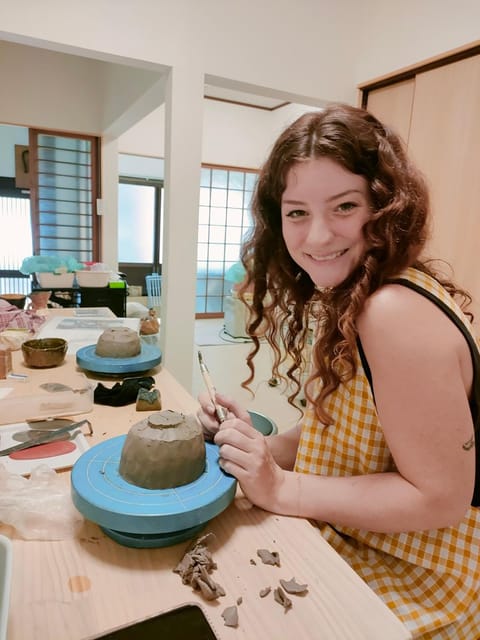
This workshop is focused. You choose one main set to build, and the instructor walks you through the shaping and finishing.
Here’s what you can make:
- Sake set: a small bottle plus a glass
- Sushi set: a sushi plate plus a chopstick holder
- Chawan for tea: a tea bowl meant for daily-style tea rituals
I like the choice because it links pottery to something you’ll actually remember. If you’re a food person, you get to translate that theme into clay, glaze, and form. And because you’re making functional shapes, not just a decorative trinket, the final piece feels more personal.
A small practical note: the instructions and explanation will be tailored to your chosen option, so decide based on what you’ll use back home. A chawan is great if you like tea, while the sushi set can be a fun centerpiece for entertaining.
Shigaraki clay and classic Japanese glazes, why the look matters
The key material is clay from the Shigaraki area, one of Japan’s traditional pottery production zones. That alone gives the piece a foundation that feels distinctly Japanese, not generic “souvenir ceramic.”
Then comes the fun part: you apply typical Japanese glazes to bring your piece to life. Those glazes are what turn raw form into the kind of color and finish you see in real Japanese tableware and studio ceramics.
In practice, what you’re learning is more than how to press clay into a shape. You’re learning how potters think about thickness, edges, and how the surface will look after firing. Even if you’ve never handled pottery before, the process stays doable because the instructor teaches each step clearly and stays patient.
If you care about authenticity, this material choice is one of the best reasons to do the class here rather than just buying something pre-made. You’re making something with the same starting point potters rely on.
The instructor vibe: Anna’s mix of Osaka and Barcelona practice

Anna leads the experience, and her background shows in how the lesson is paced. She studied ceramic making in Osaka and Barcelona, and you feel that mix in her teaching style: practical, not lofty, with enough context to make the craft click.
Language support is also a big deal. The workshop runs in English, Catalan, or Spanish, with Japanese also available. That means you can keep the conversation going without turning the class into a guessing game.
Anna is also very attentive. People describe clear instructions, patience, and a calm, friendly atmosphere that makes it feel like you’re being taught by someone who actually wants you to succeed. If you’re traveling with friends or family, a private session is a real advantage because questions do not get lost in the shuffle.
In at least some cases, her studio network includes others too, like Ryo showing up alongside Anna. Even if you only meet Anna, the experience still has that small-team feel, more “studio time” than “tour activity.”
What the private 2-hour class feels like
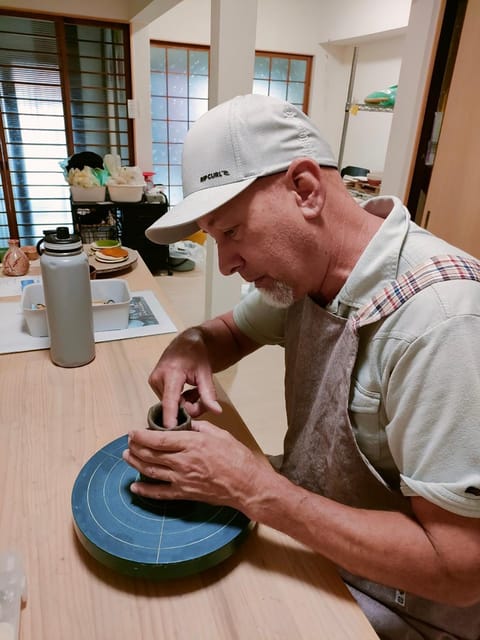
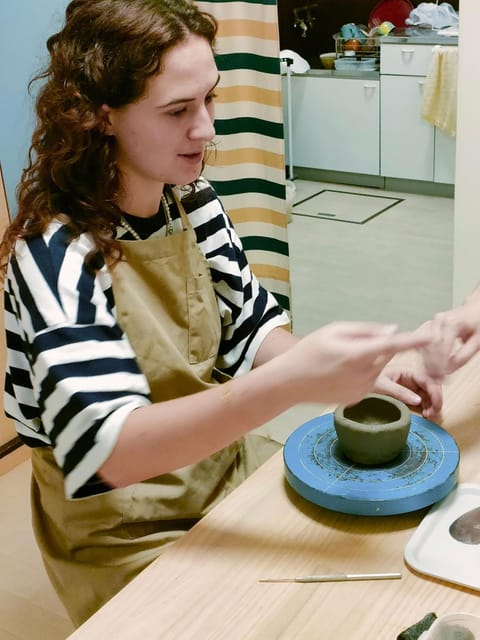
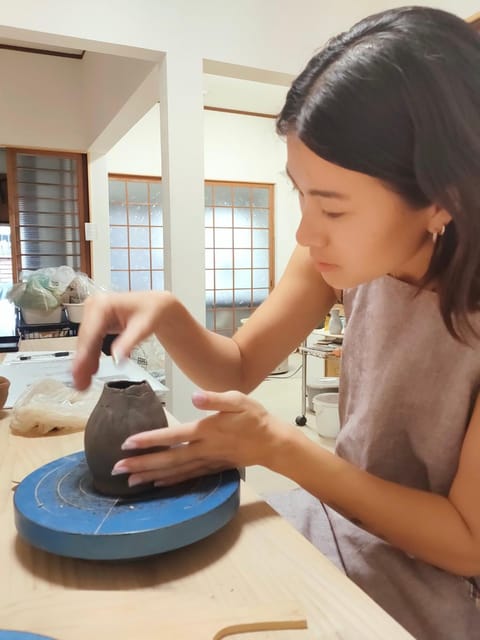
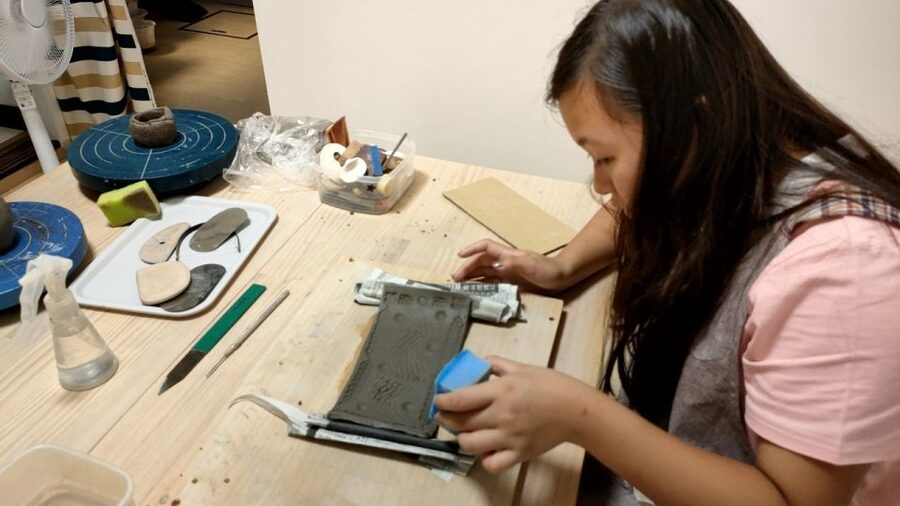
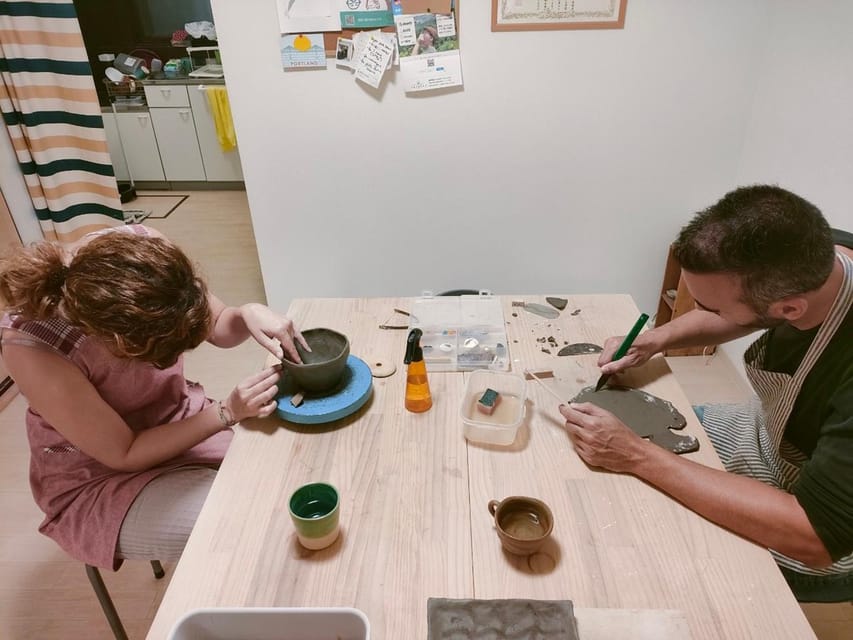
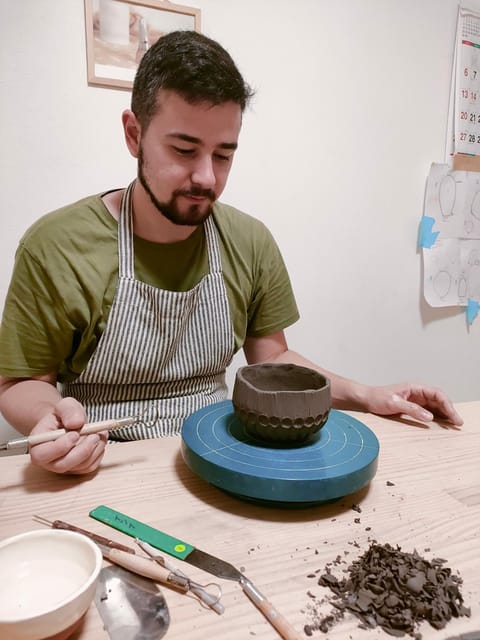
The class lasts about 2 hours, and it’s structured enough to keep you moving, but not rushed. You’ll start by meeting your instructor and getting guidance on your chosen piece. Then you’ll build it with step-by-step help, with time to correct course while the clay is still workable.
Expect a mix of making and explanation. Part of the session includes talking about Japanese culture and how the ceramics connects to Japanese gastronomy. You’ll also discuss design choices, especially when you’re deciding how to proceed with glazes and finishes.
In reviews, people often mention how “hands-on” it feels, not like the instructor does the work for you. That matches what you want from a pottery workshop. You leave with something that is clearly yours, and the memories of building it stay tied to the object.
At the end, there are finishing steps and some care with posting or shipping if you want it. You don’t just walk away at the midpoint and hope for the best.
Just your group: more private options



The Osaka neighborhood walk is part of the value
This isn’t only a studio lesson, it’s also a short local walk. You’re picked up from the station, then guided toward the workshop area that’s near street-level shops and everyday food spots.
That might sound small, but it helps in two ways. First, it makes navigating Osaka less stressful. Second, it frames the ceramics as part of daily culture, not an isolated hobby stop.
If your Osaka plan is already packed with big sights, this is a smart counterbalance. The pace is calmer, and the focus is on making something with your hands while you learn. It’s the kind of activity that gives your trip texture, not just photos.
Your take-home gift: Sakura chopsticks plus a small dish
Even before your main piece arrives (if you ship), you get a gift. Your parting present includes:
- a small dish with a traditional Japanese pattern
- a Sakura-shaped chopstick holder
Some descriptions add that it’s a small plate suited to a sushi style presentation, decorated with traditional enamels. Either way, the message is the same. You’re leaving with a handcrafted reminder made by your instructor, not a generic store souvenir.
I love these smaller gifts because they’re useful and they travel well. You can put chopsticks on your dining table immediately and feel like you brought home a piece of the class the same day.
Shipping your finished pottery: plan for the wait
If you make your piece and want it sent home, you can. Shipping is not included in the price, and it takes about 1 month and a half for pottery to reach you.
This matters for planning. If your trip ends soon and you need everything in your suitcase, you may want to confirm whether you can take the finished item with you right away. The data here clearly states shipping is an option, but it doesn’t spell out how often same-day pickup is available, so the safe move is to ask when you book.
Also, if you’re the type who hates uncertainty, remember the timeline upfront. The good news is that the class is still a full experience without the final firing results in hand immediately, because you do the core shaping and glazing during the session.
Price and value: $96 for private materials plus a studio gift
At $96 per person for a 2-hour private class, the price is easiest to judge by what you actually get.
Included:
- instructor guidance
- materials, including Shigaraki clay and typical Japanese glazes
- a finished ceramic product (with the option to ship)
- pickup from Teradachō Station
- a take-home gift (small dish plus Sakura chopstick holder)
Transportation to the meeting point is not included, and shipping costs extra. Still, the package is stronger than many “make-a-craft” activities because the materials are specific, and the private format means you are not sharing instruction with strangers.
If you compare this to buying ceramics in a shop, you’re not just paying for an object. You’re paying for technique coaching, cultural explanation, and the satisfaction of making something that matches your chosen food theme. For me, that’s the value: the object is the souvenir, but the learning is the real memory.
Who this Osaka ceramics class suits best
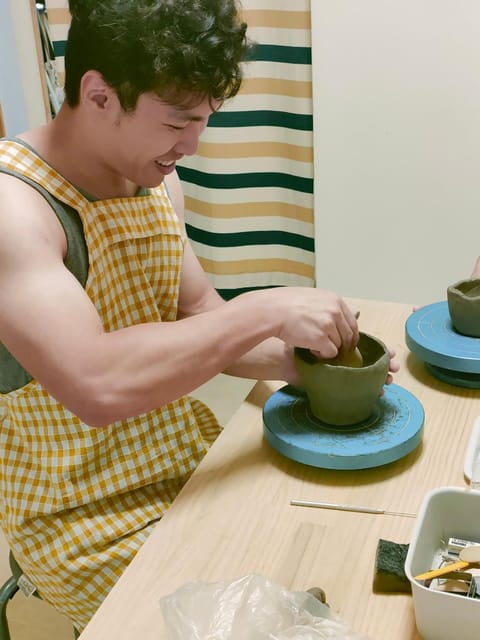
This workshop fits best if you want a hands-on cultural activity that doesn’t feel like a high-speed checklist.
It’s a great match for:
- first-timers who want clear instruction and a relaxed pace
- travelers who enjoy Japanese food themes and tableware
- couples or small groups who prefer private teaching
- people who like taking home something personal, not mass-produced
It may not fit if:
- you need everything in your hands the same day
- you cannot handle a meet-up that requires punctual arrival (15 minutes late is a no-show)
One more practical detail: it’s not suitable for children under 5. If you’re traveling with younger kids, you’ll need a different activity.
Quick practical tips to make your class smooth
- Wear comfortable clothes. Clay work can get messy, even when the studio is clean.
- Be on time at Teradachō Station. The process starts when you arrive, not after.
- Choose your set based on what you’ll actually use at home. A chawan or sushi set can become a daily-life item, not only decor.
- If you’re shipping, plan for the 1.5 month timeline and the extra shipping fee.
Should you book this Osaka ceramics workshop?
If you want an Osaka experience that mixes real craft with real conversation, I’d book it. The private format, the specific Shigaraki clay, and the focused choices (sake set, sushi set, or chawan) make it feel intentional, not random.
The only reason to hesitate is logistics. If you dislike waiting for shipping results or you’re arriving with too-tight timing, you’ll need to plan around that. Otherwise, this is the kind of workshop that leaves you with a take-home object and a story you can explain at dinner long after your flight.
FAQ
Where is the meeting point?
You meet at JR Teradachō Station, north exit. Look for the guide carrying a sign for the studio, Ceramics Tocoton.
How long does the experience last?
It lasts about 2 hours.
Is this a private class?
Yes. It’s a private group experience.
What can I choose to make?
You choose one option: a sake set (small bottle and glass), a sushi set (sushi plate and chopstick holder), or a chawan for tea.
What materials are provided?
You’ll use clay from the Shigaraki area and typical Japanese glazes.
Is there a take-home gift?
Yes. You receive a small dish with a traditional Japanese pattern and a Sakura-shaped chopstick holder.
Can my pottery be shipped home?
Yes, the pieces made during the workshop can be sent to your home. Shipping costs are not included, and it takes about 1 month and a half.
What languages are offered?
The workshop is available in English, Catalan, Spanish, and Japanese.
What is included in the price?
The price includes the instructor, materials, the finished ceramic product, pickup from Teradachō Station, and the gift.
Is it suitable for young children?
It is not suitable for children under 5 years. If you are more than 15 minutes late, it is considered a no-show, so timing matters.
Just Your Group: Private Options





More Tour Reviews in Osaka




Brush, Ink and Workbench


Latest out of Osaka


Osaka Calligraphy & Artisan Workshops, side by side.
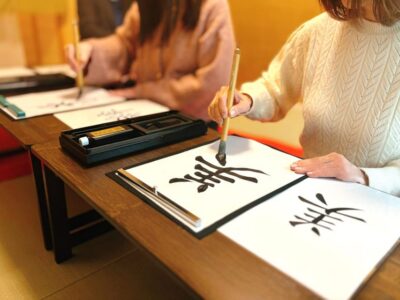 ★ 5.0Osaka: Private Japanese Calligraphy ExperienceFrom $5166 reviews
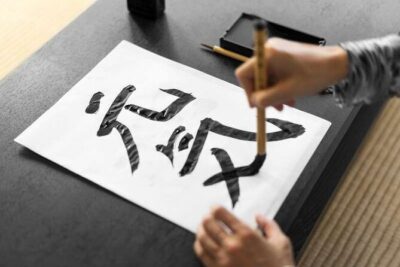 ★ 5.0Calligraphy Workshop in Namba, DotonboriFrom $4957 reviews
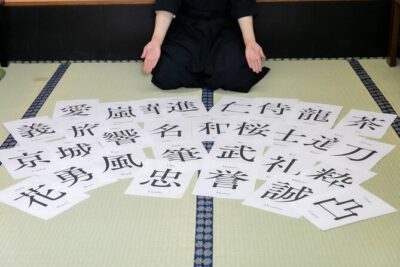 ★ 4.5Learning Zen of Japanese Calligraphy in kimono near Osaka CastleFrom $4353 reviews
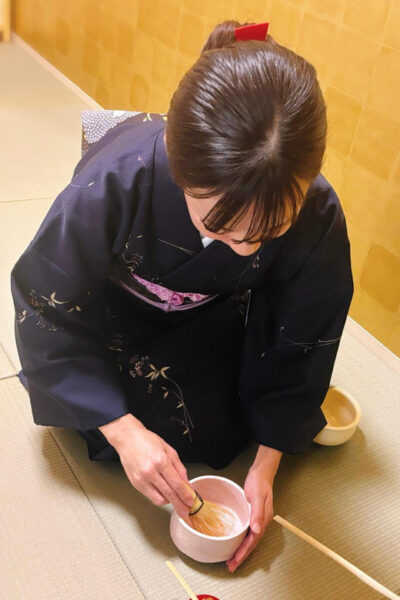 ★ 5.0Osaka: Private Tea Ceremony and Calligraphy ExperienceFrom $6450 reviews
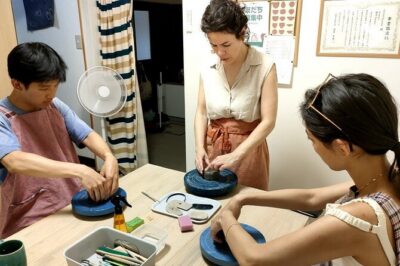 ★ 5.0Osaka: Private Japanese Traditional Ceramics ExperienceFrom $9429 reviews
 ★ 5.0Samurai dress-up and shows, plus Tea Ceremony & CalligraphyFrom $12327 reviews
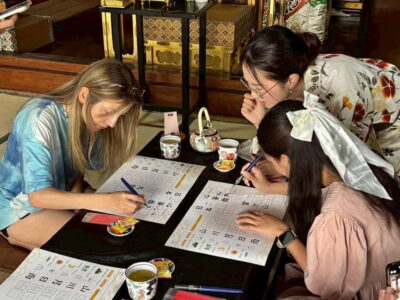 ★ 4.9Osaka: Temple Tour and Traditional Calligraphy LessonFrom $2024 reviews
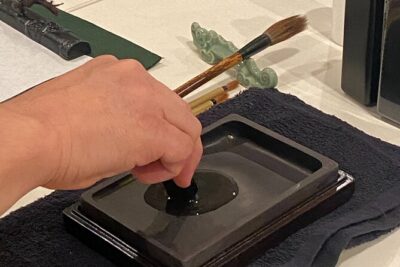 ★ 5.0Japanese Calligraphy Experience in OsakaFrom $5121 reviews
Also worth a look in