
REVIEW · OSAKA HOME COOKING CLASSES
Osaka Sushi Cooking Class “Learn here and make it at home”
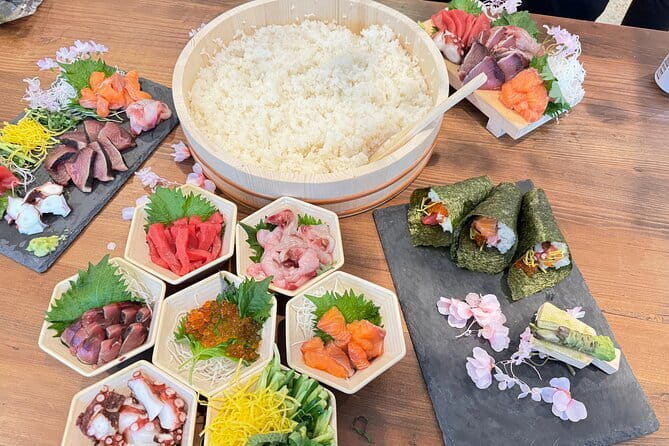
Make sushi, then eat what you made.
This hands-on Osaka class teaches maki sushi rolls and temari sushi rice balls, with a clear rhythm of 30 minutes of setup, 1.5 hours cooking, and 1 hour tasting. I like that you get friendly guidance from instructors who can switch between English, Japanese, and Spanish, and that all ingredients and tools are provided, so you are not scrambling for supplies. One thing to plan around: if you have food allergies or you need a vegetarian option, you have to contact the organizer after booking.
It also helps that the kitchen is in a quieter pocket of central Osaka, about a 5-minute walk from both Shinsaibashi and Honmachi stations. The class caps at 8 people, which keeps it hands-on and means questions get answered quickly.
Key Points You Will Care About
- Maki plus temari, two popular Japanese home styles in one session
- All tools and ingredients included, so you come ready to cook
- English instruction guaranteed, with Spanish added on request
- Small group size up to 8, better attention during shaping and rolling
- Tasting with drinks, including sake and beer for those 20 and older
- Central Osaka location, easy to reach, calm enough to focus on cooking
Arriving at the Kitchen Near Shinsaibashi and Honmachi
The meeting point is in Minami-Senba, Chuo Ward, at 南船場コレット9044-chōme-3-1 Bakurōmachi, Osaka 541-0059. You are also close to Osaka Metro stations: Shinsaibashi and Honmachi are each about a 5-minute walk away, so you can pair this class with shopping or sightseeing before or after.
What I like about this setup is that it feels practical. You do not need private transportation, and you can keep your day flexible. The neighborhood is described as quiet and peaceful even though you are in the center, so you can actually hear instructions instead of competing with traffic noise.
The class runs a total of about 3 hours and ends back at the same meeting point, which makes it easy to plan your next stop without a long commute.
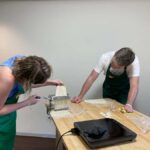
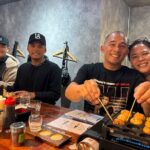
More kitchen tables to sit at
What You Make: Maki Rolls and Temari Rice Balls
This is not just a show-and-tell cooking class. You learn how to make two homemade sushi styles that are common in Japan:
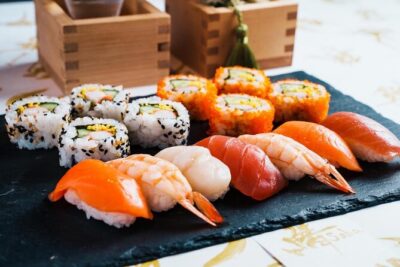
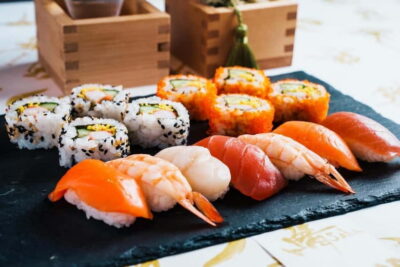
Maki sushi rolls
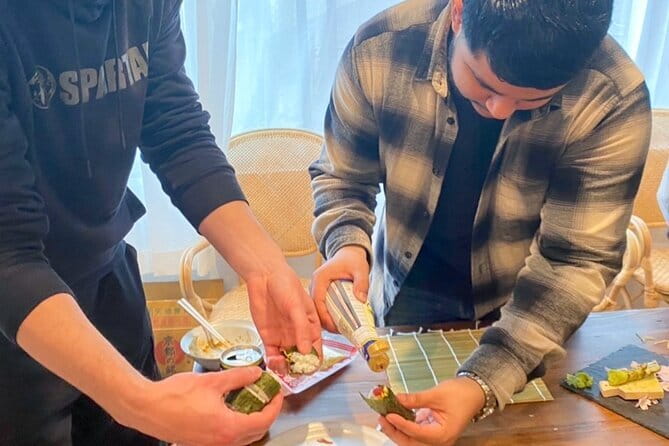
Maki is the classic sushi roll, made by rolling sushi rice with fillings like fish and vegetables inside a sheet of seaweed. The goal is learning the motion and the texture, so your rice layer holds together and your roll firms up instead of falling apart.
Temari sushi rice balls
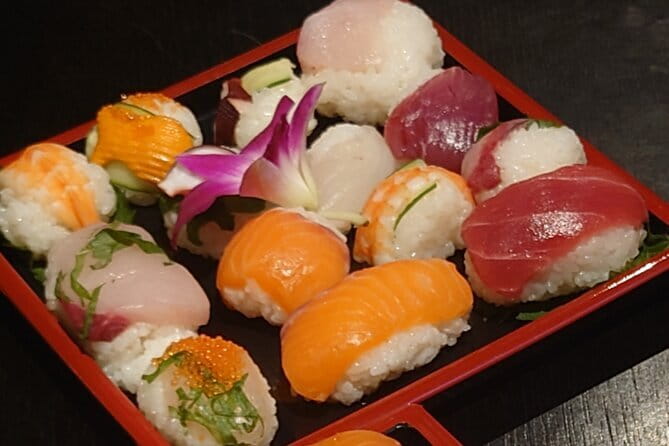
Temari sushi are bite-sized, ball-shaped pieces of sushi rice topped with fish or vegetables. They are the cut-and-eat version of sushi at home, and they are also visually fun. If you like food that looks as good as it tastes, temari is the one that usually wins hearts.
The value here is that these two formats use different skills. A roll teaches you wrapping and pressure control. A rice ball teaches portioning and shaping. Together, they give you more than one path to repeat at home.
The 30-Minute Orientation: How They Set You Up to Succeed
You start with about 30 minutes of orientation and preparation. This part matters more than it sounds. Sushi is timing-sensitive, and rice texture is everything, so a good setup phase saves you from common mistakes later.
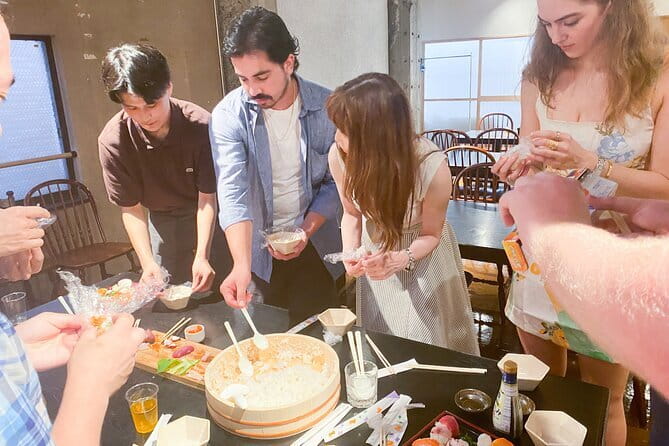
During orientation, you will get step-by-step guidance and likely a quick overview of how the ingredients and tools work together. Because the class is capped at 8 people and instructors can teach in multiple languages, you can ask practical questions as you go, not just at the end.
Also, since the class provides aprons and disposable plastic gloves, you can focus on learning. You are not worrying about making a mess on your clothes or finding the right gear.
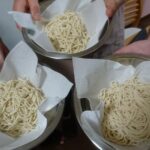
More rice, more knife work

Hands-On Cooking: Tools, Gloves, and Real Step-by-Step Work
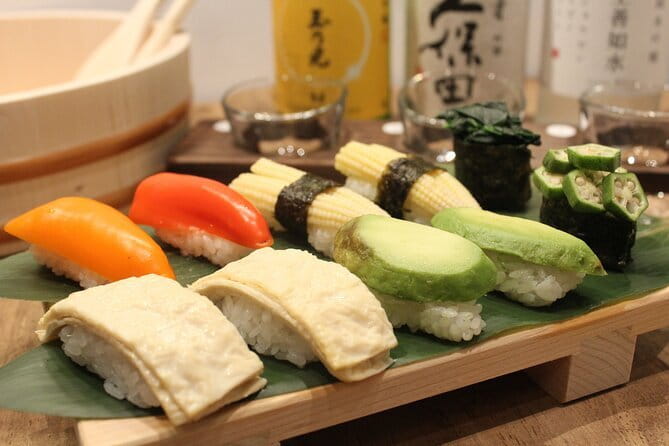
The cooking portion is about 1 hour 30 minutes, and this is where the class becomes genuinely useful for home cooks.
You can expect:
- Hands-on rolling and shaping with the provided kitchen tools
- Guidance to help you build proper texture and structure
- Ingredients measured and ready, so you learn technique rather than math
Why the small group size helps
With a maximum of 8 people, you are more likely to get corrections during the exact moment you need them. In bigger classes, people often wait until the end to fix issues. Here, you stand a better chance of getting your maki roll tight and your temari shape clean.
A note on technique transfer
If your goal is making sushi later at home, pay attention to what your instructor emphasizes while you are doing it. Sushi success usually comes from repeatable steps: how you handle rice, how you position fillings, and how you control pressure. This class format is built for that kind of learning, not just eating.
Maki Rolling and Temari Shaping: The Skills You Can Repeat
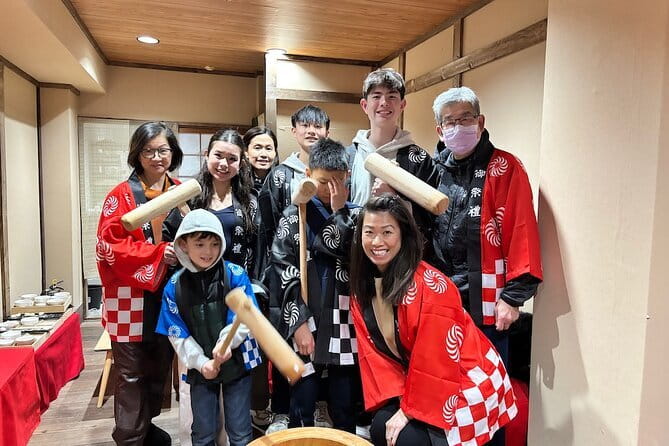
This is where I think people get the most out of the experience. You are not leaving with a vague memory of instructions. You are leaving with muscle memory for at least two sushi styles.
Maki roll basics to watch for
When you roll maki, two things are usually the make-or-break points:
- Keeping the rice evenly spread so the roll slices neatly
- Rolling firmly enough to hold, but not so hard that fillings squeeze out
The class structure supports this because you get coaching during the action, not just theory beforehand.
Temari shaping basics that feel easier than they look
Temari sushi are bite-sized, so the technique is more about portioning than precision cutting. One practical trick you may see during class is using simple handling tools like plastic wrap for easier shaping. Even if you have never molded rice before, the bite-size format tends to feel forgiving.
This combination, maki plus temari, makes it easier to experiment later. You can try rolling when you feel confident, or switch to rice balls for a quick, low-stress sushi night.
Tasting Time With Drinks, Including Sake and Beer
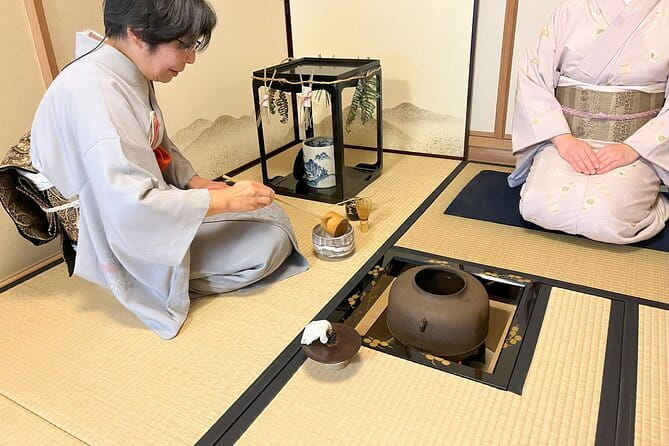
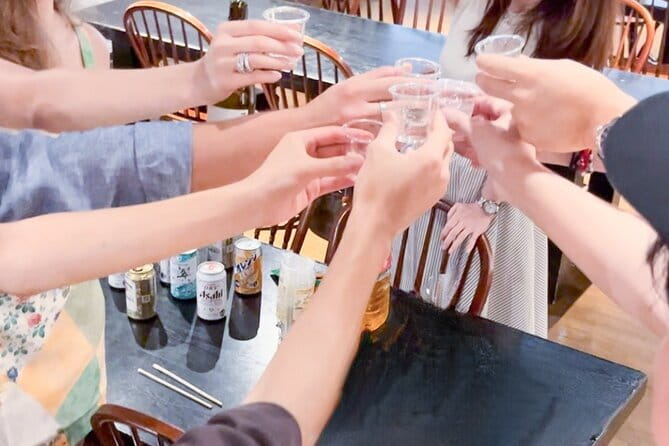
After cooking, you relax for about 1 hour and taste what you made. Drinks are included, listed as Japanese sake, beer, and soft drinks.
Important planning note: alcohol is served only to people aged 20 and above. If you are under 20, you will still get non-alcoholic options, since soda and pop are included.
Why this tasting hour is part of the value
I like tasting because it turns technique into judgment. You learn what good texture tastes like and you can spot what to adjust next time. Also, the post-cook hang time is where conversations happen, and sushi is the easiest topic in the world to talk about.
If you are traveling with friends, this hour is a natural time to compare rolls, laugh at imperfect shapes, and trade tips.
Language Support That Actually Helps
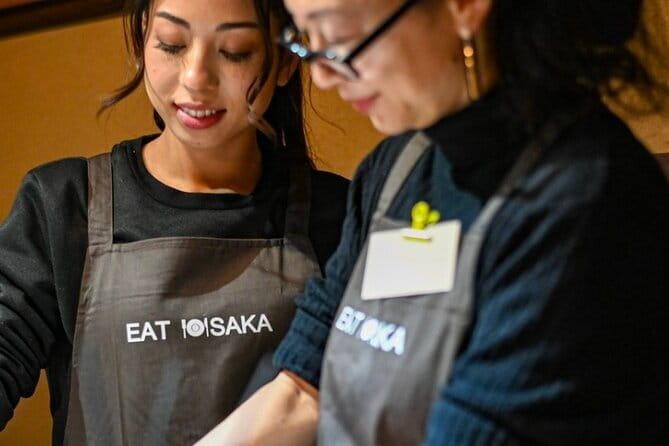
A lot of food classes say English speaking. This one specifies English instruction, and it also offers Spanish speaking instruction upon request. It even notes Japanese speaking instruction upon request.
That matters because sushi is hands-on. If you only understand half the instructions, you miss the key details. With multi-language support, you can get clarification when your roll or ball looks off, and you can keep moving without frustration.
Price and Value: Is $70 Worth It?
At about $70.00 per person for a roughly 3-hour experience, the price is easiest to judge by what you receive, not just the hourly rate.
You get:
- A 30-minute orientation plus 1.5 hours of guided cooking plus 1 hour of tasting
- All ingredients and kitchen tools
- Aprons and disposable gloves
- Drinks during the tasting hour, including sake and beer for eligible ages
- Small group size up to 8 people
In practical terms, you are paying for ingredients and technique coaching in a format that is hard to replicate on your first try at home. If you have ever tried to make sushi rice and then ended up with either mush or hard grains, you know why a guided class can be worth it. You get the structure and the chance to correct mistakes immediately.
If you are simply looking to eat sushi with no learning component, there are cheaper options. But if you want a repeatable skill set you can use later, $70 can feel reasonable.
Who Should Book This Class
This class fits well if you are:
- Curious about making Japanese sushi at home
- Planning a food-focused day in central Osaka
- Traveling with a group that wants a shared activity
It is also a strong pick for families in general, since the format is interactive and focused on shaping and tasting. Temari in particular tends to be kid-friendly because the pieces are bite-sized and the process is more about building shapes than precision slicing.
Solo travelers often like it too, because small group size helps you connect with instructors and other participants without feeling lost.
If you have specific dietary needs, reach out early after booking, especially for vegetarian options or food allergies.
Practical Tips Before You Go
These are small things that make a noticeable difference:
- Wear comfortable clothes. You will work with food and handle rice, even with gloves and aprons provided.
- Expect a hands-on session. Bring your questions, especially about rice texture and rolling pressure.
- Plan your day around 3 hours total. Since it ends where it starts, you can cleanly connect it to nearby sightseeing.
- If you plan to drink alcohol, check the age rule. Sake and beer are included, but only for age 20 and older.
- If you need dietary adjustments, message the organizer after booking. The class notes that vegetarian or allergy options require contact.
Also, since it uses a mobile ticket and runs near public transportation, you can keep logistics simple.
Should You Book This Osaka Sushi Cooking Class?
I would book it if you want a compact, skill-focused experience with good instructor attention, plus a built-in tasting hour with drinks. The maki and temari mix is a smart combo for home cooks, because you learn two different methods and two different ways to control texture.
Skip it or reconsider if dietary restrictions are strict and you have not confirmed options in advance. Also, if you only want to eat sushi and not learn technique, you might get more value from a meal rather than a class.
If you want the kind of Osaka experience you can bring home, this is a practical choice. You leave with sushi you made, and more importantly, you leave knowing how to make it again.
FAQ
How long is the Osaka sushi cooking class?
The class runs for about 3 hours, including orientation, hands-on cooking, and a tasting period with drinks.
What sushi will I learn to make?
You will learn two types of homemade sushi: maki sushi (sushi rolls) and temari sushi (bite-sized rice balls).
Are ingredients and kitchen tools included?
Yes. All ingredients and kitchen tools are provided, along with aprons and disposable plastic gloves.
Is the class taught in English?
Yes. An English-speaking instructor is included.
Do you offer Spanish instruction?
Spanish speaking instruction is available upon request.
Is alcohol included with the tasting?
Yes. Sake and beer are included for the tasting hour, along with soda or pop. Alcohol is only served to people aged 20 and above, and those under 20 are served non-alcoholic drinks.
What if I have a vegetarian diet or food allergies?
The class notes that vegetarian or food allergy options require contacting the organizer after you book. You can message once your booking is complete.
How many people are in the group?
The group is capped at a maximum of 8 travelers.
Where does the class start?
The meeting point is 南船場コレット9044-chōme-3-1 Bakurōmachi, Chuo Ward, Osaka, 541-0059, Japan. It ends back at the same meeting point.
What if the weather is bad or I need to cancel?
This experience requires good weather. If it is canceled due to poor weather, you will be offered a different date or a full refund. You can cancel for a full refund up to 24 hours before the start time.
More Tour Reviews in Osaka




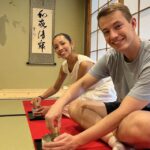
More Rice and Knife Work
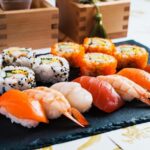

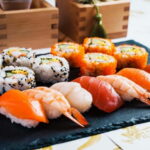


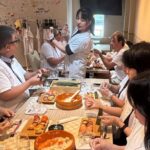
More Kitchen Tables to Sit At


Latest out of Osaka


Osaka Home Cooking Classes, side by side.
 ★ 5.0Osaka: Ramen and Gyoza Cooking Class in DotonboriFrom $70378 reviews
 ★ 4.3Osaka: Sumo Stage Show with Bento or Snack + Fight & PhotoFrom $93364 reviews
 ★ 5.0Osaka Cooking Class: Okonomiyaki &Japanese cuisines experienceFrom $104261 reviews
 ★ 5.0Ramen and Gyoza Cooking Class in OsakaFrom $79202 reviews
 ★ 5.0Osaka Sake Tasting with Takoyaki CookingFrom $70156 reviews
 ★ 5.0Osaka Sake Tasting & Takoyaki Cooking ExperienceFrom $72149 reviews
 ★ 5.0Cooking Ramen&Gyoza/KatsuCurry/Bento/Okonomiyaki+Store Tour@OsakaFrom $85138 reviews
 ★ 5.0Three Types of Ramen Cooking Class in OsakaFrom $79119 reviews
Also worth a look in