
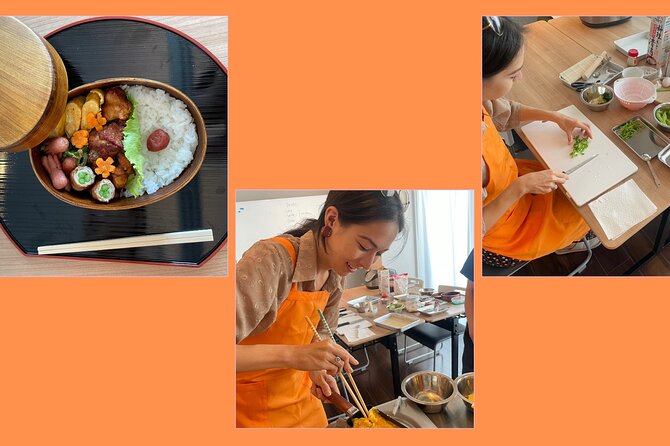
REVIEW · OKONOMIYAKI & TAKOYAKI EXPERIENCES
Cooking Ramen&Gyoza/KatsuCurry/Bento/Okonomiyaki+Store Tour@Osaka
Food shopping first, then cooking, is the trick in Osaka. I love the guided walk through traditional shops near Osaka Tenmangu Shrine, where you learn what locals look for and why seasonal ingredients matter. I also like that the kitchen time is hands-on and choose-your-dish, so you can focus on the Osaka comfort food you actually want. One heads-up, if you expect to fully shop for every ingredient you need for a home remake, the shop part may feel more like learning than a complete ingredient shopping trip.
The class is run by Yuka’s Osaka Cooking Base, taught in English, and timed for about 2.5 to 3 hours of cooking inside a small group. That means you can get real feedback while you make your dish, not just watch from the sidelines.
Key highlights worth planning for
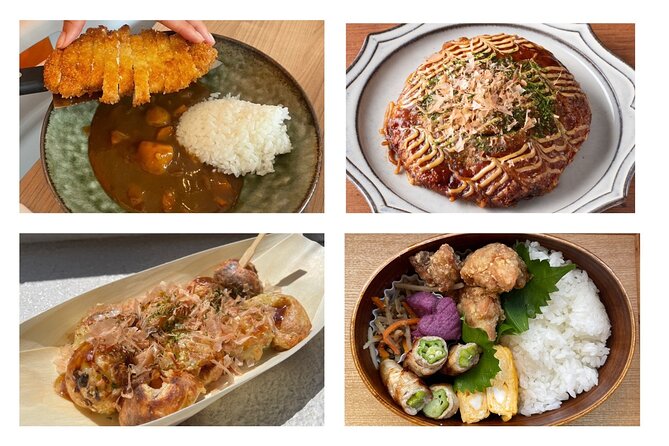
- Tenmangu Shrine area shop walk focused on seasonal ingredients and everyday food shopping
- Choose-your-dish cooking class covering popular Osaka staples like katsu curry, bento, okonomiyaki, and ramen or gyoza
- English teaching with hands-on feedback designed for beginners who want to cook at home later
- Small-group format so questions do not get lost in the shuffle
- Rie-led instruction plus a warm kitchen setup that keeps the pace friendly
- Mobile ticket and short transit-friendly route starting at Tenjinbashi
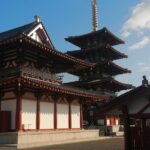
Tenjinbashi shop walk near Osaka Tenmangu Shrine
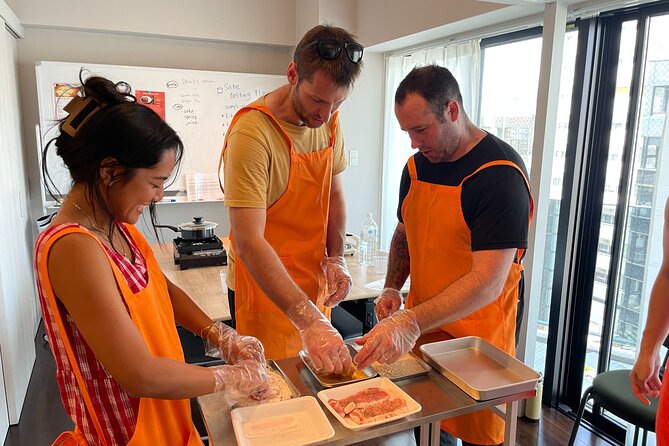
This experience starts where Osaka food culture feels practical, not staged. Your meeting point is at 1-chōme-17-10 Tenjinbashi, Kita Ward, Osaka, 530-0041, Japan. From there, you walk through local shops near Osaka Tenmangu Shrine, guided by the team at Yuka’s Osaka Cooking Base.
What makes this part worth your time is the way it frames ingredients. Instead of only learning about famous dishes, you get a feel for how people actually shop and cook day to day. You’ll see seasonal produce and other staples, then you can ask questions as you go. Several instructors emphasize the idea that Japanese home cooking is built on clear technique, good timing, and the right components, not on complicated gear.
Also, the meeting point area is transit-friendly. The tour is described as easily accessible via public transportation, which matters in Osaka where travel can be fast but hopping between neighborhoods can still add stress. A group that meets near Tenjinbashi is a good starting point if you are already using the subway or trains that cover this part of the city.
A quick practical note: this is a walking-plus-cooking format. Wear shoes you can move in comfortably, and plan to spend real energy before you even get to the kitchen. Even the brief shop route adds up once you factor in looking, sampling, and asking questions.
More time at the hot plate
Choose-your-dish cooking time in a small group kitchen
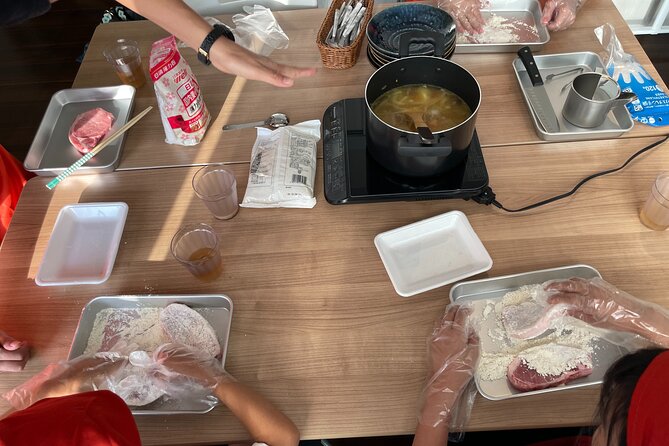
After the shop walk, you head back for the cooking class. The total activity runs about 3 hours, with cooking time roughly 2.5 to 3 hours. It is designed as a small-group lesson, which is a big deal if you want your food to come out right. You are not just getting a recipe handout, you are getting guidance while you cook.
The instruction is in English. That matters here because the class is technique-focused. Japanese cooking often depends on small choices, like how you handle batter or breading, how you build flavor, and how you time steps so everything lands hot and edible.
A name you will hear in the class is Rie, the instructor. One reason people rate this class so highly is the supportive teaching style. The kitchen rhythm stays friendly, and questions get answered without making you feel rushed.
This is also a private tour/activity in the sense that only your group participates. So if you are traveling with family or friends and want a more controlled experience than a mixed class, this fits well. There is mention that larger private groups may be accommodated for an additional cost, so if you have a bigger party, it is worth asking early.
Which Osaka dishes you can cook, and what you’ll actually learn
The class is built around one core idea: you recreate one of Osaka’s famous dishes, with a beginner-friendly approach. The options shown include katsu curry, bento, okonomiyaki, and ramen and gyoza. Some descriptions also reference takoyaki, so depending on the session, your available choices may vary. The best move is to check what is currently offered when you book, then pick the dish that matches your cravings and your comfort level.
Here’s what each option teaches you, in practical terms:
Katsu curry
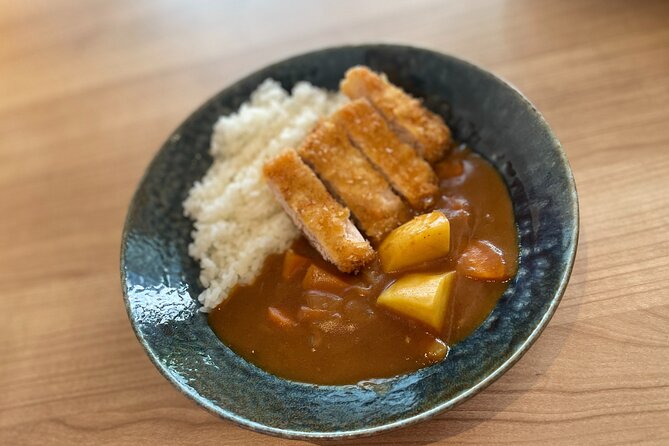
Katsu curry is comfort food you can taste instantly. The technique focus is breading and frying style, plus how you coordinate the cutlet with the curry components so it all comes together. If you want a dish that feels impressive but is not overly complicated, this is a strong pick. It is also a great family option because the steps are easier to follow with clear guidance.
Okonomiyaki
Okonomiyaki is part pancake, part comfort meal, and part skill check. You learn about batter consistency and turning timing, since texture matters. This is a smart choice if you like savory flavors and want to understand how toppings and sauce balance work together on the same plate.
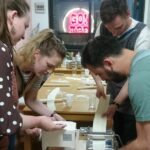
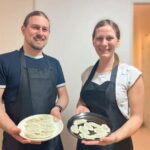
More kitchen tables to sit at
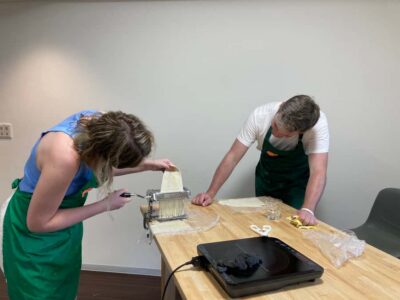
Bento
Bento is about more than cooking. It is about building a meal. You’ll practice how to plan portions and present food in a way that feels neat and satisfying. Even if you do not become a bento artist overnight, you’ll come away with a clearer idea of how Japanese home lunch culture is structured.
Ramen and gyoza
Ramen and gyoza combine two big flavors and two different technique sets. The lesson gives you the key steps for both, which is great if you want to go beyond one dish and learn a small “at-home shop” of favorites. This option is ideal if you already enjoy ramen at restaurants and want a realistic way to reproduce that experience at home.
Takoyaki (when offered)
Takoyaki is fun and very Osaka-coded. If your session includes it, you’ll get practice with the signature shape and timing needed for even cooking. It is the kind of food that makes people smile even before they taste it.
No matter which dish you choose, the class aims to give you recipes that you can recreate after your trip. That is the real value: you are paying for instruction and technique, not just a meal.
Ingredient shopping expectations, and how to make the most of the shop walk
One small potential mismatch is what happens at the shop part. The experience includes a guided walk through local shops and you learn about seasonal ingredients, but it is not positioned as a full ingredient purchase tour for every recipe step.
So if your plan is to buy everything you need so you can cook the exact version back home, you might be a little surprised. The shop stops can feel more educational than checkout-focused.
Here’s how you can handle that like a pro:
- Take quick notes during the walk about what you see and what the instructor says about ingredient roles.
- Ask practical questions like what substitutes work if you cannot find a specific item later.
- If the class recipe calls for a sauce or ingredient style, confirm how it is typically used so you can replicate the flavor, not only the product name.
In other words, treat the shop walk as your flavor training. You are learning what to look for, not necessarily building a shopping basket for an entire home remake.
Timing, transit, and what to expect on the ground
The activity is about 3 hours, ends back at the meeting point, and includes a mobile ticket. In real life, that means fewer admin steps and less paperwork. You still want to arrive a few minutes early so you are not rushing through the intro.
The tour also depends on weather. If it is canceled due to poor weather, you will be offered a different date or a full refund. That is important because you do have an outdoor or at least street-walking component before the cooking class begins.
If you are planning your Osaka schedule, I recommend placing this earlier in the day. You will be walking, then cooking, then eating. Nobody wants to squeeze that right before a long night of transit and extra meals.
As for language comfort, the class is taught in English. That helps a lot if you want to understand the “why” behind steps, not only follow along.
Value check: is $85.89 per person worth it?
At $85.89 per person for an experience that runs about 3 hours, you are paying for three things at once:
1) A guided food culture walk near Tenmangu Shrine
2) A hands-on cooking lesson in English
3) Instruction that’s meant to help you recreate the dish at home
It is also telling that the class has a very strong rating and is recommended by almost everyone who books. That usually points to two value drivers: the teaching quality and the meal payoff. You are not only learning, you are also eating what you make, which makes the time feel earned rather than abstract.
One more value indicator: it is commonly booked about 31 days in advance on average. That suggests demand stays steady, so if this is a must-do for your itinerary, lock it in sooner rather than waiting for last-minute plans.
Best fit: who should book this Osaka Cooking Base class
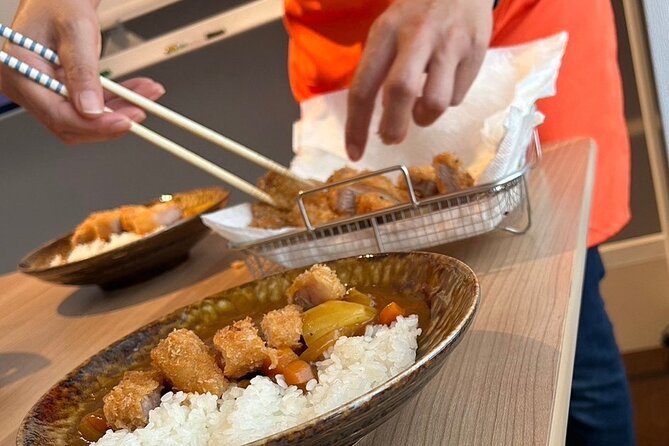
This experience is a great fit if you want:
- Hands-on cooking with English instruction
- A dish-based class where you pick what you want to cook
- A local food culture walk tied to real ingredients
- Something that works for families and mixed ages
You can see this play out in the way the class is described, including family-friendly vibes and a kitchen setup that keeps the pace friendly. Even kids can participate, especially with a dish like katsu curry where step-by-step guidance matters.
Consider booking only if your expectations match the format:
- Yes, you will learn and taste
- Yes, you will cook
- The shop walk is more about learning ingredients than doing a full shopping spree for home cooking
Who might want a different option? If you only want a quick restaurant meal with zero prep, this class requires active participation. If you have food allergies or strong dietary needs, you must consult with the team in advance, since the information provided says you should reach out ahead of time.
Final call: should you book Osaka Cooking Base?
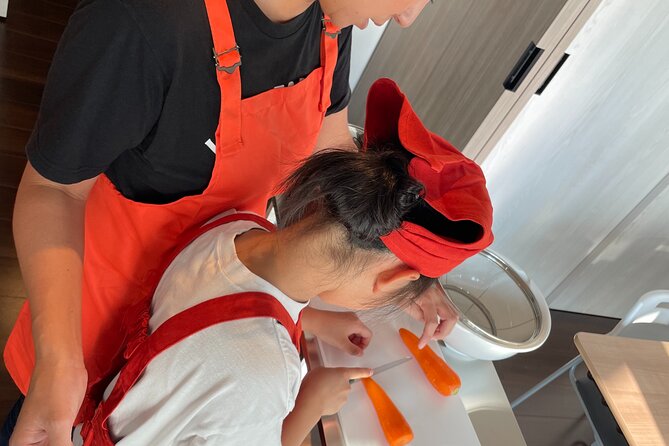
If your goal is to leave Osaka with at least one dish you can confidently make at home, this is a smart use of time. The combination of a Tenmangu-area shop walk plus a small-group, English-taught cooking class hits a rare sweet spot: local context and real technique.
Book it if you are excited by Osaka flavors like okonomiyaki and katsu curry, or if you want a practical ramen and gyoza outcome. You’ll get more than a generic recipe because the lesson is built around doing, not just watching.
Skip it only if you want a pure sightseeing tour with minimal cooking, or if you are expecting the shop walk to function like a full grocery haul for every ingredient. With the right expectations, this class is excellent value and genuinely fun.
FAQ
What dishes can I cook on this tour?
You can choose among katsu curry, bento, okonomiyaki, and ramen and gyoza. Some descriptions also mention takoyaki as an option.
How long does the cooking experience last?
The overall experience is approximately 3 hours, including about 2.5 to 3 hours of cooking time.
Where does the tour start?
It starts at 1-chōme-17-10 Tenjinbashi, Kita Ward, Osaka, 530-0041, Japan, and ends back at the meeting point.
Is the class taught in English?
Yes. The cooking class is taught in English.
Is this a private tour?
Yes. This is described as a private tour/activity, and only your group will participate.
Do I need to buy anything during the shop walk?
The experience includes a guided walk through local shops and learning about ingredients. The info provided does not say it is a full ingredient shopping trip, so plan for the shop part to be educational.
What if I have a food allergy or dietary restriction?
If you have food allergies or dietary restrictions, you should consult with the provider in advance.
Is it easy to get to by public transit?
Yes. The experience is described as near public transportation and easily accessible via public transit.
Will I get a ticket on my phone?
Yes. The tour includes a mobile ticket.
What is the cancellation policy?
You can cancel for a full refund up to 24 hours in advance. The experience requires good weather, and if it is canceled due to poor weather, you will be offered a different date or a full refund.
Broth, Pleats and Second Helpings

More Kitchen Tables to Sit At
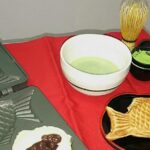
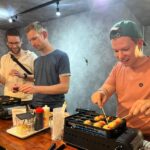
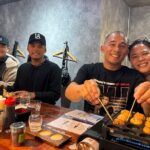
More Time at the Hot Plate
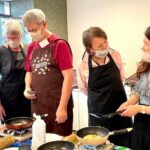

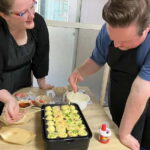
Latest out of Osaka


Okonomiyaki & Takoyaki Experiences, side by side.
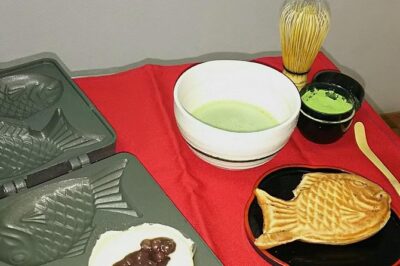 ★ 5.0Osaka Cooking Class: Okonomiyaki &Japanese cuisines experienceFrom $104261 reviews
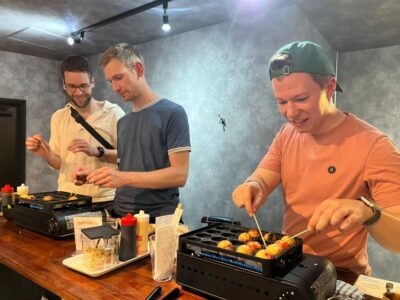 ★ 5.0Osaka Sake Tasting with Takoyaki CookingFrom $70156 reviews
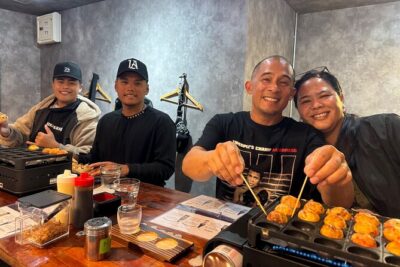 ★ 5.0Osaka Sake Tasting & Takoyaki Cooking ExperienceFrom $72149 reviews
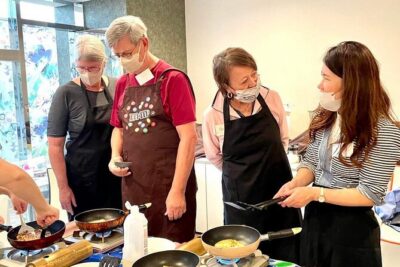 ★ 5.0Osaka Okonomiyaki Cooking Experience!From $4979 reviews
 ★ 4.2Osaka:SUMO BEATS SHOWCASE: Taiko Drum and Wagyu burger!From $6737 reviews
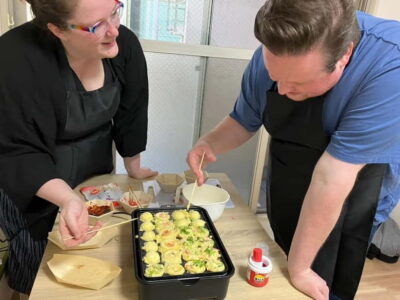 ★ 4.9Osaka : Cooking Class Okonomiyaki & Takoyaki course in NanbaFrom $7025 reviews
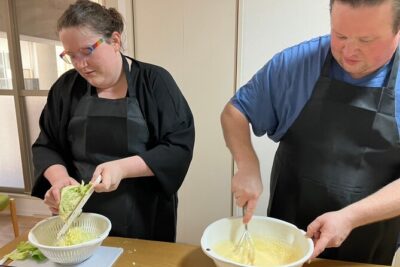 ★ 5.0Osaka Okonomiyaki Cooking Class “Learn here and make it at home”From $7020 reviews
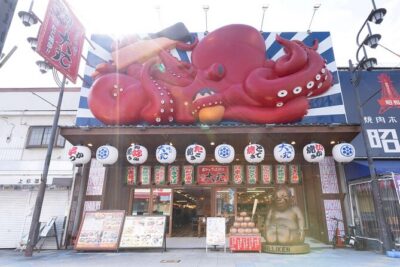 ★ 5.01 Day Takoyaki Making and Osaka Castle Walking TourFrom $14815 reviews