
REVIEW · TEA CEREMONY & MATCHA SESSIONS IN OSAKA
Osaka: Castle, Tea Ceremony, Calligraphy, and Samurai Armor!
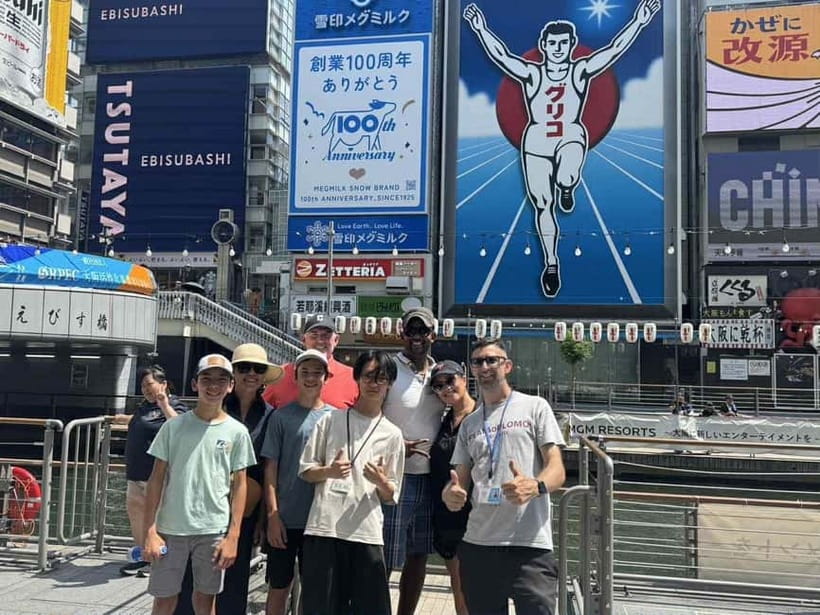
Osaka Castle plus hands-on culture beats the usual photo tour. You’ll hit Osaka Castle, then slow down for a tea ceremony and calligraphy before ending in Dōtonbori for street food and photos. It’s a packed day that still feels grounded in how Japanese culture actually works.
I especially love the way the tour combines show-and-tell history with hands-on skills, like you’re learning what you see instead of just watching it. And I liked having a guide named Canned, since the vibe is warm and professional, plus you get help with practical things like how the local train system fits into your day.
One possible drawback to plan for: samurai armor and kimono wearing are not included in the base price. If you want to put them on, it’s an extra ¥4,820.
Key highlights you will actually use
- Osaka Castle entry plus time to take photos and connect it to the city around it
- Tea ceremony and calligraphy where you actively participate, not just observe
- Samurai show with optional armor photo time for memorable portraits
- Traditional instrument time with shamisen, koto, and shinobue
- End in Dōtonbori for quick-hit street food, shopping, and neon-style photo moments
Starting at Osaka JOINER in Namba, where to meet without stress
Your tour starts at the Osaka JOINER base, B1 floor Namba Walk, near Exit B23. It’s an underground shopping street in Namba, which is handy because Osaka weather can be unpredictable. The shop is between the Mizuno shop and the Docomo shop. If you’re coming from Starbucks, you should cross to the other side to find it faster.
This matters because a lot of Japan tours lose time in the first 10 minutes. Here, the meeting point is specific, and once you’re there, the rest of the day runs like a smooth chain: castle, culture workshops, samurai moment, then Dōtonbori.
Bring cash as the tour notes this as important for the add-ons. Also, it’s English-language guided.
Quieter hours: more tea rooms
Osaka Castle entry, why this stop is more than sightseeing
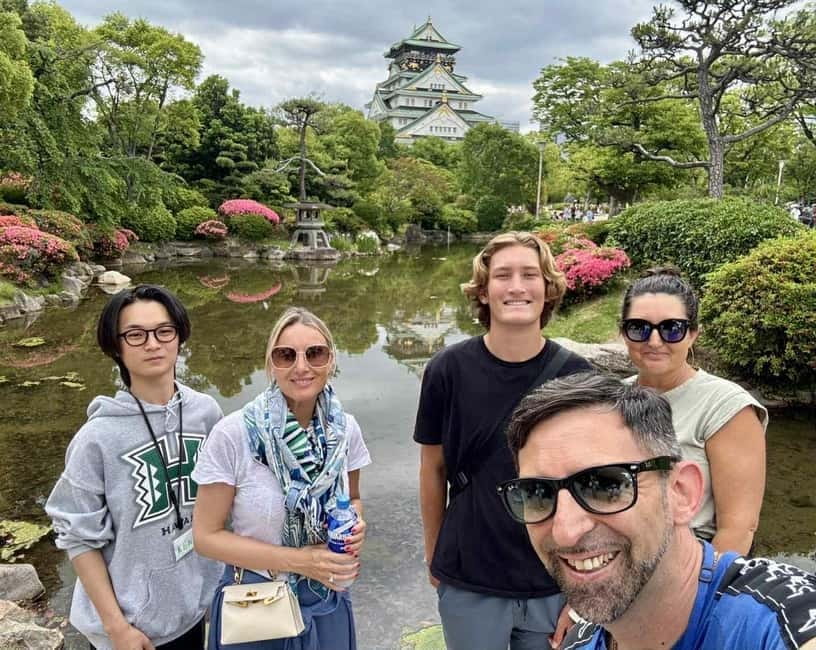
Osaka Castle is the big anchor, and it’s a smart one. It’s iconic for a reason, but the real value comes from how the visit is framed: you’re not just circling the grounds. You get to enter, look around, and connect the site to the city you’re in.
You’ll have time for photos. That sounds basic, but it’s not. Osaka is one of those places where the best pictures are usually the ones you slow down for, not the ones you snap while walking. The castle grounds give you real structure for your day, and the museum feel is a plus if you enjoy learning while you look.
A note for planning: the tour includes a “samurai show” later, so you’re basically building a theme. Castle first, then warrior culture, then hands-on arts. That flow makes it easier to remember what you learned instead of treating each stop like a separate activity.
Tea ceremony and calligraphy, the hands-on part that sticks
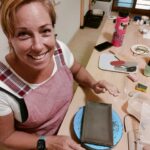
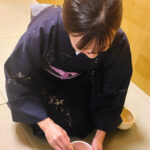
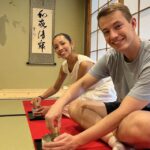
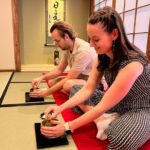
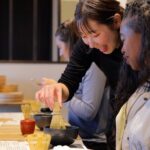
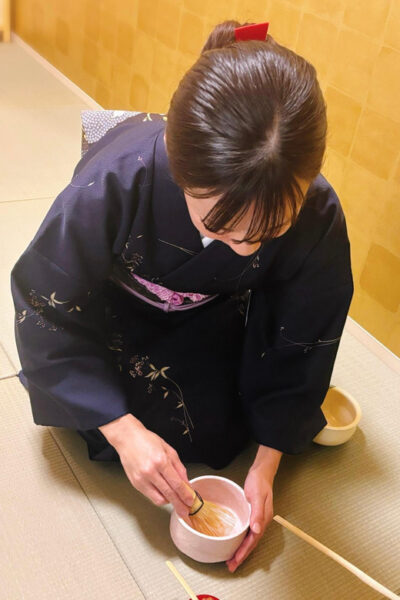
The tea ceremony and calligraphy are the cultural core of this tour. Tea is more than a drink in Japan, it’s a ritual, a pacing tool, and a way to pay attention. During your ceremony, you’ll experience a traditional format and learn the basics of how it’s done, not just watch someone perform it.
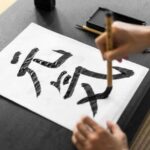
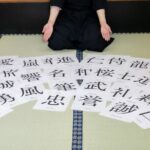
Then comes calligraphy. This is one of those activities that instantly makes you pay attention to details, like how you hold the brush and how the stroke shapes the final character. The tour’s structure matters here, because you’re guided through it, so you’re not left wondering what you should be doing.
I liked that the day gives you both sides of Japanese “craft” culture: tea (mindful routine) and calligraphy (precise expression). If you’ve ever taken a class on vacation, you’ll recognize the feeling. It’s not about being perfect, it’s about trying it.
Also, your group is set up for this kind of learning. It’s not just a random museum stop where you wander. You get a set activity that you can actually take home as a memory.
Samurai show, instrument time, and your armor-photo moment
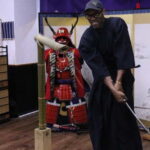
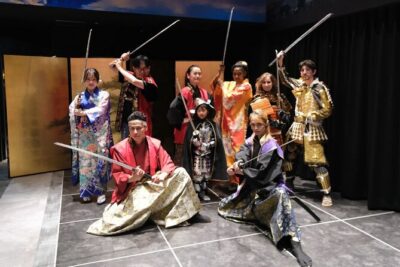
After the arts, the tour shifts gears into samurai culture and traditional performance. You’ll see a samurai show, and you also get included time connected to wearing or photographing with samurai armor.
Here’s how to think about the “armor” part. The base experience includes a samurai show plus optional photo time in samurai armor. If you want the full armor experience, that is an additional fee (¥4,820). That distinction is worth knowing before you decide, since photos are often enough for people who mainly want the look in pictures.
Then there’s the traditional instrument element. The tour specifically lists playing shamisen, koto, and shinobue. Even if you’ve never touched these instruments before, you’ll likely get a guided introduction so you understand what you’re hearing and trying. This is a nice change from “sit and watch” tourism, because your hands and ears both get involved.
One more practical detail from the tour vibe: the guide (Canned, in at least one feedback example) is the type who helps you feel comfortable. That matters for activities like calligraphy and instrument play, where you might otherwise worry about doing it wrong.
Optional samurai armor and kimono, what costs extra and how to choose
Let’s talk money clearly. The base price is $135 per person, but two big photo-worthy add-ons are separate:
- Samurai armor experience: additional ¥4,820
- Kimono wearing (women only): additional ¥4,820
The tour also notes that this add-on fee is listed as valid until the end of August. The key point for you: you’ll need to tell the guide on the day or message via WhatsApp to include these add-ons for your booking.
So should you pay? I’d base it on your photo goals and comfort level.
- If you mainly want a few great pictures and don’t care about wearing heavy gear, you can often be satisfied with the included armor-photo moment.
- If you want the full “I am inside the story” effect and don’t mind the extra time and cost, the armor experience is worth considering.
- For kimono, it’s women only, and the fee applies only if you opt in.
One more thing: the tour does not claim full inclusion for kimono and armor in the base price. It’s clearly optional, so don’t expect it to be automatic.
More time in the dojo

Dōtonbori at the end, street food and photos without overthinking
The finale is Dōtonbori, Osaka’s lively entertainment and street food district. This is where your day turns from “culture class” into “eat, wander, and shoot photos.”
This stop is valuable for two reasons. First, you’ll likely feel energized after the calmer activities earlier. Second, Dōtonbori is exactly the kind of place where a little time with the right route makes your evening easier, since you’ll be surrounded by food choices and shops.
You’ll have time for photos, shopping, and tasting local delicacies. Since the tour ends back at the meeting point, you also don’t have to worry about getting stuck with no plan.
If you’re the type who likes to test local snacks, this is the payoff. If you’re more cautious with street food, you can still treat it like a “walk-and-snack” zone and pick one or two items you actually want.
Price and value for $135, what you’re really paying for
At $135 per person, this tour is built around multiple paid components that, if you tried to assemble them on your own, often cost real money in both time and coordination. You get:
- Osaka Castle visit
- Tea ceremony
- Calligraphy
- Samurai show
- Traditional instrument time (shamisen, koto, shinobue)
- Samurai armor photo opportunity (optional within the included flow)
- Photos during the armor moment
Then the major add-ons cost extra: armor experience and kimono wearing, both ¥4,820.
To me, the value is in the “hands-on density.” You’re not only seeing things. You’re participating in tea, calligraphy, and instrument moments, plus you’re getting a guided castle stop and a structured arrival and ending.
If you only cared about Osaka Castle, you might feel the price is high. But if you want a day that mixes landmark time with true cultural activities, this price starts to make sense fast.
Also, the guide support helps. Even when you’re not doing language-heavy activities, having someone point you in the right direction and keep the schedule moving makes it easier to enjoy.
Getting around, what to bring, and small day-of rules
The practical stuff is refreshingly simple here.
Bring cash, because optional add-ons require it. Plan to follow the tour’s rule about smoking indoors, since smoking indoors is not allowed.
The tour is English-language guided. If you’re comfortable in English and you want a structured day without language guesswork, this fits well.
Also note who should avoid it. It’s not suitable for people with back problems, and it’s not suitable for people over 70. If that’s you or someone in your group, it’s better to choose a different style of tour with fewer activity demands.
Who this tour suits best, and who might prefer a different plan
This is a strong match if you want:
- A guided Osaka day that mixes landmark time with culture practice
- Hands-on activities like tea ceremony and calligraphy
- Samurai-themed photos and performance
- A structured ending in Dōtonbori for food and shopping
It’s less ideal if you dislike guided schedules, because the day has several stops and active segments. It’s also not the choice if you need a very quiet pace, since calligraphy and instruments are interactive.
If you’re traveling with kids, there’s a plus: the tour notes that kids can enjoy the samurai experience with specially designed armor. That’s a detail worth taking seriously because it makes the warrior part more family-friendly.
FAQ
What is included in the Osaka Castle, tea ceremony, calligraphy, and samurai tour?
It includes a visit to Osaka Castle, a Japanese tea ceremony, Japanese calligraphy, a samurai show, and traditional instrument playing. It also includes taking photos in samurai armor as an optional part of the experience.
Are the samurai armor and kimono included in the $135 price?
No. The samurai armor experience and kimono wearing are not included in the base price. Both are listed as an additional fee of ¥4,820.
How much is the optional samurai armor experience?
The optional samurai armor experience costs ¥4,820.
How much is the optional kimono wearing?
Kimono wearing costs ¥4,820, and it is listed as woman only.
Where do we meet for the tour in Osaka?
Meet at the Osaka JOINER base, B1 floor Namba Walk near Exit B23, between the Mizuno shop and the Docomo shop.
What should I bring with me?
The tour notes that you should bring cash.
Is this tour suitable for seniors or people with back problems?
No. It is not suitable for people with back problems, and it is not suitable for people over 70.
Where does the tour end?
The tour ends back at the meeting point.
Should you book this Osaka Castle, Tea Ceremony, Calligraphy, and Samurai Armor Tour?
If you want one guided Osaka day that mixes a major landmark with real cultural activities, this is a smart book. The hands-on tea ceremony, calligraphy session, samurai show, and traditional instruments are the core value, and the Dōtonbori finish makes it easy to end with food and photos. Just plan ahead for the optional add-ons, since samurai armor and kimono are extra at ¥4,820.
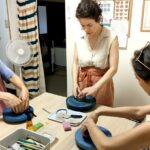
Brush, Ink and Workbench

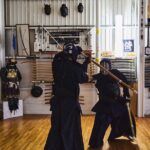
More Hours in the Dojo


More Tea Rooms Worth Booking

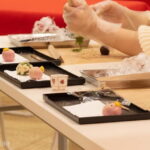
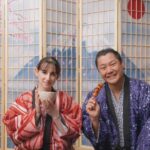
Latest out of Osaka


Tea Ceremony & Matcha Sessions in Osaka, side by side.
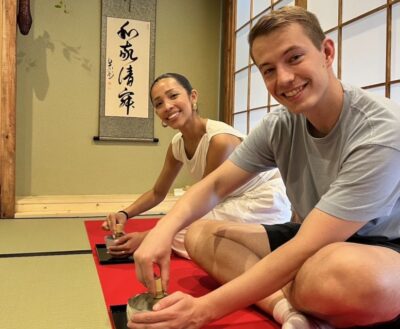 ★ 4.9Osaka: Tea Ceremony ExperienceFrom $251,426 reviews
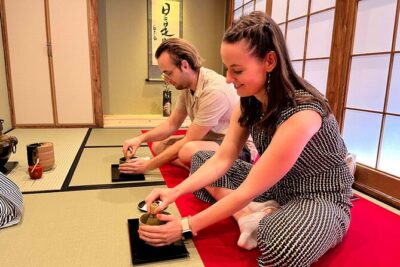 ★ 5.0Tea Ceremony Experience in Osaka DoutonboriFrom $20754 reviews
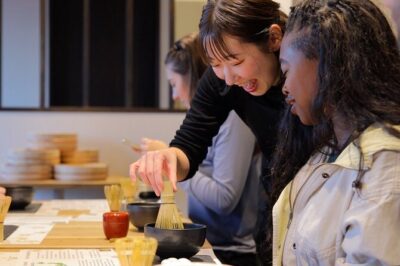 ★ 5.0Matcha Making Class in Osaka with Authentic Japanese Sweets SetFrom $21509 reviews
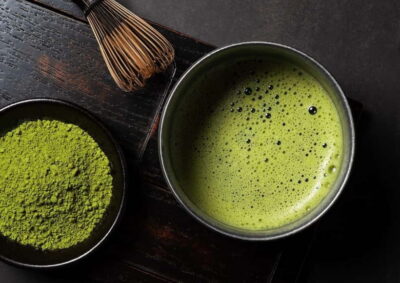 ★ 5.0Osaka: Matcha Making Experience with Japanese SweetsFrom $22146 reviews
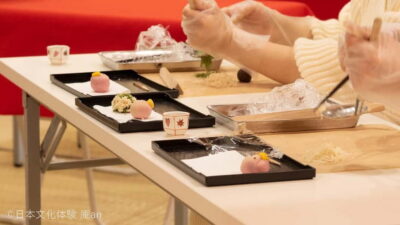 ★ 4.7Osaka: Japanese Traditional Sweets Making and Tea CeremonyFrom $18118 reviews
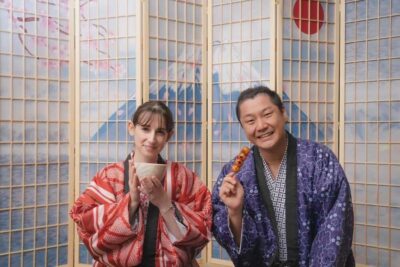 ★ 4.9Osaka Temple Cool Foot Bath & Matcha Experience〈45min〉From $3482 reviews
 ★ 5.0Samurai Show, Tea Ceremony, Japanese Traditional ActivitiesFrom $4456 reviews
 ★ 5.0Osaka: Private Tea Ceremony and Calligraphy ExperienceFrom $6450 reviews