
REVIEW · OSAKA HOME COOKING CLASSES
Katsu Curry OR Bento Making Cooking Class & Local Shop Tour
Bento making beats another souvenir hunt. This hands-on Osaka Cooking Base experience pairs a short local shop tour with a real cooking session, where you learn katsu curry or bento boxes using step-by-step guidance. I like that it teaches dishes you can actually recreate at home, not just a one-time photo moment, and I also like the small group size, limited to 8, so questions do not get lost.
One thing to consider: you need to choose between the katsu curry and bento focus ahead of time (or follow what your session offers), and the class runs 150 minutes, so it is not a quick stop if you only have a tight schedule.
Key things to know before you book
- Meet at Osaka Tenmangu Shrine, main gate, not the back gate (easy to mix up)
- Small group, up to 8, with an English instructor and translation support
- Local shop tour of a few stops, aimed at explaining ingredients and how they fit Japanese everyday cooking
- Cook from scratch with step-by-step coaching, whether you pick katsu curry or bento
- Lively Q and A time, including questions about Japan beyond the food
- Optional drinks, including sake tasting, if you want to add a bit more to the meal
Where You Start: Osaka Tenmangu Shrine and a Real Local Pace
Most food tours in Osaka start with something dramatic. This one starts more quietly, at Osaka Tenmangu Shrine, with the meeting point at the large main gate. That detail matters, because the instructions specifically warn you not to go to the small back gate. If you arrive early, take an extra minute to double-check you are in front of the big main entrance, not circling the grounds like a lost pilgrim with a hungry stomach.
What I like about beginning at a shrine is that it sets the tone for the whole day. You are not rushing straight into a kitchen or straight into a restaurant. Instead, you get a small moment of orientation in a neighborhood that feels used by locals, not staged for tourists. The tour then moves naturally into the ingredient-focused shop stops, so the cooking part does not feel random. It feels earned.
This is also a good fit for mixed groups. The format is built for all ages, and the instruction style is patient. In past sessions, guides such as Miyako, Yuka, and Tomoko have been praised for being engaging, helpful, and willing to answer lots of questions, including ones kids ask with absolute confidence.
More kitchen tables to sit at
The Local Shop Tour: Ingredients With Context, Not Just Names
After you meet, you head out to explore a few local shops. The exact number of stops is described as few, but the goal is clear: you learn what ingredients mean in Japanese home cooking, and why certain items show up again and again.
Here is what you should watch for during this part. The guides with this Osaka Cooking Base setup do not only point at products. They help you understand what each ingredient does in a dish. That matters because when you try to cook later, you want to know how to substitute, not just what the label said in a store.
You also get translation assistance, which makes a real difference in Japan. Without it, market time turns into a scavenger hunt. With it, the shop tour becomes practical. You start to notice patterns, like what sauces are for, what cuts of meat are preferred, and how pantry items are used in everyday meals.
If you want the class to feel useful after you get back home, this shop tour is where the value starts. It is the difference between cooking a recipe and learning how Japanese home cooks think.
Choosing Your Main Dish: Katsu Curry or Bento
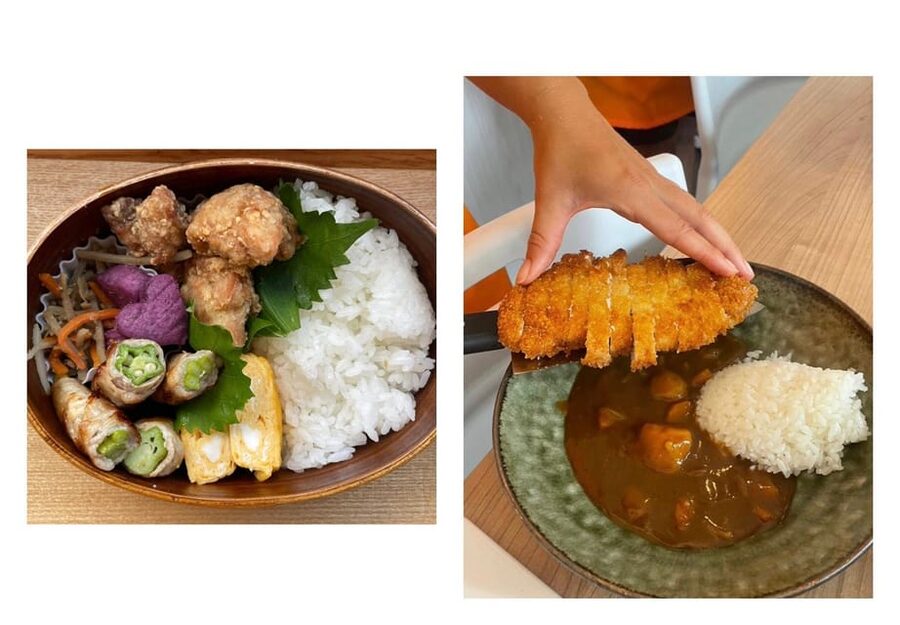
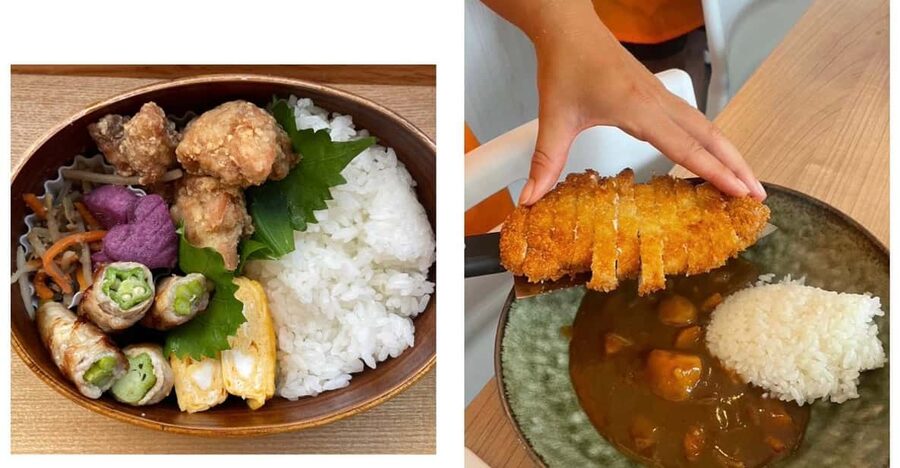
This experience is built around one of two outcomes: katsu curry or a bento box. The choice changes the cooking flow, the tools you will use, and the kind of satisfaction you get at the end.
Katsu Curry: Comfort Food With a Method
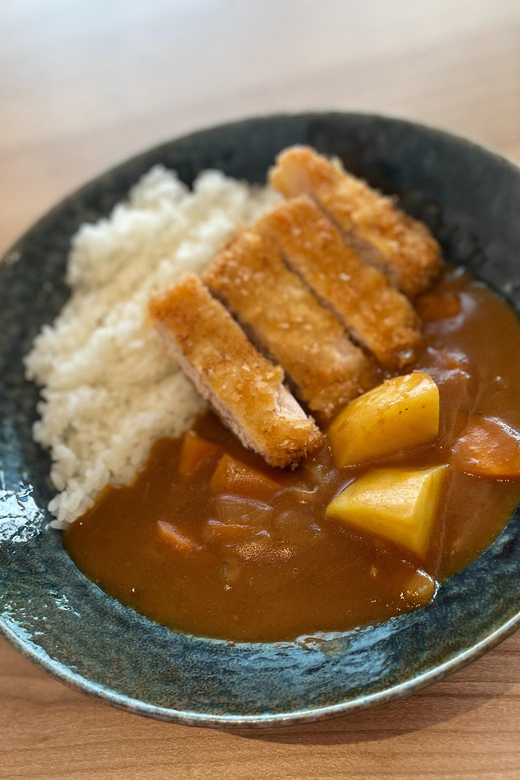
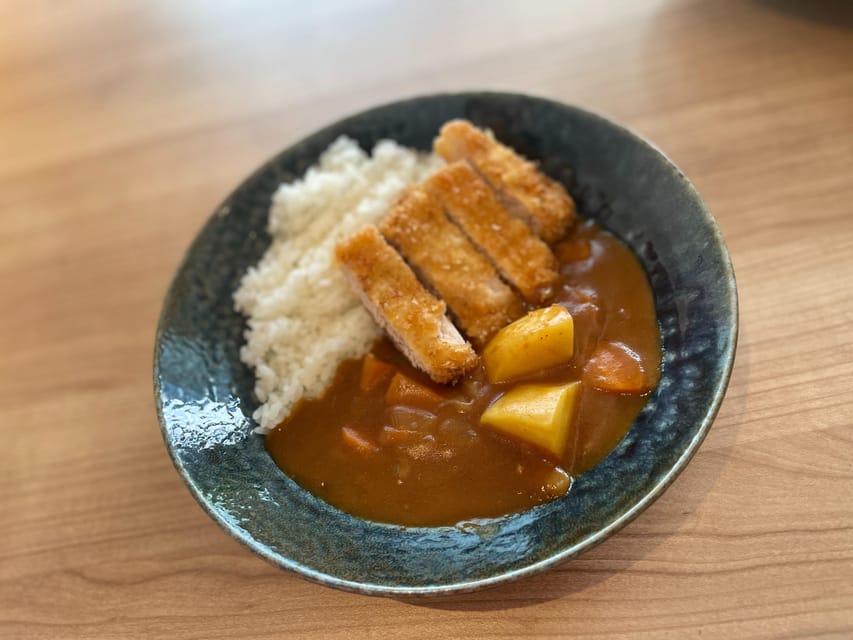
Katsu curry is a favorite for a reason. It is crispy, saucy, and deeply comforting. In the class format, you get step-by-step guidance so you do not just end up with sauce poured over something random. You learn how the dish comes together, in the right order, so the textures make sense.
Practical tip: If you are the type who loves learning the why behind a recipe, katsu curry can feel especially rewarding. The cooking steps have natural checkpoints. You can tell if things are on track, and the instructor can correct technique while you are working.
Bento: The Skill of Building a Meal
Bento is food you assemble with intention. It is portioning, layering, and presentation, but it is also about taste balance. In the bento-focused sessions, people describe a strong sense of achievement after putting the box together. That makes sense, because bento is like a puzzle where every piece has a job.
If you like meal prep or you want lunches that look good even when life is busy, bento skills travel well. You can reuse the approach with different fillings and sides later.
More things to make and take home
How the class usually feels
Even if you are not choosing a “fancy” dish, both options are taught in a way that aims for home-replicability. That is the big theme here, and it is the reason this format earns such high marks.
Inside the Kitchen: Step-by-Step Teaching That Actually Sticks
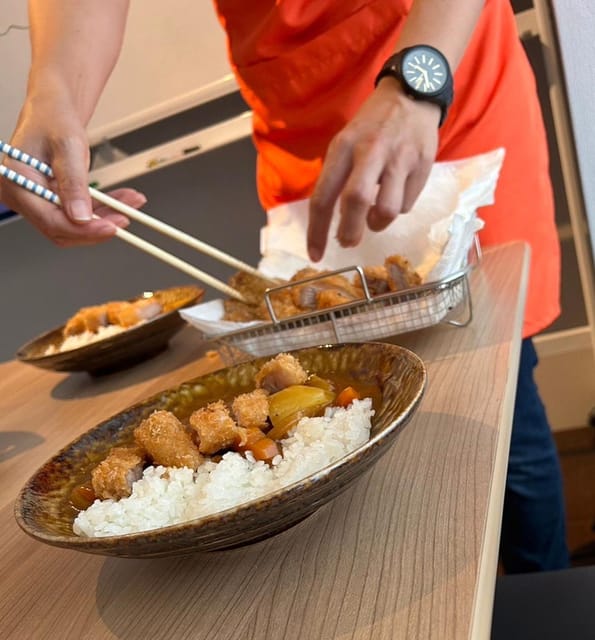
Once you reach the kitchen area, the real work begins. The class is designed to be engaging and educational, and it is taught with careful explanations at each stage so you grasp the techniques and traditions behind the food.
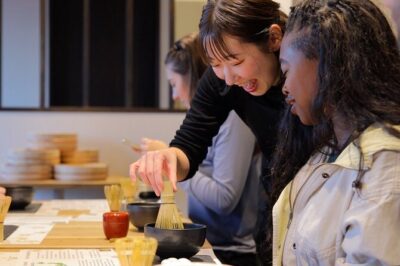
Here is what good instruction looks like in practice. You are not just watching someone else cook. You are actively making your dish, while the instructor walks you through what to do next and why. That is a major advantage for travelers because it reduces the guesswork.
It is also why this class works for mixed skill levels. Even if you have never cooked in your life, the pacing helps. If you have cooked before, you will still pick up technique and timing details that you likely skipped at home.
English instruction is included, and translation support is part of the experience, so you are not left trying to decode instructions through gestures and hope. Based on guidance styles described from different hosts, the teaching tone tends to be warm and patient, which is exactly what you want when your hands are busy and mistakes are normal.
Talking Japan While You Cook: Where the Cultural Exchange Shows Up
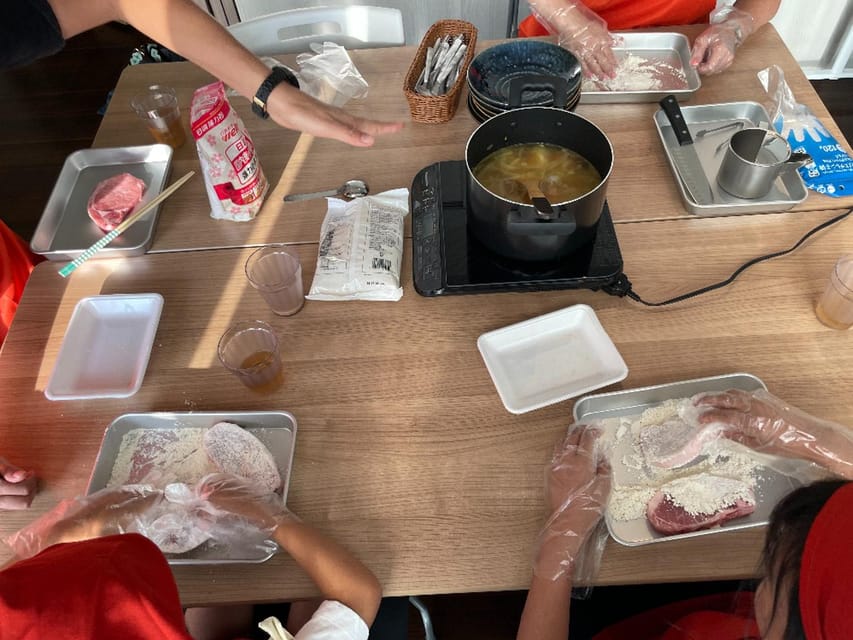
The class is more than a meal lesson. Throughout the cooking process, there is room for conversation. You can ask questions about Japan, the area around Osaka, and anything that connects to what you are making.
That Q and A time is one of the most underrated parts of cooking classes. Food is a doorway, but questions are what turn the doorway into a path. If you wonder how people shop for ingredients, what certain items are used for, or what daily life habits look like, this setup gives you a guided place to ask.
This matters even if you have been to Japan before. When you are cooking, you notice things you would not notice at a distance. Then your questions make sense, and your answers actually stick.
The Lunch You Make: Eating It Immediately With Pride
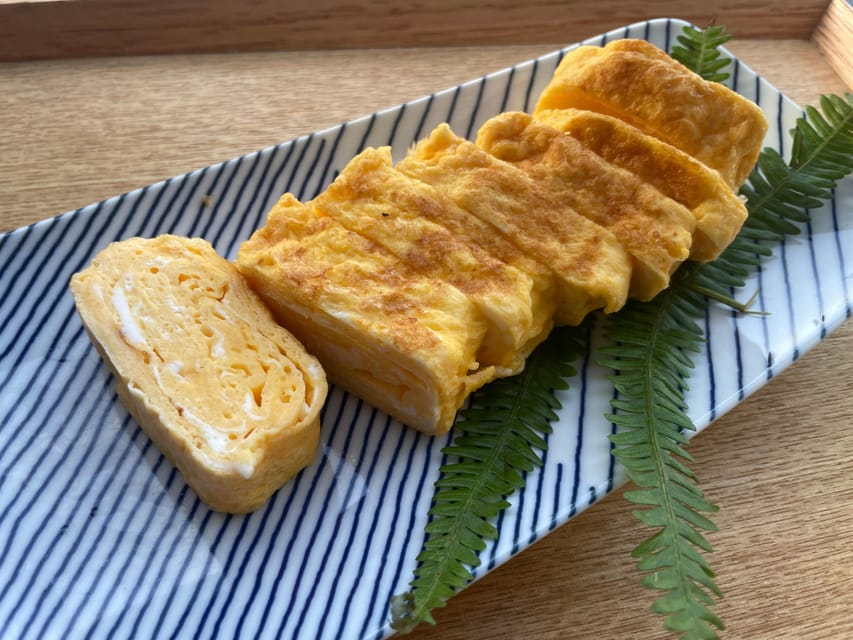
By the end of the session, you get to enjoy what you cooked. That is not a vague promise. The structure is built around making and then eating the meal you assembled, whether it is the finished katsu curry or your bento box.
This immediate payoff is where home-style cooking classes beat typical tours. You do not just hear about the dish. You taste it right after you learn it, which helps you understand what “good” should taste like. It also makes the experience feel complete.
In bento sessions, people often mention the sense of achievement of putting the box together. That is real psychology. When you build something with your hands, you feel ownership, and the meal tastes better because it is yours.
Price and Value: Is $83 Actually Worth It?
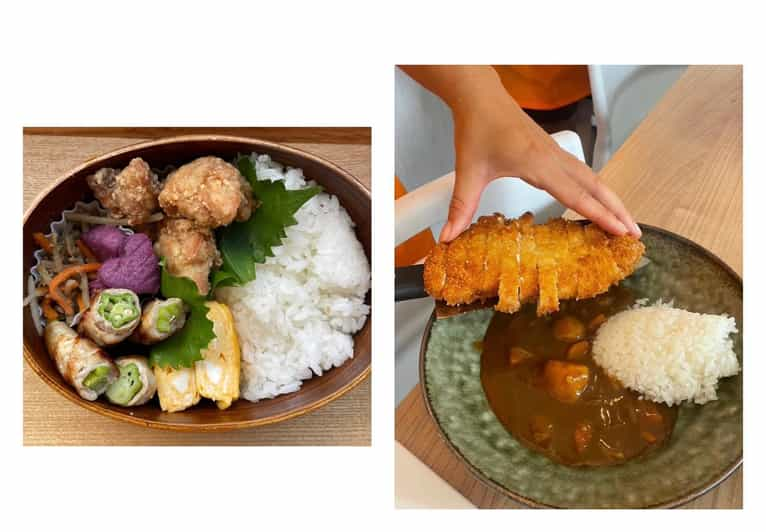
At $83 per person for about 150 minutes, you are paying for more than a recipe. You are paying for:
- a small-group format (up to 8 people)
- an English instructor and translation support
- a local shop tour before cooking
- hands-on cooking with step-by-step teaching
- the meal itself (katsu curry or bento)
If you compare this to doing just a restaurant meal, you are not only buying lunch. You are buying instruction plus context. That changes the value math.
Optional drinks can add cost if you choose sake tasting, but the core experience includes the food. For me, the best value comes from the home-replicability. Learning how to make one dish, with technique and ingredient context, can be worth more than one dinner out, especially if you cook again later.
Who This Osaka Class Fits Best (and Who Might Skip It)
This is a strong match if you want:
- a small-group Osaka cooking class with practical skills
- to learn either katsu curry or bento using techniques you can repeat at home
- a morning or daytime activity that mixes local shops with a kitchen session
- a culture-focused experience where you can ask questions in English
It may be less ideal if:
- you want a totally passive tour with lots of sightseeing and minimal hands-on cooking
- you have very limited time in Osaka and cannot fit 150 minutes
- you dislike choosing between two main styles, katsu curry or bento
If you are traveling with kids, this setup often works well because the teaching is designed to be manageable for different ages. Families have done katsu curry courses with kids and found the pace patient enough for learning from scratch.
If you are traveling solo, the small group limit helps. One person can get attention, and the instructor can still keep the class moving.
Practical Tips Before You Go
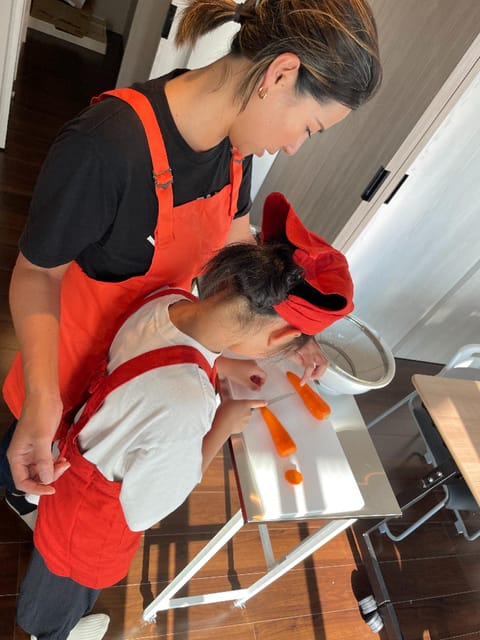
A few details will make your experience smoother.
- Arrive at the big main gate of Osaka Tenmangu Shrine, not the small back gate.
- Plan to reserve at least 24 hours in advance, since the experience requires booking ahead.
- Decide what you want more, katsu curry comfort or bento building. If the schedule offers one option only, be ready to commit.
- If you enjoy Japanese drinks, consider the optional drinks, including sake tasting, but remember they are not listed as included by default.
- Come with curiosity. The best part of this class is not only the cooking, it is the chance to ask real questions while you work.
Should You Book This Cooking Class?
I think this is an easy yes if you want a hands-on Osaka experience that teaches you something repeatable. The combination of a local shop tour, translation support, and step-by-step cooking makes it practical, not just fun.
If you like food that has clear technique, katsu curry is a great pick. If you want a skill you can use for lunches at home, bento is the better match. Either way, the small group size and the friendly teaching style, including hosts like Miyako, Yuka, and Tomoko in past sessions, point to a learning experience that stays organized instead of chaotic.
Book it when you want lunch with purpose, not just lunch on a plate.
FAQ
Where is the meeting point for this class?
You meet in front of the large main gate of Osaka Tenmangu Shrine. Be careful not to go to the small back gate.
How long is the cooking class?
The experience runs for about 150 minutes.
How much does it cost?
The price is $83 per person.
What dish will I cook?
You will cook either Katsu Curry or Bento, depending on the session.
Is the class taught in English?
Yes. The instructor provides instruction in English, and translation assistance is also included.
Is food included?
Yes. Food is included, and it corresponds to the dish you make, either katsu curry or bento.
Are drinks included?
Drinks other than water are optional, and this may include sake tasting.
How big is the group?
It is a small group limited to 8 participants.
Can I cancel and get a full refund?
You can cancel up to 24 hours in advance for a full refund.
When should I make my reservation?
Make your reservation at least 24 hours in advance.
More Tours in Osaka




More Tour Reviews in Osaka

More Kitchen Tables to Sit At

Latest out of Osaka


Osaka Home Cooking Classes, side by side.
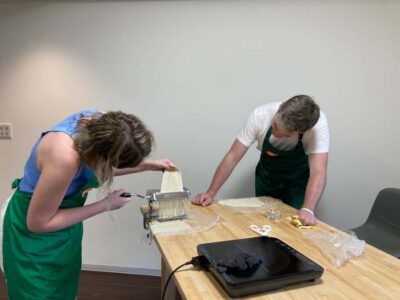 ★ 5.0Osaka: Ramen and Gyoza Cooking Class in DotonboriFrom $70378 reviews
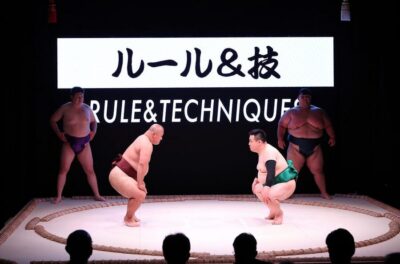 ★ 4.3Osaka: Sumo Stage Show with Bento or Snack + Fight & PhotoFrom $93364 reviews
 ★ 5.0Osaka Cooking Class: Okonomiyaki &Japanese cuisines experienceFrom $104261 reviews
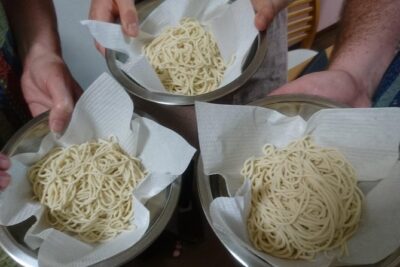 ★ 5.0Ramen and Gyoza Cooking Class in OsakaFrom $79202 reviews
 ★ 5.0Osaka Sake Tasting with Takoyaki CookingFrom $70156 reviews
 ★ 5.0Osaka Sake Tasting & Takoyaki Cooking ExperienceFrom $72149 reviews
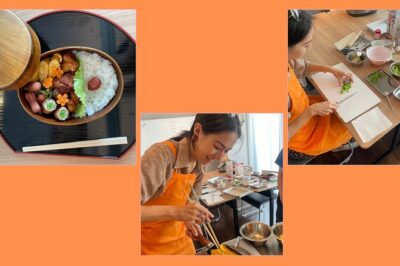 ★ 5.0Cooking Ramen&Gyoza/KatsuCurry/Bento/Okonomiyaki+Store Tour@OsakaFrom $85138 reviews
 ★ 5.0Three Types of Ramen Cooking Class in OsakaFrom $79119 reviews
Also worth a look in