
REVIEW · OSAKA HOME COOKING CLASSES
【Private】Sushi Making Osaka! Omakase Cooking Class in Japan!
Roll up your sleeves, Osaka sushi comes alive. This private 90-minute class teaches you nigiri and maki with English help from Instructor Momoka, and you eat what you make right after. It is a great way to understand sushi culture without getting stuck in a menu maze. One consideration, there is no hotel pickup, so you will need to reach Sushi Making Osaka near Higashishinsaibashi on your own.
I like the clear flow: learn, make, then eat, all in one session. The experience is built for a small group (up to 10) with a mobile ticket, and it sits in the heart of Osaka where you can tack on sightseeing after the class.
Key things to know before you go
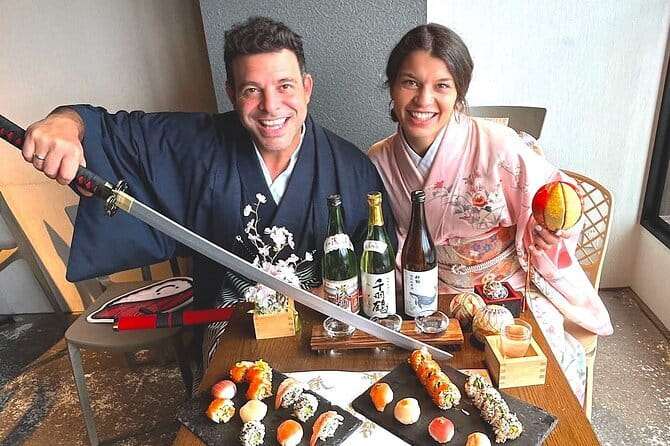
- Two sushi types in one class: you will make nigiri and maki (roll sushi)
- History first, hands-on after: sushi background in the early part, then active crafting
- You make as much as you want, then you eat: the meal is the payoff
- English instruction with a friendly team: the staff led by Momoka, plus Momo and Hiro support and keep things moving
- Dietary options exist, but changes have rules: gluten-free, vegan/vegetarian, halal, and allergy options are offered with limits
- Central Osaka location: plan to combine the class with nearby sights in Chuo Ward
Osaka sushi making, the 90-minute rhythm that actually makes sense
This is the kind of activity that works in a real travel day. You are not committing to half a day or a full evening of logistics. Instead, you get about 90 minutes where the energy stays high because you are doing something almost the whole time: learning the background, making the sushi, and then eating it.
The structure matters. A lot of food experiences start with a lecture and end with a plate. Here, the session is split more like a workshop. The early portion gives you context for what you are seeing and making, then the rest of the time is practical, focused, and meant to get you comfortable enough to enjoy the food you create.
Also, it is private. That is huge for families, small friend groups, or anyone who wants to ask questions without worrying about slowing other people down. With a group cap of 10, you still get the intimacy of a small class.
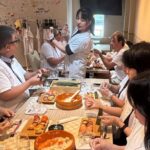
More kitchen tables to sit at
What you learn: nigiri and maki, not just one sushi style
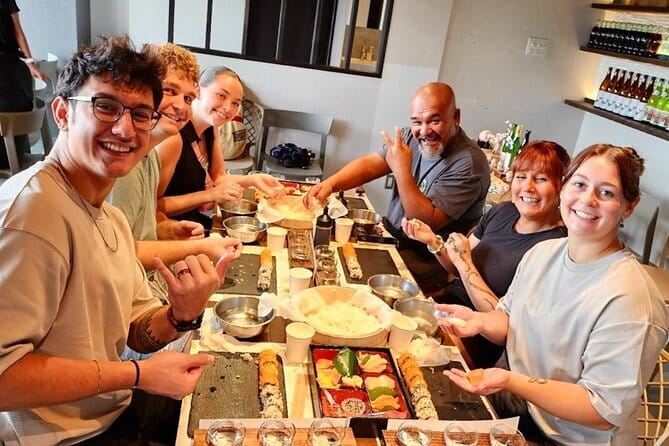
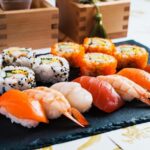
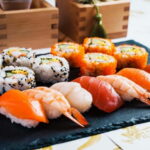
You learn two sushi styles: nigiri and maki. That choice is smart because it covers the two main ways people think about sushi worldwide.
Nigiri is the classic. You get to see the approach behind the standard sushi many people recognize from sushi restaurants at home. It is also a good anchor style for learning how sushi is assembled as a whole, not just how it tastes.
Maki is the roll. Learning maki usually feels more playful because you are working with the idea of wrapping and rolling with rice and fillings. It is also a great contrast to nigiri, since the technique and final shape are very different.
One practical benefit for you: when you leave, you have a clearer map of what sushi means in Japan, because you made both formats. That makes restaurant ordering afterward easier, even if you stick to familiar items.
Momoka, Momo, and Hiro: the English-led teaching style that keeps it fun
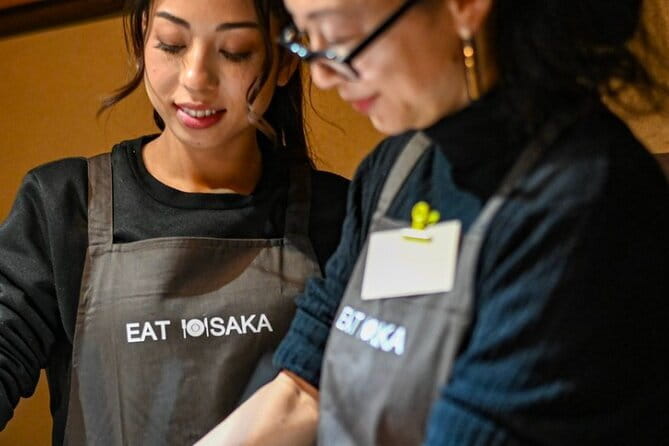
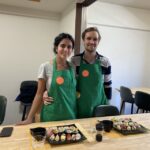
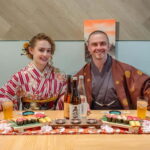
The team is the heart of this class. Instructor Momoka is described as funny and patient, and that is exactly what you want when you are learning a food technique for the first time. Momo and Hiro are also mentioned as enthusiastic and helpful, which usually means you get quick feedback and encouragement rather than feeling rushed.
If you have ever been nervous in a cooking class, you will appreciate the vibe. The class is designed to make you comfortable while you learn the steps. That matters for two reasons. First, you will focus better when you are not second-guessing every move. Second, you will enjoy the food more when you understand what you are doing instead of treating it like assembly-line sushi.
If you bring kids, this kind of supportive pacing can turn a meal into an experience they remember. Even if you are not a confident cook, you still get to feel competent because the teaching approach is geared toward first-timers.
Step by step in the class: sushi history, then making, then eating
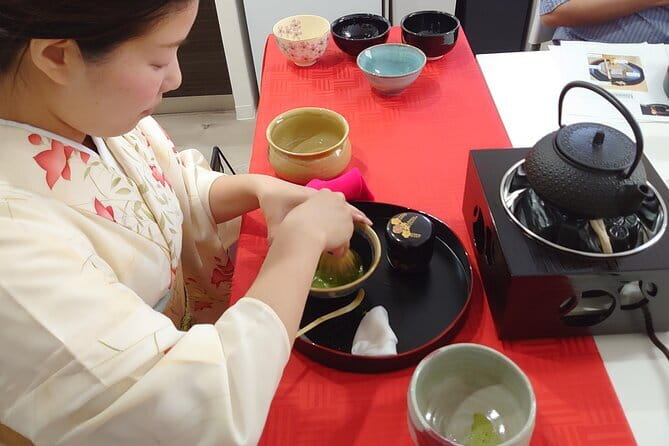
The session is about 90 minutes, and it follows a simple pattern.
First, sushi history and context. The class starts with background on sushi and what makes it sushi in the Japanese food tradition. This is not trivia for trivia’s sake. You are learning enough to connect your hands-on work to meaning, like why the rice matters and why different styles are treated differently in presentation.
Next, you make sushi during the first half. You will focus on the two types of sushi taught in the class. Importantly, you are not forced into one tiny portion. You make as many as you like, which gives you time to practice the motions and get a feel for the shapes.
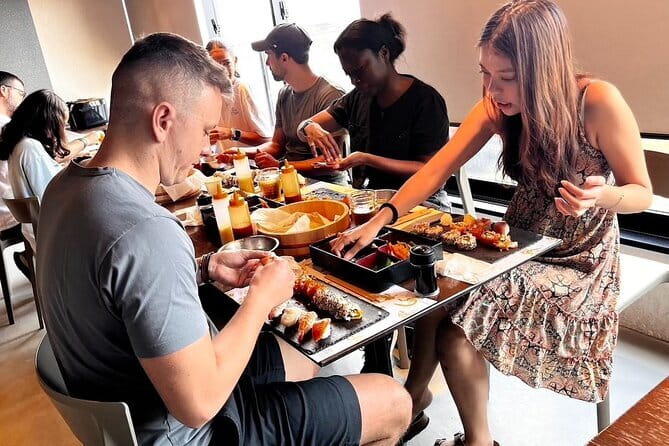
Finally, you eat what you made in the last half. This is the payoff. The class is not just about learning technique, it is about getting to taste the results immediately. That turns the session into an actual meal, not a souvenir.
A small but meaningful detail: because you are eating the sushi you shaped, you get a direct comparison between how it looks, how it feels, and how it tastes. That makes it easier to remember what you did and why.
Dietary options in Osaka, and the limits you should know early
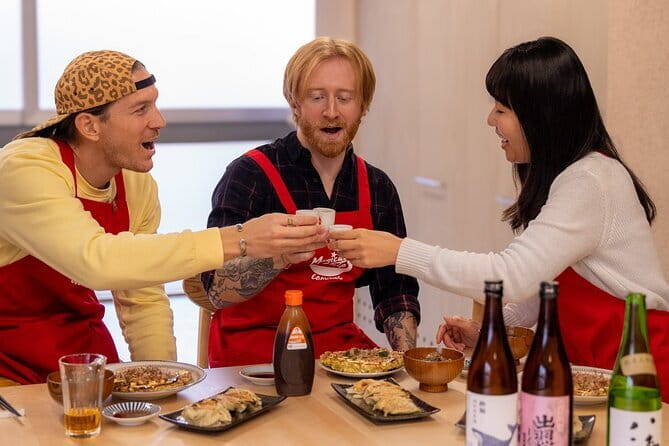
This class does offer menu changes, and that is a real plus if you are traveling with specific needs. Options listed include:
- Standard (gluten-free)
- Vegan or vegetarian
- Halal
- Allergy option with restrictions (the listed ingredients not used include meat, nuts, fruits, and dairy)
However, there are boundaries. If you need a change, you should contact them about it when you book. They also state they cannot respond on the day of the class. And they do not accept ingredient specifications beyond the listed menu types.
So here is the practical way to think about it for your planning. If you fit one of the offered categories, you are in good shape. If you have a very specific allergy or dietary requirement that is not clearly covered by those categories, you should clarify what is possible before you go, because they do not take custom ingredient requests.
If you are traveling with a group, it is also worth aligning everyone’s needs early. Since the menu options are defined, it is easiest when the group picks from the available category list.
More rice, more knife work
Where it is in Osaka: Higashishinsaibashi makes pairing with sightseeing easy
The meeting point is Sushi Making Osaka, 1-chōme-16-20 Higashishinsaibashi, Chuo Ward, Osaka. The class is positioned in a tourist-heavy part of the city, and that is useful.
Why it matters for you: you can schedule the class so it becomes a focal point, then wrap the rest of your day around it. The class description explicitly suggests you can explore historic sites after class. That is exactly how I like to plan food activities in Japan, you learn and eat, then you walk off the calories among places worth seeing.
You do not get hotel pickup or drop-off, but the location is near public transportation. That means you can usually reach it without a special plan, as long as you are comfortable using trains or walking a few blocks from a station.
Price and value: $848.74 per group up to 10, what that really means
The price shown is $848.74 per group, up to 10 people. That pricing model is important to understand because it changes how the class feels value-wise.
For a solo traveler, it can be pricey compared to a typical individual workshop. For a small group, it can be a standout deal because:
- English instruction is included for the group
- ingredients and the meal are included
- you get privacy, so you are not stuck in a large mixed class where your questions might get lost
For families or friend groups traveling together, you can spread the cost across people in a way that makes the experience feel more like a full activity than a simple food stop.
One more value point: this class includes both learning and eating in the same session. You are not paying for a demonstration and then going elsewhere for dinner. If you were already planning to eat in Osaka that day, this can replace part of that plan rather than adding a second meal on top.
If you are deciding whether to book, think in groups, not in solo comparison. And because the class is often booked about 36 days in advance on average, it is smart to lock in your date without waiting until the last week.
How to get the most from your sushi making class
You will enjoy this class more if you treat it like a skill practice, not a performance. Here are a few ways to make the 90 minutes count.
First, slow down mentally. When you are making sushi, focus on the steps you are taught, not on making a perfect final product. The goal is to learn enough to enjoy the process and understand the why behind sushi styles.
Second, plan your timing. Since it is near public transportation but has no hotel pickup, you will want a buffer to get there calmly. If you are rushing, you will feel it once you start shaping sushi.
Third, eat with confidence. The session ends with a meal made from what you produced. If you lean in and try it fresh, you get the full benefit of the class, not just the photos.
Finally, consider what you want afterward. If you want a sushi-and-sightseeing day, schedule it early enough that you can still explore after. The class is specifically positioned for that kind of day flow in central Osaka.
Who should book this class in Osaka, and who might skip it
This works best if you:
- want a hands-on food experience that teaches two sushi styles
- prefer English-led instruction and a supportive team
- are traveling with a small group and want privacy (up to 10 people)
- like the idea of learning sushi culture through making and eating
You might skip it if:
- you want a very long meal format with lots of dining courses, since this is about 90 minutes and focused on making
- you dislike getting yourself to a central meeting point, since there is no hotel pickup or drop-off
Also keep in mind dietary changes have rules. If you need a specific menu category, plan ahead when booking. They cannot respond on the day, and they do not accept ingredient specifications.
Should you book Sushi Making Osaka?
If you are in Osaka and you want a memorable, practical food experience, I think this is a strong yes. The format is built for learning without stress, and the class ends where it should, with you eating the sushi you made. The teaching team, including Momoka and the support from Momo and Hiro, is a big reason people feel comfortable and have fun while learning.
Book it if you are traveling as a group and want privacy, or if you simply want to understand sushi beyond what you can read on a menu. It is also a smart choice for anyone who wants a structured activity in central Osaka, then time to explore afterward.
If you are traveling solo, do the math for your budget and compare it to what else you could do with that time and money. But for groups, this class tends to feel like a solid value because instruction, ingredients, and a full meal are included in one short session.
FAQ
How long is the sushi making class in Osaka?
The class is about 1 hour 30 minutes.
Is this a private experience?
Yes. It is a private tour or activity, and only your group participates.
Where is the meeting point?
The start point is Sushi Making Osaka, 1-chōme-16-20 Higashishinsaibashi, Chuo Ward, Osaka 542-0083, Japan.
What sushi types will I learn to make?
You will learn to make two types of sushi: nigiri sushi and maki sushi (roll sushi).
Is the meal included?
Yes. Ingredients are included, and you eat the sushi you make during the last part of the class.
Does the class offer dietary options?
Yes. Menu options listed include Standard (gluten-free), Vegan or vegetarian, Halal, and an Allergy option with restrictions (meat, nuts, fruits, and dairy not used).
Can I request specific ingredients for my meal?
No. They state they do not accept any ingredients specifications. You should contact them about menu changes when you make the reservation, and they cannot respond on the day.
Is hotel pickup or drop-off included?
No. Hotel pickup and drop-off are not included.
Is the instructor English speaking?
Yes. An English speaking instructor is included.
What is the cancellation policy?
Free cancellation is available up to 24 hours in advance for a full refund. If you cancel less than 24 hours before the start time, the amount paid is not refunded. If the minimum number of travelers is not met, the experience can be canceled and you will be offered a different date or a full refund.
More Tour Reviews in Osaka

More Rice and Knife Work

More Kitchen Tables to Sit At

Latest out of Osaka


Osaka Home Cooking Classes, side by side.
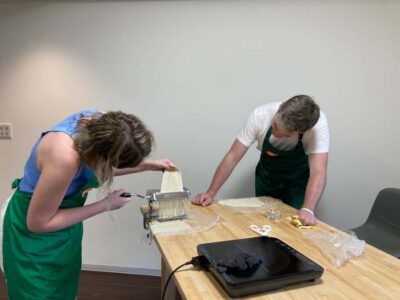 ★ 5.0Osaka: Ramen and Gyoza Cooking Class in DotonboriFrom $70378 reviews
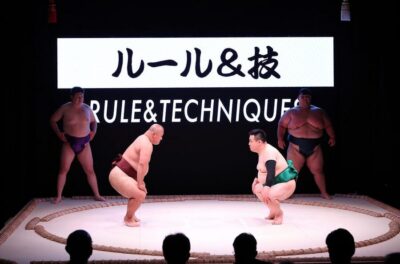 ★ 4.3Osaka: Sumo Stage Show with Bento or Snack + Fight & PhotoFrom $93364 reviews
 ★ 5.0Osaka Cooking Class: Okonomiyaki &Japanese cuisines experienceFrom $104261 reviews
 ★ 5.0Ramen and Gyoza Cooking Class in OsakaFrom $79202 reviews
 ★ 5.0Osaka Sake Tasting with Takoyaki CookingFrom $70156 reviews
 ★ 5.0Osaka Sake Tasting & Takoyaki Cooking ExperienceFrom $72149 reviews
 ★ 5.0Cooking Ramen&Gyoza/KatsuCurry/Bento/Okonomiyaki+Store Tour@OsakaFrom $85138 reviews
 ★ 5.0Three Types of Ramen Cooking Class in OsakaFrom $79119 reviews
Also worth a look in