
REVIEW · OSAKA SUSHI MAKING WORKSHOPS
SUSHI Making Experience at Restaurant
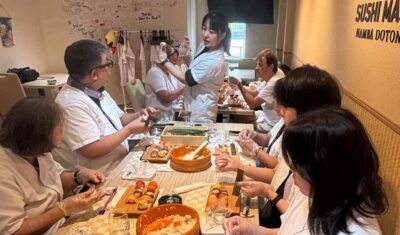
Sushi, taught one careful step at a time. In Osaka, this private class led by sushi teacher Shinichi Kono (30+ years in the craft) is held in a real sushi restaurant, in a calm Japanese setting that makes learning feel focused and unhurried. I like the one-on-one teaching style, and I also like that you’re working with real tools and high-quality ingredients, not imitation props.
My other favorite part is how the instruction feels matched to you, including personalized guidance and menus so beginners do not get left behind. The only real drawback is the price, at $195.46 per person for about two hours, so it is best for people who want the full chef-led experience and not just a quick meal.
Key Highlights You Should Care About
- Chef Shinichi Kono’s 30+ years means you get step-by-step technique, not a generic demo.
- You make classic formats like nigiri, sushi rolls, and hand-rolled sushi.
- A private, group-only class keeps the pace comfortable and questions easy.
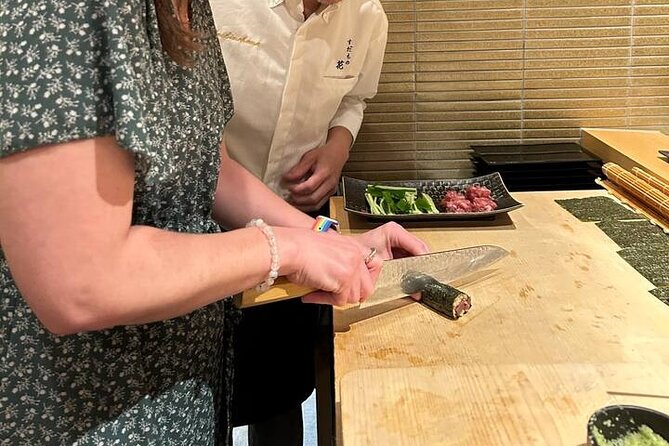
- Tools like knives and quality ingredients are part of the lesson, so you learn with the real setup.
- You eat the sushi you make, and the experience often includes extra Japanese bites such as soup, sashimi, mochi, and even ramen.
Where the Class Happens in Osaka, and What the Setting Teaches You
This is a restaurant-based sushi making experience in Osaka’s Chuo Ward, in the Uemachi area. The meeting point is Japan, 〒540-0005 Osaka, Chuo Ward, Uemachi, 1-chōme−23−1 エミネンスMATOBA, and the class starts at 12:00 pm. It ends back at the meeting point.
The location matters because a real sushi restaurant has a different rhythm than a classroom. You’ll notice the quiet focus, the respect for process, and the fact that people are eating what the cooks just made. If you want a lesson that feels like Japanese craft culture, this setting supports that.
One practical tip from the area, especially if you are basing yourself near Osaka Castle: the restaurant can be about a 2-mile walk from there. If your feet are already tired, use an Uber or taxi to save time and keep your head in the game for the class.
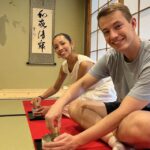
More rice, more knife work
Meet Shinichi Kono, and the One-on-One Teaching Style
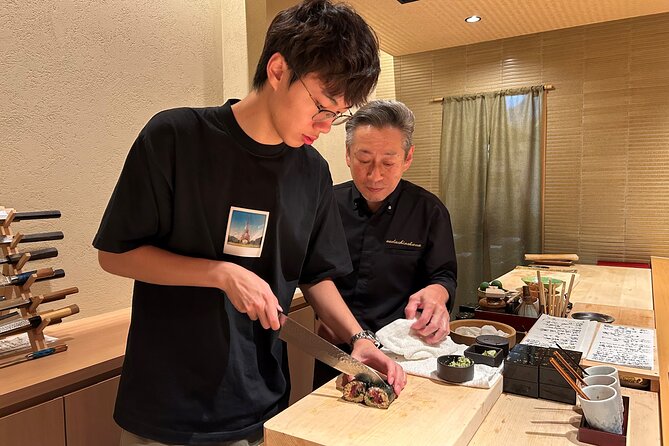
The star of the experience is Shinichi Kono, a sushi chef and teacher with more than 30 years in the business. In practice, his long career shows up in how structured the lesson is. You get careful instruction in each step, so you are not guessing your way through the craft.
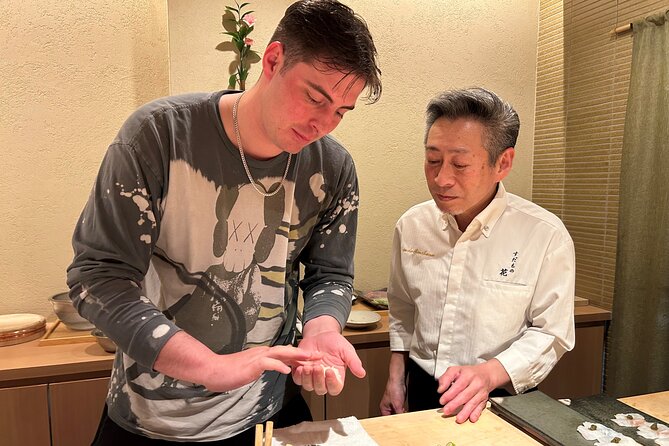
This is also set up as a private experience. That means it is only your group, so the chef can slow down for questions or speed up for people who already understand the basics. Reviews also point to a team dynamic where an additional instructor helps translate and explain clearly, which is a big deal if you are new to sushi technique.
What I like about this teaching approach is that it treats you like an apprentice, not like a spectator. You work along with the chef, learn what matters, and get feedback early, before little mistakes become big ones.
The Lesson Flow: How You Go From Hands to Finished Sushi
The class runs about 2 hours. That time window is long enough to learn real technique but short enough that you stay hungry and energized, not drained. You start by learning the process, and you end by eating what you made.
The lesson is built around progression. You learn foundational handling first, then you practice shaping, and finally you assemble the sushi pieces you will eat. One big comfort is that the chef prepares key components in advance, like sushi rice and fish cuts, so you can jump in right away instead of waiting around for everything to be cooked from scratch.
That structure is smart for most people. Sushi looks simple, but the quality depends on the small things you learn by doing, like consistent portions, how you handle sticky rice, and how the pieces come together neatly.
Sushi Rice: The Step That Changes Everything
Sushi rice is where many beginners struggle. It is sticky, it changes as it cools, and the texture and seasoning affect everything you build on top of it. In this class, you get instruction on how the rice should behave and how to work with it as part of the process.
Because the rice is prepared in advance, you are not fighting time and temperature while also learning technique. Instead, you can focus on how to handle the rice in a controlled way and build portions that look right and feel right. That is the difference between a class that is fun and a class that actually makes sense.
If you remember just one thing after the session, make it this: sushi quality starts with the rice. You will feel that in the final bites, because the rice is your base, not just an edible platform.
Nigiri and Rolls: Shaping Sushi With Confidence
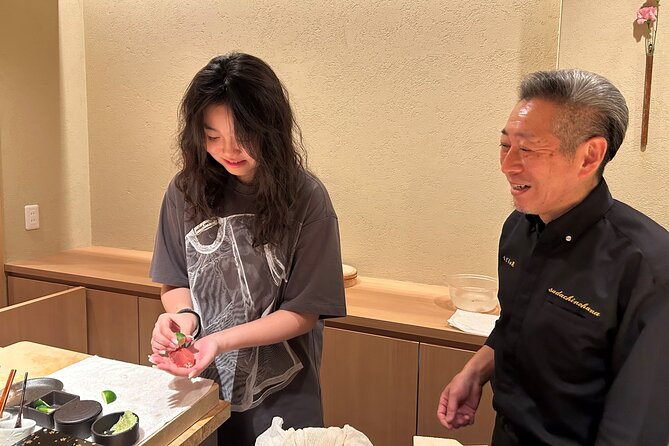
Once you have the rice routine, you move into shaping. The experience includes learning how to make nigiri and sushi rolls. Both are classic, but they teach different skills.
Nigiri is about clean shaping and balance. You learn how the rice and topping should sit together so the final piece looks tidy and holds up. Rolls teach a different kind of precision, where you think more about structure and how ingredients stay evenly distributed inside the roll.
This is where the private, one-on-one element really pays off. If your first attempts are uneven, the chef can correct the issue right away. That prevents you from practicing the wrong shape long enough that it becomes a habit.
And yes, even if you are a complete beginner, the process stays approachable. The instruction is designed so you can succeed without already knowing sushi-making at home.
Set this against a few other Osaka bookings:
Hand-Rolled Sushi (Temaki): The Style That Feels Natural Fast
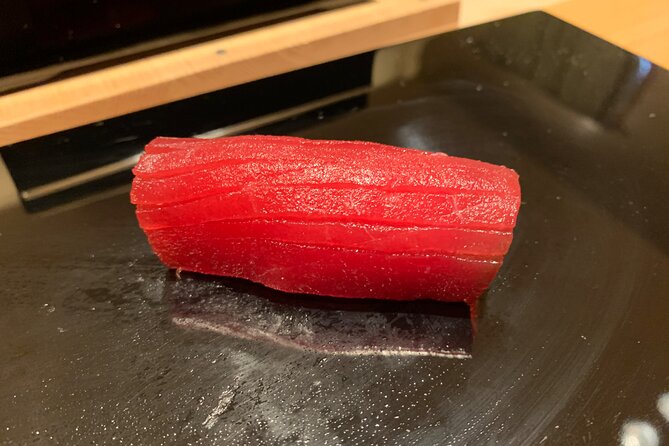
Hand-rolled sushi is one of the highlights, and it is a great choice for learners because it rewards good technique more than advanced tools. When you make temaki-style sushi, you assemble by hand and build the roll directly in a way that is easier to adjust than some tightly formed roll styles.
In this class, you learn the steps carefully, so you can see how the filling is placed and how the roll is formed into something you can actually eat. It also tends to be a confidence builder, because you can correct as you go.
For me, hand-rolled sushi is the bridge between watching sushi from across the counter and actually making it. You get to create something you recognize, fast enough to feel the thrill, without skipping the fundamentals.
Japanese Egg Rolls: A Curveball You Can Still Learn
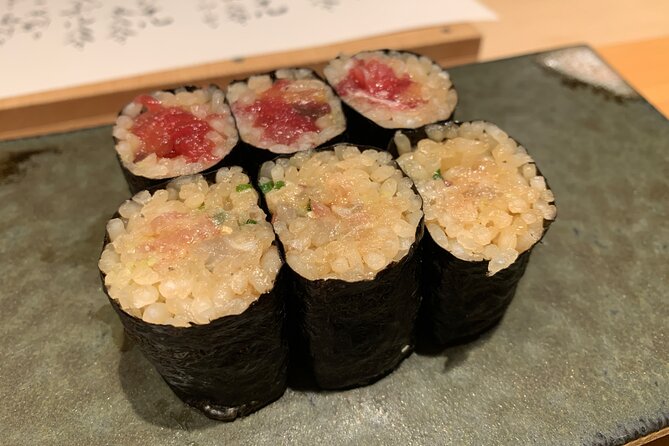
The class also includes making Japanese egg rolls. That’s a useful addition because it shows how sushi menus often blend more than raw fish and seaweed.
Even if egg is not your usual cooking specialty, you get taught as part of the experience so you understand how the egg component fits into the overall sushi idea. It also adds variety to your plate at the end, so you are not walking away with only one texture.
Fish Cuts and Knives: Real Ingredients, Real Technique
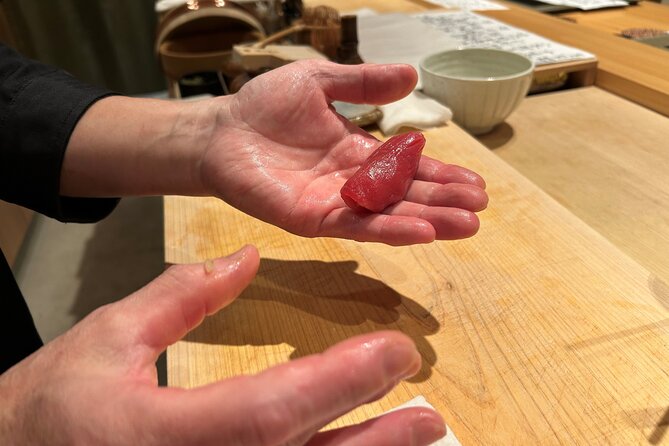
You’ll learn with high-quality ingredients and tools like knives. The exact level of knife practice depends on the flow of your session, but the purpose is consistent: you get a sense of why certain cuts matter and how they support the way sushi is eaten.
One reason this matters is that sushi fish is not just flavor. It is texture, portioning, and how the topping behaves on rice. When the fish cuts are prepared in advance, you can spend your energy on the assembly skills instead of waiting on prep.
Also, working in a chef-led setup makes knife talk feel practical. You’re not just hearing theory. You see how the work supports the finished piece you will hold and eat.
What You Eat After the Class, and Why It’s Part of the Value
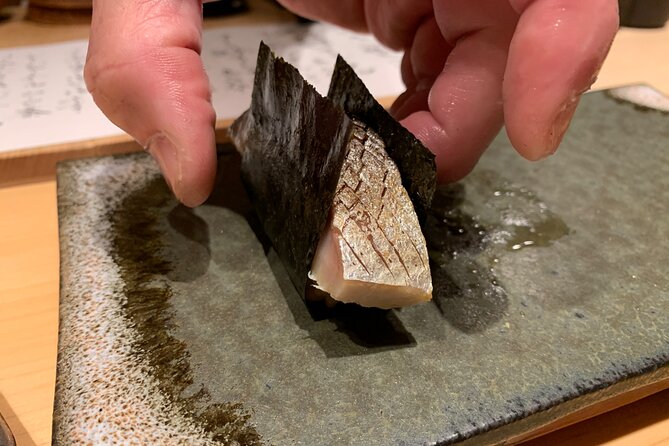
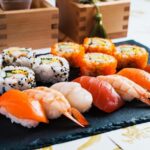
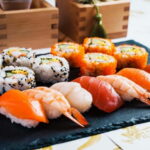
At the end, you eat the sushi you made yourself. That is not a small detail. Learning is one thing, but tasting your own work is where the lesson locks in.
The food experience can go beyond just the pieces you assembled. Some sessions include additional Japanese bites such as soup, sashimi, mochi, and even ramen. You might not get every item every time, but the pattern is that you leave with a broader meal, not just a small sample.
If you are thinking about value, this is a big part of it. You are paying for instruction plus a proper meal outcome. You are not simply buying dinner with an activity attached.
Price and Value: Is $195.46 Per Person Worth It?
At $195.46 per person, this is not a budget class. It is priced more like an experience with premium ingredients, a real chef instructor, and the focus of a private session. You are also paying for the fact that the class ends with eating what you make, which gives you a satisfying payoff.
Here is the best way to judge value before you book. Ask yourself whether you want the learning part, not only the sushi part. If you want technique, rice handling, shaping skills, and one-on-one feedback, then this price starts to make sense.
If you only want a casual sushi meal, you can find cheaper options. But if you want to take home usable skills and you care about doing it in a real restaurant environment, this becomes a more rational splurge.
Booking timing also suggests demand. It is commonly booked about 33 days in advance, so if you have fixed plans, grab your slot sooner rather than later.
Who This Sushi Making Class Fits Best
This experience is a strong match for:
- Beginners who want clear step-by-step help
- People who enjoy Japanese food culture and want to learn how it is made
- Couples or small groups who prefer a private pace
- Anyone who wants to actually taste their own handiwork
There is also a clear kid rule: children must be 11 years old or older to participate. If you are traveling with younger kids, plan something else.
Food sensitivities matter too. If you have any food allergies or dislikes, you should tell the team in advance so the chef can plan appropriately. That small action helps keep the session smooth and comfortable.
A Practical Plan for Your 12:00 pm Start
This class starts at 12:00 pm, so you do not want to be rushing lunch at the last minute. Aim to arrive a little early at the meeting point so you can settle in calmly.
Since it is near public transportation, you have options. Still, from tourist-heavy areas like near Osaka Castle, it can be easier to use an Uber or taxi to save walking time. That matters because sushi classes run on focus, not on stress.
Bring your appetite. Even though the class is about learning, you are still building a meal. By the time you reach the eating portion, you’ll want your energy ready.
And because it is a mobile ticket experience, have your confirmation accessible on your phone. It keeps things simple when you arrive.
Should You Book This Sushi Making Experience in Osaka?
I’d book it if you want an actual craft lesson from Shinichi Kono, with private, one-on-one coaching and real ingredients and tools. It is also a great choice if you learn best by doing, and if the idea of shaping nigiri, rolls, and hand-rolled sushi sounds fun rather than intimidating.
I would skip it if your budget is tight, because $195.46 per person is a real cost for a roughly two-hour class. I’d also think twice if you are bringing kids under 11, since the age requirement is strict.
If your goal is to leave Osaka with more than photos, with real technique and a meal you helped make, this class is an easy yes.
FAQ
How long is the sushi making experience?
It lasts about 2 hours.
What time does the class start?
The start time is 12:00 pm.
Where is the meeting point in Osaka?
The meeting point is Japan, 〒540-0005 Osaka, Chuo Ward, Uemachi, 1-chōme−23−1 エミネンスMATOBA.
Is this activity private or shared with strangers?
It is private. Only your group participates.
Is there an age limit for children?
Yes. Children must be 11 years old or older.
What happens after the lesson?
After the experience, you eat the sushi you made yourself.
Are allergies accommodated?
If you have any food allergies or dislikes, you should let the organizers know in advance.
What type of ticket do I receive?
You receive a mobile ticket.
Can I get a full refund if I cancel?
Yes. Free cancellation is available if you cancel up to 24 hours in advance for a full refund.
More Dinner Experiences in Osaka


More Tour Reviews in Osaka




More Rice and Knife Work

Latest out of Osaka


Osaka Sushi Making Workshops, side by side.
 ★ 5.0Sushi Making Osaka Roll and Authentic Japanese Sushi ClassFrom $311,220 reviews
 ★ 5.0Osaka Sushi Making ExperienceFrom $29400 reviews
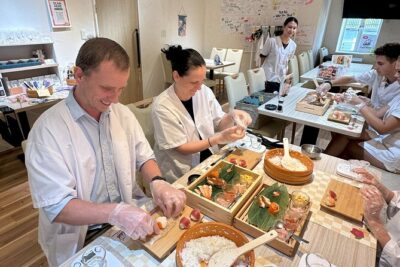 ★ 5.0Osaka Sushi Making Class – Hands-On Nigiri & Rolls (Same-Day OK)From $33352 reviews
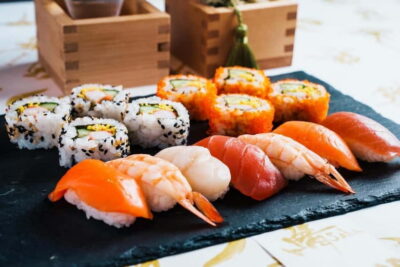 ★ 4.9Osaka: Roll and Authentic Sushi Making Class in DotonboriFrom $45239 reviews
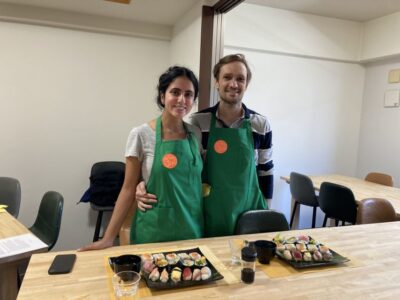 ★ 4.9Osaka: Sushi Class in DotonboriFrom $67160 reviews
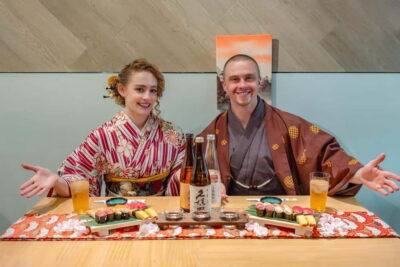 ★ 4.9Osaka Dotonbori: Sushi Making ExperienceFrom $45122 reviews
 ★ 5.0Osaka: Sushi Making in Spacious Studio (SAME-DAY OK!)From $2575 reviews
 ★ 5.0Sushi and Japnese foods cooking class in OsakaFrom $16551 reviews
Also worth a look in