
REVIEW · WORKSHOPS
Private Handmade Ring Workshop Class
Hammered metal, real meaning. In Osaka, you can create a Tankin ring by stamping texture yourself, then get it finished so it looks crisp.
I love that your ring pattern is naturally one-of-a-kind. The whole point is the hammer marks, and no two look the same.
Next, I like how much choice you get without needing jewelry experience. You can pick material, thickness, shape, and texture, and the team (I saw names like Junpei and Ayane in reviews) keeps the steps clear even if your Japanese is zero. A guide like Connie was also noted as patient and thorough in one review.
One thing to watch: the price you see can change on the day. This is a workshop plus a minimum ring option, and your total depends on the material and width you choose, plus there’s a surcharge for sizes 21 and up.
Key highlights you’ll care about
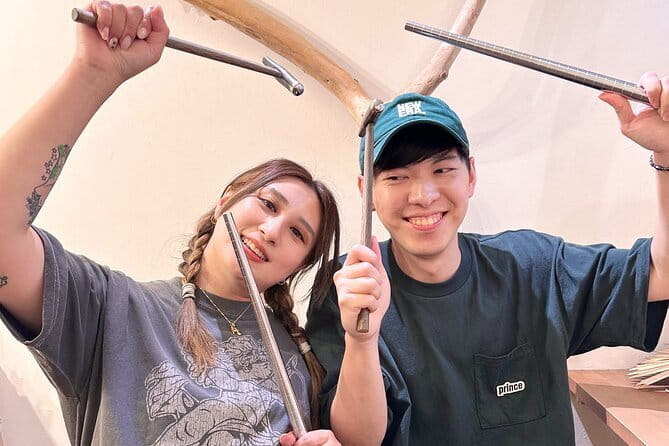
- Tankin hammering for a unique, textured ring you design with your own rhythm
- You choose the specs on-site, including material, width, shape, and finishing style
- Craftsmen do the delicate finishing, so beginners still leave with a clean result
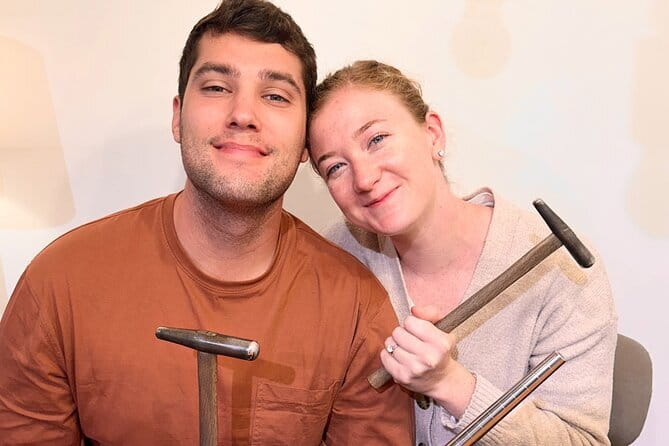
- Couples can make matching keepsakes by exchanging and stamping texture for each other
- Translation support is built in via Japanese staff and guidance for non-Japanese speakers
- Broad material options from silver to gold shades, including green gold
Why this Osaka Tankin ring workshop feels personal
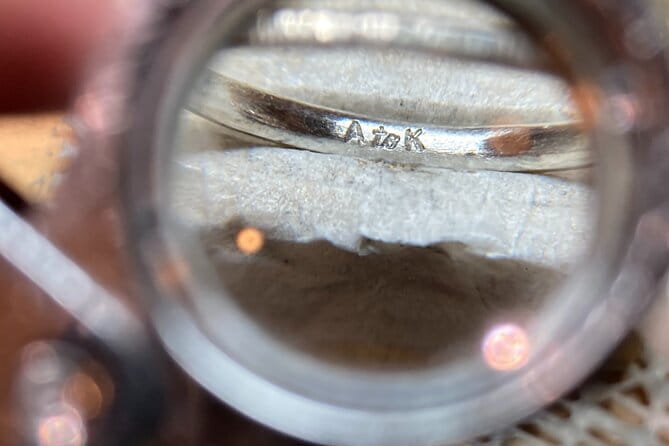
If you like travel souvenirs that you can actually wear, this is a strong pick. You’re not just buying something pretty and factory-made. You’re creating a ring from scratch, then shaping the most visible part of it, the texture, with your own hands.
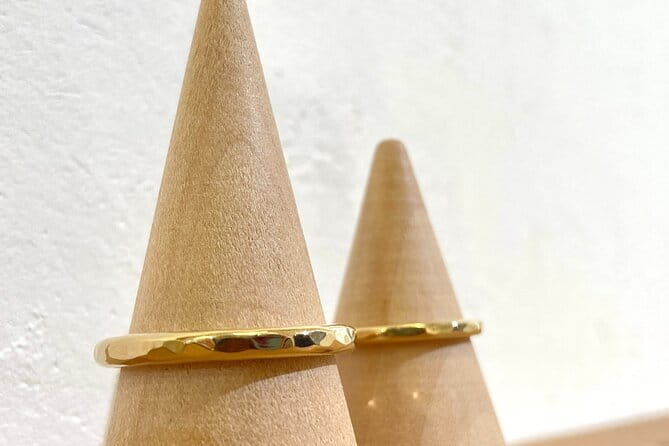
Tankin (槌目) is a Japanese traditional style known for hammered patterns. In practice, that means the surface has a lived-in, artisan look that feels distinctly Japanese. And because hammering naturally varies, your ring becomes a true one-off, even if you choose a texture someone else also liked.
This also works as a gift that feels earned. People understand value when they see you made it. The shop even positions the class as a memorial souvenir, so it’s a nice way to make your Osaka trip feel like a chapter, not just a stop.
Just your group: more private options
Where the class happens at itoaware Osaka (Kita Ward)
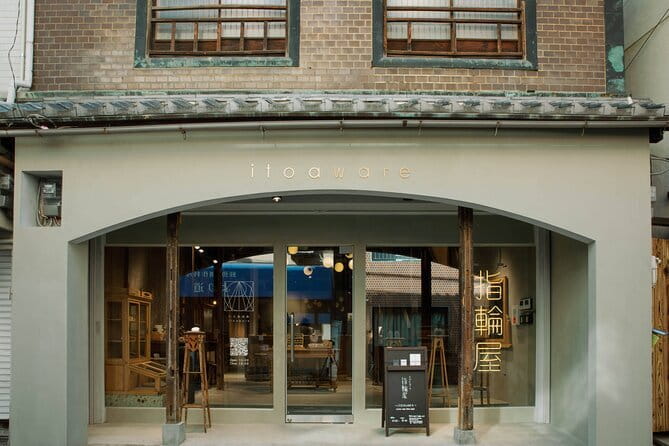
You’ll meet at itoaware Osaka, located at 3-chōme-2-18 Nakazaki, Kita Ward, Osaka, 530-0016. It’s described as near public transportation, which matters in Osaka because you don’t want to spend your ring-making time fighting transit.
This is a private workshop, meaning only your group participates. That usually improves the experience because staff can slow down for questions and you’re not trying to hear instructions over other people’s hammering.
One review mentioned the shop itself felt beautiful, which is a small detail, but it changes the vibe. You’re about to make something intimate, so it helps when the space feels calm and cared for.
The 90-minute flow: choose, hammer, finish
Think of the workshop as four steps, with you doing the fun part and the craftsman doing the finicky part.
First, you’ll choose your design combination. You pick ring width, shape, and the finishing direction you want. Then you confirm the material and thickness you’re aiming for.
Second, before you start stamping, the craftsman prepares the base ring. This matters because you’re not learning metal shaping from scratch. Instead, you’re focused on the Tankin texture experience, using special hammers and tools.
Third, you hammer the texture onto your ring surface. This is where your ring stops being generic. The timing and patterning come from your touch. The instructions are explained clearly, and the team supports you throughout, even if you’ve never held a hammer before.
Finally, the delicate finishing is handled by the craftsman: smoothing and polishing so the ring looks clean and wearable. The process is described as about 60 to 90 minutes overall, and the listed duration for the experience is around 1 hour 30 minutes.
One small plus for photos: if you want, staff can take commemorative photos using your mobile during the workshop. That’s handy because you’ll be busy focusing on the process, and you won’t want to worry about camera angles.
Tankin hammering: how your texture becomes the signature
Here’s the honest appeal of Tankin: the pattern is the personality. Hammer marks are the whole design language. You’re choosing not just what the ring looks like at the end, but how it gets there.
What I like about this class setup is that the workshop doesn’t treat you like you must be precise. You’re doing texture placement and rhythm, and the shop structure handles the final refinement. The experience notes say the last finishing is done by a professional, so even if your first attempts feel a little uneven, the final polish helps the ring look intentional.
During hammering, you’ll typically focus on:
- creating a consistent surface texture across the area you choose
- following staff guidance on tool handling
- checking your progress before moving on
This is also why the rings become such memorable gifts. A factory can copy a shine. It can’t copy your hammering decisions.
Price and materials: why the total can rise on the day
Let’s talk money, because this workshop is a great value once you understand how pricing works.
The class price is advertised at around $21.80 per person, but the important detail is this: it’s a minimum ring price plan, not a flat price that guarantees a specific ring quality. On the day, you select the material and ring width (and options), and your final amount can differ from what you paid online.
There’s a clear minimum stated for 1 ring:
- Silver ring (Silver925) starting from 1.0mm width at 3,300 yen (tax included)
Then it climbs quickly as you choose thicker or more complex widths. For Silver925, examples of reference pricing include:
- 1.0mm: 3,300 yen
- 1.5mm: 4,400 yen
- 2.0mm: 5,500 yen
- 2.5mm: 7,700 yen
- 3.0mm or 4 x 2mm: 11,000 yen
- 5 x 2mm: 15,400 yen
If you choose higher-end materials, the jumps are dramatic, especially for wider widths:
- K10 Green Gold starts at 11,000 yen for 1.0mm and goes far above that as width increases
- Platinum (Pt900) and K18 gold (multiple colors) start at 27,500 yen for 1.0mm and can reach 220,000 yen for 3.0mm in the Pt900/K18 examples
Two practical notes:
1) Sizes 21 and up have a 10% surcharge.
2) You can pay any difference on-site after online pre-payment, and the shop pushes cashless payment (credit cards and electronic money are suggested).
So how do you get good value? I’d use this simple approach:
- If you want the lowest total cost, choose Silver925 at the smallest width option.
- If you want a gold look, you can manage cost by selecting a narrower width.
- If you’re paying for meaning and photo-worthy impact, prioritize material and texture over experimenting with multiple complicated option changes.
A bonus: one review highlighted green gold as something they’d never seen before. That’s a real differentiator in Japan. If green gold appeals to you, it’s a memorable choice, but price will reflect it.
More things to make and take home
Couples making rings for each other: a small ceremony in metal
If you’re traveling as a couple, this workshop has built-in romance without feeling cheesy. The experience description explicitly mentions that couples can exchange rings and hammer in the texture as well as their love for each other. That gives the class a clear symbolic structure.
In real life, that means you’re both involved in the same creative act, not just watching someone make something. One review described a couple making rings for each other and choosing among different materials including silver and multiple gold shades.
You also leave with rings you can wear later, which makes the memory easier to keep alive than photos alone.
And yes, it’s also a meaningful solo activity. If you want a personal reminder of Osaka, a handcrafted textured ring turns into a wearable souvenir that you’ll actually notice every time you put it on.
Language, comfort level, and getting help fast

This is one of the easier Japanese workshops for non-Japanese speakers. The class notes say Japanese staff will help and use translation devices to guide you. Reviews also mention that communication is manageable even without much Japanese, and translation apps are enough.
I also like that the process is designed for comfort. The most fragile steps are handled by staff, while you do the hammering. That reduces stress because you don’t feel like you’ll ruin everything with one bad attempt.
If you care about fit, keep in mind a review mentioned adjusting ring size with help from the staff. So if you end up between sizes, it’s worth trusting their process rather than trying to guess perfectly on your own.
What you should plan around before you go
This is a hands-on workshop, so your day should include time for 1.5 hours on-site, plus getting there. Osaka transit is great, but still, you’ll want buffer time so you aren’t rushing.
One more scheduling point from the class details: if you’re late by 15 minutes or more, you might not be able to do the experience. I’d treat arrival like it’s a museum, get there early, and relax.
As for what to bring, the workshop is designed to work with your mobile for photos. Beyond that, the class description doesn’t list special items, so plan like any standard craft activity and follow staff guidance once you arrive.
Should you book this Osaka ring making class?
Book it if you want a souvenir with real meaning and you like the idea of creating texture by hand. This is especially good for couples, gifts, and anyone who loves Japanese craftsmanship styles like Tankin.
Skip or reconsider if you want a fixed, predictable total cost. The advertised plan starts at a minimum silver option, and your choice of material and ring width can increase the final amount fast. Also, if you’re very sensitive to timing, show up early because a 15-minute late window can affect your participation.
My take: this workshop is a strong value when you decide your budget first. Pick the material and width that you can live with financially, enjoy the hammering, and then let the craftsman do the finishing. You’ll end up with wearable proof that you made something in Osaka, not just visited it.
FAQ
Is this workshop private?
Yes. It’s listed as a private tour or activity, so only your group participates.
How long does the ring-making experience take?
It’s about 1 hour 30 minutes (approximately), and the full process including finishing is described as around 60 to 90 minutes.
What makes the ring design special?
You create the texture using the Japanese traditional Tankin style (槌目). The hammered pattern is one-of-a-kind, and the final finishing is done by a craftsman.
What does the price include, and can the final cost change?
The listing includes the workshop price, but the ring total can change because you choose materials and ring width (and options) on the day. The plan is described as a minimum product price plan, so you may pay a difference for your chosen ring.
Can I take photos during the workshop?
Yes. The staff can take commemorative photos with your mobile during the workshop if you prefer.
What if I arrive late?
If you are 15 minutes or more late, you may not be able to do the experience, so it’s best to arrive early.
Make Something to Take Home



Just Your Group: Private Options





More Tour Reviews in Osaka




Latest out of Osaka


Workshops, side by side.
 ★ 5.0Sushi Making Osaka Roll and Authentic Japanese Sushi ClassFrom $311,220 reviews
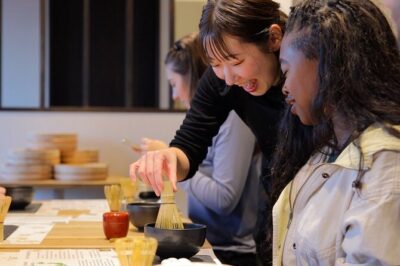 ★ 5.0Matcha Making Class in Osaka with Authentic Japanese Sweets SetFrom $21509 reviews
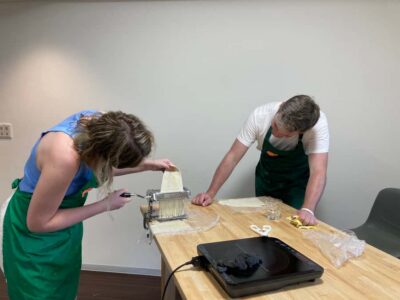 ★ 5.0Osaka: Ramen and Gyoza Cooking Class in DotonboriFrom $70378 reviews
 ★ 5.0Osaka Sushi Making Class – Hands-On Nigiri & Rolls (Same-Day OK)From $33352 reviews
 ★ 5.0Osaka Cooking Class: Okonomiyaki &Japanese cuisines experienceFrom $104261 reviews
 ★ 4.9Osaka: Roll and Authentic Sushi Making Class in DotonboriFrom $45239 reviews
 ★ 5.0Ramen and Gyoza Cooking Class in OsakaFrom $79202 reviews
 ★ 4.9Osaka: Sushi Class in DotonboriFrom $67160 reviews
Also worth a look in