
REVIEW · WORKSHOPS
Osaka Small Group Sashiko Japanese Craftmanship Workshop
Stitching history in Osaka. This Osaka Sashiko workshop turns a simple craft session into a lesson on why Sashiko patterns look the way they do, led by instructor Jun in a small group setting. You start with the story behind the stitches, then you move your hands and learn the basic technique step-by-step.
I especially like that the workshop teaches both skill and meaning. You do not just follow lines, you learn about the history and symbolism behind the patterns, which makes your finished item feel more personal.
The one drawback to consider is that this is a 2-hour class, so you will not master every stitch variation or start a big project from scratch. Also, the activity depends on good weather, so plan around that if your Osaka days are tight.
Quick reasons to try this Osaka Sashiko workshop
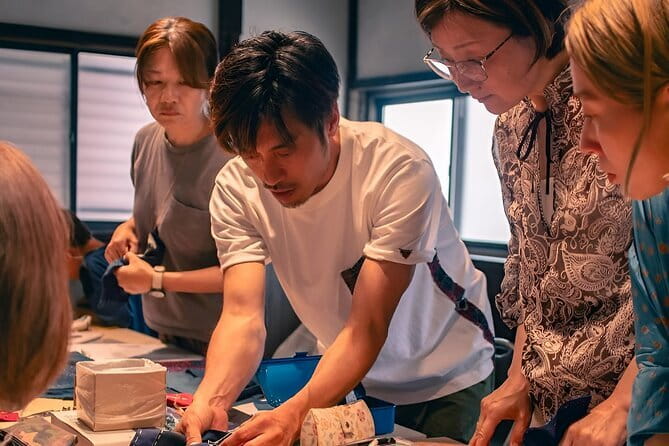
- Small group size (maximum 8 travelers) helps you get real guidance instead of rushing.
- Jun teaches in English, so you can ask questions without guessing at craft terms.
- Tools and materials are included, so you can focus on stitching, not prep shopping.
- You take home a finished Sashiko item like a coaster, ready to use or gift.
- Cultural context is built in, including the Edo-period roots of Sashiko and pattern symbolism.
- A nearby shopping corner offers JunAle original goods, sewing kits, and hand-dyed threads, with cash discounts.
Sashiko basics: why those “little stabs” became art
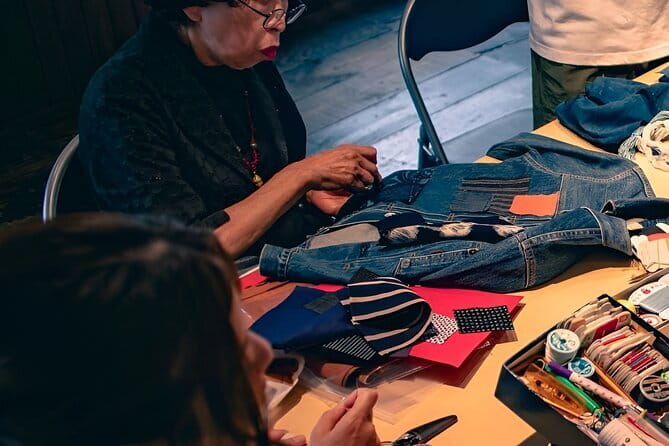
Sashiko literally means little stabs. That name is perfect, because the technique is all about short, controlled stitches placed in neat, geometric lines. In the Edo period (1603 to 1868), Sashiko started as a practical way to reinforce and insulate clothing. Over time, that usefulness turned into a recognized craft style, with patterns that people learned to associate with meaning and identity.
What I like about this workshop approach is that it explains the shift from function to art. When you know that the stitchwork has roots in everyday clothing and survival, it changes how you see those tidy grids and repetitions. You are not just making something pretty. You are practicing a method with a long cultural memory.
You also learn the symbolism behind different patterns, not just the look. That matters because Sashiko can feel abstract at first. But once you understand what the patterns represent, your own choices make more sense as you stitch.
More things to make and take home
Your small-group workshop with Jun in Osaka
The class meets at 1-chōme-4-18 Shigita, Joto Ward, Osaka (536-0015). It is listed as near public transportation, which is a big deal in Osaka, where you can waste time when a location is awkward to reach.
This is a maximum of 8 travelers situation, so the pace feels calm. You are not fighting for space around a table. The instructor, Jun, provides guided teaching throughout, and English is available. In the practical world of workshops, that combo is what makes a difference. If you get lost, you can ask, and you can correct your technique while you still have time to adjust.
The vibe is also part of the value. In the feedback, people highlighted a relaxed atmosphere and Jun being patient and professional. I like that mix, because Sashiko is detailed work. Calm guidance keeps it fun instead of frustrating.
The 2-hour flow: history, demo stitches, then your coaster
The workshop runs about 2 hours. Within that window, the session has a clear rhythm: a short history segment, a demonstration of basic stitches, then hands-on practice that leads to a completed take-home piece.
First, you get a brief introduction to Sashiko. You learn where it came from, why it was used on clothing, and how it grew into a recognized art form. This is a helpful start because you get mental context before you put needle to fabric.
Next comes a demonstration of basic stitches. This part is where you learn the mechanics: how to place stitches precisely, how to keep spacing consistent, and how to create the clean geometric effect that makes Sashiko recognizable. You are not expected to know everything on arrival.
Then you do the work. The workshop is designed so that both beginners and people with some crafting experience can participate. During the stitching time, Jun guides you through the process, so you can adjust as you go rather than hoping you get it right the first try.
By the end, you take home a completed Sashiko project. The example given is a coaster. In practice, a coaster is a great starting project because it is small enough to finish within the time, but detailed enough to feel satisfying when it is complete.
Cultural context you actually use while stitching patterns
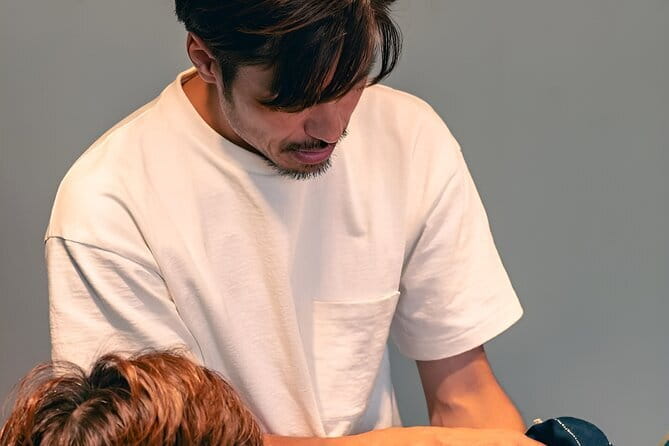
A lot of craft workshops stop at technique. This one adds cultural lessons that you can apply in the room. You learn about the history of Sashiko from the Edo period, then you also get insight into the symbolism of various patterns.
That symbolism piece is valuable because Sashiko patterns are not random decoration. They are built on repeatable forms, and many designs carry meanings or associations. Even if you do not memorize pattern names, learning that there is a reason behind the design makes the whole act feel more intentional.
I also like that you are not left with a pile of vague facts. The cultural information sits right next to the stitching. So your brain links the story to your hands. That is how you remember a craft, even after your needles go back in a drawer.
The takeaways are straightforward: you leave with a finished handmade item and a deeper appreciation for Japanese culture and historical significance. If you like souvenirs, but you prefer the kind you actually made, this format is a strong match.
Included tools, materials, and the take-home item value
This workshop includes all necessary tools and materials. You get the fabrics, needles, threads, and the specific Sashiko tools needed for the session. You also get the instructor support throughout.
That is a big deal for value. Many paid classes in Japan are actually expensive because you pay for instruction and then you still have to buy supplies separately. Here, the price is wrapped around a full activity: learn, stitch, and finish a project you can take home.
You also leave with the completed item, such as a coaster. That means you are not just paying for a skill lesson. You are paying for a finished output, which makes it easier to justify the cost, especially if you are traveling and want something you can use immediately.
If you want to continue after your class, there is also an adjacent shopping corner with sewing kits, hand-dyed threads, and clothing. The listing also mentions JunAle original goods, plus a discount available for cash payments. So if you enjoy the process, you have a place to extend it.

Price and logistics: is $68.29 worth it?
The price is $68.29 per person for about 2 hours, with a group discount option and a mobile ticket. From a traveler’s standpoint, the real question is what you get for that money.
You get four key value pieces:
- Instruction from an experienced instructor (Jun), in English
- Tools and materials included
- A completed take-home project (example coaster)
- Cultural context on history and symbolism, not just stitch steps
Compared to buying random craft goods, this can feel like a better deal because you get both the item and the story behind it. Compared to paying for a class where supplies are extra, it also feels more controlled. You are less likely to have surprise add-ons.
On the logistics side, you are responsible for transportation to the venue. There is no insurance included, so you should have your own coverage plan if you need it. Also, the activity requires good weather, so if you are visiting Osaka during a rainy stretch, plan some flexibility.
Who this Sashiko workshop is best for
This is a great fit if you want a calm, structured creative activity with real cultural context.
It works well for:
- Beginners who want a guided start and included materials
- Travelers who like learning through doing, not just sightseeing
- Gift-minded shoppers who prefer making something over buying a mass-produced item
- People who enjoy practical history, because you learn why Sashiko mattered in the Edo period
It may be less ideal if you want a long, deep craft session. The class is about 2 hours, so you will learn basics and finish a small project, not build a large wardrobe piece. If you are hoping to create multiple items or master advanced pattern work in one sitting, you might want a longer workshop option.
Tips to make your stitching afternoon easier
Based on the way the workshop is set up, here are practical moves that help you enjoy it more.
- Arrive ready to focus. This is stitchwork time, so bring your curiosity and be prepared to slow down for a couple of hours.
- Use English actively. Since English is offered, ask questions during demonstrations instead of waiting until the end.
- Keep an eye on the pattern meanings you are taught. The cultural part is not a separate lecture, it connects directly to what you stitch.
- Plan your route. The meeting point is in Joto Ward at 1-chōme-4-18 Shigita, and it is near public transportation, so give yourself enough time to get there calmly.
- If you want supplies afterward, consider the adjacent shopping corner. The listing mentions cash discounts and items like hand-dyed threads and sewing kits.
Should you book this Osaka Sashiko workshop?
I think you should book this if you want a small-group, English-guided craft experience that ends with a real finished item. The strongest reason is the balance of technique plus meaning. You learn basic Sashiko stitching, guided by Jun, and you also learn why the patterns matter historically and symbolically.
Skip it if your main goal is to produce a large, complex craft project in one day, or if your schedule cannot flex for good weather. It is also a workshop, not a full-day activity, so it is best as a thoughtful afternoon plan rather than an all-day centerpiece.
If you are in Osaka and you like hands-on culture, this is the kind of experience that leaves you with something tangible and a better way to understand what you just made.
FAQ
How long is the Osaka Sashiko workshop?
It lasts about 2 hours.
What will I make during the workshop?
You will create a completed Sashiko project to take home, such as a coaster.
Is this workshop suitable for beginners?
Yes. Most travelers can participate, and the workshop is designed for both beginners and experienced crafters.
Who teaches the workshop?
The workshop is guided by an experienced instructor named Jun.
Is the workshop offered in English?
Yes. English is available.
How big is the group?
The workshop has a maximum of 8 travelers.
What is included in the price?
All necessary tools and materials are included, along with instruction, cultural insights, and your completed Sashiko project to take home.
What is not included?
Transportation to the venue is not included, and personal or travel insurance is not included.
Where does the workshop meet?
The meeting point is 1-chōme-4-18 Shigita, Joto Ward, Osaka, 536-0015, Japan.
What happens if the weather is bad?
The experience requires good weather. If it is canceled due to poor weather, you will be offered a different date or a full refund.
Make Something to Take Home


More Tour Reviews in Osaka




Latest out of Osaka


Workshops, side by side.
 ★ 5.0Sushi Making Osaka Roll and Authentic Japanese Sushi ClassFrom $311,220 reviews
 ★ 5.0Matcha Making Class in Osaka with Authentic Japanese Sweets SetFrom $21509 reviews
 ★ 5.0Osaka: Ramen and Gyoza Cooking Class in DotonboriFrom $70378 reviews
 ★ 5.0Osaka Sushi Making Class – Hands-On Nigiri & Rolls (Same-Day OK)From $33352 reviews
 ★ 5.0Osaka Cooking Class: Okonomiyaki &Japanese cuisines experienceFrom $104261 reviews
 ★ 4.9Osaka: Roll and Authentic Sushi Making Class in DotonboriFrom $45239 reviews
 ★ 5.0Ramen and Gyoza Cooking Class in OsakaFrom $79202 reviews
 ★ 4.9Osaka: Sushi Class in DotonboriFrom $67160 reviews
Also worth a look in