
REVIEW · WORKSHOPS
Osaka: Private Ceramic Painting Workshop
There is something oddly satisfying about painting clay. In Osaka, you get a private 2-hour ceramic painting session, plus a gift you can use right away, in a low-key part of town. I like that it is guided by people such as Anna and Ryo, with teaching in English, Catalan, or Spanish.
Two things I like most: you choose your own Japan-themed design, including kanji writing, and you get a true hands-on class with an instructor who studied in Osaka. A possible drawback to know up front is the firing and shipping timeline, it takes about 1.5 months, and shipping costs are not included.
Key Things You Will Like
- Private class time with space to ask questions and finish at your pace
- Japan-themed designs and kanji options such as Mount Fuji, sushi, and sakura
- Real Osaka setting in a century-old house in the south of the city
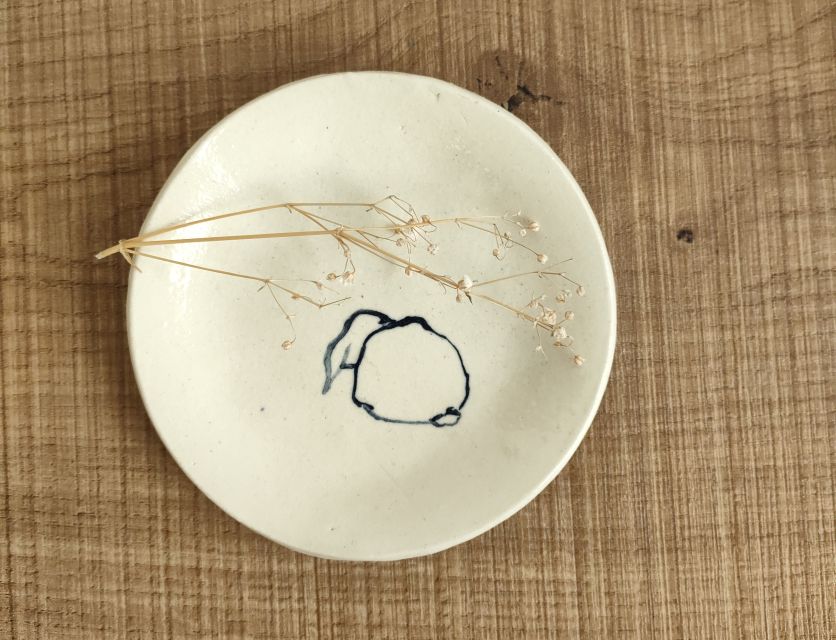
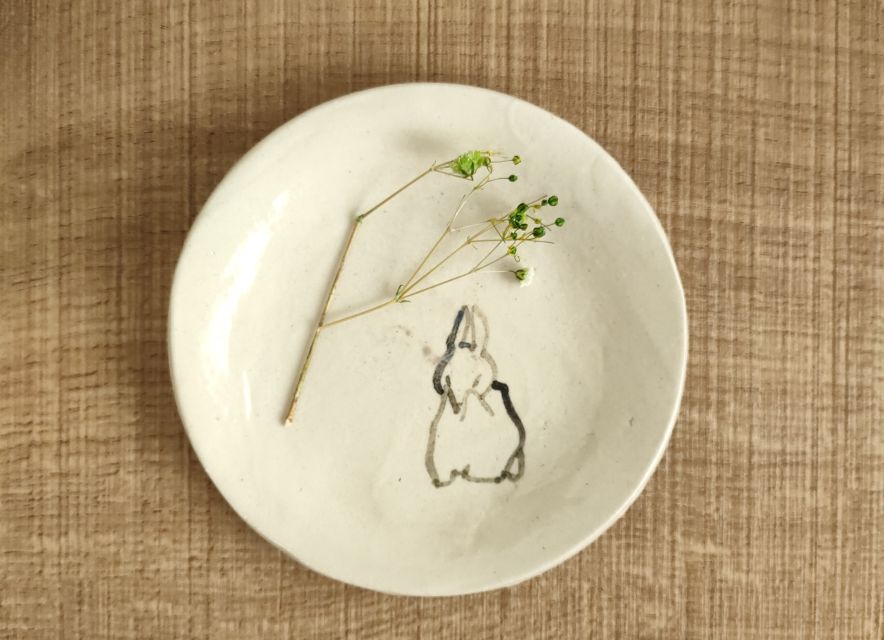
- A gift day-of: a small dish with a traditional pattern plus a Sakura-shaped chopstick holder
- Home delivery after firing (you choose the design, they fire it, then ship it)
Osaka’s Private Ceramic Workshop, Not a Tourist Factory
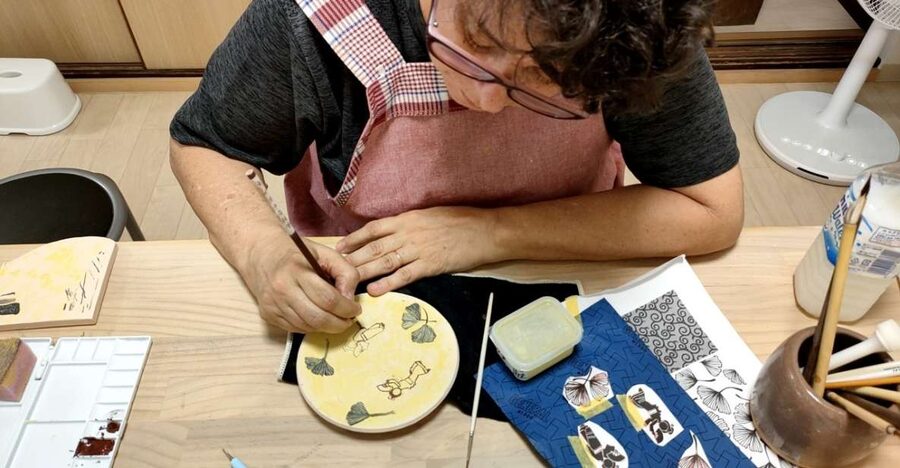
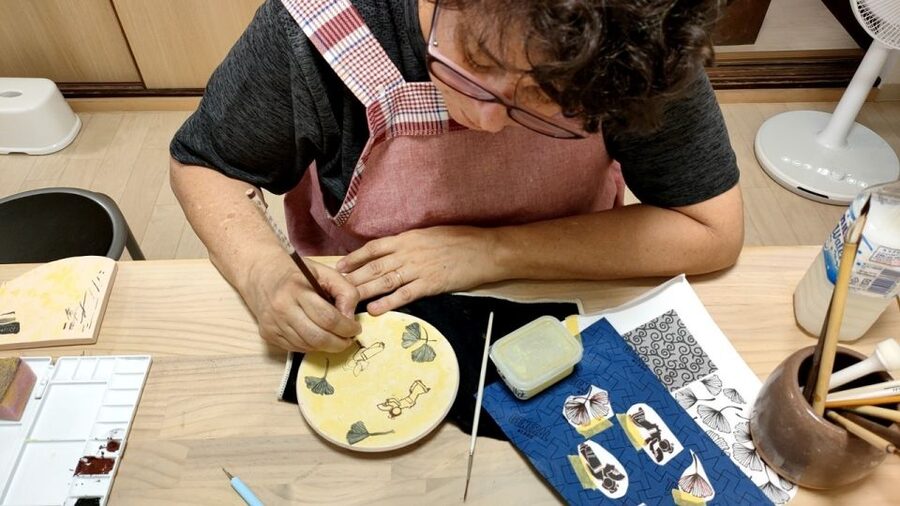
This is the kind of activity that feels personal from the first minute. You are not herded into a big room with a generic template. Instead, you walk into a studio setting in Osaka’s quieter south side, housed in what feels like a century-old place, and you paint a ceramic dish with guidance in your language.
The value here is mostly in the details. You spend two focused hours painting with a brush, learning what the patterns mean, and chatting about Japanese culture while you work. Then you get a small gift to bring home that is already finished, so you leave with something usable that same day.
The other value is the private format. Being exclusive to you and your group means the instructor can adjust if your brush control is rusty, if you want time to remake a detail, or if you want help translating an idea into something that looks good on ceramic.
Just your group: more private options
Getting There From JR Teradachō Station, With a Sign In Hand
Meet at JR Teradachō Station, north exit. Look for the guide carrying a sign with the name of the studio, Ceramics Tocoton.
This matters more than it sounds. Osaka stations can be confusing if you are tired, and the north exit is a specific cue. If you arrive late, the workshop marks late arrivals over 15 minutes as a no-show unless you contact them, so it pays to budget a little extra time for getting out of the station and finding the guide.
The ride and walk from the station also become part of the experience. You pass through an area that reads as Showa-era Osaka, the kind of street texture you will not see if you only stay inside the well-trod tourist zones. It is a gentle intro to the local rhythm before you paint.
The Workshop Setting: A Century-Old House in South Osaka
The studio sits in a non-touristy part of Osaka. That is the point. You are in a neighborhood where daily life still feels close, not a place built only for visitors.
The workshop itself is housed in a century-old house. You can feel it in the atmosphere, in how the space works, and in the way the staff welcomes you. In a couple of experiences like this, you often get a quick intro and then are left to your own devices. Here, the warmth shows up early, and people like Anna are described as welcoming visitors like friends.
One practical note: plan to bring a curious mind, not a painter’s ego. This is not about being an artist. The class is structured so you can succeed even if you are starting from zero, and the instructor can help you fix common brush mistakes.
What You Make: Dish for Firing, Plus a Gift You Can Use Now
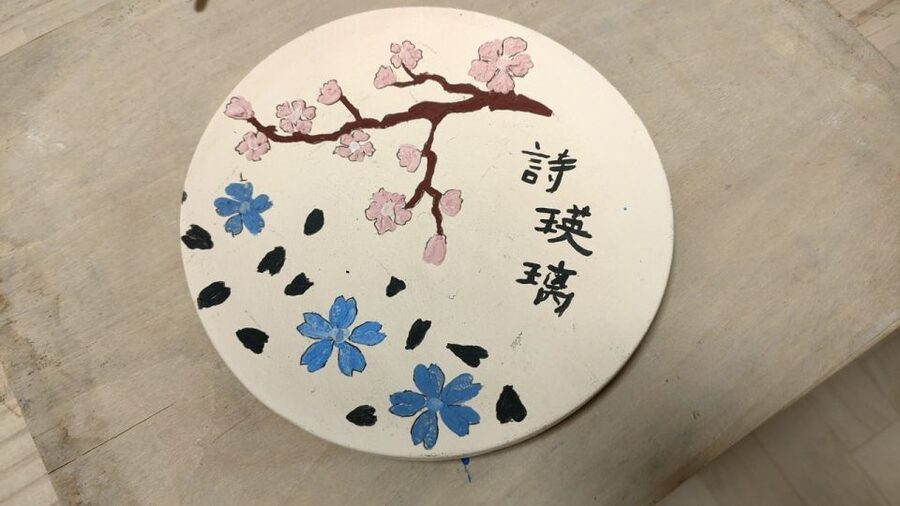
During the session, you paint a ceramic dish with designs related to Japan and Japanese culture. You choose your motif from options like Mount Fuji, sushi, and a sakura tree. You can also write a desired word in kanji, if you want your dish to carry something personal.
You also get a gift included with the price. You will leave with:
- a small dish with a traditional Japanese pattern
- a Sakura-shaped chopstick holder for your own use
This is a smart setup. Your main artwork takes time, since it must be fired and then shipped. But the gift is already ready, so you do not have to wait months to enjoy your purchase. It is also a nice way to make the day feel like a real souvenir experience rather than a “promise” of something later.
Your materials: Shigaraki clay and ceramic painting tools
The dish is made from clay from the Shigaraki area, and the class uses ceramic paints suitable for this kind of work. That combination matters. If you have ever painted something on regular paper, you know how different ceramic feels once the glaze and firing process start. Here, the materials are part of the method, not an afterthought.
More things to make and take home
Choosing Your Design: From Fuji and Sushi to Kanji Words
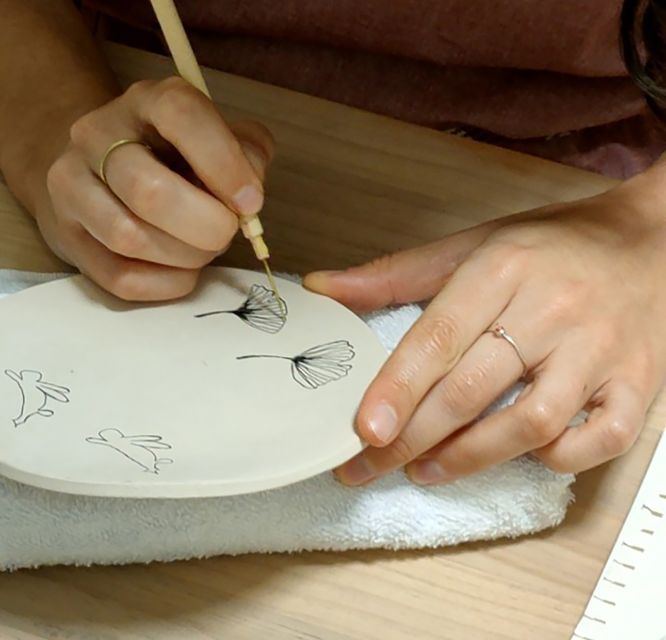
The fun begins with picking a theme that fits you. The workshop gives you options that immediately connect to Japan without forcing you into a single “souvenir look.” Mount Fuji is the obvious choice for many people, but you can also choose sushi or a sakura tree, depending on your taste.
What I particularly like is that you can take it personal. Writing a word in kanji turns the plate into a message, not just a picture. If you are thinking about using kanji, take a moment before the class starts to decide what you want the word to mean to you. A quick plan helps you avoid last-minute stress while holding a brush.
Also, do not worry if you are unsure how your design will look on a curved ceramic surface. The instructor helps you work out what fits and what placement looks best.
The Class Experience in Your Language: English, Catalan, Spanish, or Japanese
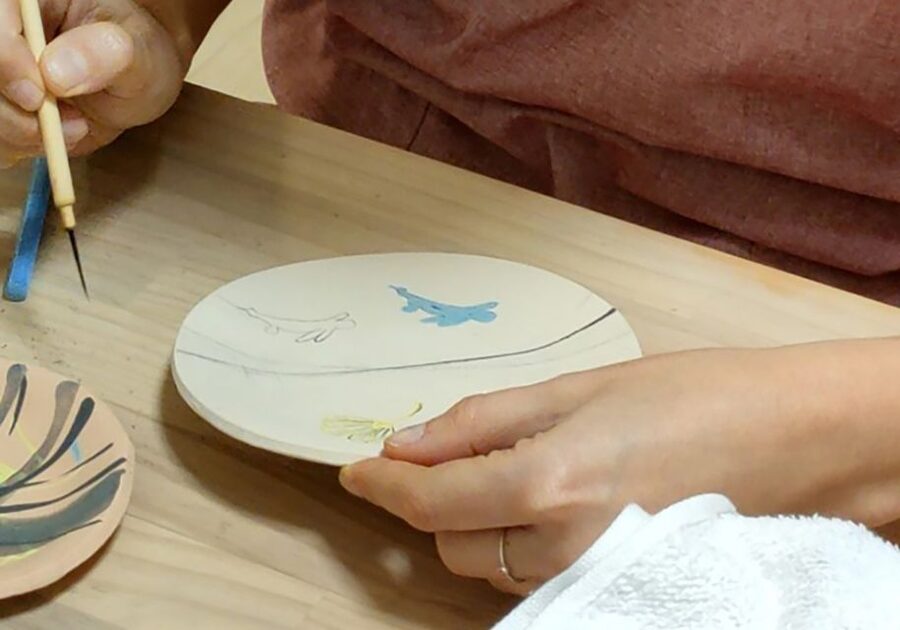
The workshop is taught in English, Catalan, Spanish, or Japanese. One of the biggest practical perks is that this class offers options in languages that are less common in many hands-on activities.
This also affects the quality of your time. When you can ask questions in your own language, you understand what is being taught about patterns and the cultural meaning behind them. And you can keep up with the conversation part of the class, not just the painting steps.
In the experiences people describe, the hosts and coaches feel friendly and relaxed. That matches the private format. You are not translating everything in your head while trying to paint. You can focus on the brushwork and still learn why certain motifs are used and how they are traditionally arranged.
If your guide is Ryo, you may even get a chatting start while walking toward the studio, which helps the whole thing feel grounded and local.
Tea, Extra Time, and a Small Upstairs Gallery
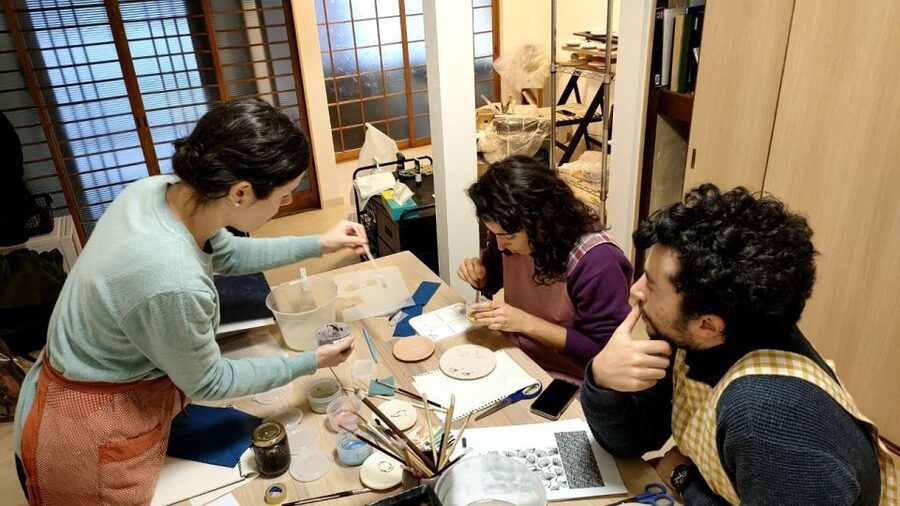
A workshop can be warm, or it can be mechanical. Here, the vibe tends to lean warm.
After the painting, you may be offered tea. Some visits also mention extra time to finish your artwork if you are still refining details. That matters if you like slow, careful work or if you are not confident with brush control yet.
There is also a small gallery upstairs where you can purchase ceramics made by Anna. Even if you just browse, it is a good way to connect what you made with what you can learn from existing finished pieces. You can see how designs repeat, how colors look after firing, and how small choices change the final look.
The Main Timeline You Need to Plan Around: 1.5 Months to Ship
Here is the logistical piece that affects your expectations. The dish you make during the workshop gets fired after the session. Then it is shipped to your home.
You should expect about one and a half months for shipping. Shipping costs are not included, so this is something you plan for when budgeting. If you are trying to bring your ceramic piece into your trip as a hand-carry souvenir, this model may not match that goal. It is designed for home delivery, not for packing same-day.
The good news is that you still get usable items the day you paint. So even if your fired dish takes time, your workshop day does not feel like a waiting game.
Price and Value: Why $61 Feels Fair for a Private Class
At $61 per person for a private two-hour workshop, this is priced like an experience that tries to balance craft with access. You are not just paying for a plate and paints. You are paying for:
- instructor guidance
- materials for your ceramic dish
- pickup from the station
- a day-of gift (small dish and Sakura chopstick holder)
- and the firing and shipping process coordination
Shipping is not included, and that is an important “yes, but.” Still, you are getting a lot of built-in structure for the money. A DIY pottery class where you do the same steps usually still charges extra for firing, and often you do not get a gift that is finished and ready to use immediately.
For many people, the best part is the private pacing. If you are visiting Japan with limited time, you want one activity that feels like yours. This one does that.
Who This Workshop Suits Best in Osaka
This workshop fits best if you want hands-on art time but do not need it to be high-pressure.
You will probably love it if:
- you enjoy crafts and want a souvenir that you made, not just bought
- you like design choices and want to write something in kanji
- you prefer a smaller setting where you can talk and ask questions
- you are visiting with a language preference like Spanish or Catalan, and you want instruction that matches it
It is not suitable for children under 5. Beyond that, it can work for many age groups as long as you can follow basic painting guidance and sit through the two hours.
If your trip schedule is packed and you want one calm, creative block, this is a good match. It also pairs well with a neighborhood stroll afterward, because you will have just been in a local side of Osaka rather than only tourist zones.
Practical Tips So Your Dish Looks Like You
A few small moves make a big difference:
- Decide your main motif early, then refine it. When you wait, you end up second-guessing while your paint dries.
- If you want kanji, plan the exact word you want. Bring the spelling you intend to use, so there is less confusion.
- Take your time with the first strokes. After that, you can build detail and contrast.
- Expect brushwork to feel different on ceramic than on paper. That is normal, and the instructor can help you adapt.
Also, if you are prone to running late, build in buffer time around station navigation. With the 15-minute no-show rule, punctuality becomes part of the experience quality.
Should You Book This Private Osaka Ceramics Workshop?
If you want a souvenir with meaning, plus a real craft session in a quiet part of Osaka, I think it is a solid booking. The private format, the ability to choose designs and add kanji, and the day-of gift are a strong package for the price.
Book it if you are okay with waiting for your fired dish to arrive at home, roughly 1.5 months, and you accept that shipping costs are separate. If you need a take-home piece you can pack immediately, this might feel like the wrong format.
FAQ
Where is the meeting point?
Meet at JR Teradachō Station’s north exit. Look for the guide carrying a sign with the name of the studio, Ceramics Tocoton.
What exactly do you paint during the workshop?
You paint a ceramic dish with Japan-related designs using a brush. Options can include motifs such as Mount Fuji, sushi, and a sakura tree, and you can also write a desired word in kanji.
Do you take your pottery home the same day?
No. The pieces made during the workshop are sent to your home after firing. Shipping costs are not included.
How long does it take to ship the fired pottery?
It takes about one and a half months to ship your pottery.
What languages are available for the class?
The workshop is taught in English, Catalan, Spanish, or Japanese.
Is this a private experience?
Yes. It is a private group experience.
What do you receive as a gift?
You receive a small dish with a traditional Japanese pattern and a Sakura-shaped chopstick holder.
What is the duration of the workshop?
The experience lasts 2 hours.
Is there an age limit?
Yes. It is not suitable for children under 5 years.
What if I’m late?
If you are going to be more than 15 minutes late, you should contact the provider. Being more than 15 minutes late is considered a no-show.
Make Something to Take Home


Just Your Group: Private Options




More Tour Reviews in Osaka




Latest out of Osaka


Workshops, side by side.
 ★ 5.0Sushi Making Osaka Roll and Authentic Japanese Sushi ClassFrom $311,220 reviews
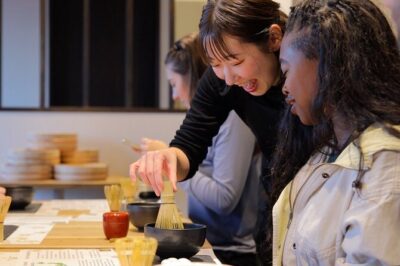 ★ 5.0Matcha Making Class in Osaka with Authentic Japanese Sweets SetFrom $21509 reviews
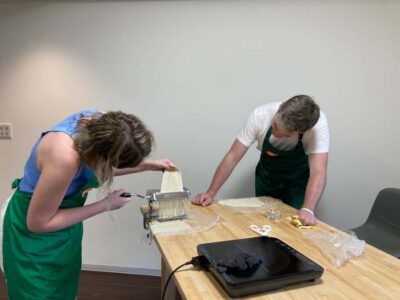 ★ 5.0Osaka: Ramen and Gyoza Cooking Class in DotonboriFrom $70378 reviews
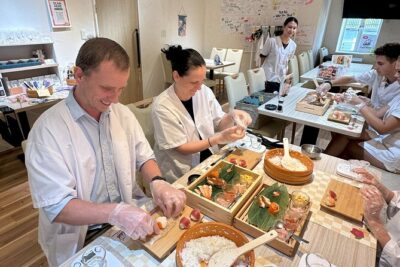 ★ 5.0Osaka Sushi Making Class – Hands-On Nigiri & Rolls (Same-Day OK)From $33352 reviews
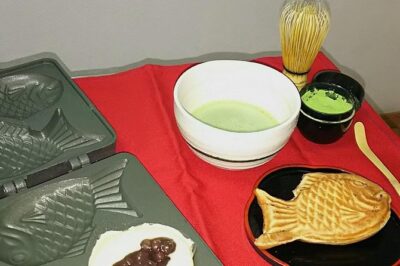 ★ 5.0Osaka Cooking Class: Okonomiyaki &Japanese cuisines experienceFrom $104261 reviews
 ★ 4.9Osaka: Roll and Authentic Sushi Making Class in DotonboriFrom $45239 reviews
 ★ 5.0Ramen and Gyoza Cooking Class in OsakaFrom $79202 reviews
 ★ 4.9Osaka: Sushi Class in DotonboriFrom $67160 reviews
Also worth a look in