
REVIEW · OSAKA HOME COOKING CLASSES
Osaka Market Tour & Cooking Class with Local Expert Masato/Shohei
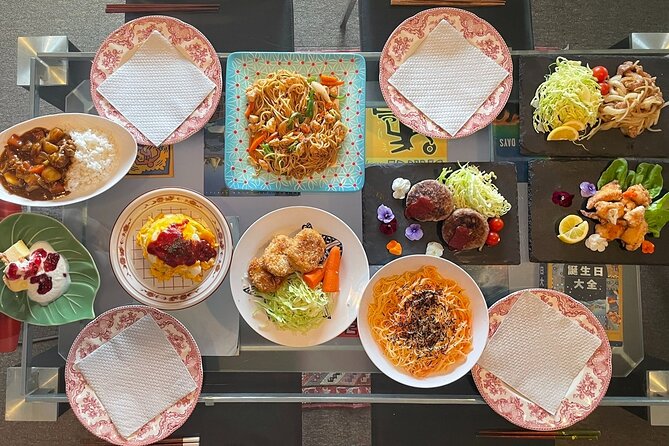
Food shopping, then you cook it yourself. I like the market tour part for learning what matters in Japanese ingredients, and I like the hands-on cooking where Masato or Shohei helps you make three dishes with real technique, not just watching. One possible drawback: there is no hotel pickup, so you need to get yourself to Matsuyamachi Station.
This class works well because the experience is designed for small groups (up to 13) and you get attention for questions and food needs. If you do the default menu, you will do sushi making, and raw fish is not included, which keeps things simpler for most visitors.
Key things to know before you go
- Small-group comfort: Maximum 13 people, which means you can ask questions without shouting.
- A real ingredient lesson: You shop at Karahori Shotengai (optional) so you learn how Japanese pantry items look and taste.
- Chef-led, hands-on cooking: You make three Japanese dishes from scratch in a shared class setting.
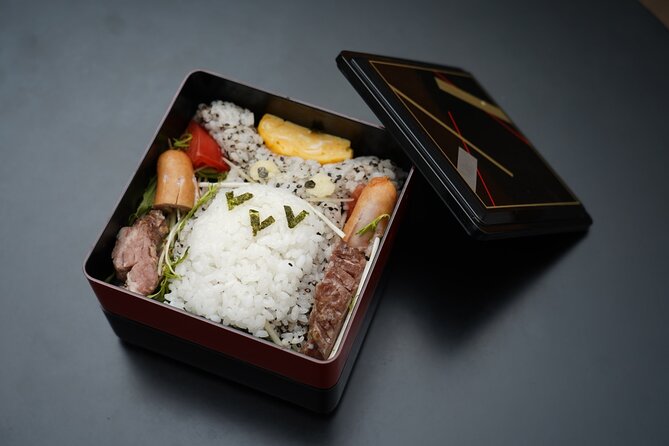
- Sushi option is fish-light: Default sushi class includes ingredients like tamagoyaki, Wagyu beef, and seasonal vegetables, with no raw fish.
- You can request dietary options: Lactose free, gluten free, vegetarian, and vegan can be accommodated on request.
- You eat your work: The meal ends with tea, so you get closure, not just recipes to carry home.
Why an Osaka cooking class is more useful than another food stroll
Osaka is famous for food, but a market can turn into a snack hunt if you do not know what you are looking at. This experience gives you a plan. You start with shopping and guidance, then you go back to cook and eat what you learned, which makes the whole day stick.
I also like that it is not built around one trick dish. The class teaches you three different Japanese dishes from scratch. That matters because you learn patterns in Japanese cooking, like how flavors balance, how sauces behave, and how textures change when ingredients are prepared correctly.
The other big plus is the teaching style. The hosts named in this experience, including Masato and Shohei, are described as patient and careful, especially when it comes to allergies. If you have ever worried you will ruin something trying to copy a recipe later, this helps. You are learning why the steps matter.
More kitchen tables to sit at
The meeting point at Matsuyamachi Station, and why it helps
You meet at Matsuyamachi Station (2 Chome-6 Andojimachi, Chuo Ward, Osaka, 542-0061). The activity ends back at the meeting point, so you are not left navigating the city in the dark after your meal.
No hotel pickup is included. That sounds like a hassle until you think about it. You get to plan your own timing, and you avoid the common problem where your driver waits on the slowest person in a van. If you stay around central Osaka, this is usually a pretty easy meet.
The tour runs about 2 hours 30 minutes. It is long enough to feel like a proper cooking session, but short enough that you can still enjoy the rest of Osaka afterward. You will also want to arrive a bit early. Cooking classes move fast once the kitchen gear is on and the ingredients are staged.
Karahori Shotengai market tour, a quick 30 minutes that teaches a lot
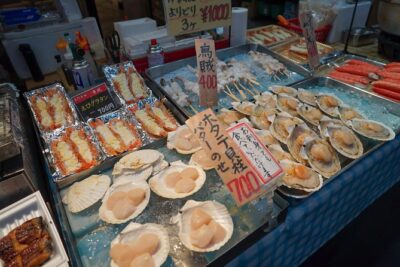
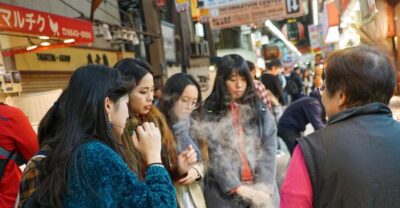
If you select the market option, your host takes you to Karahori Shotengai, a covered shopping street with small stalls selling vegetables, fresh food, and condiments. The market segment is about 30 minutes, so it is not a marathon. It is a guided tour with purpose.
This is one of the smartest parts of the experience. You learn what specific items are used for Japanese cooking, and you can see how produce and packaged seasonings are actually sold. That might sound small, but it changes how you shop later. When you are back home, you will recognize ingredient names and textures, not just read them off a recipe.
Practical tip: bring a shopping mindset, not a souvenir mindset. If the guide shows you something like a seasonal vegetable, focus on understanding what it is used for. You may be tempted to buy more than you can carry, but the class is more about ingredient literacy than haul collecting.
The cooking class with Masato or Shohei, three dishes from scratch
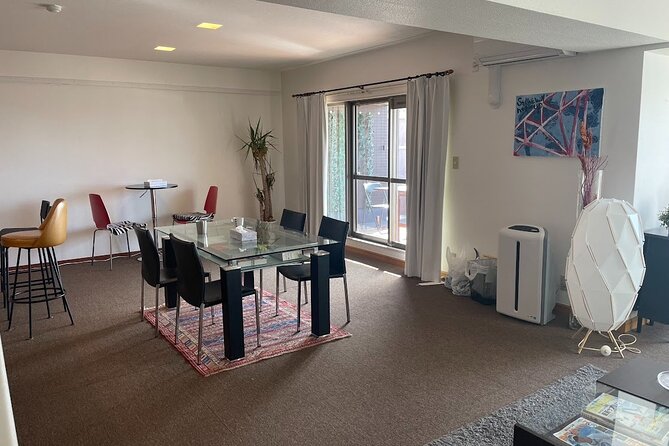
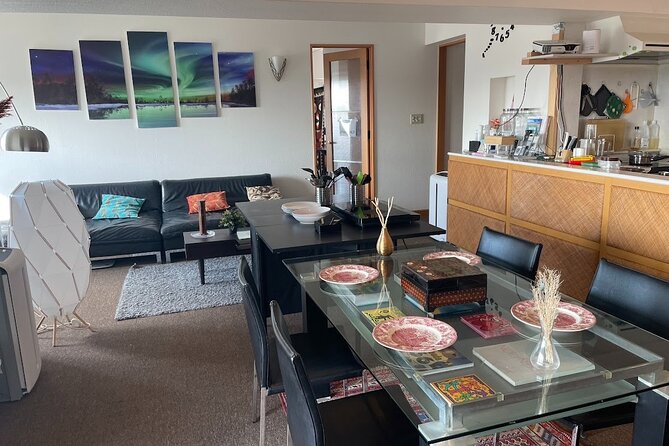
Back in the kitchen, you cook together in a shared, hands-on setting with your host. The class is designed around authentic Japanese technique and cultural context, and you get time to ask questions as you work.
You will prepare three Japanese dishes from scratch. If you did not specify a menu preference when booking, the default is sushi making. Other menus mentioned include character bento boxes and Japanese curry rice. So you have options, but you do need to choose when it counts.
What to expect in the workflow: ingredients get explained first, then you perform the prep steps, then you assemble and cook. This is the kind of class where your hands learn, not just your brain. You finish by sitting down to eat what you made, which is where the value really lands.
Default sushi-making details, from tamagoyaki to Wagyu beef
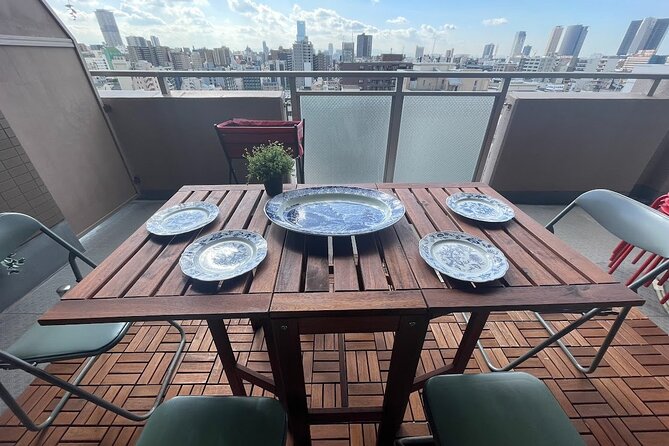
If you are doing the default sushi class, here is what stands out about the ingredient selection. The class includes tamagoyaki, which is rolled Japanese omelet. You will also use Wagyu beef and a mix of seasonal vegetables such as lotus root, bamboo shoots, and shiitake mushrooms.
That ingredient list is a big deal because it teaches you how sushi is not only about fish. It is about balance. Omelet adds sweetness and softness. Wagyu brings richness. Seasonal vegetables bring earthiness and crunch. Learning how those pieces work together makes your future sushi attempts far more confident.
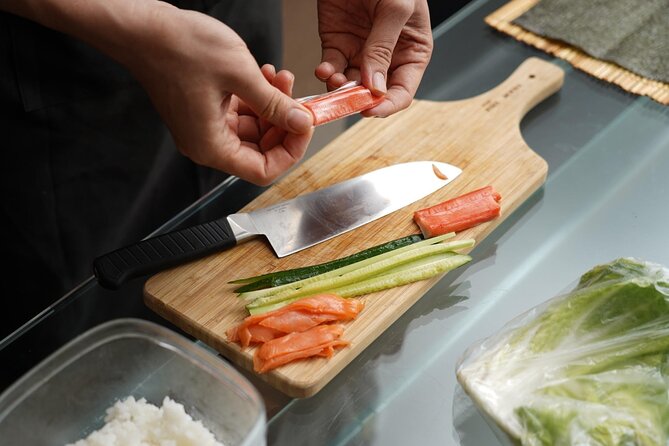
A clear note for most people: raw fish is NOT included in this class. That removes a lot of stress around handling and freshness. It also keeps the class more approachable if you are not comfortable eating raw seafood.
If you want sushi flavor without the raw-fish component, this setup is a practical compromise. And if you are the type who wants to learn by doing, you will still get the rice handling and rolling steps that matter.
More arcades to work through
Character bento and curry rice options, how to pick your menu
You can indicate your menu preference when booking. If you do not, you get the sushi experience by default. Character bento boxes and Japanese curry rice are listed as possible class themes, so you are not locked into one style.
When you choose, think about what you want to bring home. Bento boxes tend to reward attention to detail and presentation. Curry rice is more forgiving for timing and technique, and it teaches how Japanese curry flavor is built.
If you are cooking for a group back home, bento-style food can be fun because it feels special even on a normal day. If you want something that works as a weeknight comfort meal, curry rice is the easier repeat performer.
One more thing: let the host know your restrictions upfront. The class can accommodate lactose free, gluten free, vegetarian, and vegan diets on request, and allergies should be communicated at booking. That matters because ingredients and sauces in Japanese cooking can hide dairy or gluten in unexpected places.
Eating your meal and finishing with tea, the part people remember
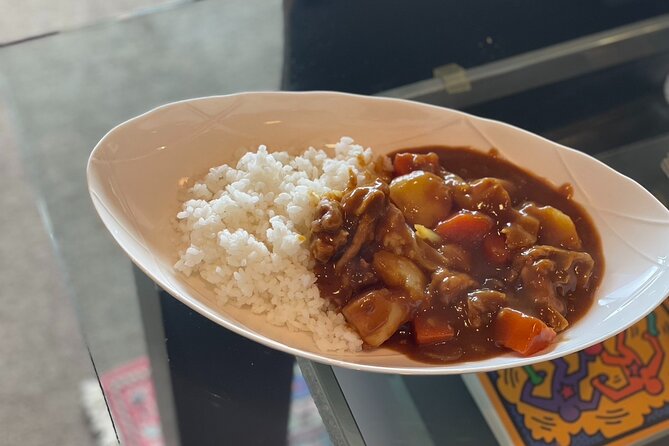
After cooking, you sit down to enjoy the home-cooked Japanese meal you created. Then the experience ends with tea. This is not just a polite ending. Eating your own work is where you learn whether your technique actually produced the intended flavor.
It also helps you notice details you might miss while cooking. For example, you learn how the sweetness level feels next to salt, or how a vegetable’s texture changes once it is cooked and seasoned. Then the tea gives everything a clean finish, like a reset button after time in the kitchen.
In the reviews connected to this experience, people often highlight the quality of the final meal and the feeling of learning new skills that go beyond one recipe. That lines up with how these classes are usually structured: you leave with techniques, not only a list of ingredients.
How small-group teaching keeps you from getting lost
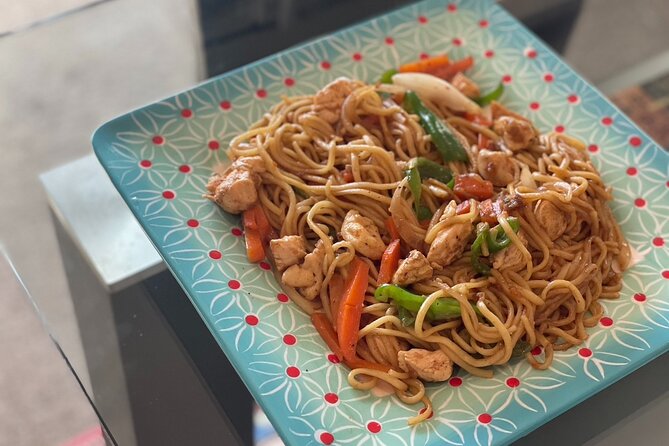
This is a shared class with a maximum of 13 travelers. That group size is ideal for a cooking setting because you can move without constant crowding, and you can still get direct help when something goes wrong.
The reviews also point to hosts who are careful about allergies and patient when you ask questions. Names mentioned include Shohei and Masato, and some sessions can be led by other chefs such as Yoshiko or Samurai Max. Even if you are not paired with the same person, the pattern is clear: you are guided step-by-step, and you are not expected to figure it out alone.
If you are traveling with teens or a curious friend, this format works because everyone can do something, from ingredient prep to assembling. Just make sure you tell the host if anyone in your party has dietary restrictions or preferences. Then the class can be adjusted rather than handled with guesswork.
Price and value at $120 per person
At $120 per person for about 2 hours 30 minutes, this is not the cheapest thing you can do in Osaka. But it is also not trying to be. You are paying for guidance, ingredient instruction, and a chef-led, hands-on meal in a small group, plus an optional guided market tour.
Here is where the value shows up. You get:
- ingredient shopping help at Karahori Shotengai if you choose it
- cooking instruction for three Japanese dishes from scratch
- a meal you helped make, not a snack-sized tasting
- dietary accommodations on request (where possible)
If you compare this kind of experience to buying ingredients plus taking a cooking class on your own, the structure is the bargain. The guide removes the uncertainty: what to buy, what to do first, how long steps take, and how the flavors are meant to work together.
If your budget is tight, you can still get good value by choosing the menu that most fits what you want to replicate at home. Sushi is the default, but selecting curry rice or character bento can make the whole trip feel more relevant to your life after Japan.
Who should book this Osaka market and cooking class
Book it if you want a practical way to learn Japanese cooking, not just eat it. This is especially good for:
- food lovers who like markets and want ingredient education
- travelers who learn by doing, not by watching
- couples or small groups who want a meal experience with a guide
- people with dietary needs who want clear communication in advance
It is also a strong pick if you are already planning to spend time in central Osaka, because the meeting point at Matsuyamachi Station is easy to reach. If you hate being scheduled, keep in mind it is timed, about 2 hours 30 minutes. But if you like having a plan, it feels efficient rather than restrictive.
Skip it if you only want a quick, casual meal. This is a cooking class. Expect work, not just tasting.
Should you book it?
I think you should book this if your ideal trip includes doing one real activity that teaches you something you will use again. The combination of a guided ingredient tour (optional at Karahori Shotengai), a chef-led kitchen session, and a sit-down meal with tea is a clean package.
If you are deciding between menu options, pick the dish you would actually cook at home. If you like the idea of learning sushi technique without raw fish, the default sushi class is a smart fit. If you want comfort-food results, curry rice is likely the better repeat option. And if presentation makes you happy, character bento is the playful choice.
Send your dietary restrictions and allergies when you book. Then show up at Matsuyamachi Station with an empty stomach and questions ready. You will leave with skills, not just memories.
FAQ
How long is the Osaka Market Tour and Cooking Class?
The experience runs about 2 hours 30 minutes.
Where does the tour start and end?
It starts at Matsuyamachi Station, and it ends back at the meeting point.
Is the Karahori Shotengai market tour included?
It depends on the option you choose. If you select it, you get a guided tour of Karahori Shotengai for about 30 minutes.
What dishes do you cook?
The class covers three authentic Japanese dishes from scratch. If you do not choose a menu preference, the default is sushi making. Menu options mentioned include sushi, character bento boxes, or Japanese curry rice.
Does the sushi class include raw fish?
No. Raw fish is not included in this class.
Can I choose my menu in advance?
Yes. You should indicate your menu preference when booking. If you do not specify one, the default is sushi.
Do you offer dietary options or allergy accommodations?
You can request lactose free, gluten free, vegetarian, and vegan diets. If anyone has allergies, dietary restrictions, or preferences, you should advise at booking.
Is hotel pickup included?
No. Hotel pickup and drop-off are not included.
More Tours in Osaka




More Tour Reviews in Osaka

More Kitchen Tables to Sit At

Latest out of Osaka


Osaka Home Cooking Classes, side by side.
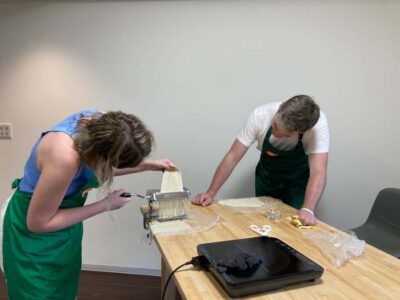 ★ 5.0Osaka: Ramen and Gyoza Cooking Class in DotonboriFrom $70378 reviews
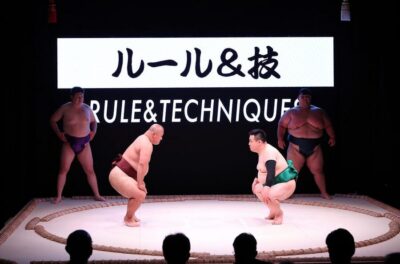 ★ 4.3Osaka: Sumo Stage Show with Bento or Snack + Fight & PhotoFrom $93364 reviews
 ★ 5.0Osaka Cooking Class: Okonomiyaki &Japanese cuisines experienceFrom $104261 reviews
 ★ 5.0Ramen and Gyoza Cooking Class in OsakaFrom $79202 reviews
 ★ 5.0Osaka Sake Tasting with Takoyaki CookingFrom $70156 reviews
 ★ 5.0Osaka Sake Tasting & Takoyaki Cooking ExperienceFrom $72149 reviews
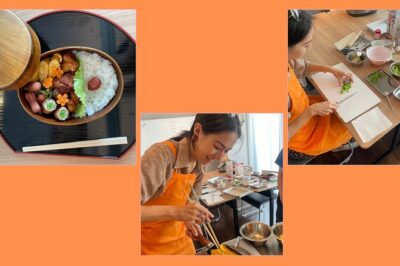 ★ 5.0Cooking Ramen&Gyoza/KatsuCurry/Bento/Okonomiyaki+Store Tour@OsakaFrom $85138 reviews
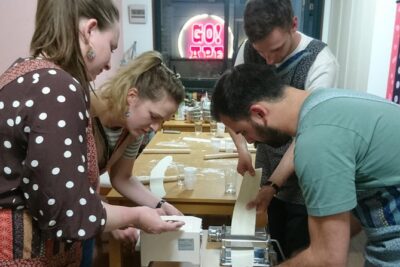 ★ 5.0Three Types of Ramen Cooking Class in OsakaFrom $79119 reviews
Also worth a look in