
REVIEW · OSAKA SUMO & TAIKO DRUMMING SHOWS
Osaka Sumo Experience with Live Show and Audience Challenge
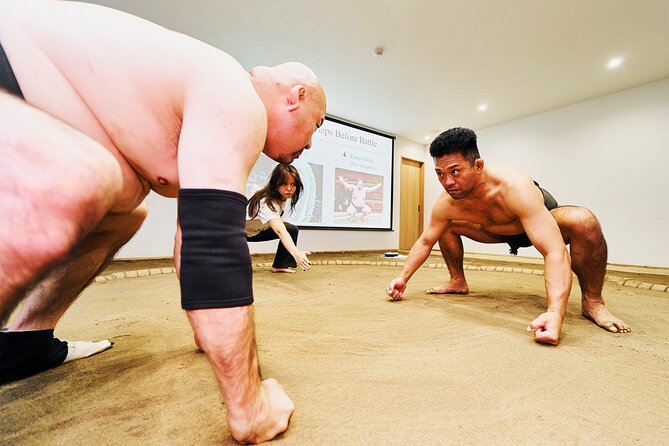
Sumo is loud, formal, and funny in all the right ways. In Osaka, this live show mixes clear English explanations with real training demonstrations, including a dramatic tachiai moment staged by retired wrestlers. You also get a chance to join the fun through an audience challenge where limited spots let you step into the action yourself.
What I like most is how practical the lesson feels. You are not just watching, you are learning the rules and rituals as they happen, so the techniques make sense in real time. I also love the tone of the experience, it is welcoming and respectful, with staff who keep things moving and keep the atmosphere upbeat.
One thing to consider is that the audience-participation gear may not fit everyone. A previous guest suggested they should supply larger clothes and sandals, so if you are bigger or have foot size needs, plan ahead and consider asking when you book.
Key Highlights You Should Know
- A guided sumo show in Osaka for 1 hour 30 minutes that turns the sport into something you can follow fast
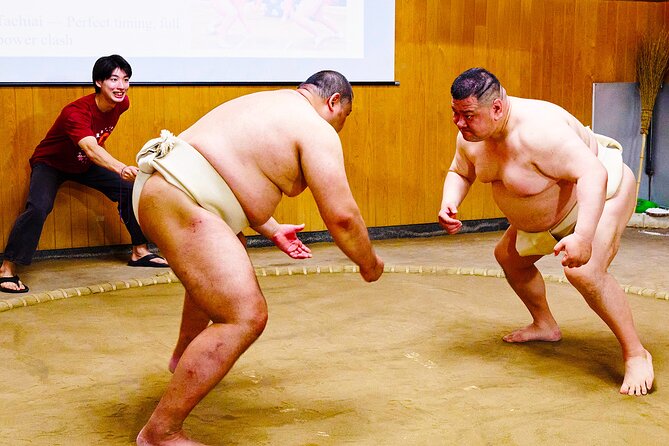
- Tachiai drama with retired wrestlers, so you see the key moment sumo fans talk about
- Audience challenge with limited ring time, where you can try a real match scenario
- English-speaking guide support, including rules and context as the action unfolds
- Smallish group size, up to 50 people, which helps the interactive parts feel less rushed
- Mobile ticket and near public transportation location, making logistics simpler than many small shows
Sumo in Osaka, Made Easy to Follow
If you think sumo is only for people who already know the rankings and rituals, this experience is designed to change that. In 90 minutes, you get a guided path into what matters, how bouts start, and why certain actions are treated like sacred theater. You get the performance and the meaning, and both arrive quickly.
This show also hits a sweet spot for first-timers. It is not a long lecture, and it is not a random spectacle either. The pacing works: explanations land right before the moment you need them, so you can watch with your brain turned on, not just your eyes.
You should especially like it if you want something more than a photo stop. The best part is that the sport comes to you, with demonstrations, rule talk, and a chance to participate. Even if you never step into the ring, you still leave with a stronger understanding of why sumo looks the way it does.
More drums, more ring
Entering the Ring of Rituals and Training
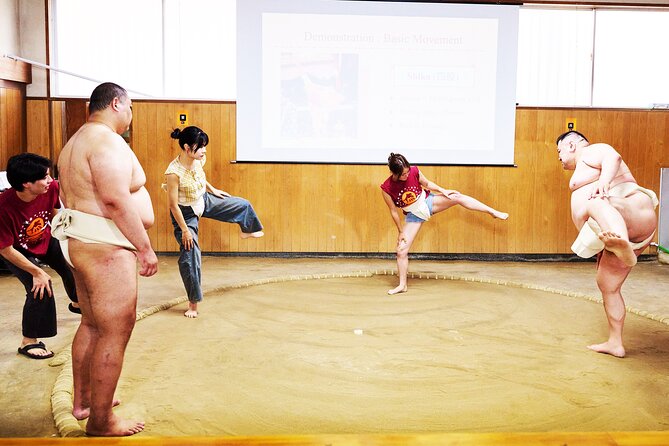
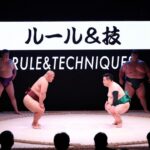
The experience centers on a live sumo show in Osaka, led by an English-speaking guide. The format is built around a training-style demonstration, then a more dramatic bout moment using retired sumo wrestlers. This matters because training shows you the craft, while the staged bout shows you the intensity and timing that define matches.
You can expect multiple layers happening at once:
- The ritual side, what sumo respects and repeats
- The technical side, how fighters set up and engage
- The rule side, what you should watch for so the action is readable
What makes this valuable is the translation of culture into something you can use. Sumo has ceremonies and body language that mean more than it seems at first glance. With a guide talking you through what is going on, you start noticing details like stance, breathing rhythm, and the moment fighters commit to the clash.
If you are traveling solo, this kind of structured show is a relief. You do not need to do research ahead of time to get value from the ticket. If you are with a group, it is also easy to enjoy together because the guide keeps everyone oriented.
The Tachiai Moment: Why That First Hit Matters
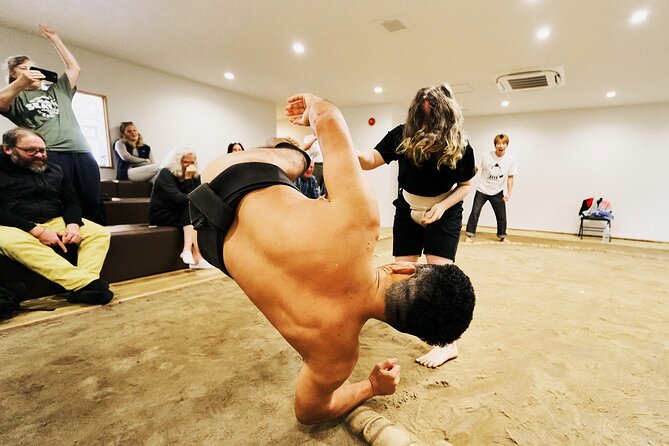
One of the most memorable parts of sumo is the tachiai, the initial collision where timing and intention show up instantly. This experience includes a dramatic tachiai match featuring retired sumo wrestlers, which gives you the best view of the key moment without guessing what you are looking at.
Why it works for non-experts: the fight’s logic becomes obvious when the start is shown clearly. You see how quickly the energy transfers from ritual stillness into explosive contact. And because the bout is staged with experienced wrestlers, you get clean, readable technique rather than chaotic flailing.
This segment is also where you feel why sumo is both traditional and competitive. The sport looks formal, but the physical reality is immediate. You will probably catch yourself watching the footwork and the head positioning more than the crowd or the costumes.
If you are a sports fan, you get a highlight-style moment with explanation around it. If you are a culture-first traveler, you get cultural performance with recognizable athletic intent.
Audience Challenge: Your Chance to Try Sumo
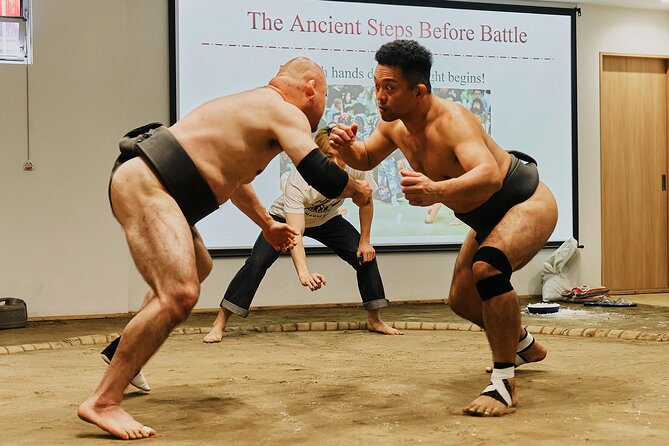
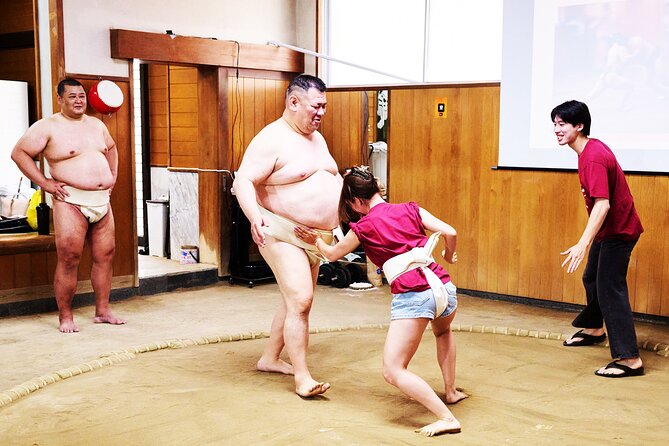
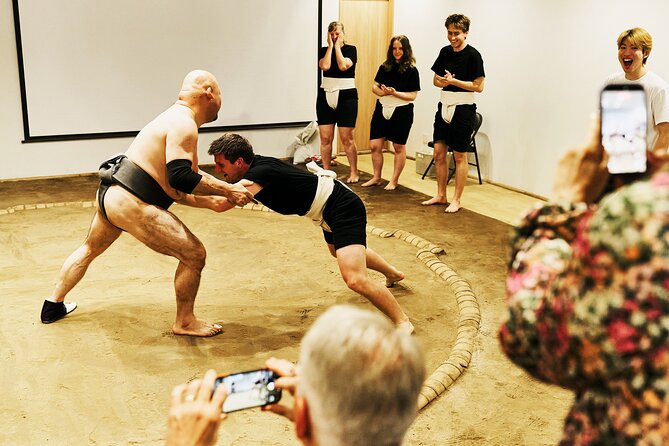
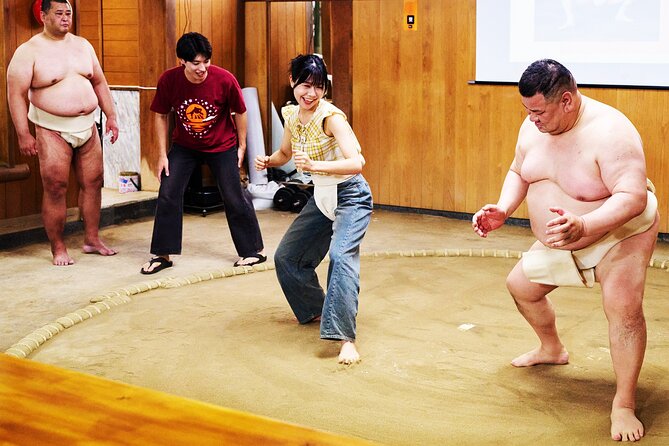
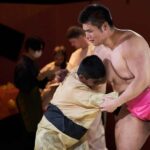
Here is the big hook for the adventurous. The show includes an audience challenge where limited spots are available to step into the ring and face a sumo wrestler yourself. This is not just a wave-and-smile interaction. It is a chance to practice and experience what sumo feels like at close range.
Based on past feedback, the interactive portion is one of the main reasons people rate this so highly. Guests enjoyed the chance to practice and take a shot at a match with a real sumo wrestler. That is the kind of moment that turns a show into a story you will remember.
A smart way to think about it: you are not going to learn sumo in 90 minutes, but you will quickly learn how hard it is to maintain balance, timing, and posture. You will also understand why small adjustments matter.
If you are tall, flexible, or athletic, you still might find it tougher than you expect. The motion is deceptively tricky because you are working against a thick, heavy tradition of movement and resistance. And if you are not participating, it can still be fun to watch how other guests react, because the guide keeps the tone supportive and the wrestlers keep the vibe respectful.
Quick gear and comfort reality check
One review mentioned they should supply much larger clothes and sandals in the future. So here is the practical take: if you have specific sizing needs, do not assume standard gear will fit perfectly. Plan to wear something that is easy to adjust and feel comfortable in, and consider sending a question before you arrive about sizing options.
Set this against a few other Osaka bookings:

The English Guide Factor: Clarity Is Part of the Show
A lot of cultural activities fail when the language barrier turns the experience into silent guessing. This one stands out because the show includes an English-speaking guide who explains history and rules while the action is happening.
The value of that is simple. When you know what a move is trying to do, the sport becomes more rewarding. You stop treating it like a black box and start recognizing patterns. You also get context around how sumo grew into what it is today, which helps you place what you are seeing in a larger story.
And the guide does more than translate words. Staff are welcoming, and the interaction feels friendly rather than stiff. Even for people who arrive with zero sumo background, you should leave with clear takeaways you can explain to friends later.
This is also where the group size helps. With a maximum of 50 travelers, the event stays lively without becoming too hectic. That makes it easier for the guide to manage audience participation and keep instructions clear.
Location in Osaka: Where You Meet and How It Feels
The experience starts in Osaka, in Nishinari Ward, at Asahi 1-chōme, inside an AIビル building address listed as 557-0032 Osaka, Nishinari Ward, Asahi, 1-chōme51 AIビル. It ends back at the meeting point.
You also get the practical note that the meeting area is near public transportation. That matters for a smooth day, because sumo shows can be easy to miss if your route is complicated. Here, the setup is straightforward, and the end-at-the-start plan keeps things simple for your next stop.
If you are building an itinerary, give yourself a buffer before the show. Even if public transit is nearby, Japan can still surprise you with station-to-street walking time. Aim to arrive a bit early so you can settle in and get instructions without rushing.
Price, Value, and What Makes It Worth $55.50
At $55.50 per person, this is not a bargain-basement attraction. But it also is not priced like a luxury dinner show. So the question is value.
For me, the value comes from three things:
- You get an actual live sumo show for about 1 hour 30 minutes, not just a short demo
- The ticket includes an English-speaking guide, which turns the experience into something you can understand immediately
- You get access to an audience challenge with limited spots, which is the kind of hands-on memory many people want
If you only wanted to watch sumo from the sidelines, you might find cheaper options. But if you want both education and interaction, this ticket makes sense. The guide support and the participatory element are the real premium.
Also, the experience uses retired wrestlers for the staged tachiai match. That adds a layer of showmanship and clarity you can appreciate even if you are new to sumo.
Who This Osaka Sumo Experience Suits Best
This works especially well for:
- First-time sumo fans who want the rules and rituals explained in plain English
- Travelers who like hands-on cultural activities, even if you just try the basics
- Families and couples looking for an activity that mixes laughs with structure
- People who want a memorable Osaka experience that is more than eating and shopping
It is also a good option if your schedule is tight. A 90-minute format means you can fit it into many itineraries without losing a half day.
If you do not enjoy interactive activities, you can still watch the show and learn a lot. The demonstrations and the tachiai segment are worth it on their own.
Tips to Get the Most From Your Visit
I would plan your day around comfort and attention:
- Arrive early enough to avoid stress near the AIビル meeting point
- Wear clothing that lets you move, since the show includes interactive moments
- If you are concerned about gear sizing, ask ahead when you book, especially if you need larger clothes or sandals
- Listen closely during the rule explanations, because the guide’s timing is what makes the action make sense
Also, keep your expectations realistic. This is sumo as performance plus practice, not a full training camp. But you will come away with clearer understanding, and you may leave with a new appreciation for how difficult it is to move like a wrestler.
Should You Book This Osaka Sumo Experience?
Book it if you want a guided sumo show that pays off quickly. This experience is priced for value because it includes an English-speaking guide, a highlight tachiai moment with retired wrestlers, and a genuine audience challenge with limited participation time. The best sign is how consistently people love the combination of laughs, education, and respectful hospitality.
Skip it only if you dislike interactive activities or you are worried about fitting the provided clothing and sandals and do not want to deal with that possibility. In that case, check sizing guidance before you commit.
For most visitors to Osaka, this is a smart, memorable use of 90 minutes. You will understand more sumo when you leave, and you will likely have one story that sounds impossible until you see it in person.
FAQ
How long is the Osaka sumo experience?
It lasts about 1 hour 30 minutes.
What is the price per person?
The price is $55.50 per person.
What does the ticket include?
The included items are the sumo show and an English-speaking guide.
Is there an option to participate, or is it only watching?
There is an audience challenge. Limited spots are available to step into the ring and face a sumo wrestler.
How will I receive my ticket?
You receive a mobile ticket.
Where is the meeting point?
The start is at Japan, 557-0032 Osaka, Nishinari Ward, Asahi, 1-chōme51 AIビル, and the tour ends back at the meeting point.
Is the experience near public transportation?
Yes, the meeting location is near public transportation.
What is the cancellation policy?
Free cancellation is available up to 24 hours in advance for a full refund.
What is the group size limit?
The experience has a maximum of 50 travelers.
A Night at a Osaka Show




More Tour Reviews in Osaka


A Night at a Osaka Show

Latest out of Osaka


Osaka Sumo & Taiko Drumming Shows, side by side.
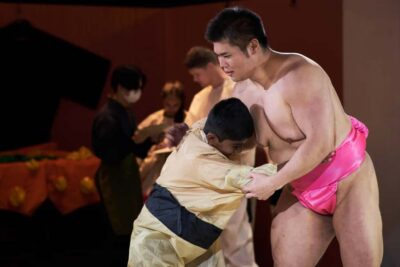 ★ 4.5Osaka: Sumo Show & Experience w/ Optional Kimono & Hot PotFrom $77609 reviews
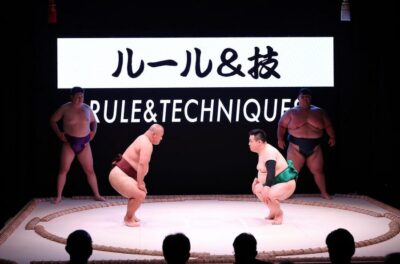 ★ 4.3Osaka: Sumo Stage Show with Bento or Snack + Fight & PhotoFrom $93364 reviews
 ★ 4.9Osaka: UTAGE Japanese Taiko Live ShowFrom $40167 reviews
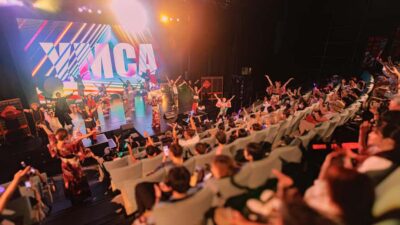 ★ 4.8OSAKA NIGHT FUSION Japanese Taiko Kabuki Samurai Dance ShowFrom $40155 reviews
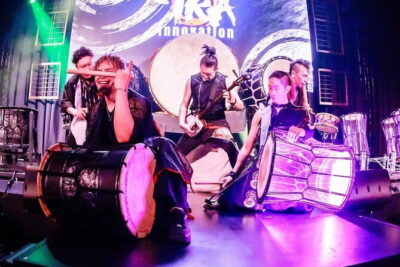 ★ 5.0Osaka: UTAGE Modern Japanese Taiko Live ShowFrom $1981 reviews
 ★ 4.5Osaka: A Modern Samurai, Kabuki, Taiko, & Dance ShowFrom $1966 reviews
 ★ 4.2Osaka:SUMO BEATS SHOWCASE: Taiko Drum and Wagyu burger!From $6737 reviews
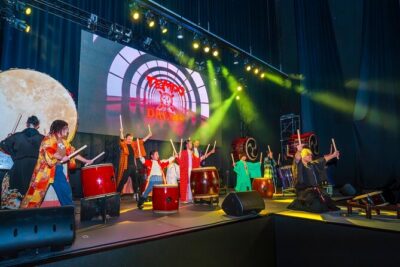 ★ 5.0OSAKA:Feel the Power! Learn Taiko Drum from ProfessionalsFrom $2628 reviews
Also worth a look in