
REVIEW · OSAKA TOURS WITH LOCAL GUIDES
Osaka 8hr Private Tour with Government-Licensed Guide
Osaka hits your senses fast, in the best way. A government-licensed guide helps you turn a short day into a smart route across highlights, plus real food time. You also get to choose 3 to 4 stops, so the day feels like your itinerary, not a rigid checklist.
What I like most is the balance: big landmarks (like Osaka Castle and major temples) paired with everyday Osaka neighborhoods where you actually snack and browse. Another win is the guide experience. In past tours, Nori (Norifumi Kamon) stood out for being friendly, energetic, and the kind of person who builds a day around what your group wants.
One caution: it is a walking tour, and some major places have admission fees not included. If you hate walking, or you expect every entrance to be covered, plan carefully.
Key highlights to look for
- Government-licensed, English-speaking guide: you get a pro who can steer the day and keep it practical
- Choose 3 to 4 sites: less time commuting, more time seeing and eating
- Big-photo sights plus local streets: castle and shrines, then markets and shopping arcades
- Food focus without feeling like a food tour only: Takoyaki and okonomiyaki show up naturally in the route
- Flexible itinerary planning: you can request a personalized plan based on your interests
- Nori-style energy, strong planning: one guide named Nori impressed families with an organized day
How the custom 3 to 4 stop format actually helps
This is an 8-hour private walking tour, but it does not try to cram in every famous spot in Osaka. Instead, after you book, a guide reaches out to plan a route with you. You pick 3 to 4 places from the list, and your guide builds the flow around them.
That matters more than it sounds. Osaka is huge, and lines, crowds, and transit can steal your time fast. The “3 to 4 stops” setup helps you avoid the classic problem of guided days turning into constant walking and rushing. You still cover multiple districts, but you stay in control of what you care about most: historic sites, viewpoints, markets, or shopping.
If you are not sure what to choose, you can ask the guide to send a recommended itinerary based on your interests. I like that option for first-time visitors, because it nudges you toward places you might miss if you just pick randomly from a map.
A note on logistics: the tour is walking-based, and pickup is on foot within a designated area. Transportation fees are not included, and there is no private vehicle, so expect to handle transit breaks if your plan includes farther stops.
More days handed over to a local
Dotonbori District: billboards, food stalls, and easy sensory overload
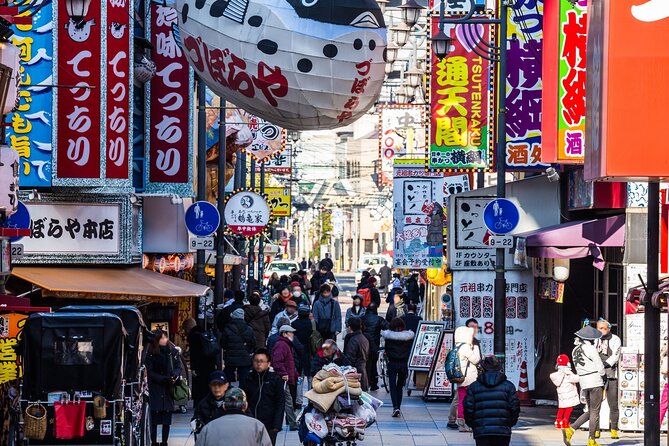
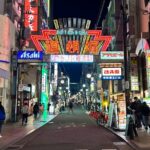
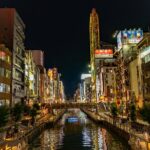
Your day commonly starts in Dotombori (Dotonbori), and honestly, it is a perfect opener. This is where the city’s neon energy lives, with huge billboards, packed streets, and dozens of places selling Osaka staples.
You get a walking route along Dotonbori street for about an hour. The value here is not just the photos. It is the guided way of moving through the district and knowing what to look for. You will see the big signs and the restaurant lineup where you can spot familiar Osaka foods like Takoyaki and okonomiyaki.
Admission is listed as free for this stop, so the cost stays controlled while you get a full dose of atmosphere. If you plan your day well, this is also where you can decide what kind of food experience you want later. Want to try one classic, or snack more lightly? Dotonbori sets the baseline.
Possible drawback: Dotonbori can be crowded, and that affects pace. If your group prefers quieter streets, you might ask your guide to time the walk carefully or point out less hectic lanes within the area.
Osaka Castle: the big landmark, with a real-time pacing reality check
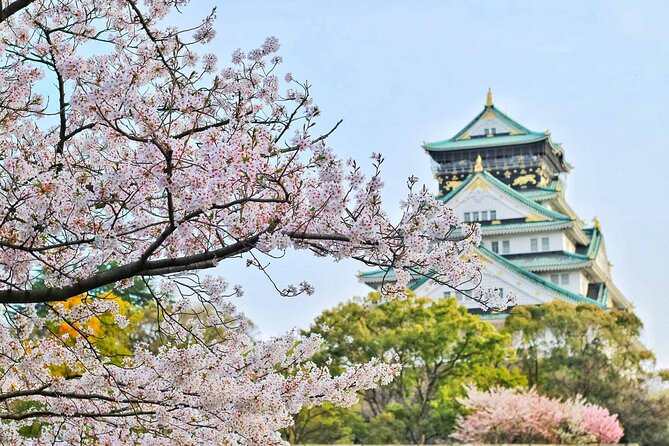
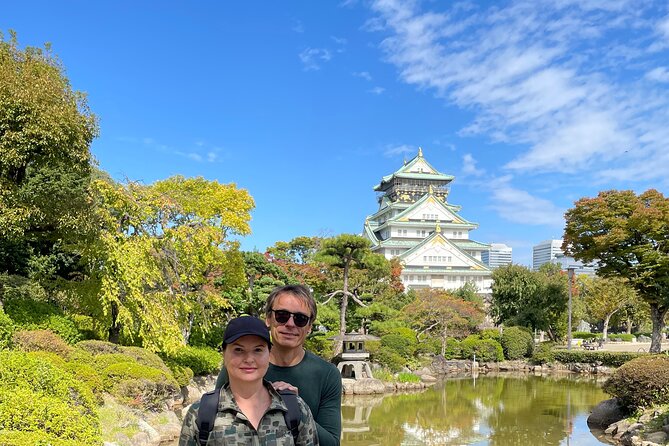
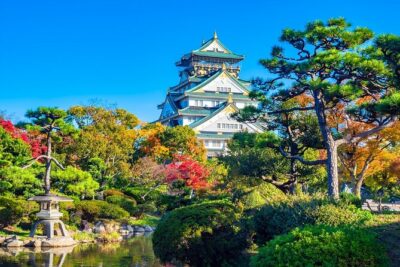
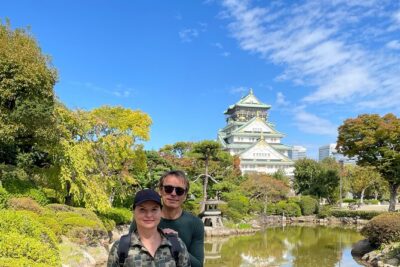
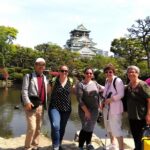
Next up is Osaka Castle, one of Japan’s most recognizable castles. The tour time is about an hour, and you will see the five-story castle structure and learn why it remains such a strong symbol of Osaka’s identity.
The key practical thing: admission is not included for Osaka Castle. That is normal for tours like this, but you should treat it as part of your trip budget. The upside is that your guide can help you decide the most efficient way to see what you want in that time window.
This is one of those stops where history matters, but so does movement. You will likely get viewpoints and photo angles, then transition out before the visit gets dragged into a long line situation. A guide with good day planning helps you avoid feeling stuck.
If you care deeply about history, you should mention that early. One feedback theme from real guide experiences was that you may want more in-depth context at some points. A simple question to your guide like what to focus on first can solve that.
Sumiyoshi Taisha Shrine: oldest roots, calm contrast
Sumiyoshi Taisha is a different rhythm from Dotonbori. This shrine is listed as about an hour, and it is one of Osaka’s oldest shrines, founded before Buddhism arrived in Japan. The architecture is described as having a unique style, and that “older-than-everything” feeling is the main attraction.
The stop is listed as free for admission, so it is a great way to balance paid attractions later with a no-ticket stop now. It also offers a reset. After neon streets, you get a quieter, more grounded experience.
What you should expect from a guide-led version of a shrine visit: you will likely get help understanding what you are looking at and how to read the space, without turning it into a lecture. If your group wants shorter explanations, you can ask for quick highlights. If you want more detail, ask for the background and why the architecture matters.
Shitennoji: a state-built temple and a smart mid-day anchor
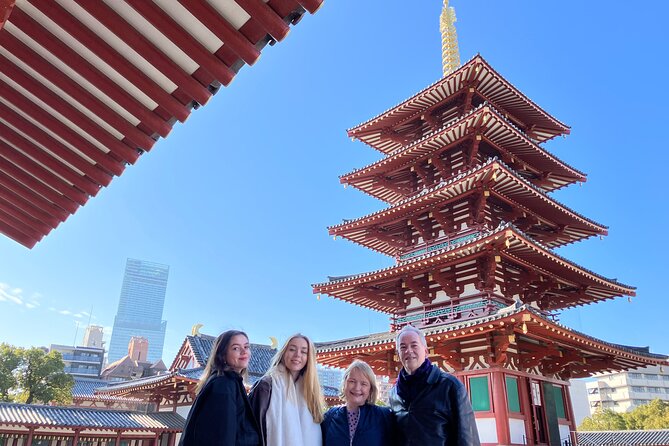
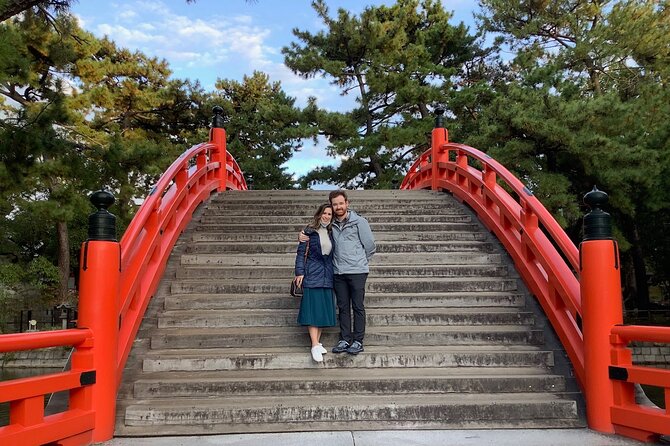
Shitennō-ji is another major historic stop, listed at about an hour. It is described as one of Japan’s oldest temples and the first ever built by the state, founded in 593 by Prince Shotoku in support of Buddhism’s arrival.
Admission for Shitennoji is listed as not included, so plan on a ticket purchase. The good news is the stop duration is only about an hour. That keeps it from swallowing your day.
Why it works in this itinerary: it sits as a strong “bridge” between the older Osaka of shrines and the more modern city blocks and shopping streets later. It also gives you something meaningful to do mid-day, which can help you avoid a too-heavy food-and-shopping stretch before you still have energy.
If you are balancing adults and kids, or multiple ages, temples like this are usually a good middle ground. They are not just quiet, they are also visually distinct, so even if someone is not a history person, they can still enjoy the setting.
More days made easy by a guide
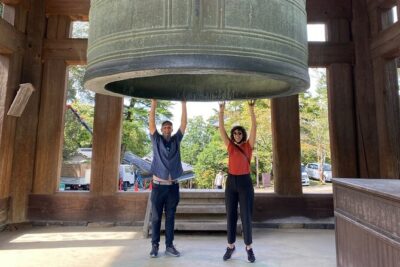
Shinsekai and Tsutenkaku: retro Osaka in a short dose
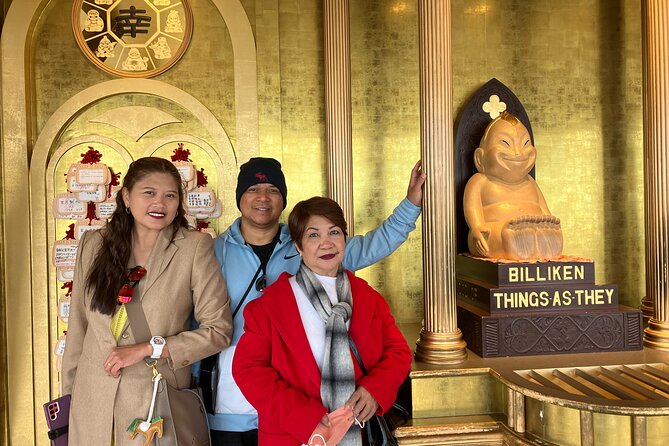
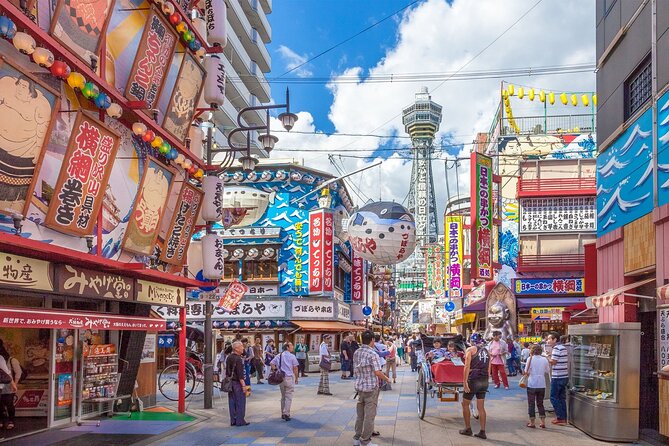
Shinsekai is where you get a more retro side of Osaka. The district was developed before the war, later neglected for decades, and now carries that old-school vibe again. At the center is Tsutenkaku Tower, a landmark that makes the area easy to orient around.
This stop is about 30 minutes and is listed as free. That shorter time is a feature, not a flaw. Shinsekai is fun to see, and then you can keep moving without losing the day’s momentum.
What to watch for here is the visual mood. The tower and surrounding streets give you a different Osaka look than castle grounds or classic temple areas. It is ideal if you want a quick “time travel” moment before returning to food and shopping.
Umeda Sky Building and the art stop: mix viewpoints with culture
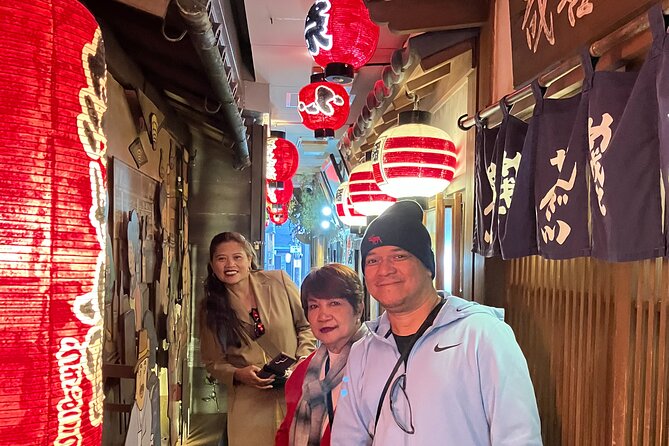
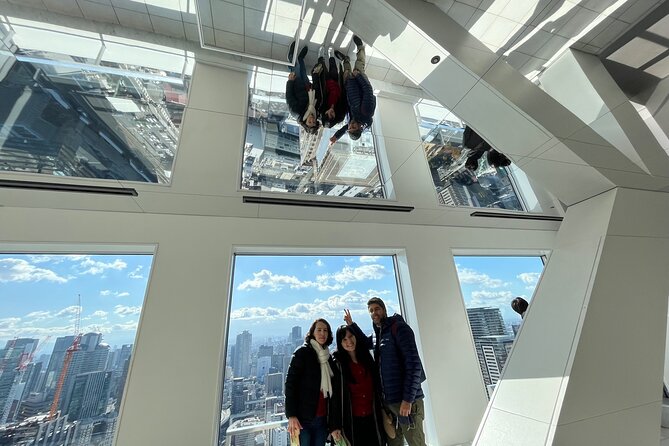
In the Kita district near Osaka and Umeda Stations, the Umeda Sky Building is listed as a 30-minute stop. It is described as 173 meters tall and known as the New Umeda City.
Admission is not included, so again, treat it as a paid addition if you go inside or to the observation areas. The value of including it on this tour is that you can get the tall-building perspective without spending half your day on a viewpoint. Short stop, strong payoff if you like skyline views.
Later, the route includes the National Museum of Art, Osaka (NMAO) on Nakanoshima. This is also about 30 minutes and is underground, which can be a cool twist if you want indoor culture time.
Admission is not included for this museum stop either. If you are the type who likes art breaks but hates long museum marathons, the time here is realistic. You can enjoy the setting and see key pieces without feeling trapped for hours.
If you personally like either views or art more than the other, you can mention that when picking your 3 to 4 stops. This kind of tour works best when you tune it to your preferences, not when you let it choose for you.
Kuromon Market, Doguyasuji tools, and Shinsaibashi shopping streets
This is where Osaka turns practical. The tour includes a chain of stops that make sense together because they are all about daily life and browsing.
First is Kuromon Market, a covered public market with about 150 shops stretching around 600 meters. Your time here is about 30 minutes and admission is free. This is a great place to snack, browse packaged foods, and absorb how locals shop. You can also use it as an informal “food map” for later.
Next comes Sennichimae Doguyasuji, a short shopping street lined with specialty stores selling cooking utensils and kitchen items. The tour time is about 30 minutes, admission listed as free. It is a fun stop if you like practical souvenirs, and it also connects nicely to the earlier food theme in Dotonbori.
Then you shift to Shinsaibashi-suji Shopping Street, a giant arcade of shops and restaurants stretching about 600 meters. Your time is about 30 minutes, also listed as free. This is a great place to pick up easy gifts, try casual treats, or simply do people-watching while your guide helps you move efficiently through the area.
The whole grouping makes your day feel like a real Osaka street experience, not just a list of landmarks.
Keitakuen Garden: a short reset if you want calm
If your itinerary includes Keitakuen Garden, you get a short, peaceful break. It is a traditional Japanese landscape garden located within Tennoji Park, designed in the early 20th century.
This stop is about 10 minutes and admission is listed as not included. The short time makes sense because it is a breather, not the centerpiece. It works well at a point in the day when you want a change of pace before you head into more streets or travel onward.
Even if you only get a brief look, it can soften the intensity of a long walking day. For groups with mixed interests, this kind of pause helps everyone stay upbeat.
Price, guide quality, and what you are really paying for
At $198.72 per person for an 8-hour private walking tour, the cost is not cheap, but it is also not random. You are paying for several things that add up in Japan:
- A licensed local English-speaking guide who can handle routing and explanations
- A private format, meaning you are not squeezed into a large group pace
- Custom planning where you choose 3 to 4 sites, so your day is tailored
- A route that mixes icons with neighborhoods, so you get context and not just scenery
One highly praised part from real tour experiences is how guides like Nori (Norifumi Kamon) come across as friendly and energetic, and how they build an itinerary that helps you see places you might not find on your own. That matters because Osaka is easy to get lost in, and food choices can feel overwhelming if you are not sure what to order.
The tradeoff is that not every major attraction has free entry. Osaka Castle, Shitennoji, Umeda Sky Building, the National Museum of Art, and Keitakuen Garden are listed as not included. You will likely pay additional tickets if those are part of your selected 3 to 4 stops. Lunch also is not included.
If you want the best value, pick a mix: one big paid landmark, one or two paid add-ons if they fit your interests, and then use the free stops to keep your total spending reasonable.
Who this tour is best for
This tour is a good match if you want a guided day but hate rigid, long bus-style itineraries. It is also ideal for families or groups who want flexibility, since your guide plans based on what you choose.
It also suits first-time visitors who want Osaka basics done right: iconic sights plus food and streets. And if you care about food like okonomiyaki and Takoyaki, the Dotonbori start gives you a strong Osaka introduction.
If your group includes people who strongly prefer public transit rides over walking, or if you need step-by-step planning to avoid fatigue, you should think twice. It is a walking tour, and the best results come when everyone is comfortable moving.
Should you book this Osaka private walking tour?
Yes, if you want an 8-hour private day that stays practical, with a licensed English guide and clear options to shape the itinerary. I would especially book it if Osaka Castle, major temples, and street life shopping all matter to you, because the format naturally blends those worlds.
I would skip or reconsider if you want every entrance included, or if your group struggles with sustained walking. Since admission and lunch are not included, your budget depends on how many paid sights you pick.
If you do book, send your guide your interests early, and be direct about how much history context you want at temple and castle stops. That small conversation can turn a good day into a great one.
FAQ
How long is the Osaka private tour?
The tour is about 8 hours.
Is this tour private or shared?
It is private. Only your group participates.
Can I choose which places we visit?
Yes. You can choose 3 to 4 sites from the tour’s listed options, and the guide plans the route with you.
Is transportation included?
No. Transportation fees are not included. The tour is a walking tour, with pickup on foot within a designated area.
Are entrance fees included for all stops?
Not always. Some stops list admission as free, while others list admission as not included, including Osaka Castle, Shitennō-ji, Umeda Sky Building, the National Museum of Art, Osaka, and Keitakuen Garden.
Is lunch included?
No. Lunch is not included.
Do I need cash for tickets or can I use a mobile ticket?
A mobile ticket is included.
What kind of guide do I get?
You get a government-licensed, local English-speaking guide.
Can I bring a service animal?
Yes. Service animals are allowed.
What if my plans change and I need to cancel?
You can cancel for free up to 24 hours in advance for a full refund. If you cancel less than 24 hours before the start time, the amount paid is not refunded.
More Tours in Namba


More Tour Reviews in Namba
Hand the Day to a Local

Latest out of Namba

Osaka Tours with Local Guides, side by side.
 ★ 4.9Osaka: Namba Pub Bar Crawl with a Local GuideFrom $30424 reviews
 ★ 5.0Osaka 4hr Private Tour with Government-Licensed GuideFrom $109359 reviews
 ★ 5.0Osaka E-Bike Tour with a Local GuideFrom $59219 reviews
 ★ 5.03/4/5 Hours Private Tour in Osaka with Local GuideFrom $95189 reviews
 ★ 5.0Osaka 6hr Private Walking Tour with Government Licensed GuideFrom $155174 reviews
 ★ 4.8Volleyball in Osaka, Kobe & Kyoto with locals!From $6131 reviews
 ★ 5.0Osaka Food Adventure Tour: Walking with a Local GuideFrom $79119 reviews
 ★ 5.0Osaka Early Morning Tour with English-Speaking Guide DotonboriFrom $60110 reviews
Also worth a look in