
REVIEW · DOTONBORI NEON & STREET FOOD WALKS
Osaka Early Morning Tour with English-Speaking Guide Dotonbori
Start your Osaka day before the crowds. This small-group early tour strings together history, food, and pop culture, with English guidance that keeps the route easy to follow, and names like Hikaru show up as one of the guides people rave about.
My second big win is the food time at Kuromon Market, where you get one included street-food item plus a drink, and your guide can point you toward choices that match what you actually feel like eating. One watch-out: Osaka Castle entrance is not included, so you will mostly walk the grounds rather than go inside.
Key highlights and why they matter
- Max 8 people keeps it from feeling like a stampede and helps you ask questions
- Street food plus one drink takes the guesswork out of where to eat first thing
- Osaka Castle, Kuromon Market, and Dotonbori hit three very different sides of the city in one morning
- Anime and electronics stops at Nipponbashi Denden Town, plus kitchen-tool shopping on Doguyasuji
- Finish at the Glico Sign so you land in the middle of where you would want to go next
Why the 9:30 am start makes Osaka feel easier
Meeting at Starbucks Coffee, Osaka Castle Park (right near the castle area) is a smart move if you want photos without as much chaos. A 9:30 am start also lines you up to see market and shopping areas before the day gets crowded, and it keeps the rest of your Osaka afternoon open for self-guided wandering.
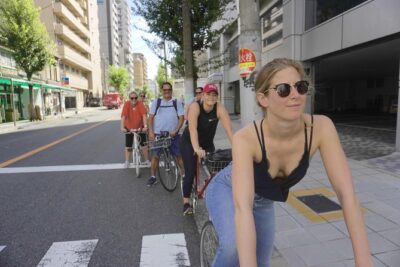
The tour runs about 4 hours, and the pacing is built around walking plus short transit hops. That matters because Osaka can feel spread out, and having a plan early helps you avoid wasting time crisscrossing neighborhoods when you are hungry or jet-lagged.
More of the canal after dark
Osaka Castle grounds: what you see when tickets are not included
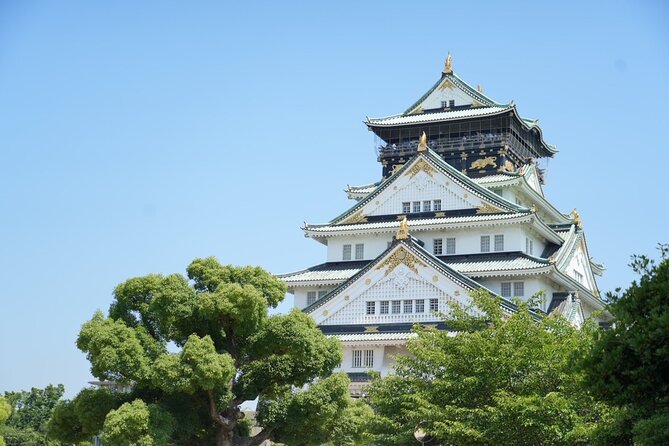
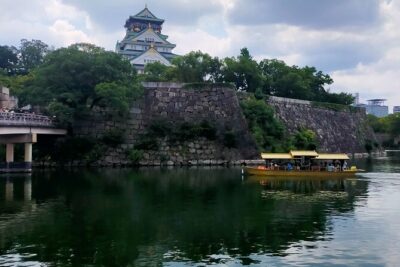
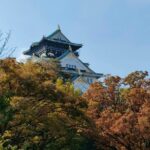
Osaka Castle is the anchor stop, and you get around the grounds and surrounding highlights with a full 1-hour chunk of time. The castle site is tied to Japan’s unification period, and even without an inside ticket, you still get the big-picture feel: dramatic architecture, garden paths, and classic photo angles.
Here is the practical bit: the castle entrance ticket is not included, and the tour is designed for the walk-and-look experience. If you are the type who really wants to go up inside, plan extra time and decide later based on lines and your energy level. One common comment from people on similar experiences is that going up can be slowed by queues, so arriving early helps.
Also, keep your camera ready. Guides often point out small details and photo spots around the area, and you may even be guided toward seasonal sights like cherry blossoms near the castle grounds, which has been a favorite memory for some visitors.
Shinsekai and Kuromon Market: your food and street-life calibration
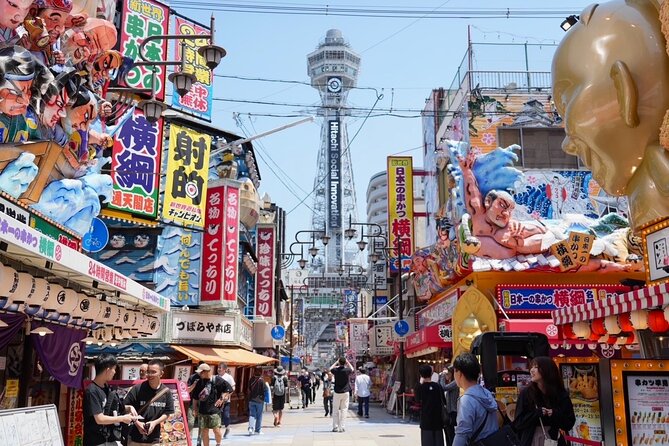
After the castle, you shift to Shinsekai for about 30 minutes. This area gives you a contrast to the castle calm, mixing older neighborhood energy with present-day shops and places to grab a quick bite. It is a short stop, so use it to look, soak in the street vibe, and get your bearings for what kind of Osaka you like best.
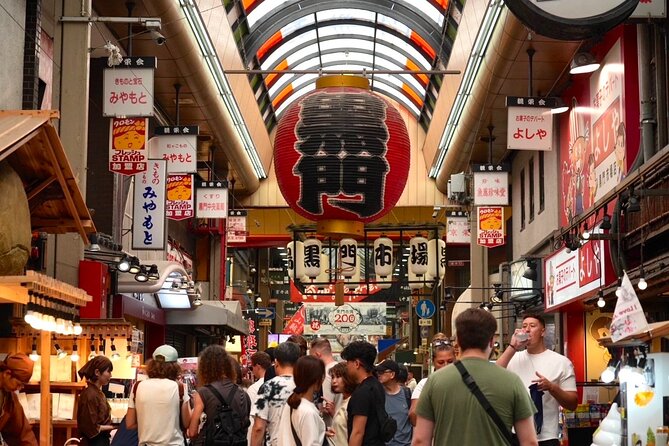
Then you head to Kuromon Market, often called Osaka’s Kitchen. You get about 30 minutes here, and this is where the tour earns its keep for food lovers. The market is built for sampling: seafood, produce, and a stream of snack-size temptations. Since you get one included street-food item and one drink, you do not have to commit to a whole meal while you are still figuring out the flavor spectrum.
A tip I would follow: pick a snack that feels clearly local, but not so experimental that you regret it mid-walk. With an English-speaking guide around, you can ask what is popular right now or what they think is best for your tastes, rather than standing there translating everything yourself.
Nipponbashi Denden Town and Doguyasuji: anime meets practical shopping
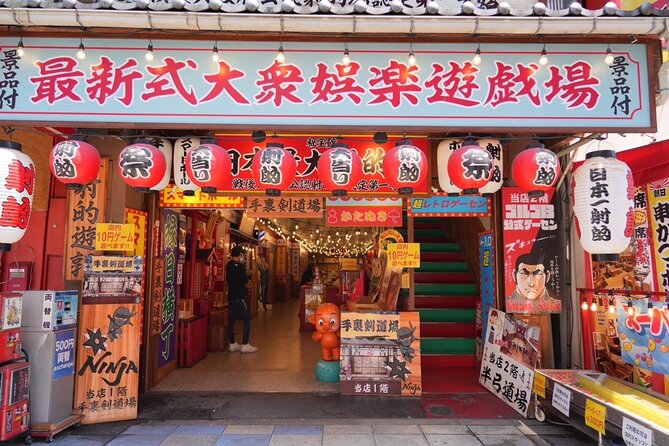
Next comes Nipponbashi Denden Town for around 20 minutes. This is the pocket where Osaka leans into electronics, games, and anime-style shopping. Even if you are not hunting for high-end gear, you will still enjoy the feel of the area, the shop windows, and the sense that people come here with a mission.
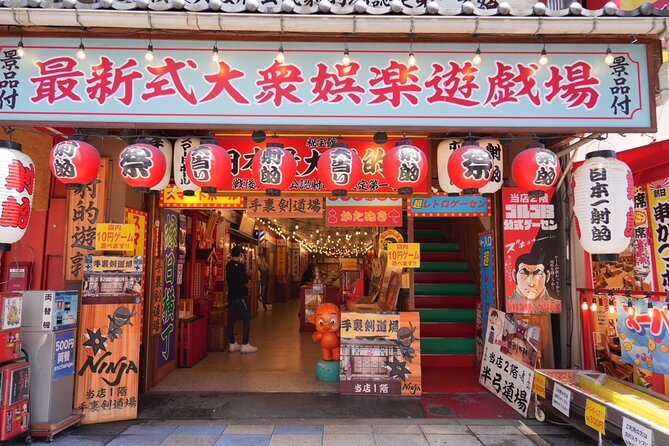
Right after that, you hit Sennichimae Doguyasuji Shopping Street for about 15 minutes. This one is food-focused in a different way: kitchenware, professional chef tools, and quirky gadgets. If you like cooking, this is the section where you can spot items you never see at home stores, from practical utensils to gear that looks like it belongs in a restaurant back room.
Time is tight, so do not try to shop like you have an entire afternoon. Instead, treat it like scouting. If you find something you really want, take note of the shop name or walk back later when your feet are fresher.
Hozen-ji Temple: a calm pocket that resets your morning
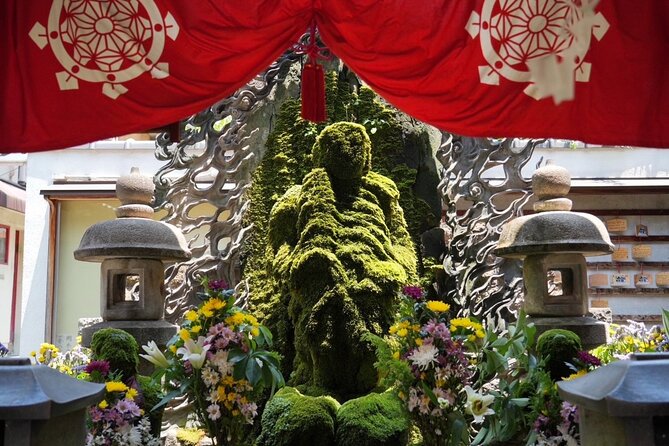
Then you get a breather at Hozen-ji Temple for about 15 minutes. This stop matters because it breaks up the day after markets and shopping streets. The temple area is known for the moss-covered statue of Fudo Myo-o, plus traditional cobblestone lanes that make it feel like you stepped into a slower pocket of Osaka.
You do not need to be a temple expert to enjoy this. Think of it as a pause to catch your breath, clear your mind, and shift from shopping mode back into sightseeing mode. If the morning has you walking on full focus, this stop gives you a small reset before the final canal views.
More days handed over to a local
Dotonbori canal and the Glico Sign: end with Osaka at full volume
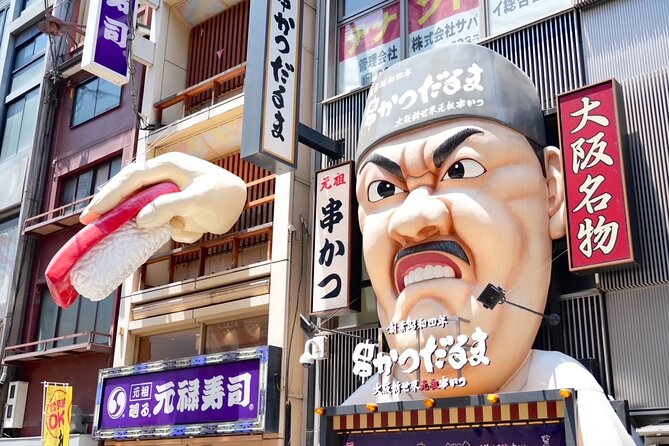
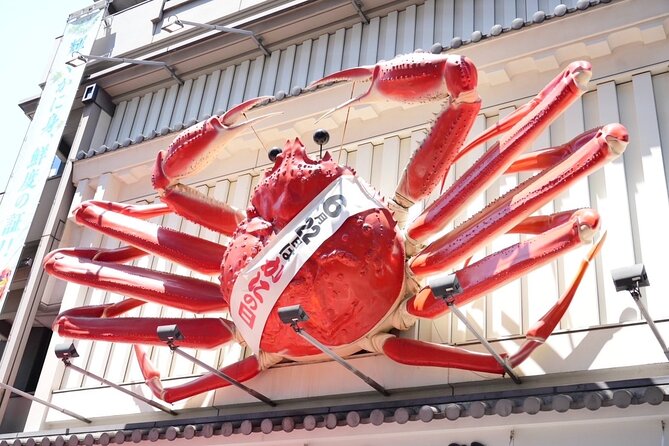
Your tour closes in the Dotonbori area at Ebisu Bridge, with about 30 minutes here. The canal views are the payoff, and the bridge is wrapped in Osaka’s signature energy.
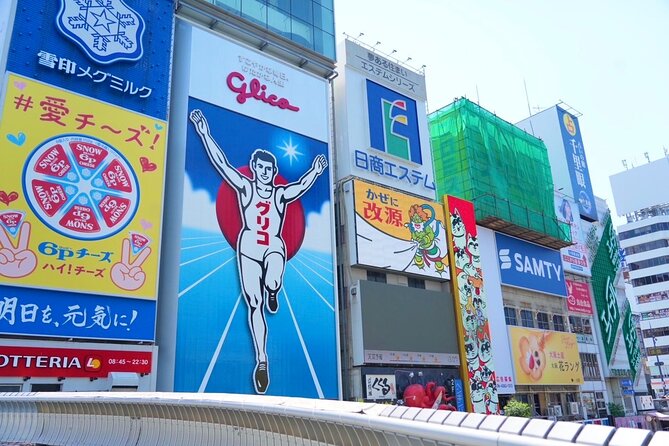
You will finish in front of the famous Glico Sign (the running man logo). This is a great ending point because it puts you right where most people want to go next for dinner and night lights, without forcing you to figure out the route from scratch.
Also, if you need help getting back to transit, the guide can assist you heading toward Namba Station. That is useful because Dotonbori can feel like a maze if you are carrying bags or you are trying to find the quickest way onward.
Price and logistics: what you pay $60.78 for, and what to plan separately
At $60.78 per person, you are paying for an English-speaking guide, the structure of the route, and included food and drink. The tour also notes mobile ticket use and group discounts, and the group size max is 8 people, which usually means better attention than big coach-style tours.
What is not included is important: public transport fare is ¥430 per person, and entrance tickets to attractions are not included. In plain terms, budget a bit extra for trains, and decide in advance whether you want to pay for major entrances on top.
One practical strategy: carry a transit card or pass, because you may ride trains between neighborhoods during the morning. If you plan to use public transit a lot while you stay in Osaka, it is worth checking what makes sense for your length of stay. The walking-and-transit mix is part of how you see so much in one half day, and it is also why having a guide saves time.
What makes this tour feel worth it in a short Osaka trip
This is the kind of morning tour that works well if you want:
- a fast overview of major areas without over-planning
- food guidance so you can try something local without a long research cycle
- a mix of history, markets, and pop culture in one go
The stops are intentionally different, so you do not just see one type of Osaka. Castle grounds give you the big landmark context. Kuromon Market gives you food texture. Nipponbashi Denden Town and Doguyasuji show you the city’s shopping personalities. Hozen-ji offers a quiet reset. Dotonbori closes the loop with spectacle.
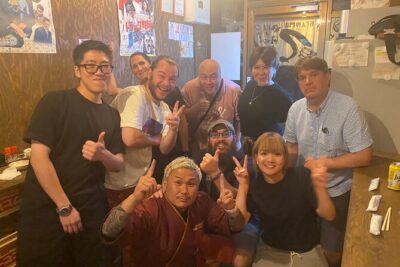
One more thing: the guide experience seems to be a standout. People describe guides as friendly and funny, and they appreciate clear pacing that does not feel like you are being dragged. Some guides have even been described as flexible for personal needs, which can matter if you have slower walking days. You should always communicate your comfort level at the start.
Tour comfort and pacing: walking time is real, but it is managed
A 4-hour walking-based tour sounds casual until you do it in real life. The good news here is that the schedule includes breaks by design, plus short stops that let you switch between looking and moving. You also get a full hour at the castle area, which is where you will feel the most time on your feet, so wear comfortable shoes.
If you are traveling with someone who needs slower pacing, this small-group format can help. You are less likely to get swept along by a large crowd, and there is more chance for the guide to adjust for the group.
Should you book this Osaka Early Morning Tour?
I think it is a good book if you want a half-day that gives you momentum. If you only have one day in Osaka, this tour helps you cover major neighborhoods and gives you enough context to plan the rest of your time with confidence.
Book it if:
- you like street food and want one guided taste without overcommitting
- you want anime or electronics shopping included in your morning plan
- you want a small group route with an English-speaking guide
- you like finishing near the action, at the Glico Sign
Skip or modify it if:
- you mainly want to go inside Osaka Castle, not just walk the grounds, and you are determined to pay for the entrance
- you do not enjoy walking and prefer a slower, more local-food focused schedule with fewer stops
If you do book it, take advantage of the guide’s suggestions for what to eat and where to go next. Ending at Dotonbori is a great setup for dinner, and you will already know how to navigate the area after the morning.
FAQ
Where does the tour start and end?
It starts at Starbucks Coffee – Osaka Castle Park in Osaka. It ends at Dotonbori, specifically in front of the Glico Sign.
What time does the tour run?
The start time is 9:30 am, and the duration is about 4 hours.
What is included in the price?
The tour includes an English-speaking guide, one Osaka street food item, and one drink (alcoholic or non-alcoholic). It also uses a mobile ticket.
Are entrance tickets included?
No. Entrance tickets to any attractions are not included.
Is transportation included?
No. You need to budget for public transportation fare of ¥430 per person.
How large is the group?
The tour has a maximum of 8 travelers.
Can I cancel and get a full refund?
Yes, you can cancel for a full refund if you cancel at least 24 hours before the experience start time.
More Tour Reviews in Osaka
Hand the Day to a Local



The Canal After Dark, Continued
Latest out of Osaka


Dotonbori Neon & Street Food Walks, side by side.
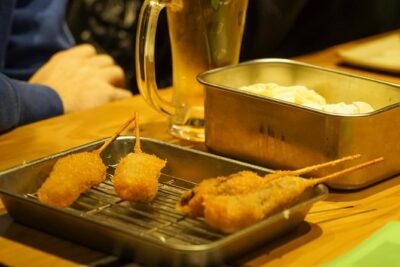 ★ 5.0Osaka Local Foodie Walking Tour in Dotonbori and ShinsekaiFrom $111985 reviews
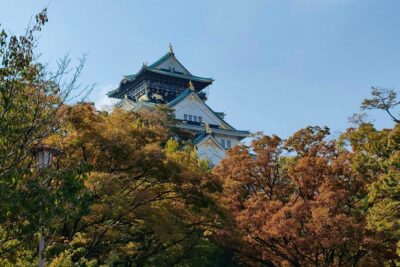 ★ 5.0Ultimate Osaka Walking Tour: Castle, Dotonbori & Hidden GemsFrom $73862 reviews
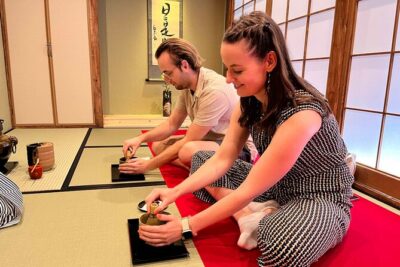 ★ 5.0Tea Ceremony Experience in Osaka DoutonboriFrom $20754 reviews
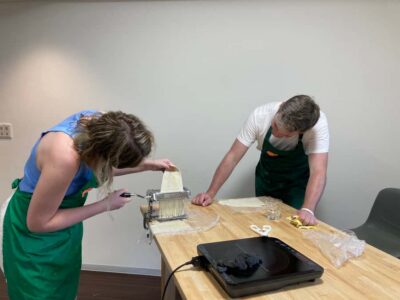 ★ 5.0Osaka: Ramen and Gyoza Cooking Class in DotonboriFrom $70378 reviews
Osaka: Dotonbori River Cruise with Glico Sign & Neon ViewsFrom $12376 reviews
★ 5.0Osaka: Ramen and Gyoza Cooking Class in DotonboriFrom $70378 reviews
Osaka: Dotonbori River Cruise with Glico Sign & Neon ViewsFrom $12376 reviews
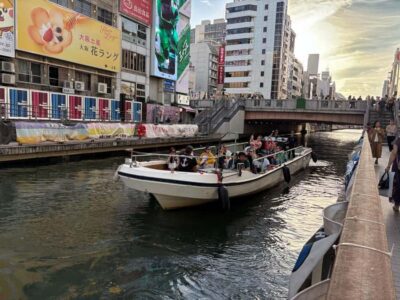 ★ 3.9Osaka: Dotonbori’s Bridges 20-Minute CruiseFrom $12303 reviews
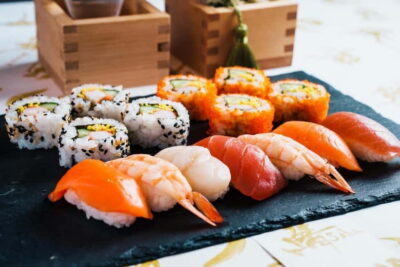 ★ 4.9Osaka: Roll and Authentic Sushi Making Class in DotonboriFrom $45239 reviews
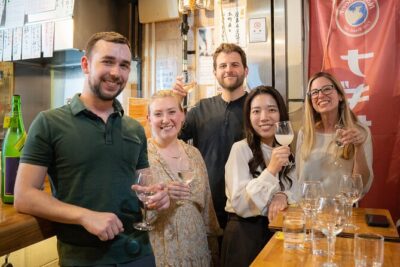 ★ 5.0Osaka Local Bar Crawl in Dotombori & Uranamba AreaFrom $26199 reviews
Also worth a look in