
REVIEW · KOYASAN, WAKAYAMA & UJI ESCAPES
Mount Koya from Osaka: Cultural Small Group Day Tour
Mount Koya turns a day into a slow moment. This small-group trip from Osaka pairs a moving walk through Okunoin Cemetery with hands-on Buddhist practice at Kongobuji Temple, plus a simple, meat-free Shojin Ryori lunch that actually tastes great. Two things I especially like are the guide-led pace through sacred spaces and the way the day mixes quiet reflection with active learning. The main drawback to plan around is the amount of walking on mountain paths and temple grounds, so comfortable shoes are not optional.
You start with a hotel pickup in central Osaka and ride up in a private, comfortable vehicle, then spend the day moving through the key spiritual highlights of Koyasan. If you want a calm, structured introduction to Shingon Buddhism without juggling buses and train schedules, this format is hard to beat. Just remember the mountain weather can be cooler, so dress for it, not for Osaka.
Key highlights you should care about
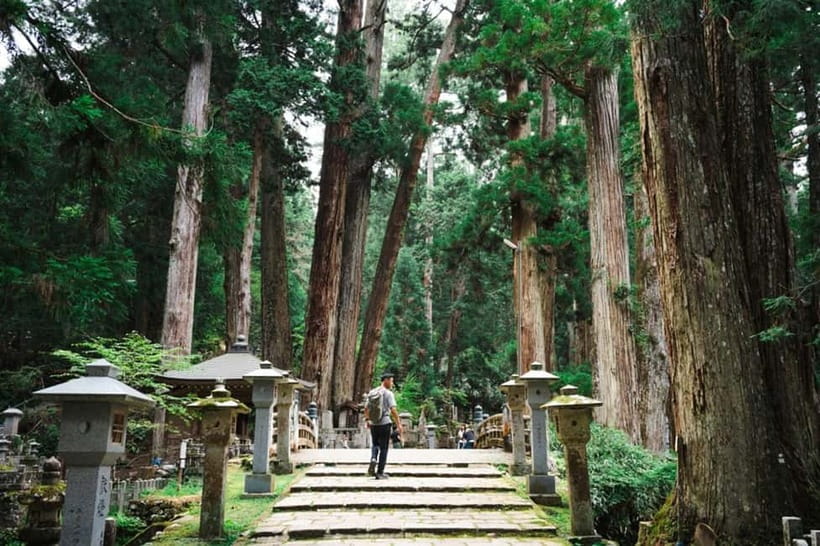
- Okunoin Cemetery cedar-lined stone paths, mossy tombstones, and a visit to Kobo Daishi’s mausoleum area
- Shojin Ryori lunch, Buddhist vegetarian cooking made without meat, fish, or strong seasoning
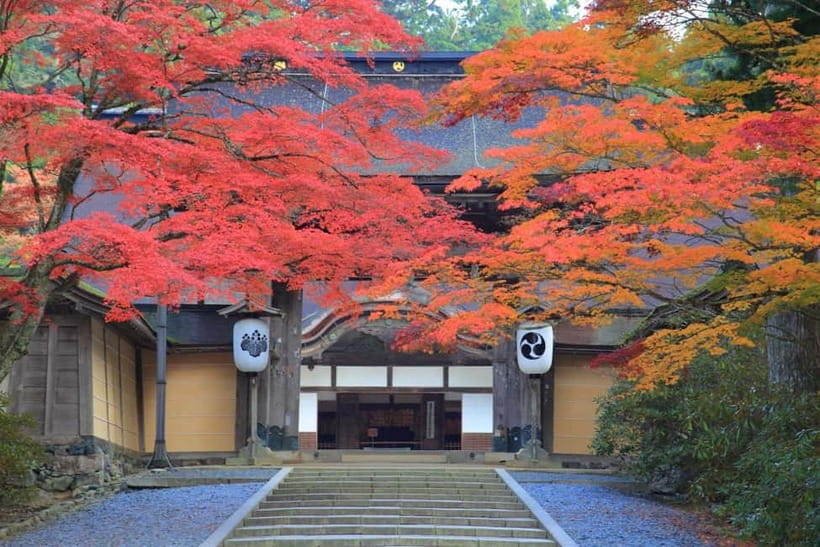
- Kongobuji Temple inside details like sliding fusuma doors with traditional ink paintings
- Banryutei rock garden walk-through experience tied to a symbolic theme
- A choice in practice time: Shakyo (sutra copying) or observing a Goma fire ritual depending on temple availability
- Danjo Garan temple-complex views, plus a guided stop at Reihokan Museum
Why Mount Koya feels different from your usual Osaka day
Koyasan is one of those places where the setting does half the work. You trade city noise for cedar shade, stone paths, and long pauses that feel built into the experience. The tour is designed to keep that mood, not break it with a frantic checklist.
I like how the day goes from solemn to practical to hands-on. You get quiet time first at Okunoin, then a meal that reflects Buddhist values, then temple learning, and finally a practice session where you slow down with purpose.
The emotional tone is real here, especially during the Okunoin walk. If you’re hoping for a purely scenic photo-fest, you might feel the day is more reflective than flashy.
Longer escapes south and east
The ride up from Osaka: private transport and a full 12-hour day
Your day begins with pickup at a hotel in central Osaka, then a scenic drive to Mount Koya in a private, comfortable vehicle. This matters because getting up there on your own can be an exercise in transfers and schedule anxiety, and you do not need that stress when the whole point is to slow down.
The duration is listed as 12 hours, so plan your energy like a pro. You will be on the move for much of the day, with multiple guided segments and walking, including on mountain terrain. Bring the shoes you can stand in for a while.
Weather can also shift as you climb, so keep layers in mind. The tour notes it can be cooler in the mountains, so dress accordingly.
Okunoin Cemetery: cedar silence, mossy tombstones, and Kobo Daishi
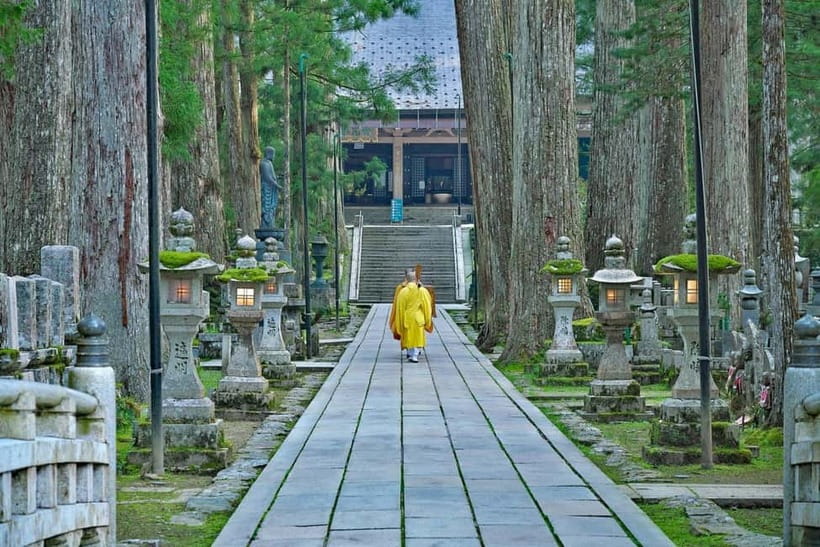
Okunoin is the first major stop, and it is not just another cemetery. It’s Japan’s largest and most revered cemetery, and you experience it on foot along a stone-paved path lined with ancient cedar trees. The atmosphere is built for walking slowly, which the tour schedule supports with about 1.5 hours here.
You will see thousands of moss-covered tombstones, many softened by age and damp forest air. That texture does something to your brain, in a good way. Instead of thinking in tourist mode, you tend to notice smaller details like stone shapes, the rhythm of your steps, and the way sound changes under the trees.
The walk leads you to the mausoleum of Kobo Daishi, the central figure of this sacred site and believed to be in eternal rest. The experience is described as silent and emotionally resonant, and that matches what the place demands. If you want a moment of genuine stillness, this is where you get it.
Shojin Ryori lunch: meat-free, simple, and surprisingly satisfying
After the Okunoin walk, you get a traditional Shojin Ryori lunch. The defining rule is simple: no meat, no fish, and no strong seasonings. Instead, the focus is on seasonal vegetables and mindful, simple preparation.
I like that the lunch is not treated like a break for milling around. It’s framed as part of the Buddhist values behind the day, so you experience food as a practice, not a detour. That makes the meal feel connected to what you just learned and what you’re about to do next.
You also get practical value from this lunch choice. Mountain days can get complicated if you’re searching for something that fits dietary preferences, so having a planned Shōjin Ryōri meal removes a lot of guesswork.
One consideration: the tour notes special dietary substitutions are not included. If you have specific needs, you’ll want to check with the provider before booking.
Kongobuji Temple: sliding fusuma art and Banryutei’s dragon theme
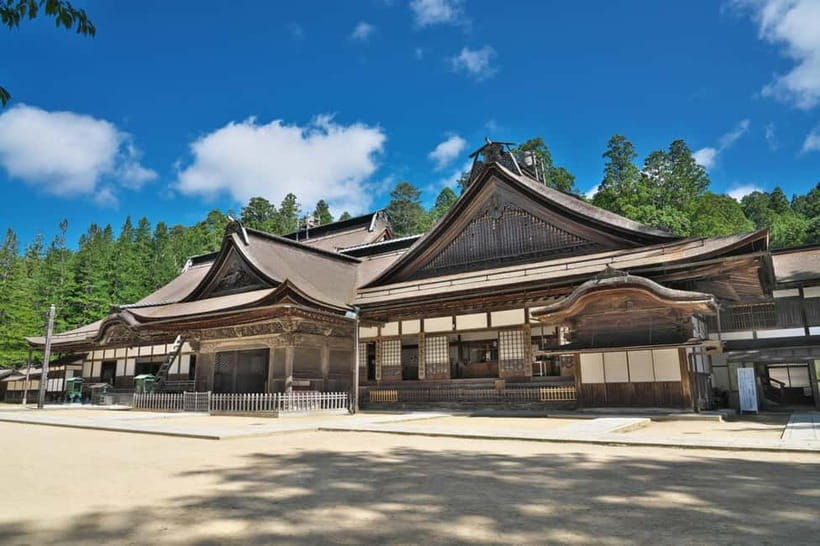
Next comes Kongobuji Temple, the head temple of Shingon Buddhism. You’ll have a guided visit here with time to look closely, including about 45 minutes of temple touring after lunch. This is the part of the day where your guide’s explanations can really sharpen your understanding.
Inside, pay attention to the fusuma, the sliding doors decorated with traditional ink paintings. This is one of those details you might miss if you were just rushing for the biggest hall photo. With a guide, you understand what you’re looking at and why it matters.
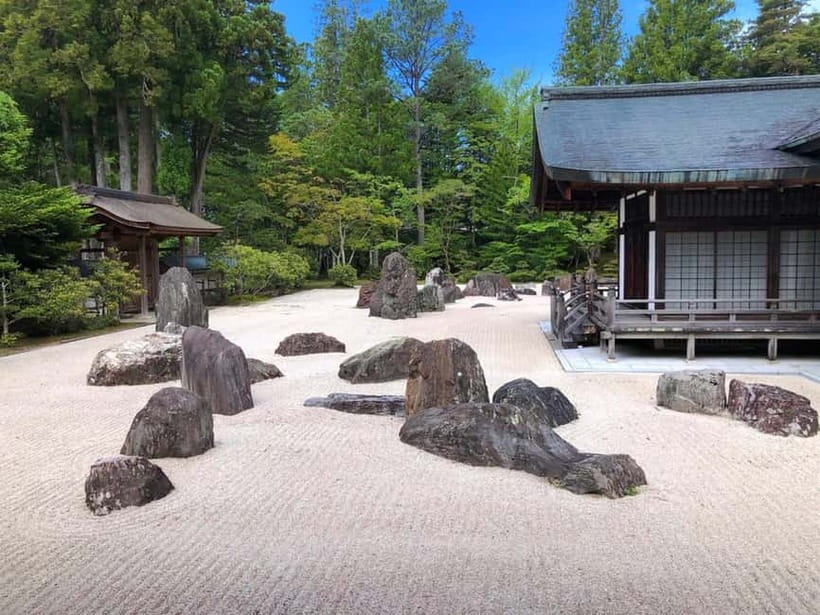
Then you stroll through Banryutei, known as Japan’s largest Zen garden. The tour describes it as symbolic, with a theme of dragons emerging from clouds. Even if you do not fully decode the symbolism on the first pass, the physical experience helps. You get to slow down and notice how the garden is designed to guide attention.
This temple section is not just passive sightseeing. It’s built to connect visual beauty with meaning.
Shakyo sutra copying or the Goma fire ritual
One of the most interesting parts of this day is the practice session time. Depending on temple availability, you either participate in Shakyo (sutra copying) or you observe a Goma fire ritual.
Shakyo is hands-on, and the point is not speed or calligraphy perfection. The idea is that copying sacred texts invites you to slow down and focus like a meditation. In practice terms, it gives you something to do with your hands and your attention, so the day stops being only listening and walking.
The alternative, the Goma fire ritual, is more dynamic. It’s described as a prayer ceremony that uses fire to cleanse negative energies. If you’re the type who learns best by watching an active ceremony, this option can feel more dramatic and easier to follow.
From a planning perspective, the big thing is flexibility. The tour includes sutra copying, but the day may pivot. If that specific activity is a top goal, it’s worth considering that temple schedules can influence what you see.
Danjo Garan and Reihokan Museum: seeing the symbolic whole
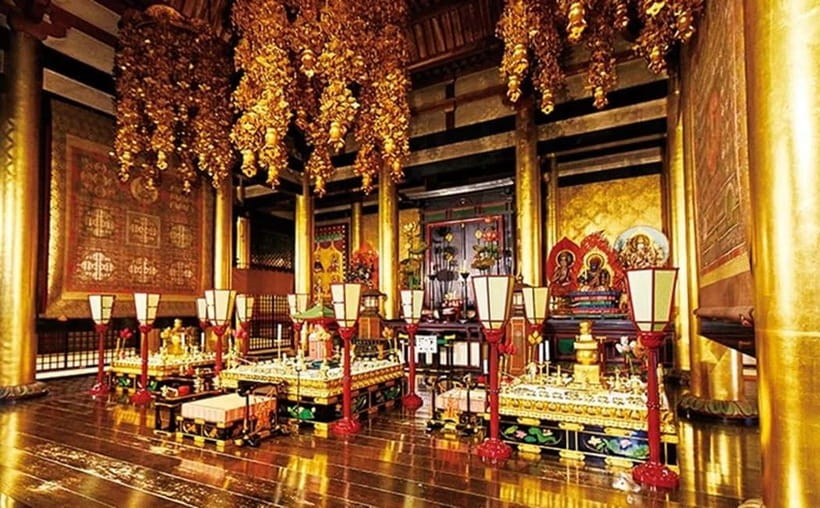
After the core temple areas, you visit Danjo Garan, a symbolic temple complex. The tour frames it as mandala-like harmony, filled with pagodas, statues, and halls arranged as a meaningful set. This is one of the reasons I like this itinerary: it helps you see the larger structure, not just one building at a time.
You also stop at Reihokan Museum for a guided visit of about 1.5 hours. The tour does not promise specific collections in the details you have here, so I’ll keep it practical: go in with the mindset that this is your chance to connect what you’ve seen with cultural context. Museums can feel dry, but with temple context fresh in your mind, objects and artifacts often make more sense.
I’d treat this museum time as a reset. After the earlier walking and practice, it’s a calmer pace that still adds understanding.
Free time in Koyasan: incense, prayer beads, and quiet corners
Before heading back to Osaka, you get free time in Koyasan. That’s where the practical shopping happens, like picking up incense or prayer beads, or simply taking a little quiet time in town.
I like leaving shopping for free time, because you can shop with less pressure and better focus. You’re also more likely to buy things you genuinely want, not whatever’s right in front of you during a packed schedule.
This also explains why cash is listed among what to bring. If you plan to buy souvenirs or small items, having cash helps you move smoothly.
Price and value: what you’re really paying for
At $251 per person for a 12-hour day, this is not a budget throw-together trip. You’re paying for a full, guided program, private transport from central Osaka, and entry into the key Koyasan areas with someone guiding you in English.
Here’s how I think about value: this tour reduces planning stress and compresses the main spiritual highlights into one day. You’re not spending time figuring out routes, schedules, or how to sequence stops in a way that respects the sacred atmosphere.
The most praised parts align with that value logic too: people tend to highlight the guide’s ability to explain the significance of what you’re seeing, the power of the Okunoin walk, the lunch experience, and the sutra copying session. When a tour works, it usually works because you understand what you’re looking at, and because the schedule supports the mood instead of fighting it.
If your priority is a self-paced temple wander with zero structure, you might not get the same value. If your priority is an organized, guided introduction that actually covers the essentials, this price starts to look more fair.
Who this Mount Koya day tour is best for
This works especially well if you want a guided introduction to Shingon Buddhism that includes both quiet reflection and active practice. The combination of Okunoin, Kongobuji, Danjo Garan, and Reihokan Museum gives you a full picture in one go.
You’ll also like it if you appreciate thoughtful food. Shojin Ryori is not just vegetarian by default, it’s designed as part of the spiritual culture of the day.
On the other hand, it’s not a fit for everyone. The tour is not suitable for people with mobility impairments, babies under 1 year, or people over 95. It involves a fair amount of walking, so if your stamina is limited, this could be challenging.
Quick practical notes before you go
You’ll want comfortable shoes and comfortable clothes. Keep a light layer in mind for mountain coolness, and bring cash for any small purchases during free time.
The rules are clear: pets are not allowed, smoking is not allowed, and you can’t have food in the vehicle. Alcohol and drugs are not allowed, and alcoholic drinks are not allowed in the vehicle either.
If you want a smooth day, follow those rules early. It keeps the tour respectful and keeps you from getting stressed at the wrong moment.
Should you book it?
I’d book this tour if you want a structured, guided day that covers Koyasan’s most meaningful stops, with time for both reflection and hands-on practice. The Okunoin walk, the Shojin Ryori lunch, the Kongobuji visit, and the Shakyo or Goma segment are a strong combo for people who want more than quick sightseeing.
Skip it if you hate walking or if you want to avoid any schedule dependency tied to temple availability. Also, consider whether you’re okay with a full 12-hour day, because this is not a short taste of Koyasan.
If you’re on the fence, check the start times available for the day you plan to go, and remember the tour requires a minimum of 4 participants.
FAQ
What is the duration of the Mount Koya from Osaka day tour?
The tour duration is 12 hours.
Is hotel pickup included, and where does pickup happen?
Yes, hotel pickup is included, and you should wait at the front entrance of your hotel at the pickup time. The pickup is in central Osaka.
What kind of lunch is included?
The tour includes a traditional Shojin Ryori lunch, made without meat, fish, or strong seasonings, with an emphasis on seasonal vegetables.
Do I always get to copy sutras during the tour?
The experience can vary depending on temple availability. You may participate in Shakyo (sutra copying) or observe a Goma fire ritual.
What should I bring with me?
Bring comfortable shoes and comfortable clothes, and also bring cash.
Are pets, smoking, or alcohol allowed?
Pets are not allowed, smoking is not allowed, and alcohol is not allowed. Alcoholic drinks are also not allowed in the vehicle.
More Tours in Osaka

More Tour Reviews in Osaka
Longer Escapes from Osaka
Latest out of Osaka


Koyasan, Wakayama & Uji Escapes, side by side.
 ★ 4.5Kyoto & Nara & Uji: Full Day Sightseeing Tour from Osaka or KyotoFrom $6739 reviews
 ★ 4.7Osaka: Kyoto & Nara & Uji Historical and Scenic One-Day TourFrom $5621 reviews
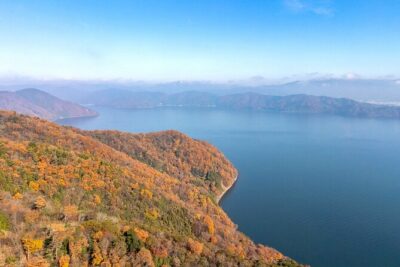 ★ 4.5Lake Biwa Tour: Shirahige Shrine, Ukimido ,La Collina OmihachimanFrom $6521 reviews
 ★ 4.0Nara Deer Park, Uji Matcha, & Hot Spring Full-Day Tour from OsakaFrom $4921 reviews
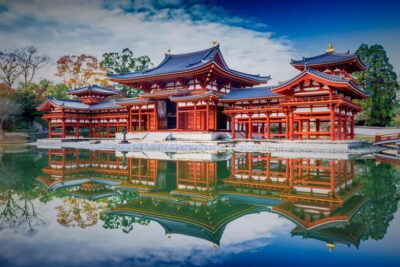 ★ 4.7Osaka: Kyoto & Uji Historical Sites and Scenic Delights TourFrom $5413 reviews
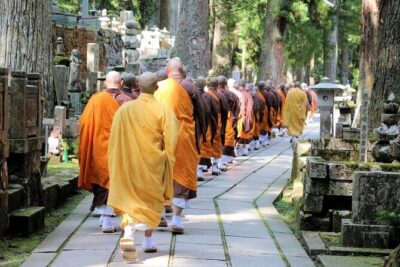 ★ 5.0Mt Koya Full Day Tour from Osaka with Licensed Guide and VehicleFrom $8988 reviews
 ★ 3.5Kansai Airport (KIX) Transfer to Osaka/Kobe/Kyoto/Nara/WakayamaFrom $658 reviews
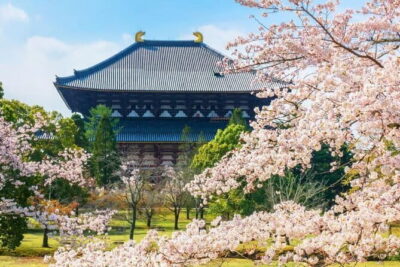 ★ 4.0Osaka: Nara, Todaiji, Uji Matcha, and Hot Spring TourFrom $817 reviews
Also worth a look in