
REVIEW · OSAKA TEMPLE & SHRINE VISITS
Lake Biwa Tour: Shirahige Shrine, Ukimido ,La Collina Omihachiman
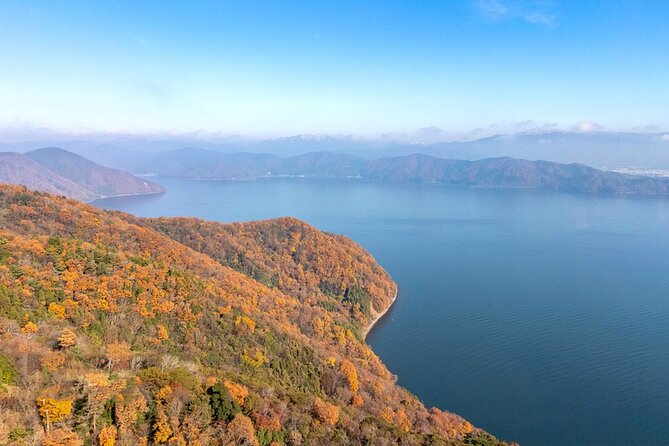
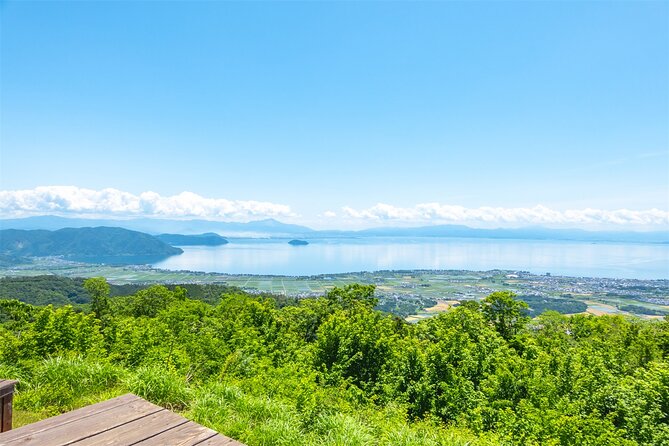
Lake Biwa turns Japan into one postcard. I like this tour because it strings together floating torii views, then fast access to big lake panoramas, all with a driver who keeps the bus moving on a tight schedule.
I also like that you get a real mix of places: a shrine on the water, Zen temple time, and a sweets stop with a fairytale feel. The only drawback to plan around is extra paid sights, plus a long day in a group.
Key highlights at a glance
- Floating torii at Shirahige Shrine on Lake Biwa
- Fast ropeway and a long Observatory window in peak months
- Seasonal swap: Sanzen-in Temple instead of the Observatory
- Mangetsu-ji and the Ukimido Floating Hall photo moment
- La Collina Omihachiman, a storybook sweets village by Terunobu Fujimori
- A shared group day, typically up to 45 people, with timing shifts possible
A one-day loop around Lake Biwa’s most photogenic stops
This is a full, get-up-and-go day based out of Osaka, with a similar feel to the best guided sampler trips: you see a lot, you don’t have to plan transit, and you still get some breathing room at each stop. The tour runs about ten and a half hours, with pickup starting around 8:00 AM in Osaka or 9:20 AM in Kyoto. Drop-off is around 6:30 PM, with the option of ending back in Osaka or Kyoto.
For the price, about $65.03 per person, you’re mainly paying for the guide, the air-conditioned vehicle, and the driver’s time. The itinerary itself includes several sights with extra admission, and that matters for value (more on that later).
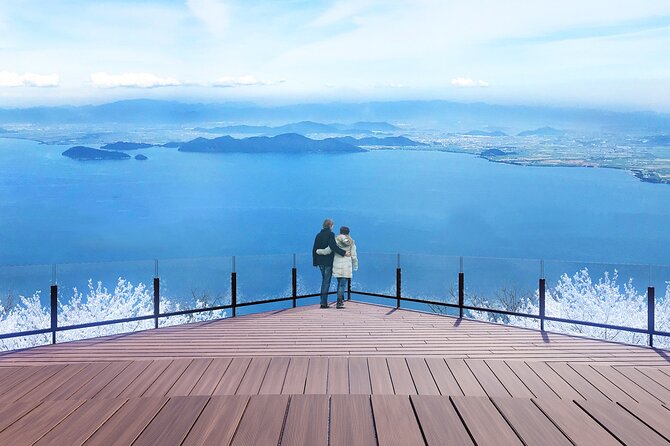
This route is also very season-aware. From November 1, 2025 through April 30, 2026, you visit Sanzen-in Temple. From May 1 to October (the schedule notes May 1 to October 30 or 31 depending on the year), you swap in time at the Lake Biwa Observatory. In plain terms, you’re not guaranteed every viewpoint year-round, so match your expectations to the month you’re going.
Quieter courtyards nearby
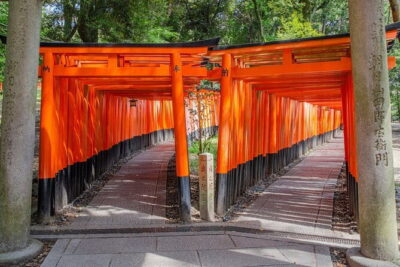
Shirahige Shrine and the floating torii: calm water, big symbolism
Your day starts at Lake Biwa with Shirahige Shrine and its floating torii gate. This stop is short, about 30 minutes, and admission is listed as free. That short timing is actually helpful. You get the signature photo moment without it turning into a half-day detour.
Why this stop works: the torii gate is dramatic because it looks like it is sitting on the lake. When light hits the water, you get reflections and that classic Japan-on-a-postcard look. If you care about photos, treat this as your “get it done fast” moment, then take a slow walk after so you can actually enjoy it rather than just snapping and sprinting.
Practical tip: because you’re in a group, you’ll likely be moving as a block. If you want the best angles, pick a spot early, then rotate slightly once your timing is good.
The Lake Biwa Observatory, from ropeway time to panoramic free time
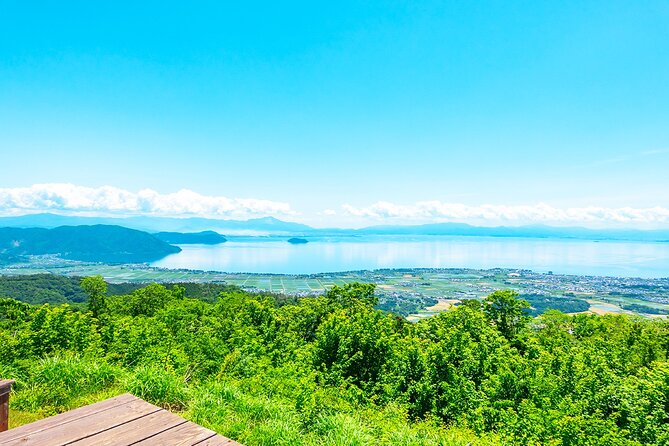
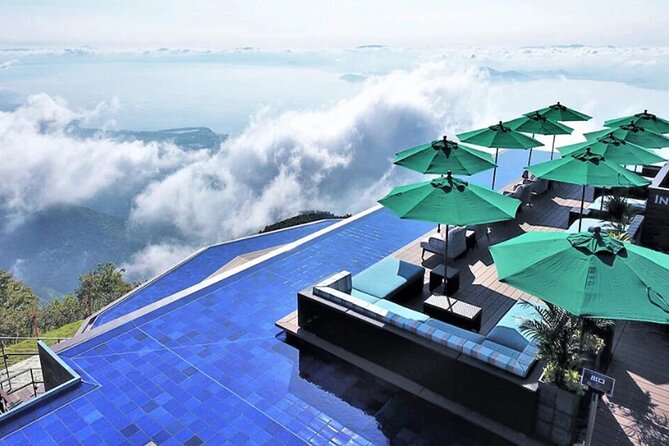
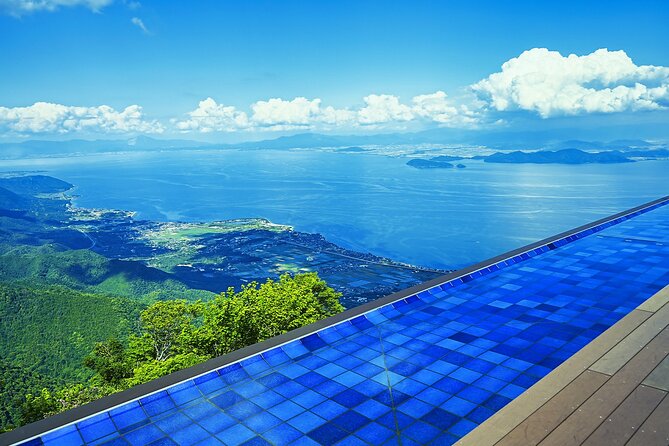
For many months, the tour includes the Lake Biwa Observatory as a key midmorning stop. The schedule gives it about two hours, including free time and optional lunch on your own. The admission ticket is not included, and it’s explicitly called out as available from May 1 to October.
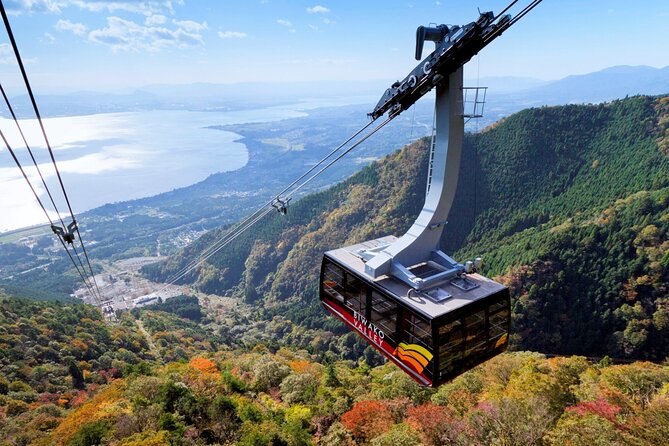
Also, the tour description highlights a very fast-feeling ropeway experience. Cable car and ropeway rides can be a mixed bag on day tours. The upside here is that you’re using the ropeway to gain height quickly, so you’re not spending your day trapped in slow back-and-forth climbing.
The downside is that ropeway/cable car tickets are extra cost. If you’re on a budget, be ready for that. If you’re mostly there for views, you’ll probably feel the value right away once you’re up above the water.
Sanzen-in Temple in Ohara: Zen calm when the ropeway isn’t running
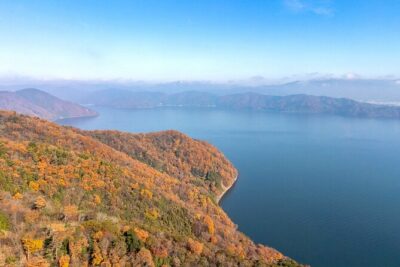
When the calendar shifts to colder months, the tour changes the temple plan. Instead of the Observatory, you visit Sanzen-in Temple, again with about two hours total and time to wander. Admission is listed as not included, with a fee around $5.
Sanzen-in is described as Zen-focused and tied to the Ohara countryside. That matters because Ohara is known for a quieter, garden and temple style of walking compared with the more tour-heavy parts of Kyoto. On a day like this, it gives your route texture. You go from lake scenery into a slower, more meditative pace without having to go far off the circuit.
If you’re the type who likes to step away from crowds, plan to slow down here. Two hours can sound tight, but it’s enough to see key areas, then linger for the parts that feel right.
One caution: the schedule notes Sanzen-in may also be visited on other dates or when ropeway access is closed. That means winter plans can be more flexible than the summer version. If you strongly want a specific viewpoint, check the month you’re traveling and be ready for a seasonal swap.
Mangetsu-ji and Ukimido Floating Hall: the short stop that matters
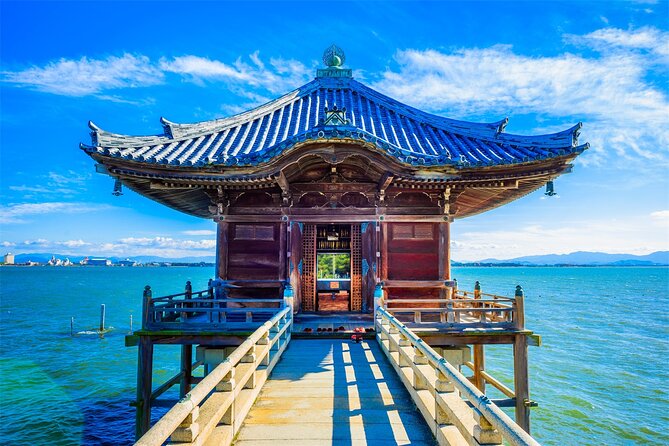
The day’s midafternoon highlight is Mangetsu-ji Temple and its Ukimido Floating Hall. Time here is short, about 30 minutes, and admission is not included, around $2.
This is the kind of stop that works even in a short window. The Ukimido Floating Hall is meant to be seen as a historic scenic spot on Lake Biwa. You get that same theme as Shirahige, shrine on water and architecture shaped by the lake. The difference is the mood. Shrines can feel energetic even when peaceful. Floating halls tend to feel more still, which is helpful after a bus ride.
If you want a clean photo, arrive with a plan. With a small time window, you don’t want to waste your best light chasing a spot only after you’ve watched the group move.
Longer escapes south and east
La Collina Omihachiman: storybook sweets with a real architect behind it
Late in the afternoon, you switch to something fun and easy: La Collina Omihachiman. It’s about one hour, and admission is listed as free.
This place is designed like a storybook sweets village with a grass roof style. What makes it more than just a candy stop is the design credit. The complex is created by architect Terunobu Fujimori, the name your guide can mention and that you’ll see in the vibe. The result is that you don’t just eat sweets, you walk through a themed environment that feels designed, not improvised.
Why I think this stop is worth the time: it gives you a reward you can taste, not just a sight you can photograph. You’re also going to be tired by then, so having a one-hour hangout where you can browse at your own pace helps the day end on a good note.
Photo tip: the grass roof look is best when light is coming in from the side. If the light is flat, still go for it, but expect the photos to look more “cute architecture” than dramatic landscape style.
Price and value: what you pay for, and what you’ll likely add
At about $65.03 per person, the tour is priced to cover the essentials: guide, air-conditioned vehicle, driver, and the big logistical items like fuel, tolls, highway fees, and even over time for the guide and driver.
What’s not included is where your total cost can rise quickly.
- Cable car or ropeway entrance is listed around $28 USD
- Sanzen-in Temple is listed around $5 USD
- Mangetsu-ji Temple is listed around $2 USD
- Food and drinks are on your own, even though lunch is mentioned as optional during free time
So, what’s the honest value? If you want the lake views and the ropeway portion, the added cable car cost is basically part of the deal. If you’re mainly focused on temples and don’t care much about the Observatory or ropeway views, you might feel the admission extras less.
Also watch the season swap. If you go in a month where the Observatory is not part of the plan, you might pay different temple admissions instead. Your final spend depends on the exact dates you travel.
Getting your day to work: timing, traffic, and shared group reality
This is a shared group tour with a maximum of 45 people. That usually means: there’s a pace, you get moved in a group, and your schedule can change a bit based on traffic and weather.
The schedule is a reference, not a promise. On peak weekends or holidays, traffic congestion may happen, and the guide may adjust the itinerary and reduce time at certain attractions. Bad weather can also trigger changes or cancellations.
That flexibility is not always fun, but it’s normal for long day tours in the region. Your best move is to keep the rest of your plans light on both ends of the day. Don’t schedule another activity immediately after the tour, and leave buffer time for getting back to your hotel.
One small detail that’s worth knowing: you receive a mobile ticket, which helps with lineups and meeting up in the morning.
Language coverage: plan for English and Japanese first
The tour includes a multilingual guide, and you’ll likely hear more than one language in the group. Still, be practical. One review noted that the guide was attentive but explanations did not cover Spanish even after checking.
My advice: if you need a specific language, treat English and Japanese as your safest assumptions. Ask your provider ahead of time about language availability for your group. That way you’re not surprised when you’re listening for details and not getting them.
A positive note from the reviews: one guide named Casper stood out for being excellent, which suggests some days run very smoothly and clearly even when language coverage varies.
Who this tour fits best, and who should skip it
I’d point this tour toward people who want a guided, scenic day without having to manage trains, buses, and transfers on their own. It’s especially good if you like mixing iconic views with temple walks, then ending with a fun sweets environment.
Families often like it too because the stops are timed and the route is straightforward. Cultural lovers will also appreciate that the day includes both shrine architecture and Zen temple time, with a seasonal swap depending on weather and ropeway access.
Skip it if you hate long bus days. It’s about ten and a half hours total, and you’re in a group moving between lakeside sights and inland temples. It also may not be ideal if you need your guide to provide explanations in a specific language beyond the most common ones.
Should you book this Lake Biwa day trip?
Book it if you want a single day that covers Lake Biwa’s signature water architecture plus panoramic views, and you’re comfortable paying extra for ropeway or temple admissions. It’s a practical way to see multiple famous spots without building the route yourself.
Skip it or reconsider if you are cost sensitive after add-ons, or if a tight language requirement is a must. Also think twice if you dislike schedule adjustments, because weather and traffic can change how much time you get at each stop.
If you’re flexible and want an easy, scenic sampler day, this is the kind of tour that can leave you with photos you can actually use, plus a few sweet souvenirs you’ll enjoy right away.
FAQ
How long is the Lake Biwa tour?
The total duration is about ten hours and thirty minutes, with drop-off around 6:30 PM.
What time does the tour start?
The first meeting point departure is listed as 8:00 AM, and there are also Osaka and Kyoto start times mentioned as 8:00 AM and 9:20 AM.
What is included in the price?
The tour includes a multilingual tour guide, an air-conditioned tourist vehicle, a professional driver, and fuel, toll, and highway fees, plus over time fees for the guide and driver.
What entrance fees should I expect to pay separately?
Cable car or ropeway entrance is listed around $28 USD, Sanzen-in Temple is listed around $5 USD, and Mangetsu-ji Temple is listed around $2 USD. Food and drinks are not included.
Does the itinerary change by season?
Yes. From November 1, 2025 through April 30, 2026 the tour visits Sanzen-in Temple. From May 1 to October 30 or 31, 2025 the tour includes Lake Biwa Observatory, with Sanzen-in potentially visited on other dates or when the ropeway is closed.
Is the tour free to cancel?
Yes, you can cancel for a full refund up to 24 hours before the experience’s start time. If you cancel less than 24 hours before, the amount is not refunded.
More Tour Reviews in Osaka


Longer Escapes from Osaka
Quieter Courtyards in Osaka

Latest out of Osaka


Osaka Temple & Shrine Visits, side by side.
 ★ 4.9Osaka: Minoh, Katsuoji Temple, & Minoh Falls Full-day TourFrom $135172 reviews
Full Day Kyoto Tour : Bamboo Forest, Golden Temple, Fushimi InariFrom $10584 reviews
★ 4.9Osaka: Minoh, Katsuoji Temple, & Minoh Falls Full-day TourFrom $135172 reviews
Full Day Kyoto Tour : Bamboo Forest, Golden Temple, Fushimi InariFrom $10584 reviews
 ★ 4.9Osaka Temple Cool Foot Bath & Matcha Experience〈45min〉From $3482 reviews
 ★ 5.0Osaka: Mind & Spirit Balance Temple Reiki HealingFrom $16141 reviews
 ★ 4.0Katsuo-ji Temple, Arashiyama Forest, & Nara ParkFrom $9137 reviews
 ★ 4.7Osaka: Minoh Waterfall & Katsuo-ji Temple Half-Day TourFrom $4727 reviews
 ★ 5.0Osaka Half-day E-bike Adventure: Minoh Falls & Katsuoji TempleFrom $3425 reviews
 ★ 5.0Osaka Temple Head Spa &Matcha Facial – Refresh & Glow〈90min〉From $14124 reviews
Also worth a look in