
REVIEW · KYOTO EXCURSIONS FROM OSAKA
Osaka: Kyoto & Nara & Uji Historical and Scenic One-Day Tour
Torii gates in the afternoon, deer at lunch.
I love the tight, practical way this tour links Nara, Uji, and Kyoto without you needing to figure out trains or transfers. Two things I especially like are the chance to meet Nara deer in the park and the guided route that keeps the day from turning into random wandering.
One possible drawback to plan for: you’re moving by bus for a big chunk of the day, so if you hate travel time or want long stops at every site, the attraction windows can feel short.
Key Things That Make This Tour Work
- Nara Park deer time, with guidance so feeding stays safe and respectful
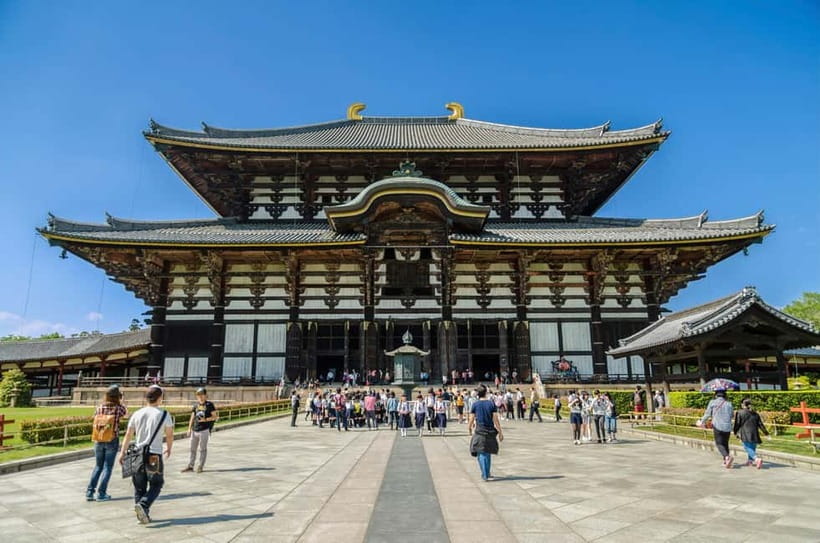
- Todaiji Temple viewing the giant bronze Vairocana Buddha with a quick, clear game plan
- Uji matcha culture, including tastings at Uji Matcha Food Street and time around the river
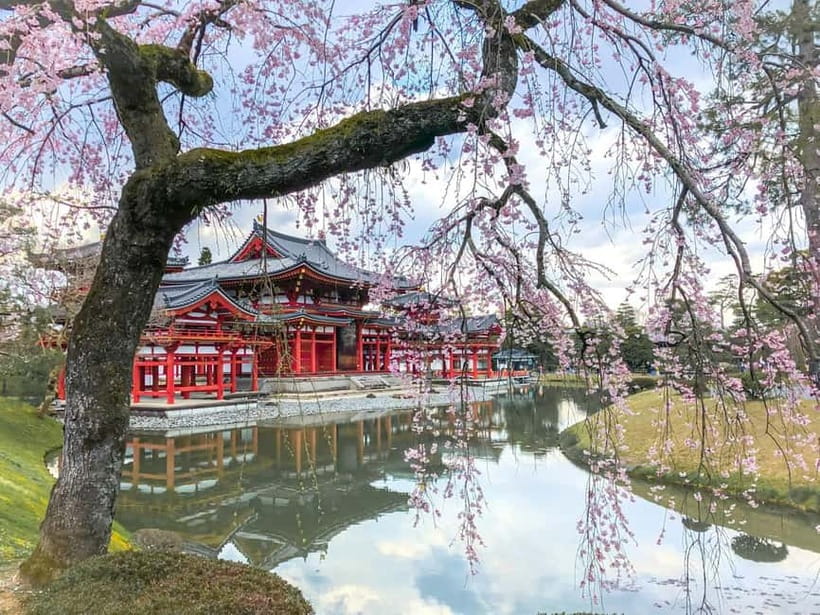
- Byodoin Temple for that quiet, solemn feel in a limited schedule
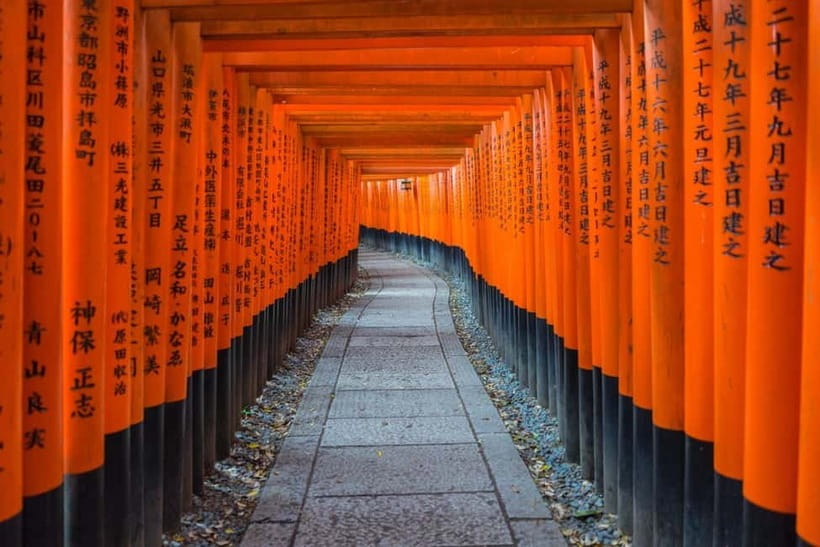
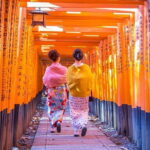
- Fushimi Inari Taisha during a dedicated 70-minute walk and photo stop through the torii corridor
How the Osaka, Kyoto, Nara, Uji Loop Changes Your Day
This is a one-day sampler of three major stops people chase when they’re in Kansai: Nara’s deer and temples, Uji’s matcha atmosphere, and Kyoto’s shrine spectacle at Fushimi Inari. The big win is simplicity. You get a guided route plus round-trip vehicle, which means you spend your energy on the sights, not on navigating.
The timing is built around “enough time to feel it,” not “slow travel.” You’ll get free time at Nara Park, structured sightseeing at Todaiji, a longer block for Uji, then a focused finish at Fushimi Inari Taisha. For most people, that balance is exactly what a day trip should be.
If you like deep, long museum-style pacing, you may wish the stops were longer. But if you want to check major icons off while still leaving room to move and photograph, this schedule makes sense.
Other Kyoto days, compared
Pickup, Getting on Time, and Managing the Long Road
Plan for a full day, about 8 to 10 hours depending on the starting option and conditions. You’ll use an air-conditioned vehicle with tolls, parking fees, and fuel included, which is one less bill and one less headache.
Two practical timing notes matter:
- Arrive at the meeting point 15 minutes early so the group doesn’t bunch up.
- If pickup is included, wait in the hotel lobby 10 minutes early. Pickup details are emailed by 8:00 pm the night before.
Also, the day can run slightly differently due to weather, traffic, or unforeseen delays. That’s not unusual in Japan, but it means you should keep your expectations flexible. If you’re the type who gets stressed when timelines shift, bring a calmer mindset.
A quick reality check: one review flagged that there can be a lot of time on the road compared with time inside the attractions. I treat that as a planning signal. If you’re coming mainly for one site, like Fushimi Inari, this tour can still work, but you might want extra time in Kyoto on another day too.
Nara Park Deer: the Photo Moment Plus the Safety Part
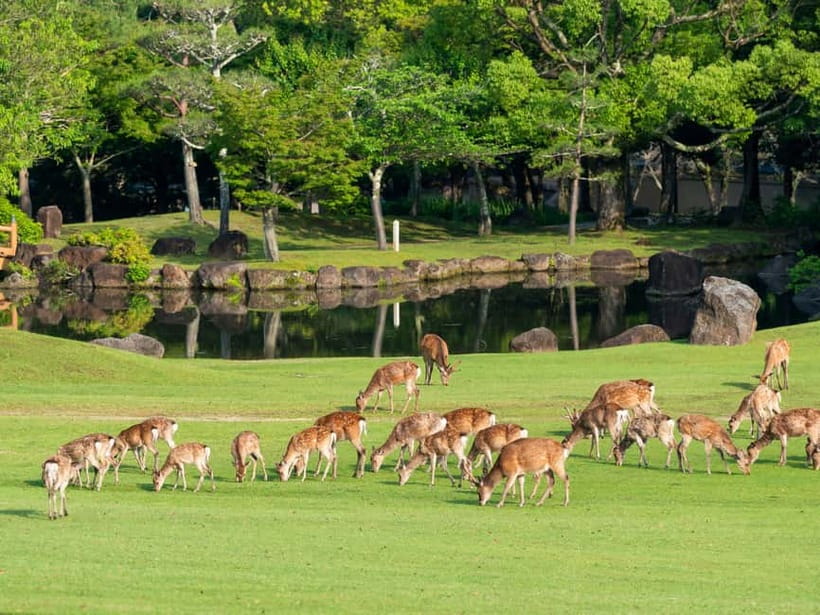
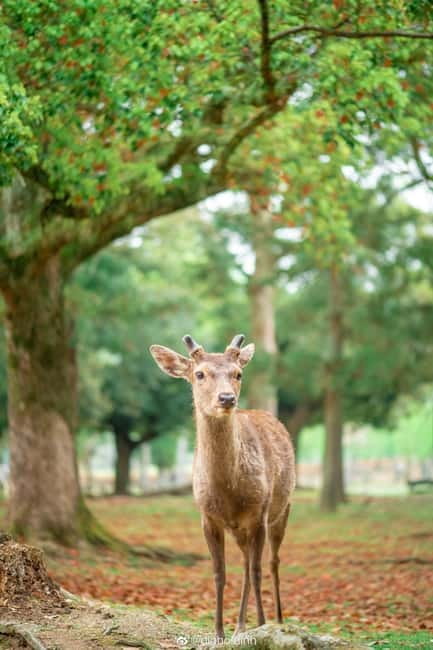
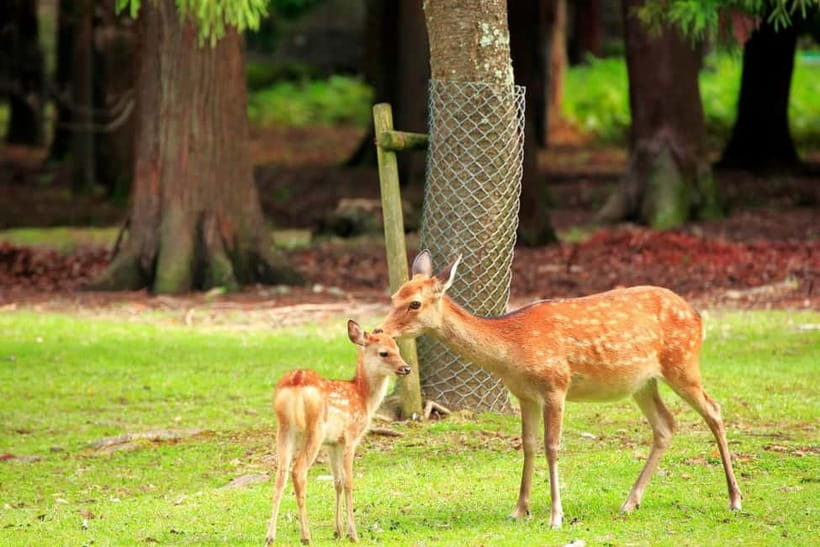
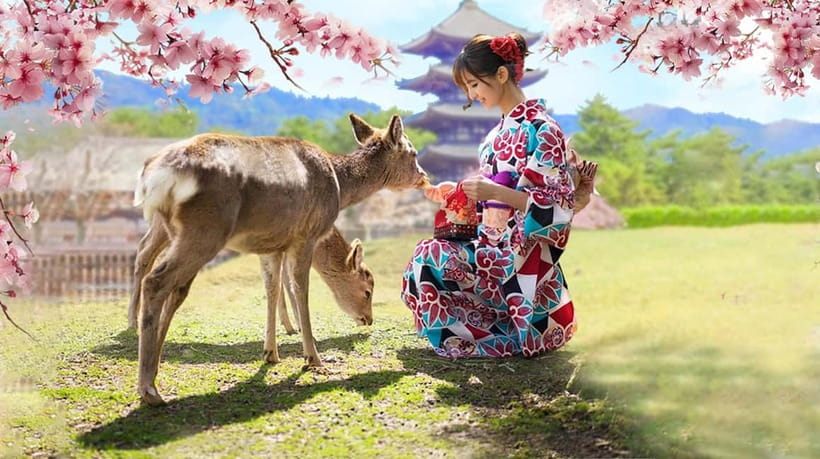
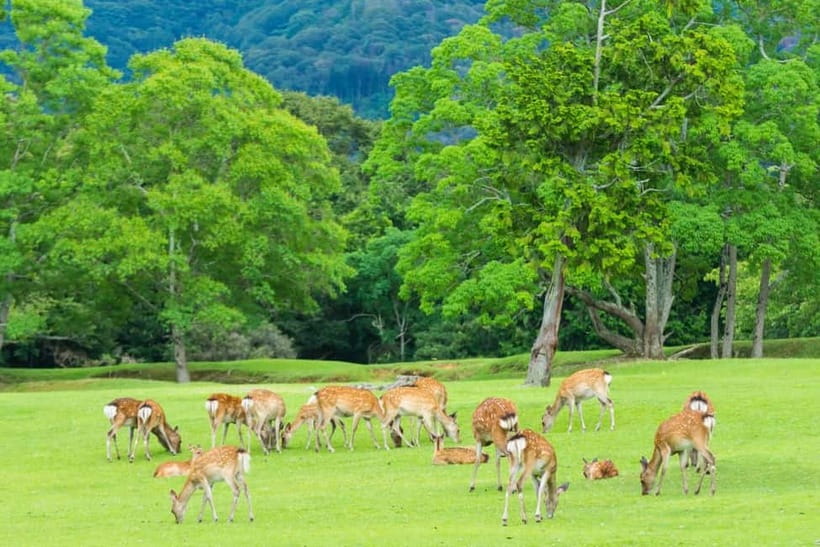
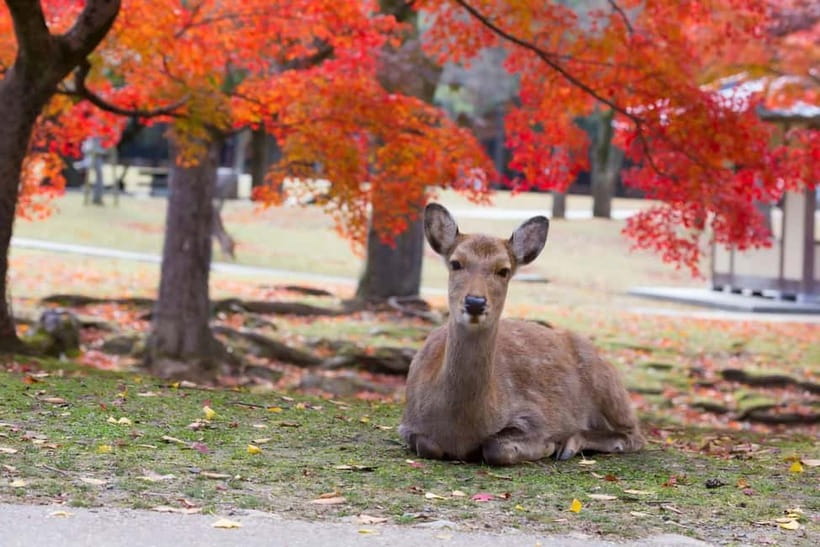
Nara Park is where the tour starts to feel like Japan rather than just a checklist. You get 45 minutes of free time in the park, which is enough to walk around, take photos, and interact with the deer.
These deer are wild animals, so follow the guide’s instructions closely when feeding them. That matters not just for safety, but for keeping the deer calm and the experience enjoyable. If you have animal allergies, this tour is not suitable, and if you need to avoid close contact with animals, you’ll probably feel uneasy here.
What I like about this setup is that it isn’t a rushed “look and go.” You get real space to wander a bit. Nara deer also tend to cluster around accessible areas, so you usually don’t need a map to find the action. Bring water and wear shoes that handle uneven park paths.
Tōdai-ji in 30 Minutes: Seeing the Giant Buddha Without Getting Lost
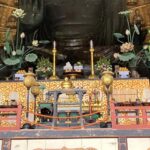
Next up is Tōdai-ji, with 30 minutes for sightseeing. Even in a short window, the goal is clear: experience the World Cultural Heritage site and see the iconic huge bronze statue of Vairocana Buddha.
This is one of those places where guidance really helps. With limited time, you want to know what to look for first, where to stand for the best sightline, and what to notice as you move through. The tour description emphasizes the solemn feel and the scale of the Buddha statue, and the guide’s job is to translate that into a “see it, understand it, don’t waste time” path.
A drawback to keep in mind is the time limit. You won’t do a slow circuit of every corner. If you love architectural details and want to read everything at length, you’ll likely want to return later. For a day tour, though, 30 minutes can be enough to leave with a real impression.
Uji River Walk and Murasaki Shikibu: Why Uji Feels Different
You then move into Uji, where you get 2 hours of sightseeing. Uji is smaller and more relaxed than the big-name Kyoto districts, so the mood shifts. You stroll along the Uji River, which is a natural reset between temple intensity and shrine crowds.
The tour also stops for sightseeing at the Statue of Murasaki Shikibu and includes Kyoto Prefectural Uji Park. Those add a slightly cultural and scenic layer, not just food and temples.
If you’re thinking, why include a statue and a park on a day trip? Here’s why I think it matters: it breaks up the “temple, temple, torii” rhythm. It gives you a calmer pause where you can look around, take photos without fighting dense crowds, and then head into the matcha portion with a fresh pace.
More runs out to the deer park
Matcha Time at Uji Matcha Food Street and the Tea Ceremony Feel
Uji is famous for matcha, and the tour leans into that with time around Byōdō-in Omotesandō and Uji Matcha Food Street.
You’ll have a chance to taste authentic matcha desserts at the food street. The tour also highlights the leisurely charm of a traditional tea ceremony experience. I treat that as a gentle, cultural add-on: not a heavy classroom moment, more like a way to understand why matcha is tied to ritual and everyday aesthetics in this region.
This is also where you can manage your day practically. If you need a snack, this is your moment. Since meals and beverages are not included, having food time in the itinerary is important. Budget a bit extra for desserts and drinks.
One more practical note: Uji is popular for food, so you’ll likely be surrounded by other visitors. If you want quieter tasting, go with the flow but avoid trying to eat the exact instant every group pauses.
Byōdō-in Temple: The Tranquil Contrast
After the matcha portion, the tour includes Byōdō-in Temple. The experience is described as tranquil and solemn, and in practice that usually means you’ll notice the pace changes when you step onto the temple grounds.
Even without getting lost in details, Byōdō-in’s atmosphere is part of what makes Uji worth a stop. It’s a different emotion than Nara’s deer energy and different from Fushimi Inari’s bright red corridors.
Because the tour does not include admission for Byōdō-in Temple, I recommend budgeting extra for temple tickets. Plan for a short but meaningful stop, not a full-length temple study session.
Fushimi Inari Taisha: Thousand Torii in a 70-Minute Window
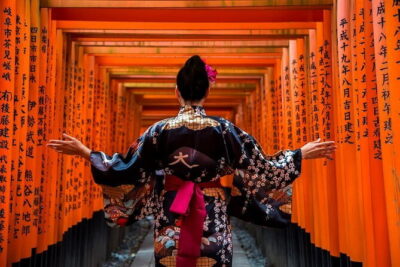
The day ends at Fushimi Inari Taisha, with a dedicated 70 minutes that includes a break time, photo stop, free time, sightseeing, and a walk.
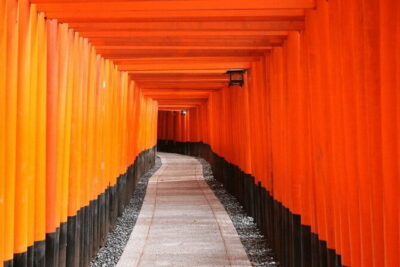
This is the part most people picture, and for good reason. The tour description calls out the red torii gates forming a Thousand Torii Corridor, with sunlight creating a mysterious atmosphere as you walk. In plain terms, it’s dramatic, photogenic, and a little mesmerizing when you’re moving through the torii rows.
Here’s how to make the 70 minutes feel longer:
- Start by taking a few “anchor photos” early at eye level.
- Then walk at a steady pace and let your eyes do the work.
- Save your bigger camera moments for spots where the torii line up cleanly.
Also, since this is a shrine area with lots of stairs and paths, keep your shoes in mind. The tour notes a moderate amount of walking, and Fushimi Inari usually does more walking than you expect.
The Guide Makes the Difference, Especially When Time Is Tight
A big reason this tour earns strong ratings is the guide. One UK review praised a guide for humorous, vivid, detailed explanations that helped make sense of what you’re seeing. Another mentioned a guide named Mia as knowledgeable, with good local tips on where to shop.
There’s also a practical modern touch: one review said the guide used WhatsApp to connect with the group throughout the trip. That’s a real quality-of-life benefit because it helps everyone stay aligned when schedules shift slightly.
I’d treat the guide as your time manager. If you’re unsure where to stand or what to watch first, ask. And if you get separated, the WhatsApp style communication can help you reconnect faster than relying on luck.
Price and Value: What You Get for $56 and What to Budget
At $56 per person for an 8 to 10 hour day, the value comes from logistics. Included items are:
- English-speaking tour guide (Chinese and English are listed)
- Round-trip transportation by air-conditioned vehicle
- Toll fees, parking fees, and fuel fees
Not included:
- Admission to Tōdai-ji and Byōdō-in
- Meals and beverages
- Other personal expenses
So how do you judge value? You’re essentially paying to:
- Save time and stress on getting between Osaka or Kyoto areas and the day trip sites.
- Buy someone else’s route planning and onsite interpretation.
- Get a vehicle that handles traffic and logistics so you can focus on the sights.
If you planned to do this on your own, you’d still spend real money on transport and you’d likely lose time figuring things out. The tradeoff is exactly what one review hinted at: you may spend enough time driving that the attraction time can feel compact. Still, for first-time visitors who want Nara, Uji, and Fushimi Inari in a single day, this is a straightforward deal.
Who This Tour Suits Best, and Who Should Skip It
This tour fits best if you:
- Want a guided, efficient route through Nara, Uji, and Fushimi Inari
- Prefer not to deal with train schedules and transfers
- Like food culture as much as temples and shrines
- Are okay with a moderate walking day
It may not suit you if you:
- Need wheelchair access. The tour is listed as not suitable for wheelchair users.
- Have animal allergies, because you’ll visit Nara deer areas.
- Are traveling with infants, strollers, or large luggage. The operator asks you to indicate it when booking so they can arrange suitable transportation, and Japanese traffic laws count babies as passengers.
- Are pregnant or 70 and above, since you may need to sign a travel waiver upon arrival.
One more small practical tip: bring water and wear comfortable shoes. The day includes walking in shrine areas and park paths, and that matters more than you think when you’re crisscrossing multiple districts.
Should You Book This Osaka, Kyoto, Nara, Uji One-Day Tour?
If you want one day to cover the big icons and key vibes, I think this tour is a solid pick. You get a clean hit list: Nara deer, Tōdai-ji’s Vairocana Buddha, Uji matcha culture, Byōdō-in Temple, and Fushimi Inari Taisha.
Book it if you like guided pacing, appreciate matcha and temple atmosphere, and don’t mind that the day includes driving time. Consider booking a separate half or full day in Kyoto later if you want more time at a single site, because a day trip window is always limited.
For first-time Kansai visitors, or anyone who wants less planning and more seeing, this is a practical way to experience Osaka area convenience while still hitting Nara, Uji, and Kyoto’s torii spectacle.
FAQ
How long is the Osaka, Kyoto, Nara, Uji historical and scenic one-day tour?
The duration is about 8 to 10 hours, depending on the selected starting option and conditions like traffic or weather.
Are temple admissions included for Tōdai-ji and Byōdō-in?
No. Admission to Tōdai-ji and Byōdō-in is not included.
What language will the tour guide speak?
The live tour guide provides Chinese and English.
What should I bring for the tour?
Bring comfortable walking shoes and water.
What is included in the tour price?
The price includes an English-speaking tour guide, round-trip transportation by air-conditioned vehicle, toll fees, parking fees, and fuel fees.
Is there any free time during the day?
Yes. You have free time at Nara Park, and you also get break time and free time at Fushimi Inari Taisha.
How long do we spend at Fushimi Inari Taisha?
You get about 70 minutes, including a photo stop and time to walk and explore.
Is the tour suitable for wheelchair users?
No. The tour is listed as not suitable for wheelchair users. It is also not suitable for people with animal allergies due to the deer area in Nara Park.
Longer Escapes from Osaka


More Mornings with the Deer

The Kyoto Shortlist: Other Days East


Latest out of Osaka


Kyoto Excursions from Osaka, side by side.
 ★ 4.7Osaka/Kyoto: Hiroshima Miyajima Bus Tour & Shinkansen TicketFrom $277919 reviews
 ★ 4.5From Kyoto/Osaka: Kyoto Top Highlights 1-Day Guided Bus TourFrom $51714 reviews
 ★ 4.5Ancient Capital Tour: Kyoto and Nara Highlights from Kyoto/OsakaFrom $90332 reviews
 ★ 4.6Osaka/Kyoto: Amanohashidate & Miyama Tour with Boat & LunchFrom $71207 reviews
 ★ 4.0Kyoto and Nara Day Trip from OsakaFrom $198175 reviews
 ★ 3.5From Osaka or Kyoto: Kyoto and Nara 1-Day Bus TourFrom $64141 reviews
 ★ 4.8Volleyball in Osaka, Kobe & Kyoto with locals!From $6131 reviews
 ★ 5.0Full Day Tour of Kyoto with Private TransportationFrom $247130 reviews