
REVIEW · KYOTO EXCURSIONS FROM OSAKA
Osaka: Kyoto & Uji Historical Sites and Scenic Delights Tour
Kyoto and Uji in one tight day.
This 10-hour tour is a good way to pack in Kyoto’s most famous temple sights and still end in Uji, Japan’s matcha home. I like that you get a professional English guide and an A/C coach to handle the hard parts, then you spend real time wandering on your own. You do need to be comfortable with crowds and moderate walking, because the schedule focuses on classic stops.
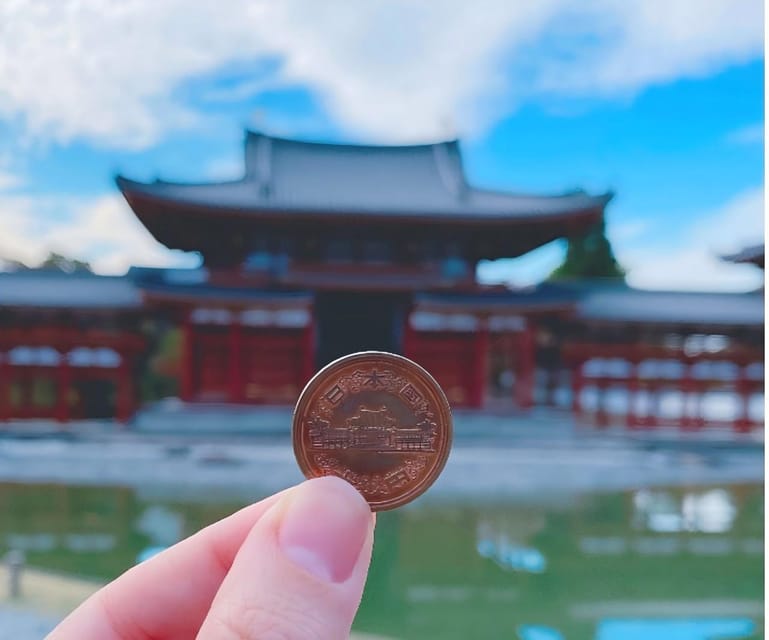
I especially like how the tour makes Kinkaku-ji and Uji’s Byodo-in feel doable in a single day. The guide’s commentary (including history and practical tips at each site) helps you understand what you’re seeing fast, including why Byodo-in’s Phoenix Hall shows up on the 10-yen coin and 10,000-yen note.
One watch-out: Ninenzaka can be extremely touristy and focused on quick snacks and souvenir shopping.
Key Things That Make This Tour Worth Your Time
- Kinkaku-ji, the Golden Pavilion, with a UNESCO World Heritage context and a short photo window that still feels efficient
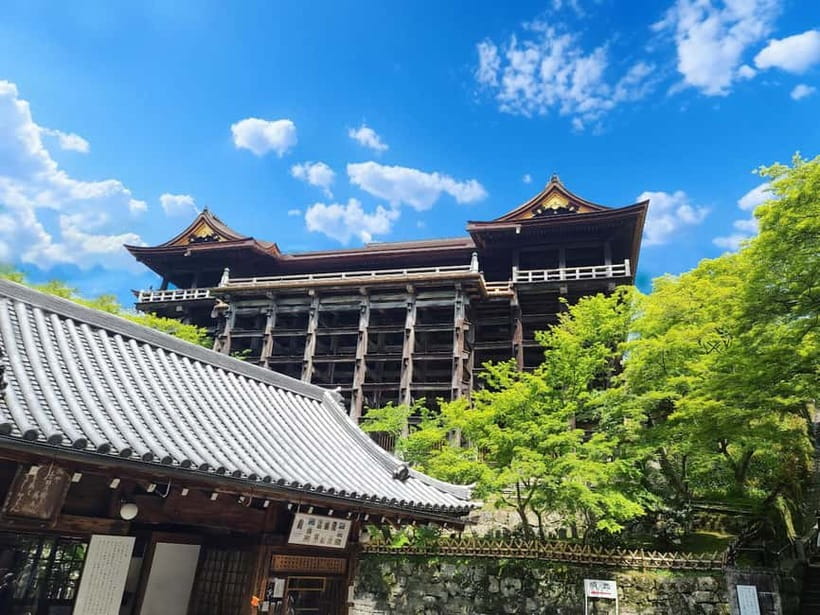
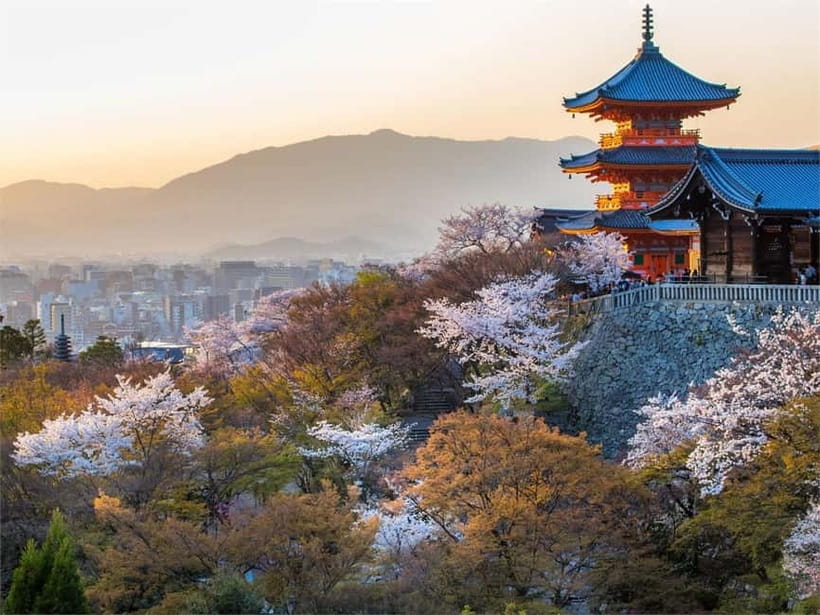
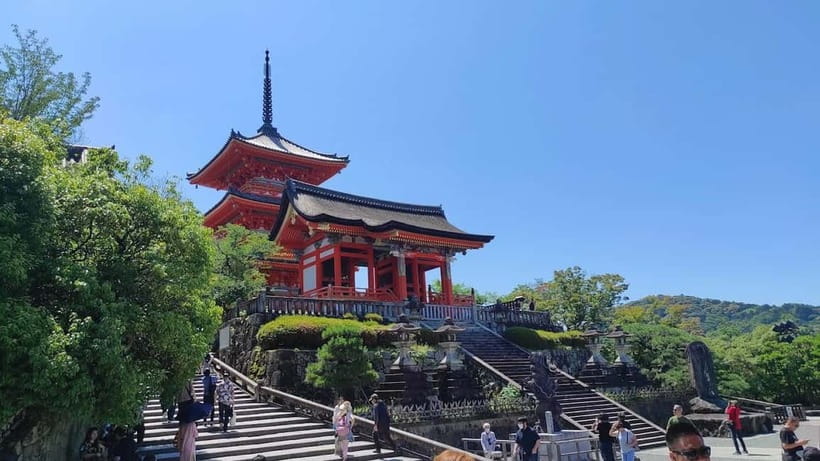
- Kiyomizu-dera plus the Kiyomizu Stage, giving you that signature overlook of Kyoto
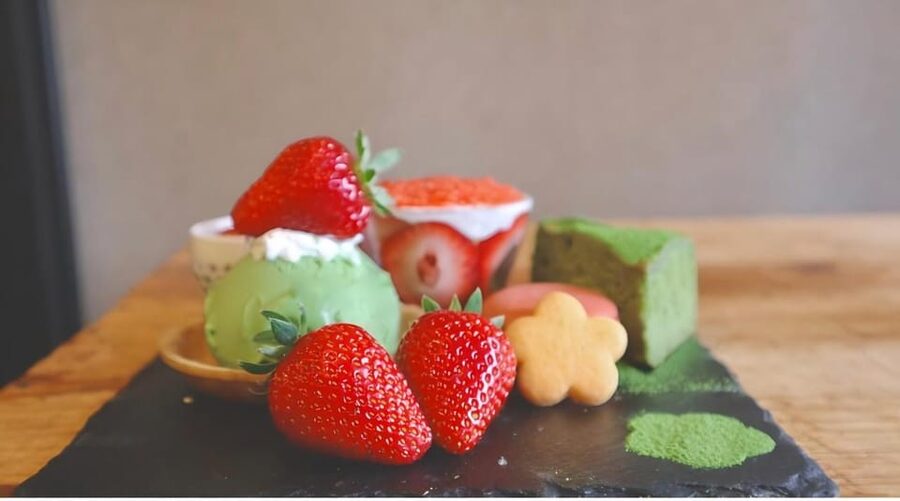
- Ninenzaka walk, where you can try Kyoto street treats like matcha ice cream and stop at MASUDA Tea Shop for coffee
- Yasaka Koshindo (multicolored balls), a popular religious stop and a recognizable Detective Conan backdrop
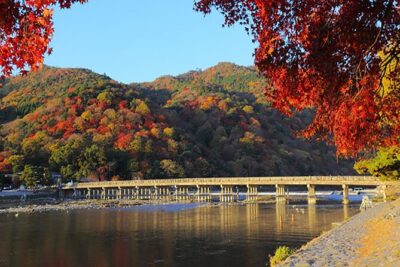
- Uji River and Bridge, plus Uji’s tea-town vibe that changes the pace from Kyoto’s main streets
- Byodo-in Omotesando, where you get a temple-photo moment tied to Japanese currency and a nearby local food street
Why This 10-Hour Kyoto And Uji Day Trip Works From Osaka
If you only have one day, Kyoto can feel like a puzzle. Too many temples, too many neighborhoods, and too little time to figure out routes between them. This tour solves that by chaining the big sights into a single, guided flow, with the bus doing the long travel leg and you doing the walking.
The smart part is the mix of famous landmarks and an actual change of scenery in Uji. Kyoto stays intense and crowded, but Uji slows things down with the smell of tea and the calmer river setting. You finish with Byodo-in, which is visually iconic and also easy to connect to what you’ve seen in Japan before, even if you never planned on going there.
At $54 per person for a 10-hour day with a guide and transportation, the value is mostly about time saved. You are not paying for a private driver and you are not trying to compress multiple temple admissions and train transfers alone. Your tradeoff is that you cannot linger forever at every stop.
Other Kyoto days, compared
The Timing: Getting Off The Bus And Into The Sights Fast
Departure is 8:00 AM from Osaka and 9:00 AM from Kyoto, with pickup depending on the option you book. You’re told to arrive 15 minutes early, and that matters. These tours run on a tight schedule, and missing the rendezvous means you miss the start.
The travel portion includes a bus/coach ride of about 2 hours, so you’re not stuck in transit all day. Once you arrive, the tour leans into short, targeted time blocks. Some stops are “photo stop plus self-guided exploring,” while a couple are longer walking windows.
That structure is ideal if your goal is to hit the key temples and still enjoy side streets. It’s less ideal if you want deep, slow temple experiences with lots of spare time to chase quiet corners.
Kinkaku-ji Golden Pavilion: What You Gain In 40 Minutes
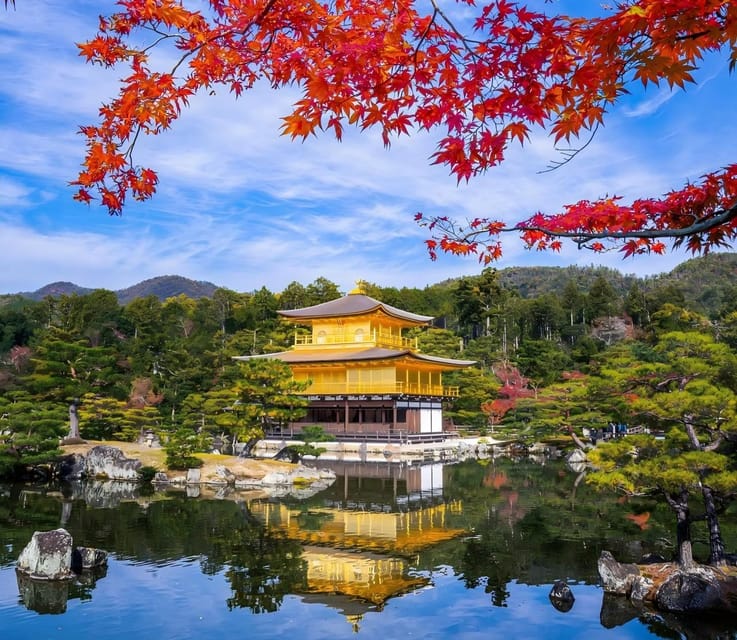
Kinkaku-ji, the Golden Pavilion, is a UNESCO World Heritage site and the kind of place you instantly understand from a glance. The structure is famous for the gold-leafed Shariden Hall, and even a short stop lets you see why it’s so widely photographed.
In the allocated time you get a self-guided sightseeing window of about 40 minutes, which is enough to:
- orient yourself on the pond and pavilion view lines
- take a few photos from angles that look different depending on where you stand
- read the basics about what you’re looking at without feeling rushed
The key is managing expectations. This is one of Kyoto’s busiest temple icons, so you’ll likely share space with other people aiming for the same views. Your best move is to focus on composition and details, not just “getting the shot.”
Also, temple admission is not included. Plan on paying separately at the site, and factor that time into your mental schedule.
Kiyomizu-dera And The Kiyomizu Stage: Views You Can Feel
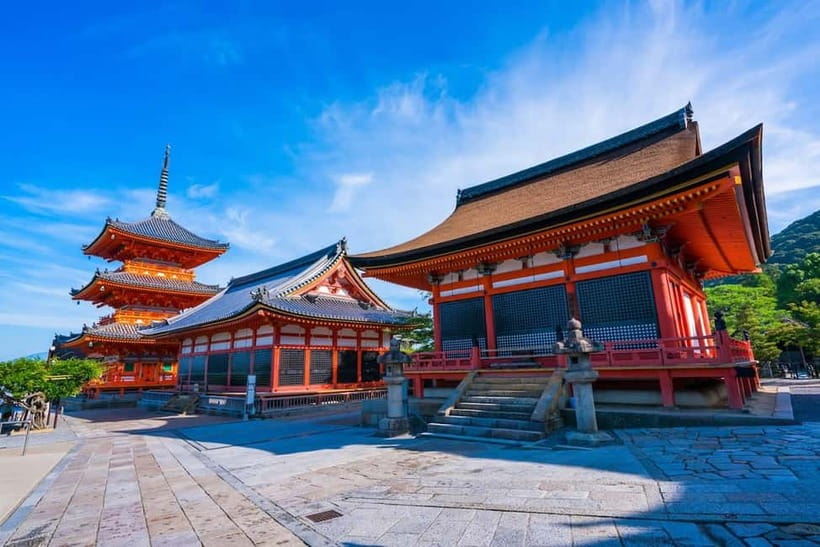
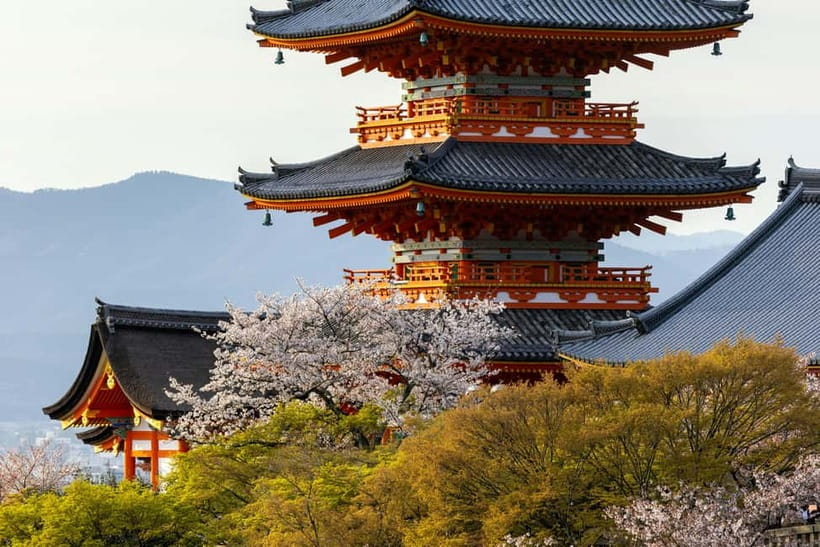
Next is Kiyomizu-dera, an ancient temple that is both a national treasure and UNESCO site. What makes it special for most first-timers is the Kiyomizu Stage, famous for the panoramic views out over Kyoto.
You’re given about 2 hours 40 minutes at Kiyomizu-dera, labeled as a self-guided exploration time with a photo stop element. That’s meaningful. It gives you breathing room to move at your pace, duck into smaller areas, and still make it back toward the big view moments.
Practical reality: expect crowds. Even if you do not love photo lines, you’ll want to step into the stage area early enough to get a clear look and to understand the layout before it becomes shoulder-to-shoulder.
Admission to Kiyomizu-dera is also not included, so this is a good spot to mentally switch from “tour time” to “pay and enter time.” The guide can help you know what to prioritize, but you’ll still handle your entry on site.
Ninenzaka And Kyoto Snack Stops: Traditional Streets With Modern Price Tags
After the temple, you walk the historic streets of Ninenzaka, a traditional path tied to getting to Kiyomizu-dera. This is where Kyoto feels less like a list of landmarks and more like a lived-in place with small shops and quick bites.
You get time for shopping and walking here, and it’s built for browsing. The tour specifically points you toward food options like matcha ice cream and mentions MASUDA Tea Shop for coffee.
Here’s the value and the drawback. The value is atmosphere: old-street lanes, small storefront rhythm, and snacks that are easy to share. The drawback is that parts of Ninenzaka can get extremely touristy, with crowds and a concentration of souvenir items. If you’re trying to find calm, local craft stores, you may feel like you’re wading through a crowd that moved in for the photos.
My advice: treat Ninenzaka as a snack-and-stroll zone. Pick one food item you’re excited about, walk the lane once for the vibe, and don’t over-plan your shopping budget here.
Longer escapes south and east
Yasaka Koshindo: The Multicolored Balls Shrine Moment
Next is Yasaka Koshindo, another self-guided stop with a photo stop focus. This is famous for its multicolored balls and a strong religious presence that feels different from the entertainment-like tone of some street shopping areas.
You also get a pop-culture connection. The tour notes this spot as a known backdrop for scenes from Detective Conan. Even if you are not a fan, that detail is helpful because it gives you a mental shortcut to recognize what people flock here to see.
In practice, this is a great break point. It’s not another “big ticket” temple view, so it can feel like a palate cleanser between crowded icons. It’s also an opportunity to look at the shrine details and how visitors behave there, because the atmosphere is clearly focused on prayer and offerings rather than just photos.
Uji River And Tea Town Pace Change: A Different Side of Kansai
Then the tour shifts gears to Uji, known as the birthplace of matcha. The difference is not just branding. You’re walking in an area where tea is part of everyday identity, and the tour describes the air as perfumed with tea scent, which is the kind of thing you only notice when you slow down.
You get about 100 minutes in Uji, with a photo stop and self-guided sightseeing and walking. During this time you’ll see:
- the Uji River and Bridge, which are a scenic change from Kyoto’s tighter streets
- a chance to visit one of the region’s older shrines
This segment is valuable because it gives you a breather from Kyoto’s heavy crowds. Even if you are moving fast, the river backdrop and the tea-town vibe make the photos feel different. It also helps you connect Uji to Kyoto in a meaningful way, because matcha ties the region together culturally.
Byodo-in Temple And Phoenix Hall: The Coin Moment You Can’t Unsee
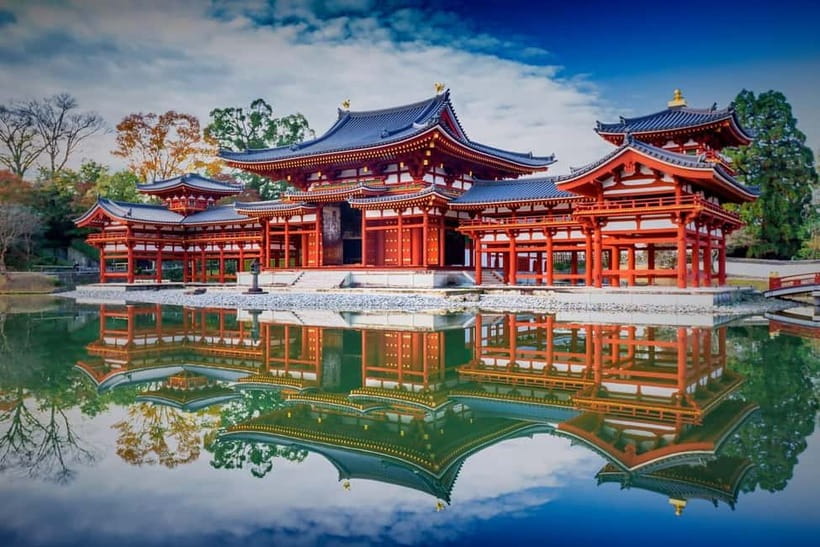
Byodo-in is the big finale. It’s a UNESCO World Heritage site and is known for the Phoenix Hall, the image shown on Japan’s 10-yen coin and 10,000-yen note. That fact alone makes the stop click, because you’ll recognize the shape even if you’ve never studied Japanese art.
You’ll have a photo stop and sightseeing window, self-guided. This is where your earlier temple context helps. By the time you reach Byodo-in, you’ve already seen Kinkaku-ji and Kiyomizu-dera, so it’s easier to compare how different temple styles express Japanese spirituality and aesthetics.
Right next to it is Byodo-in Omotesando, described as a street full of local delicacies. This is where the day can feel complete. You’re not just leaving with temple photos. You can also snack and browse right where locals are walking.
Admissions are not included here either, so remember that you’ll likely pay to enter the temple grounds. If you want souvenirs or food, keep some flexibility, because this area encourages lingering.
Getting Around: Bus Comfort, Footwear, And Real Time Limits
The tour uses a comfortable vehicle with A/C, and that matters on a full day. You sit, you reset, and you go again. The itinerary is built around short walking and photo moments, but there’s still a moderate amount of walking across multiple stops.
Bring comfortable shoes. That’s not generic advice. When you’re doing temple stairs, old street slopes, and crowded viewpoint areas, you want traction and support. The tour also suggests comfortable clothes, which is a good reminder that you’ll be outside for much of the day.
You also have a practical advantage: your guide handles the flow, so you’re not charting routes on the fly. You’ll know when to regroup, and you avoid the risk of getting stuck trying to figure out trains mid-day.
Who This Tour Is Best For (And Who Should Skip It)
This day trip is a strong fit if you want a high-impact highlights route without spending your morning figuring out transportation. It’s also ideal if you like learning basics quickly at each stop, since the tour includes a professional English-speaking guide and the time at each location is structured so you’re not wandering aimlessly.
It’s also a decent option for people traveling solo or as a pair, because you get shared guidance while still having self-guided time at each site.
Who should skip it? The tour lists that it is not suitable for pregnant women, people with back problems, mobility impairments, and wheelchair users. If you fall into any of those categories, you’ll likely want a gentler option with more flexibility and fewer walking transitions.
If you’re 70 or older, or you’re pregnant, there’s a note about signing a travel waiver upon arrival. That’s a real-world detail worth planning for.
Value Check: What You Pay For Versus What You Still Handle
At $54 per person for 10 hours, you’re paying mainly for:
- a guide who helps you make sense of multiple top-tier sites
- round-trip transfers from your meet-up location
- bus transportation with A/C
- taxes, parking, tolls, and other fees covered
What you still handle:
- meals and beverages (not included)
- temple admissions for Kinkaku-ji, Kiyomizu-dera, and Byodo-in (not included)
- personal shopping and snacks
That admission detail changes the math slightly. If you would have paid those tickets anyway, you’re fine. If you’re on a strict budget and hoping everything is bundled, you’ll want to plan for those extra charges up front.
Should You Book This Tour?
Book it if you want a guided day that hits Kyoto’s most recognizable temple names, plus Uji’s tea-town change of pace, without worrying about routes. I think it’s especially worth it when you care about efficiency and guidance, and you’re okay with crowds at the marquee stops.
Skip it if you hate touristy streets and you want calm, slow exploring. Also skip it if walking is a problem for you, since the tour is built for moderate walking across several locations and viewpoint areas.
If you go, my best advice is simple: wear good shoes, pick one or two snack buys you genuinely want, and treat Ninenzaka like a short stroll rather than a shopping marathon. That way, the day stays fun, not frantic.
FAQ
What time does the tour depart from Osaka and Kyoto?
Departure is at 8:00 AM from Osaka and 9:00 AM from Kyoto. The instructions say to arrive at the meeting point 15 minutes before departure.
How long is the tour?
The duration is 10 hours.
Where can I get on, and where can I get off?
Pickup and the meeting point can vary depending on the option booked. At the end of the tour, you have flexibility to disembark in Kyoto or continue your journey to Osaka.
Does the price include admission to the temples?
No. Admission to Kinkaku-ji Temple, Kiyomizu-dera Temple, and Byodo-in Temple is not included.
Is there an English-speaking guide?
Yes. The tour includes a live tour guide who speaks English.
What’s included in the tour cost?
It includes a professional English-speaking guide, comfortable A/C vehicle, round-trip transfers to and from the meet-up location, and all taxes, parking, tolls, gas, and environmental fees.
What should I bring for the day?
Bring comfortable shoes and comfortable clothes. Smoking is not allowed.
Is the tour refundable if I cancel?
Yes. Free cancellation is available up to 24 hours in advance for a full refund.
Are there restrictions on who should book this tour?
The tour is listed as not suitable for pregnant women, people with back problems, people with mobility impairments, and wheelchair users. Customers who are pregnant or aged 70 and above are respectfully requested to sign a travel waiver upon arrival.
More Tour Reviews in Osaka


Longer Escapes from Osaka

The Kyoto Shortlist: Other Days East

Latest out of Osaka


Kyoto Excursions from Osaka, side by side.
 ★ 4.7Osaka/Kyoto: Hiroshima Miyajima Bus Tour & Shinkansen TicketFrom $277919 reviews
 ★ 4.5From Kyoto/Osaka: Kyoto Top Highlights 1-Day Guided Bus TourFrom $51714 reviews
 ★ 4.5Ancient Capital Tour: Kyoto and Nara Highlights from Kyoto/OsakaFrom $90332 reviews
 ★ 4.6Osaka/Kyoto: Amanohashidate & Miyama Tour with Boat & LunchFrom $71207 reviews
 ★ 4.0Kyoto and Nara Day Trip from OsakaFrom $198175 reviews
 ★ 3.5From Osaka or Kyoto: Kyoto and Nara 1-Day Bus TourFrom $64141 reviews
 ★ 4.8Volleyball in Osaka, Kobe & Kyoto with locals!From $6131 reviews
 ★ 5.0Full Day Tour of Kyoto with Private TransportationFrom $247130 reviews
Also worth a look in