
REVIEW · OSAKA BACKSTREETS & HIDDEN GEMS WALKS
Make Ramen and Gyoza with Homemade Secret Recipe
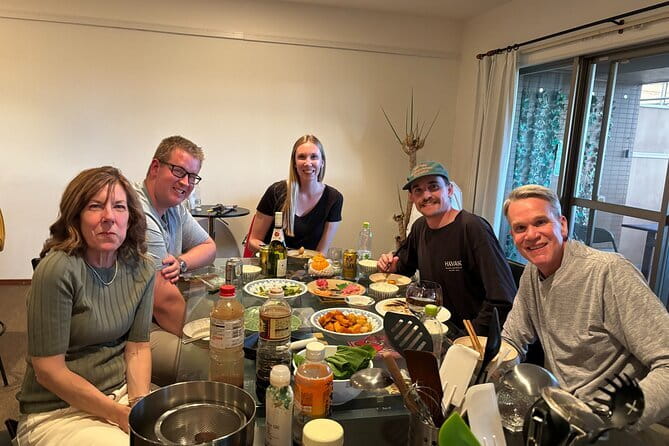
Ramen tastes better when you knead it. This class lets you make ramen and gyoza for real, not just watch, and you choose the soup flavor base as part of the process. I love that it is hands-on from noodle-making to gyoza pan-frying, and I also like how you finish by eating what you made with time to take photos. One thing to consider is that it is a true cooking lesson, so you will get flour, heat, and fast steps, and you should be ready to work.
You meet at Matsuyamachi Station (about a 5-minute walk away from the studio area), then head into a small, studio-style setup. The class runs about 2 hours 30 minutes and caps at 15 people, so you get more attention from the chef team. If you want family-friendly, indoor Osaka fun, this is a solid pick, especially when the weather is trying to ruin your plans.
If you have allergies or vegetarian needs, plan ahead. The experience asks you to inform them at booking, and the chef team has shown they can adapt (including vegetarian gyoza when requested). The main drawback is that drinks are not included, so bring water comfort expectations, and know alcohol or beverages would be extra.
Quick reasons to go
- Choose your ramen soup base: soy sauce, miso, or salt, so you control the flavor direction.
- Use a noodle-making machine: you are not guessing, you are learning a real technique.
- Gyoza from filling to pan-fry: you handle the steps, not just shape dumplings.
- Half-rice ramen with gyoza: a very Japanese “make it a meal” finish, with a take-and-try vibe.
- Small group energy: up to 15 people, with hands-on teaching from chef Shohei and support from Marie.
- Take-home goodies: recipes and a cooking chopsticks souvenir, plus the photos moment while everything is fresh.
From Matsuyamachi Station to a working kitchen
This experience starts right by transport, at Matsuyamachi Station in Osaka. The meeting point is listed at 2 Chome-6 Andojimachi, Chuo Ward, Osaka, 542-0061, Japan, and it ends back at the same place. That matters because you can plan your day without building in extra transit time. It is also a mobile-ticket experience, so you will want your phone charged and ready.
In the time before you cook, you get guided from the station to the studio. The course idea also includes the chance to walk through a nearby old-fashioned shopping street before cooking, which is a nice way to connect the food lesson to real Osaka life instead of isolating you in a kitchen bubble. Even if you are short on time, the walk is meant to be small and practical, not a long sightseeing detour.
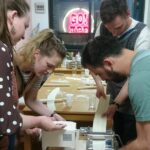
Once you are in the studio, the rhythm becomes clear: cooking stations, ingredient prep, and step-by-step teaching. The group size cap of 15 is a big deal here. In many food classes, you spend half your time trying to see what is happening. In this one, the setup is designed so you can actually do the work.
Further off the arcade
Choosing soy, miso, or salt before you touch noodles
One of my favorite parts of this class is how it starts with decisions that affect everything that follows. You pick your ramen soup base, with options including soy sauce, miso, or salt. That means you are not just making noodles and hoping for the best. You get to think like a cook, choosing a direction for the meal.
After you select the base, you are guided through making your own ramen soup. The chef team focuses on process, not mystery. You should expect a mix of measuring, combining, tasting, and adjusting as you learn what these flavors mean in ramen terms. If you have only ever eaten ramen from a bowl, this part helps you understand why broth flavor is the backbone of the dish.
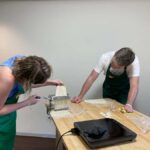
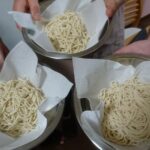
Then comes the main event: you make ramen noodles using a noodle-making machine. This is a skill you cannot fake with taste alone. You learn how dough texture and thickness influence the final bite, and you get a feel for how ramen is engineered for slurping, not just eating with a spoon.
Noodle-making, Osaka style: the point is learning the process
Ramen noodles might look simple in photos. In real life, they depend on the right dough and the right thickness, and that is exactly why the machine matters. You are taught to roll and work the dough through the noodle-making setup, and the steps are paced so you can keep up without feeling rushed. It is also a great technique lesson even if you do not plan to make ramen often at home.
A practical tip: wear sleeves you do not mind getting a little messy. You are working in a studio kitchen environment with ingredients and heat. If you have strong preferences about keeping clothes spotless, this is one moment in Osaka where you might want to accept that cooking is part of the fun.
Also, do not worry if you are not a confident cook. The class is designed around teaching, not testing. The chef instruction style is friendly and clear, including chef Shohei and support from Marie. That kind of calm, step-by-step guidance is what makes the hands-on part enjoyable instead of stressful.
Gyoza filling and pan-frying, from raw to golden
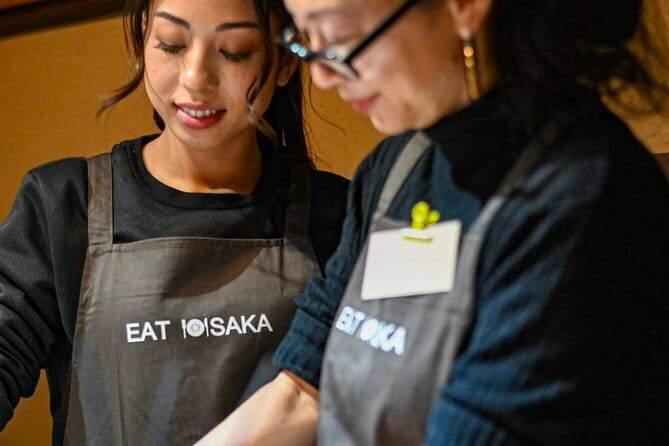
Gyoza is where this class turns into real food theater, but with your own hands. You learn the whole sequence, from preparing the filling to pan-frying the dumplings.
You will work through gyoza steps that home cooks normally learn slowly over time. Here, the chef team guides you through the filling process and then shows you how to cook them in the pan. The key is the pan-fry method, where crisping the bottoms while finishing the dumplings takes a bit of timing. That is why this class is so satisfying at the end. You do not just get a finished plate, you get the “I did that” moment.
If you have dietary restrictions, communicate early. The experience instructions say to inform them about allergies or vegetarian needs at booking, and the chef team has demonstrated they can make vegetarian gyoza when requested. That is an important detail, because gyoza can be tricky with ingredients. When you tell them ahead of time, you give the kitchen a chance to adjust.
Rice prep and the half-rice ramen with gyoza finish
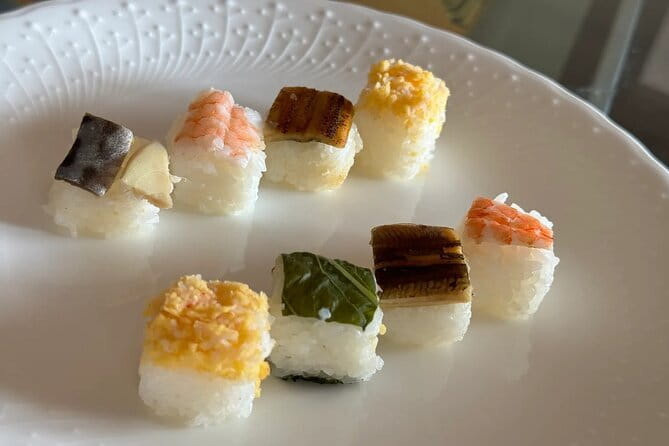
You will also help with the rice. The class includes preparing rice, and then you enjoy a setup that feels very Japanese: half-rice ramen with gyoza. This format is clever because it turns your meal into something balanced, not just broth plus noodles.
You end up with your own combination, ramen and gyoza together, plus rice in the mix. It is the kind of practical meal that you could imagine cooking at home, not an elaborate dish built only for a class photo. It also helps you understand how ramen shops and home cooks think about portioning and texture.
Then you taste. That tasting time is not an afterthought. It is the reward for everything you just did. You also get a chance to take photos, and that is worth planning for mentally. Cooking classes often move fast, but the studio format makes it reasonable to photograph your finished bowl before you start eating, while everything looks good.
More broth and more pleats


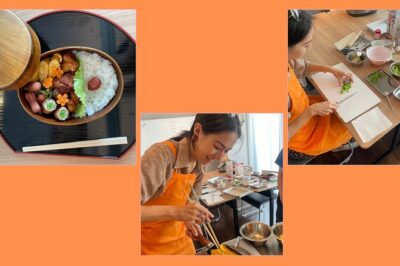
Recipes, chopsticks, and souvenirs you will actually use
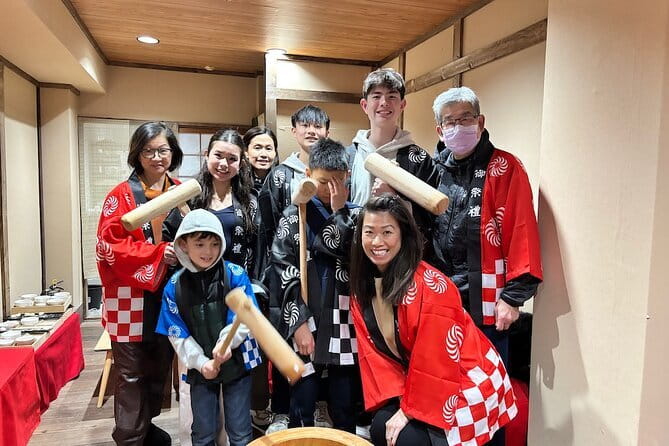
This is not a class where you only leave with a memory. You get take-home materials that help you recreate the experience.
You receive recipes from what you learned in the course, plus a take-home gift of cooking chopsticks. That matters for two reasons. First, chopsticks are something you will use at home right away. Second, the recipes reduce the guesswork when you try to recreate your broth and noodle approach later.
There is also mention of souvenirs based on the recipes. The exact souvenir content is not detailed, but the intention is clear: you are supposed to take your ramen knowledge home, not just enjoy one meal.
Price and value: what you are paying for at $84.70

At $84.70 per person, this class is not a casual snack. But the price is easier to justify when you look at what is included. Your cost covers material costs, the cooking lesson fee, the venue fee for cooking and drinking space, souvenir fee, and tableware and cooking equipment rental.
That package adds up in real-life terms. Ingredients, equipment access, and staff time are the expensive parts of cooking. Here, you are basically paying for a guided cooking setup plus a real kitchen learning environment. And because the group is capped at 15, the per-person attention can feel much better than larger group classes.
Booking tends to be set up in advance (on average about 28 days). That suggests it is a popular time slot type activity. If you care about a specific time window, it is smart to lock it in early.
The duration is about 2 hours 30 minutes. For that length, you get multiple skills: soup base choice, noodle-making, gyoza production, rice prep, and eating what you made. For hands-on travelers, it is good time value.
Timing options that work for rain and real schedules
The class runs multiple daily time blocks: 7:30 to 10:00, 11:00 to 13:30, 14:30 to 17:00, and 18:00 to 20:30. Each option is long enough to include prep, cooking, and the meal, without dragging into a half-day commitment that eats your Osaka plans.
This is also an indoor-friendly choice. If you have ever planned a day around outdoor routes in Osaka and then got rained out, you know how quickly the whole itinerary collapses. An indoor cooking class like this becomes your schedule stabilizer. You still get culture and food, without weather anxiety.
One more practical note: since the meeting point is near public transportation, you can pair this with other nearby plans after you return to Matsuyamachi Station. And because it ends where it starts, you do not need to rethink your transit, which is a small but real convenience.
Small group teaching from chef Shohei and Marie
What makes this experience feel special is how personal it can be. The class is capped at 15, and the studio setup supports hands-on instruction. In small-group situations, you tend to get more direct feedback and quicker corrections when your gyoza shaping or noodle thickness is off.
Chef Shohei is specifically noted as kind and supportive, with Marie assisting. That pairing matters because the tone in a cooking class can make or break it. When the instruction is calm and friendly, you try more, ask questions, and actually enjoy the process instead of worrying about mistakes.
This is also a good fit for people who want Japanese culture through food talk. You are not just executing steps. You are learning why the dish is the way it is, and how Japanese meals are built around comfort, speed, and flavor balance.
Allergies and vegetarian needs: tell them up front
If you have allergies or vegetarian requirements, this class is the kind that can work well, as long as you tell them at booking. The experience explicitly requests that information during reservation, and there is evidence that the chef team will accommodate vegetarian gyoza when requested.
Your best move is to be clear and early. Use the booking notes to explain your needs. That reduces the odds of last-minute substitutions and helps the kitchen prepare the right approach for your meal.
If you are dealing with allergies, also remember that drinks and personal expenses are not included. So if you need specific beverage options, you might want to plan how you will handle that separately.
Should you book this ramen and gyoza lesson in Osaka?
Book it if you want a hands-on food experience with real technique, not just a meal. I think it is especially worth it if you care about learning why ramen tastes the way it does, and you want to bring home at least a couple of steps you can repeat. The combo of noodle-making, soup-base choice, and gyoza pan-frying gives you a full cooking story in one sitting.
Skip it if you are only looking for a quick bite or you hate cooking with your hands. This is active, not passive. Also, if you expect drinks and alcohol to be included, know that personal expenses and beverages are not part of the package.
If you are traveling with food curiosity, this class hits the sweet spot. You end up with a hot, fresh meal you made yourself, recipes to take home, and a satisfying Osaka memory that does not evaporate the moment you leave the studio.
FAQ
How long is the ramen and gyoza cooking class?
It runs for about 2 hours 30 minutes.
Where do I meet, and where does the tour end?
You meet at Matsuyamachi Station and the experience ends back at the same meeting point.
What time slots are available?
There are four options: 7:30 to 10:00, 11:00 to 13:30, 14:30 to 17:00, and 18:00 to 20:30.
What does the class include in terms of food and cooking?
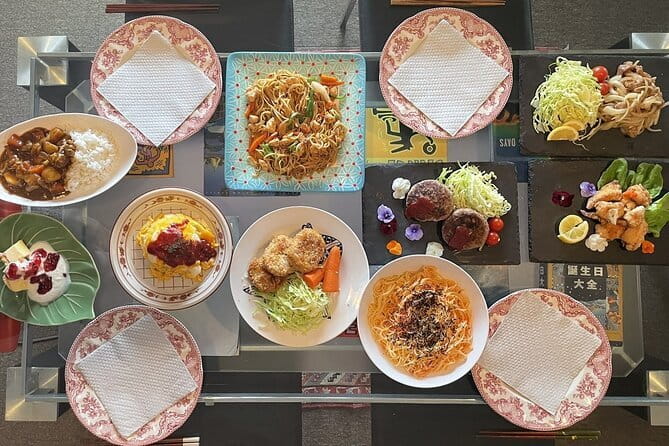
You choose a ramen soup base (soy sauce, miso, or salt), make ramen noodles using a noodle-making machine, prepare rice, learn how to make gyoza (including filling preparation and pan-frying), then eat your half-rice ramen with gyoza.
Are drinks included?
No. Personal expenses, including drinks and alcohol, are not included.
Can I get a refund if I cancel?
This experience is non-refundable and cannot be changed for any reason.
More Tour Reviews in Osaka



Broth, Pleats and Second Helpings

Off the Arcade Again




Latest out of Osaka


Osaka Backstreets & Hidden Gems Walks, side by side.
 ★ 5.0Osaka Kickstart: Hotspots & Hidden Gems TourFrom $311,306 reviews
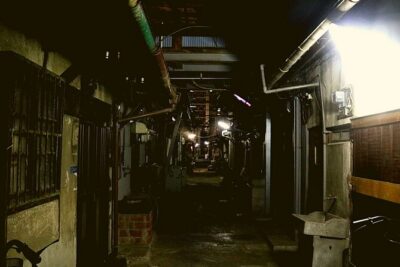 ★ 5.0Deep Backstreet Osaka Tours (Option to add Dinner)From $531,290 reviews
 ★ 4.9Osaka: Deep Backstreets Walking Tour with Dinner OptionFrom $40902 reviews
 ★ 5.0Ultimate Osaka Walking Tour: Castle, Dotonbori & Hidden GemsFrom $73862 reviews
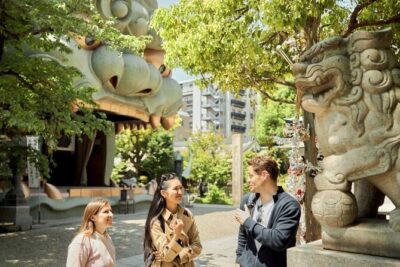 ★ 5.0Private Osaka Walking Tour: Highlights & Hidden GemsFrom $81569 reviews
 ★ 4.9Osaka: Dark Side of Osaka Night Walking TourFrom $2589 reviews
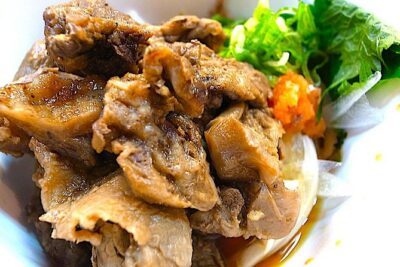 ★ 4.5Retro Osaka Street Food Tour: ShinsekaiFrom $21777 reviews
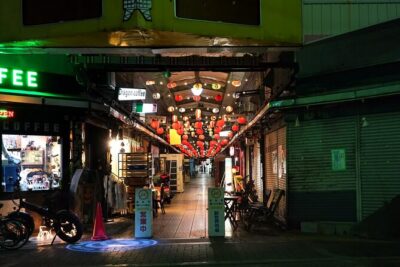 ★ 5.0The Dark Side of Osaka Walking TourFrom $2549 reviews
Also worth a look in