
REVIEW · KOYASAN, WAKAYAMA & UJI ESCAPES
Koyasan: A Mysterious Meditation Journey
Climbing Koyasan feels like stepping into quiet time. I like the smooth hotel pickup and private car ride up from Osaka or Kyoto, and I love that the focus stays on two big spiritual stops, Kongobu-ji and the Okuno-in of Kobo Daishi. One consideration: it is a day trip, so you should budget extra for entrance fees and food, and plan on some uphill temple walking once you reach the mountainside sacred areas.
Koyasan is one of Japan’s most influential Buddhist centers, and this trip is built to help you slow down instead of racing. You get a comfortable ride, multi-language support via a translation app, and time to choose between major temple precincts, plus an optional meditation live experience with monk-led training.
If you are craving a simple way to reach Koyasan and actually enjoy it, this works well. If you want a full, spend-the-night temple routine, you might still consider adding a longer stay elsewhere, because this is designed around a single day with return to your hotel in the evening.
Key things worth knowing before you go
- Door-to-door pickup from Osaka or Kyoto, with about a 2-hour drive each way
- Two anchor temples to choose from, Kongobu-ji or Okuno-in of Kobo Daishi (and you can also fit other sites)
- A 25-meter vermilion entry gate, Daimon Gate, with guardian figures that set the mood fast
- Optional monk-led meditation training, including the chance to follow the monk in a live setting
- Private transportation plus translation app, so you are not stuck figuring things out alone
- Seasonal bonus possible, like seeing fireflies and flying squirrels on summer nights
Koyasan in one day: what makes it special
Koyasan sits on Honshu and has been a major center of Buddhism for more than 1,200 years. It is also a UNESCO World Heritage Site, so you are visiting a place that has been carefully preserved, argued over, and protected for generations. The result is that your day feels different from a typical “see a temple, take photos, move on” loop.
This trip keeps the day calm by giving you a clear structure and then letting you choose your spiritual emphasis. If you want the main temple experience, you can aim for Kongobu-ji. If you are drawn to pilgrimage atmosphere and the resting place of Kobo Daishi, you will want the Okuno-in. And if you want variety, you can add the Danjo Garan Sacred Temple and the Koyasan Reihokan Museum.
That choice matters because Koyasan is not just one thing. It is a collection of temple precincts and cultural rituals, with different tones in different places. When you get to the top, you are not just “arriving,” you are transitioning into a different rhythm.
Longer escapes south and east
The drive from Osaka or Kyoto, and why the car setup matters
This is a door-to-door trip, not a “take the bus and hope” situation. A professional driver picks you up from your hotel, and the ride is about 2 hours. It is an easy way to get out of the city and into the mountains without spending your mental energy on connections and schedules.
Comfort is handled too. You get an air-conditioned vehicle, WiFi in the car, and support tools like a multi-language translation app. There is also an electronic equipment charge cable and socket, which is a small detail but genuinely helpful when you are bouncing between photos, translation, and your phone battery.
A good practical note: the driver speaks basic English for service. If you want deeper explanations, you can purchase an expert guide option during booking and choose a preferred language. If you are the type who likes to understand what you are looking at, that upgrade can make the day feel less like sightseeing and more like learning.
Entering through Koyasan Daimon Gate: the 25-meter moment
The day starts with your arrival at Koyasan Daimon Gate. This is a 25-meter-tall vermilion gate, which means it is one of the first things that makes Koyasan feel like more than a normal stop. The height helps you feel the scale, and the vermilion color gives it a strong, almost ceremonial presence.
On either side, you will see majestic wooden guardian figures. They are part of the vibe shift: even before you reach the temple precincts, you are being told, in visual language, that you are crossing into a sacred realm.
There is also an important context piece that adds weight to the experience. Koyasan used to be a quiet place reserved only for men. After about 150 years of change, it opened to welcome every spiritual traveler, male or female. For many visitors, that information turns the trip from a simple visit into something more thoughtful.
Kongobu-ji Temple: Shingon Buddhism, up close
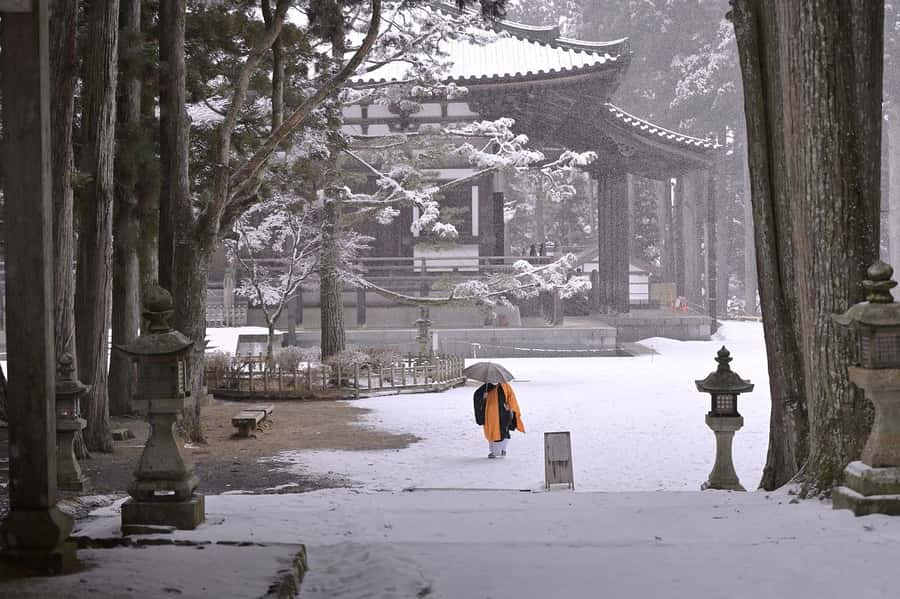
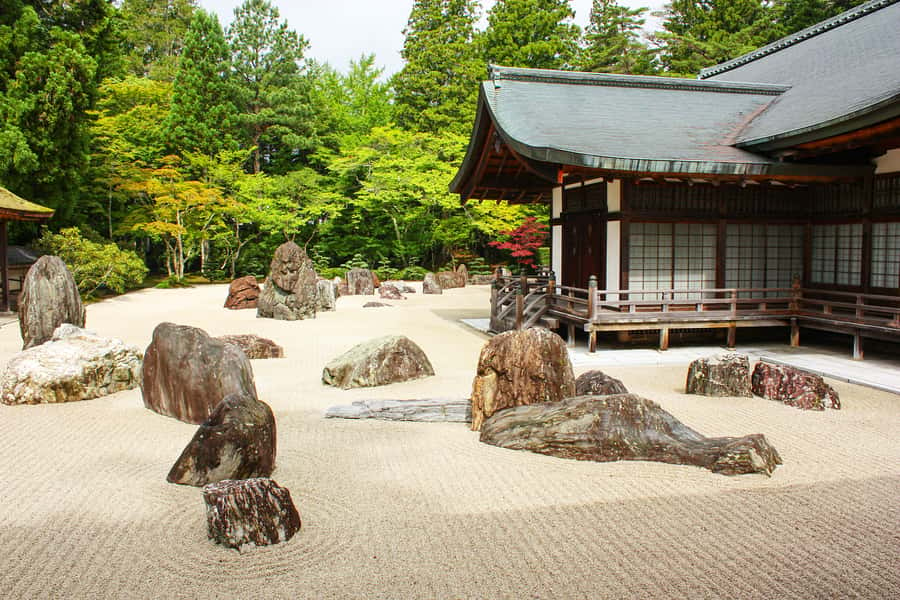
Kongobu-ji is the kind of place where you can feel the architecture doing the storytelling. This is the total Koyasan Shingon Sect Main Temple, so it is not a small annex. It is a central anchor, which means you are seeing the framework of how this tradition is presented to daily visitors.
In practical terms, Kongobu-ji is a good choice if you want the “main temple” approach, and you like big, established religious spaces. The tone tends to feel structured and grounded, like the roots of the community. If you are someone who prefers to understand a place from the inside outward, this is often the better first stop.
One small planning consideration: since you are doing a one-day itinerary, you might not have unlimited time at every precinct. If Kongobu-ji is your priority, treat it like it is the headliner and let the other sites work around it.
Okuno-in and Kobo Daishi: the pilgrimage atmosphere
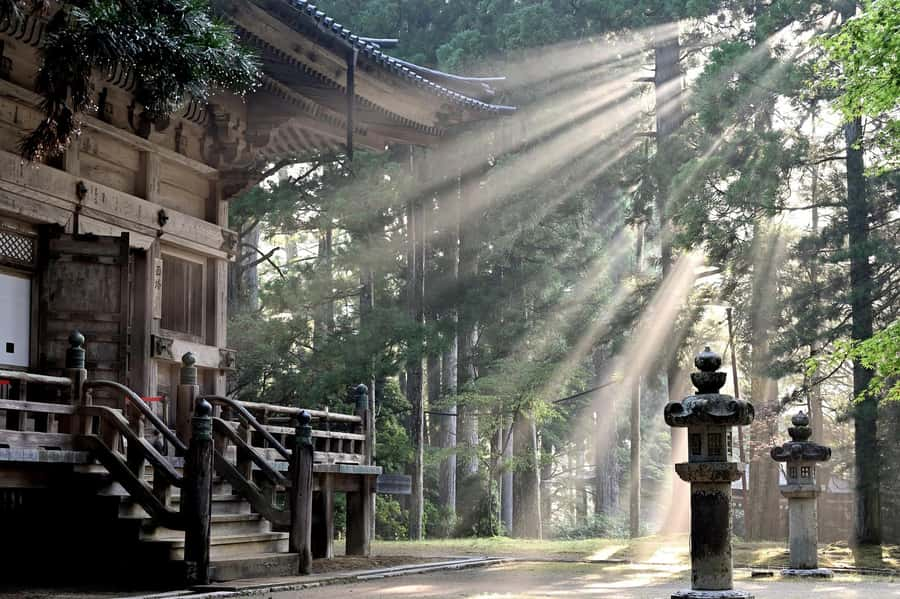
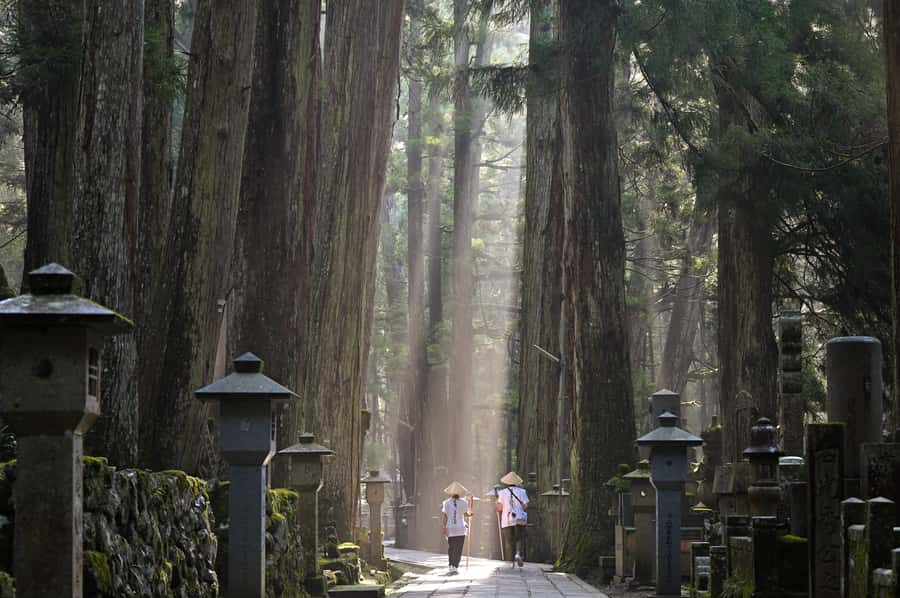
If Kongobu-ji is the main structure, Okuno-in is where the emotional temperature drops. This is the sacred area of the Kobo Daishi, also known as Kukai. In this space, you are not just looking at temple buildings. You are participating in a pilgrimage mood.
Okuno-in includes the resting place of Kobo Daishi, and the area is known for the legacy of famous people who are also honored here, including nobles, celebrities, and great samurai. That mix matters because it ties spiritual devotion to Japan’s broader cultural memory. Even if you are not deeply familiar with the tradition, you will likely feel that the place holds weight.
This is also where the destination can feel different from other religious sites in Japan because the visual details include a lot of stone and cedar. In one highlighted experience, visitors noted the contrast, describing the atmosphere as distinct from what they had seen elsewhere, helped by the large old cedar trees and tombstone scenery.
If you are the type who likes quiet reflection, Okuno-in is usually the better fit. If you are coming for lively explanations and lots of interpretive signage, you might find you want extra language support, since sacred sites tend to rely more on presence than on talk.
Longer soaks and slower mornings

Danjo Garan Sacred Temple and Koyasan Reihokan Museum
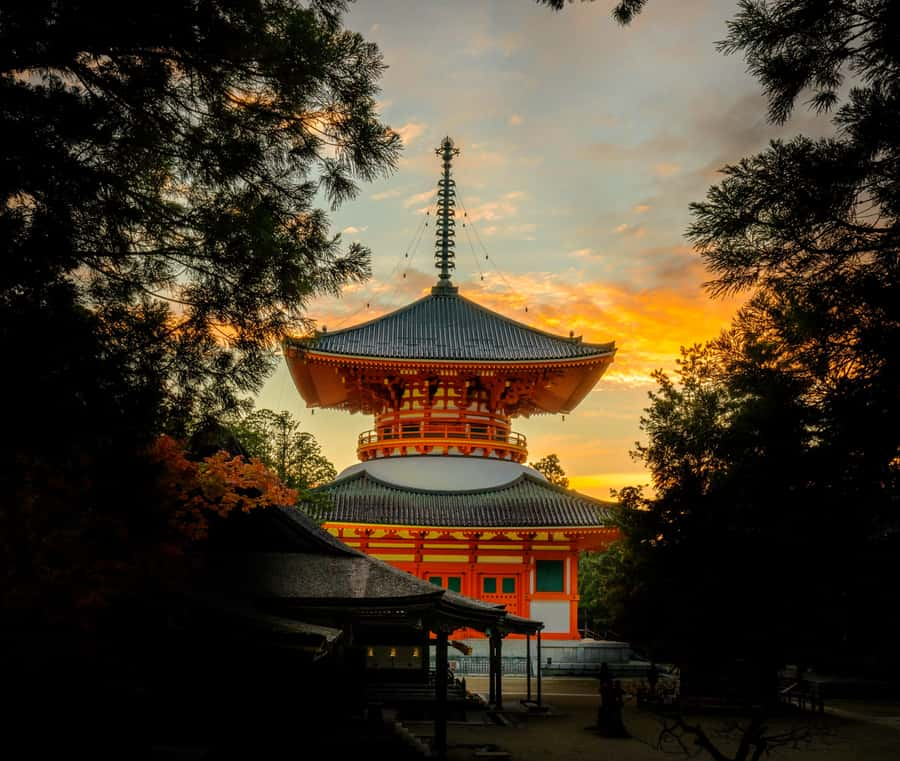
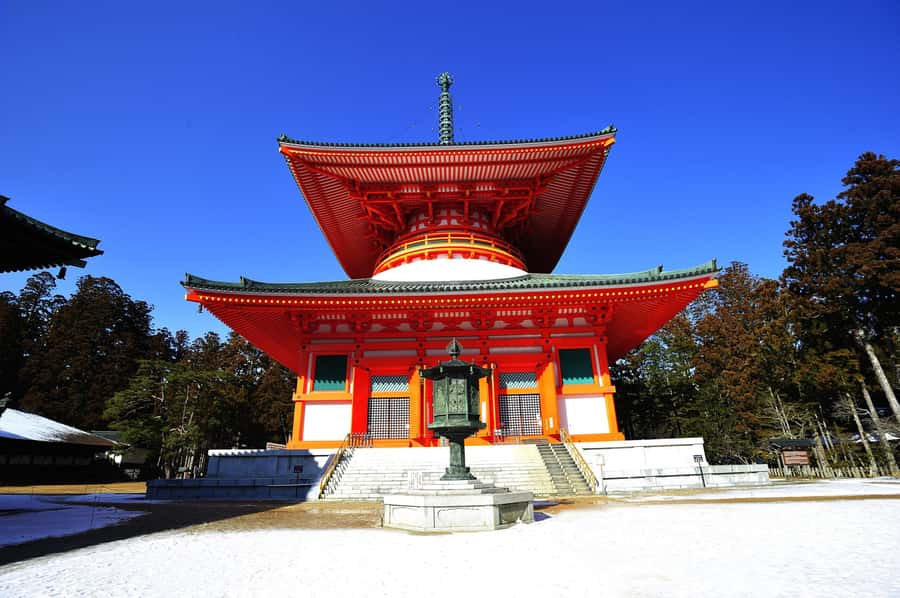
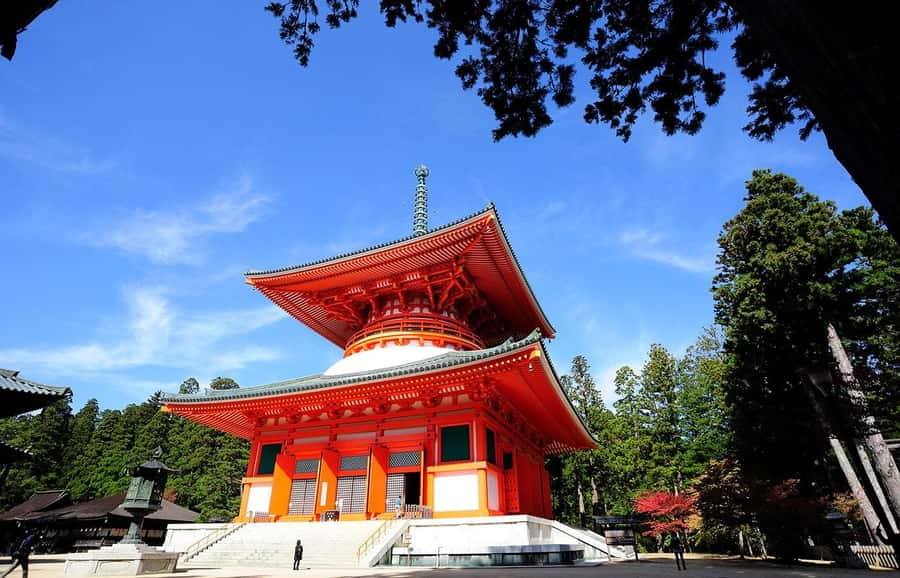
Not every part of Koyasan is only about the outdoor pilgrimage feeling. Danjo Garan Sacred Temple and the Koyasan Reihokan Museum add balance by giving you both sacred structure and cultural context.
Danjo Garan Sacred Temple is another important temple precinct. It is a solid option if you want a “more complete” sense of the sacred layout without committing solely to one path. It can also help break up your day if you do Kongobu-ji first, then want a different kind of atmosphere afterward.
The Koyasan Reihokan Museum is your chance to slow down and interpret what you are seeing. Museums are often where you connect the dots, and when you are visiting a site that spans centuries, that context helps. You get a clearer sense of what the rituals mean and why certain objects and traditions matter.
A practical tip: museum time is easier to handle for people who need a rest break. If your group has mixed walking stamina, this is a natural “pause” point.
Optional monk-led meditation training: what it adds
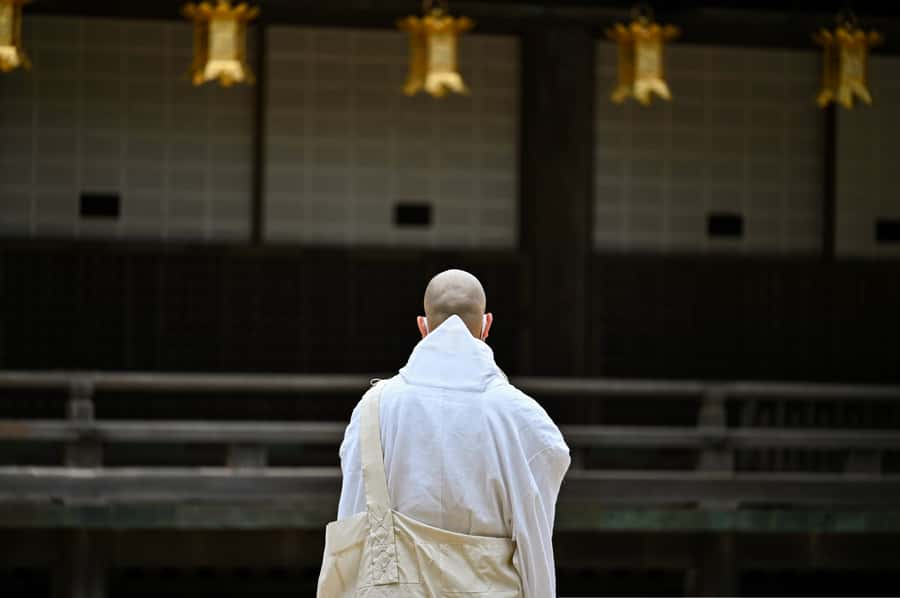
The optional meditation live experience is the part that turns a temple visit into something closer to training. The experience is described as living in the temple and following the monk to do meditation training.
Even if you do not choose the meditation option, it is worth knowing this exists in Koyasan because it changes what you look for. Instead of seeing meditation as a performance, you start to notice it as practice, with a daily rhythm. That shift can make your temple visits feel more intentional.
If you do add meditation training, pay attention to your comfort and expectations. Meditation usually asks for stillness, so bring a mindset that is patient, not outcome-driven. You are not there to “win” at meditation. You are there to take part in the tradition as it is taught.
Also, since this trip is built around about 10 hours of total service (extendable with a charge), you will want to be realistic about how much you can fit. If meditation is your top priority, give it priority in your planning.
Price and value: $539 per group, up to 5 people
This tour is priced at $539 per group for up to 5 people. That is a key detail, because it makes the math very different than per-person tours.
For a group of 5, it can work out to roughly $108 per person for the private transport, hotel pickup and drop-off, and the day’s guiding support. For 2 or 3 people, it becomes more expensive per person, but you still get something you often cannot buy easily with public transit: door-to-door convenience and a private schedule.
What the price includes:
- air-conditioned vehicle and private transportation
- WiFi in the car
- translation app and multi-language support
- fuel and tolls, parking fees
- hotel pickup and drop-off
- about 10 hours of services total (with the option to extend)
What you pay separately:
- entrance fees
- food and beverages
- any extra charges like overtime or night service, if needed
This is a strong value if you want to spend your energy on Koyasan, not on logistics. If you are traveling solo and are comfortable with buses or trains, a private tour might be overkill. But if you want a calm day with fewer moving parts, the added cost buys you time and mental ease.
Timing, walking, and seasonal notes that can change your day
Koyasan is at the top of a mountain and involves climbing. That means comfortable shoes are not optional. Even if you do not know how much walking will be required, expect some stairs and uphill stretches once you start moving around temple areas.
If you visit in summer, there is a seasonal note worth keeping in your back pocket. On summer nights, you might see fireflies, and in some cases even flying squirrels. You cannot count on wildlife on demand, but knowing the possibility helps you stay alert and not rush through the evening atmosphere.
Finally, the day runs until evening, with return to your hotel around evening time. That makes it easy to slot into a normal Japan itinerary, but it also limits how long you can stay at each site. Decide your priorities early: Kongobu-ji, Okuno-in, meditation, or a mix.
Language support: the practical way to handle temple visits
You will have multi-language support through a translation app. That makes it easier to read and understand without constantly asking questions.
The driver offers basic English for service. If your group prefers deeper interpretation, you can add an expert guide option at booking and select your preferred language. This matters most at Okuno-in and at the larger temple precincts, where meanings are often tied to tradition, layout, and ritual.
A simple strategy: if you do not add an expert guide, use the translation app to focus on a few key questions before you visit. For example, ask what you should be noticing at each precinct, and what you should keep in mind about Kobo Daishi’s role. That turns a day trip into something you can actually remember.
Who this tour is best for
This experience is a great fit if you want:
- a private way to reach Koyasan without hunting transport
- door-to-door convenience from Osaka or Kyoto
- a day that includes the main spiritual highlights without forcing a strict itinerary on you
- optional meditation training if you want something more than sightseeing
It can also work well for families or mixed-age groups because private transportation helps manage fatigue. Still, the temple areas involve climbing, so bring realistic expectations.
If you are traveling solo and you enjoy public transit, you might prefer doing Koyasan independently to maximize flexibility. But if your time is limited and you want a calm, guided day structure, this is one of the easiest ways to make Koyasan happen.
Should you book this Koyasan meditation trip?
Book it if you want the simplest route to Koyasan with a schedule that stays relaxed, plus time for major temple precincts like Kongobu-ji and Okuno-in. The value is strongest when you have multiple people in your group, because the price is per group up to 5 and includes the hardest part, getting there comfortably.
Pass or rethink it if you expect all costs to be included, because entrance fees and food are separate. Also rethink it if you want an intensive, multi-day temple routine, because this is built for about a single-day visit with return to your hotel.
If you want a meaningful mountain temple day, with optional monk-led meditation training, this is a practical and respectful way to experience Koyasan without turning it into a logistics project.
FAQ
Where are pickup and drop-off, and how long is the drive to Koyasan?
Hotel pickup and drop-off are included, departing from Osaka or Kyoto. The drive to Koyasan is about 2 hours each way.
Is Kongobu-ji and Okuno-in included, or can I choose between them?
You can choose your next destination after arriving. You can go to Kongobu-ji or to the Okuno-in of Kobo Daishi, and you can also enjoy other spots like Danjo Garan Sacred Temple and Koyasan Reihokan Museum.
Does the trip include the meditation experience?
Meditation is an optional live experience. There is an option to live in the temple and follow the monk for meditation training.
What is included in the tour price, and what is not?
Included are private air-conditioned transport, WiFi in the car, a multi-language translation app, fuel and tolls, parking fees, and hotel pickup and drop-off. Entrance fees and food and beverages are not included.
How does language support work?
The tour includes a multi-language translation app, and the driver speaks basic English. If you need an expert guide, you can purchase that service during booking and choose your preferred language from Chinese, English, or Japanese.
Are there rules for booking and cancellation?
Orders must be booked at least 24 hours before the activity start, or they may be canceled. Cancellation up to 24 hours in advance is eligible for a full refund.
Are there extra fees for babies, overtime, or late-night service?
The first baby seat is free if you tell the provider before departure. The second baby seat costs an additional 2,000 yen per child. Overtime costs 5,000 yen per hour if you go beyond the 10-hour service. A night service fee is 2,000 yen per hour after 21:00.
More Tour Reviews in Osaka


Slower Mornings in Osaka
Longer Escapes from Osaka

Latest out of Osaka


Koyasan, Wakayama & Uji Escapes, side by side.
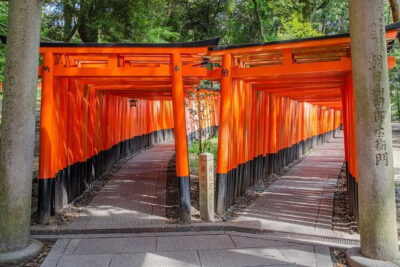 ★ 4.5Kyoto & Nara & Uji: Full Day Sightseeing Tour from Osaka or KyotoFrom $6739 reviews
 ★ 4.5Lake Biwa Tour: Shirahige Shrine, Ukimido ,La Collina OmihachimanFrom $6521 reviews
 ★ 4.0Nara Deer Park, Uji Matcha, & Hot Spring Full-Day Tour from OsakaFrom $4921 reviews
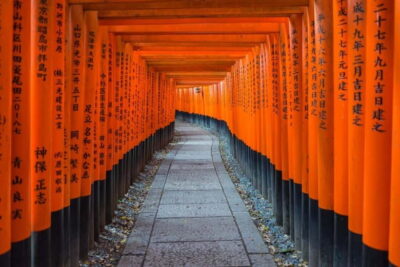 ★ 4.7Osaka: Kyoto & Nara & Uji Historical and Scenic One-Day TourFrom $5621 reviews
 ★ 4.7Osaka: Kyoto & Uji Historical Sites and Scenic Delights TourFrom $5413 reviews
 ★ 5.0Mt Koya Full Day Tour from Osaka with Licensed Guide and VehicleFrom $8988 reviews
 ★ 3.5Kansai Airport (KIX) Transfer to Osaka/Kobe/Kyoto/Nara/WakayamaFrom $658 reviews
 ★ 4.0Osaka: Nara, Todaiji, Uji Matcha, and Hot Spring TourFrom $817 reviews
Also worth a look in