
REVIEW · WORKSHOPS
Immerse in Judo Martial Arts Class from Japan
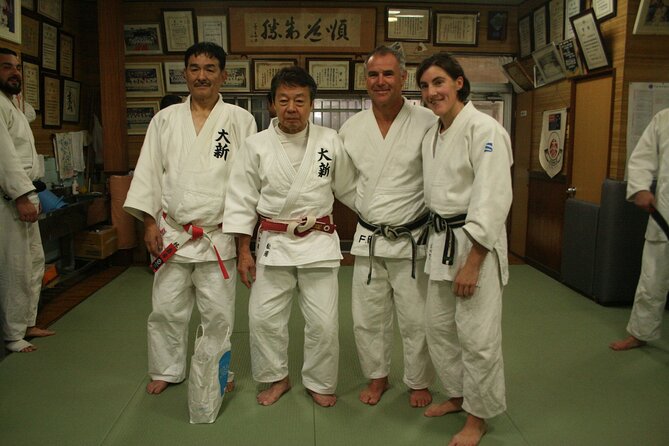
First time on tatami can change your day. This Osaka judo class at Daishin Judo Club lets you learn through a real dojo setting, not a staged demo, with Akihiro Matsuura, an eighth dan sensei. I love that the training is built around respect and discipline, and I also like that the session has clear beginner and experienced pathways.
What makes it especially appealing is the way the dojo teaches skills you can feel right away. You’ll work on posture and basics first, then practice throws (nage-waza) and ground work (ne-waza) depending on your level, all while learning the etiquette that comes with Japanese martial arts. A potential drawback: judo is physical, and ukemi and grappling are not “light try-on” activities, so you’ll want to come ready to move.
Key things to know before you go
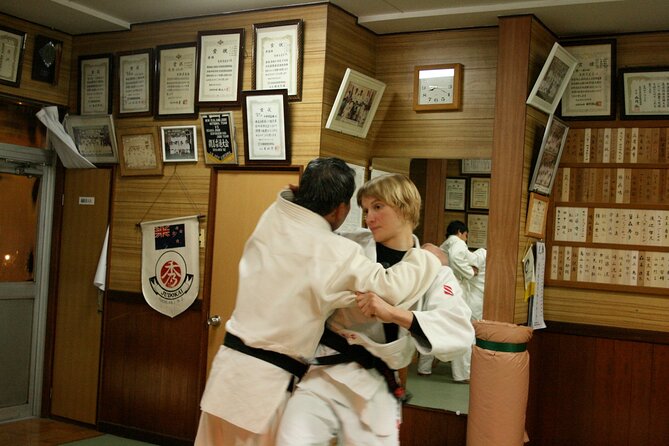
- Traditional dojo setting at Daishin Judo Club, founded in 1976
- Eighth dan instructor: Akihiro Matsuura teaches with nearly 50 years of experience
- Built for mixed levels, with different focus for beginners vs experienced judoka
- Ukemi first, so you learn how to fall safely before going bigger
- Small group size capped at 6 for more coach attention
- Language support with Japanese, English, and Korean speaking instruction
Meeting Akihiro Matsuura and Osaka’s Daishin Judo Club
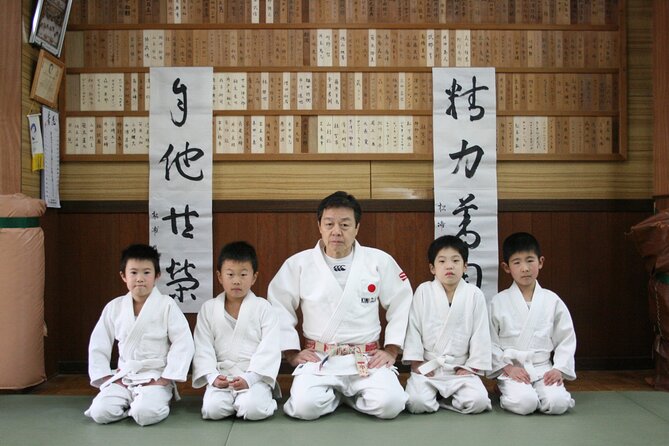
Judo is one of those sports where the setting matters. The class takes place at a real dojo, Daishin Judo Club, and the club traces back to 1976. That age shows up in how the space supports training, from the tatami mat environment to the way lessons are structured.
The big headline is your instructor: Akihiro Matsuura, an eighth dan black belt who has been teaching for almost 50 years. If you care about technique but also want to understand the culture behind it, having a long-time sensei matters, because it’s not just about movement. It’s about how you carry yourself on the mat, how you listen, and how you learn in control.
This is also one of those activities where being in Japan feels practical, not performative. You’re not just watching etiquette from the outside, you’re practicing it with guidance. And since the instructor can speak Japanese, English, and Korean, you’re less likely to feel lost if your Japanese is limited.
More things to make and take home
What happens during the 1 hour 30 minute judo session
The full experience runs about 1 hour 30 minutes. That length is useful because it’s enough time to actually learn and try, but not so long that you feel worn out before anything clicks.
Expect the session to follow a training flow rather than a lecture. First comes basics, then you practice the body mechanics and controlled grappling elements your level needs. From there, you spend time on throwing practice or ground work, and you can also ask questions about judo traditions.
A detail I appreciate: this class is designed to fit both newcomers and those who already know judo. Instead of forcing everyone through the same drills, the focus shifts based on whether you’re starting from zero or coming with experience.
Beginner track: posture, grappling, and ukemi basics
If you’re new to judo, this is one of the calmer ways to start, because the training begins with fundamentals. You’ll work on basic posture and movements, so you understand what your body is supposed to do before anyone asks you to throw. That matters, because judo quickly becomes uncomfortable if you don’t have the basics down.
You’ll also learn how to grapple, which can feel awkward at first. The good news is that you’re learning with instruction, not just being paired and tossed in. This is also where the dojo’s focus on control and mutual respect becomes real.
One of the most important beginner skills here is ukemi, the break-falling technique. Even if you don’t become a fall expert, learning the concept and practicing basic safety helps you train with less fear. A fall-focused start often makes the entire session feel more confident, because you’re not guessing what to do if your position breaks.
Finally, you’ll get some basic throwing forms. The key word is basic. You’re learning patterns, balance, and timing, not trying to land dramatic throws on every attempt.
For experienced judoka: nage-waza and ne-waza options
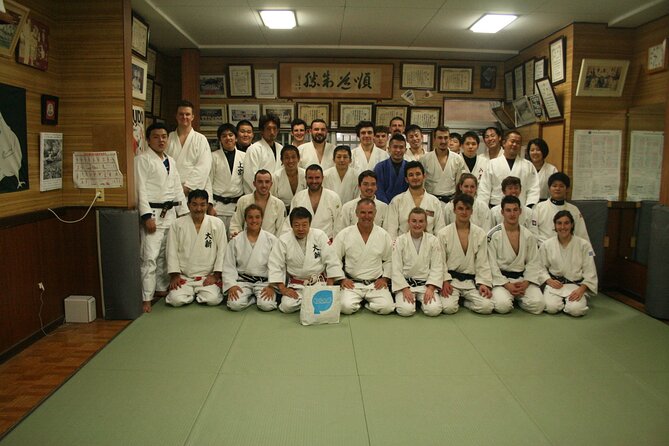
If you already have judo experience, you’re not going to be stuck repeating baby steps. The session includes options to learn throwing techniques (nage-waza) and ground techniques (ne-waza), based on what fits your level.
This matters because nage-waza and ne-waza are two different skill worlds. Throws demand balance and positioning while controlling your partner’s movement. Ground work demands control, pressure, and safe transitions. Even a short session can feel valuable if the coach targets the kind of practice you actually want.
The class also supports questions about history and principles of judo. That’s a nice bonus if you enjoy learning the why behind the how, or if you want context for training etiquette and discipline.
In at least some sessions, you may also get the chance to practice faster, more fluid work, like randori. When it happens, expect it to feel intense in a good way, since it’s where technique meets pressure and timing.
The dojo culture: respect, discipline, and safer learning
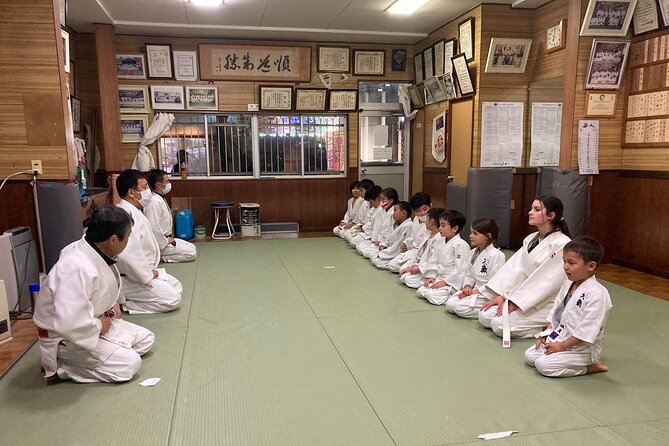
Judo culture is built on etiquette and respect, and this class treats that as part of the training, not an afterthought. You’ll learn through the rhythm of the dojo, where instruction and practice happen with attention to how you interact with others on the mat.
I especially like how the format encourages mutual learning. Newcomers aren’t treated like spectators. They’re treated like students, which shows up in the way instructors and partners teach.
From what I’ve seen in the way the dojo community behaves, the vibe tends to be friendly and respectful. Black belt athletes and instructors are there to guide, and you’ll get help when you have questions. That combination is a big deal in a martial arts class. Too often, people feel pressure or self-conscious. Here, the tone is more supportive than intimidating.
Coach communication in English, Japanese, and Korean
Language support changes everything in hands-on training. If the instructor can speak Japanese, English, and Korean, it means you can actually understand what you’re doing, not just copy motions.
You’ll likely get clearer corrections because you can follow explanations without a long workaround. And when it’s time to adjust your grip, posture, or balance, quick feedback is the difference between learning and frustration.
It also makes asking questions easier. If you want to know why a drill works, or what a specific principle means, you’re more likely to get an answer that lands.
Location near Tennoji, and how that helps your day
The meeting point is Daishinjudo Orthopedic Clinic, 10-22 Funahashichō, Tennoji Ward, Osaka, 543-0024, Japan. The area is served by public transportation, which keeps your travel day from getting complicated.
A dojo class also works well in a travel schedule because it fits neatly into a day plan. It’s long enough to feel like a full training block, and short enough that you can still do other Osaka activities afterward.
One practical consideration: since this is a physical activity, plan your day so you’re not rushing into intense sightseeing immediately afterward. You’ll want a little buffer for rest and getting comfortable again.
Group size and attention you can actually feel
This experience caps at a maximum of 6 travelers. That small group size is a hidden strength. It reduces the chance you spend the whole class waiting your turn, and it makes instruction more personal.
In a small setup, you also get better feedback cycles. You practice, you adjust, you try again. That’s how skills stick, especially for beginners tackling ukemi and grappling basics.
Even if you’re confident on the mat, small group training tends to sharpen details. The coach can correct your posture, timing, and control faster than in a larger class.
Price and value: is $97.55 worth it?
At $97.55 per person for about 1 hour 30 minutes, you’re paying for instruction in a real dojo with an experienced sensei. This isn’t just a self-guided activity or a casual demo. You’re paying for coaching, safe skill progression, and time on tatami under Akihiro Matsuura and the dojo’s training environment.
The value comes from three things:
- You get structured learning, starting with posture and ukemi if you’re a first-timer.
- You can train toward throws (nage-waza) or ground work (ne-waza) if you already know judo.
- The class is small, so you’re less likely to get ignored during corrections.
Is it pricey compared to some short tours in Osaka? Maybe, but it’s also a skill-based experience. If you want something you’ll remember because you learned it, not just something you watched, the price starts to make sense.
Also, it tends to book ahead (on average, about 30 days in advance). That tells you demand is real, so if you want a specific time window, you’ll want to lock it in early.
What to expect on the mat: how the session feels
A judo class can feel different from other fitness activities because the challenge is technical. You’re not just sweating. You’re figuring out balance, control, and safe movement with another person.
If you’re new, expect a mix of learning and trying. You’ll likely feel clumsy at first, then more coordinated as you practice posture and basic throws. Ukemi helps you shift from fear-based caution to technique-based confidence.
If you’re experienced, you’ll probably notice the focus on fundamentals and safe transitions even when you train harder. That can be a good reset. Judo has a way of humbling good athletes, and short sessions with the right coach corrections can be surprisingly useful.
And yes, some sessions can include intensity through more free practice like randori. When it’s on the menu, it can feel intense and enjoyable, because technique meets resistance.
Should you book this judo class in Osaka?
Book it if you want an authentic Osaka experience that’s active, structured, and genuinely Japanese in how it teaches discipline and respect. It’s a great match for first-timers because ukemi and fundamentals come first, and you’ll be supported. It also works for experienced judoka because the session can target nage-waza and ne-waza, not just beginner drills.
Skip it only if you’re looking for something passive or you’re not up for hands-on physical training. Judo involves grappling and learning how to fall safely, and that means you should come with the mindset of practice, not spectatorship.
If you’re deciding between this and a more typical sightseeing tour, I’d choose this when you want a memory with muscle behind it. You’ll leave with technique you can talk about, respect you understand from the inside, and a dojo experience that feels real.
FAQ
Where is the meeting point for the judo class?
You meet at Daishinjudo Orthopedic Clinic, 10-22 Funahashichō, Tennoji Ward, Osaka, 543-0024, Japan.
How long is the experience?
The judo session lasts about 1 hour 30 minutes.
Who teaches the class?
The instructor is Akihiro Matsuura, an eighth dan black belt, who has been teaching judo for almost 50 years.
Can beginners participate?
Yes. If it’s your first time, you’ll practice basic posture and movements, learn how to grapple, do ukemi (break falling technique), and practice some basic throwing forms.
If I already know judo, what will I do?
If you have judo experience, you can learn throwing techniques (nage-waza) and ground techniques (ne-waza), and you can ask questions about judo history.
What languages can the instructor speak?
The instructor can speak Japanese, English, and Korean.
How many people are in the class?
The group is capped at a maximum of 6 travelers.
Do I need a printed ticket?
No. The experience uses a mobile ticket.
Is free cancellation available?
Yes. Free cancellation is available up to 24 hours before the experience’s start time for a full refund.
Are service animals allowed?
Yes, service animals are allowed.
Make Something to Take Home





More Tour Reviews in Osaka



Latest out of Osaka


Workshops, side by side.
 ★ 5.0Sushi Making Osaka Roll and Authentic Japanese Sushi ClassFrom $311,220 reviews
 ★ 5.0Matcha Making Class in Osaka with Authentic Japanese Sweets SetFrom $21509 reviews
 ★ 5.0Osaka: Ramen and Gyoza Cooking Class in DotonboriFrom $70378 reviews
 ★ 5.0Osaka Sushi Making Class – Hands-On Nigiri & Rolls (Same-Day OK)From $33352 reviews
 ★ 5.0Osaka Cooking Class: Okonomiyaki &Japanese cuisines experienceFrom $104261 reviews
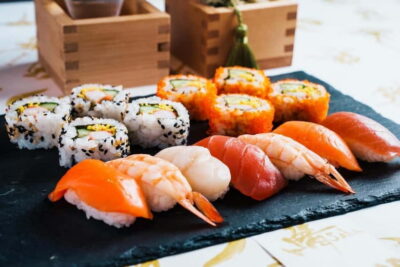 ★ 4.9Osaka: Roll and Authentic Sushi Making Class in DotonboriFrom $45239 reviews
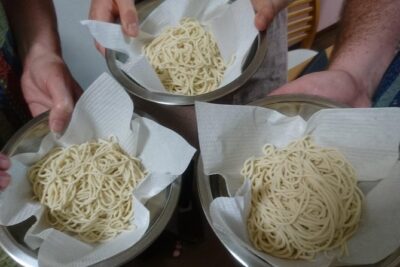 ★ 5.0Ramen and Gyoza Cooking Class in OsakaFrom $79202 reviews
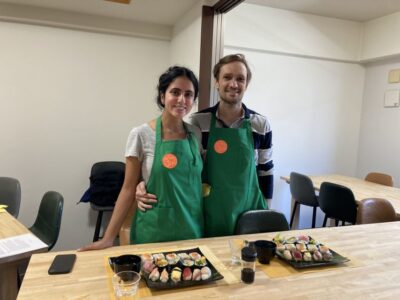 ★ 4.9Osaka: Sushi Class in DotonboriFrom $67160 reviews
Also worth a look in