
REVIEW · UMEDA, NAKANOSHIMA & OSAKA BAY TOURS
Half day Osaka Bay Area Cycling with E-Assist Bicycle Tour
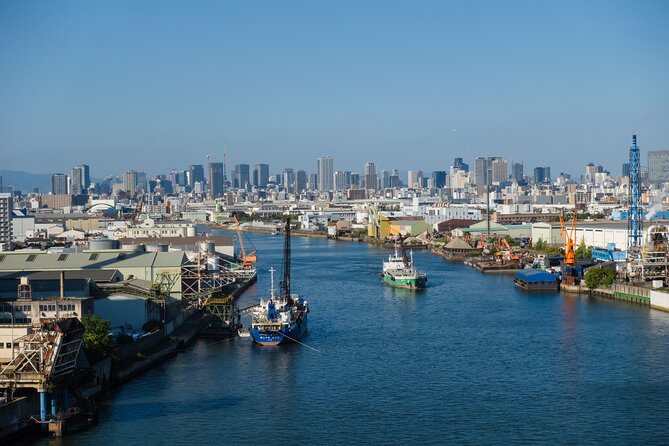
First, Osaka’s bay side feels huge until you ride it. This half-day e-bike tour makes the distance manageable while still showing you the spots most visitors skip. You get a guide, real local routes, and plenty of stops that connect old Osaka to the modern bay.
I especially like the small group size (up to 3), which keeps the pace human and the directions clear. I also like that the tour covers the basics for you, bike and helmet included, plus bottled water so you are not scrambling for supplies mid-ride.
One thing to consider: the route can put you close to truck-heavy roads, and a couple of bridges involve steep riding. If you are sensitive to air or heights, plan to take it slow and use the ferries when offered.
Key highlights that make this ride worth your time
- Up to 3 people per tour means you get more attention and fewer waiting moments at stops
- E-assist support helps you keep moving even when the bridges get steep
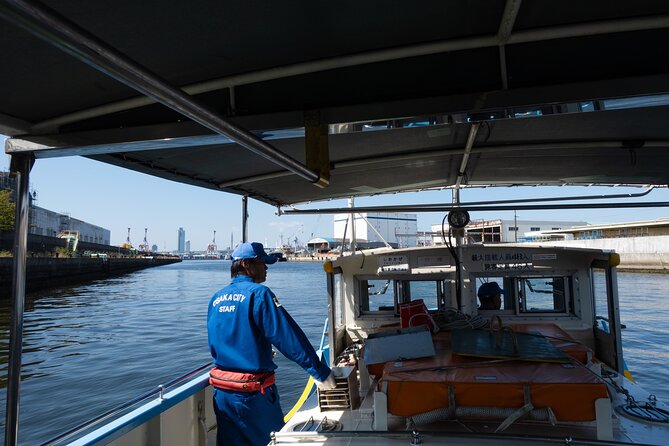
- Local-only ferry crossings give you a quick, scenic break from pedaling
- Photo-friendly bridge stops with bay and city angles you do not normally get from the main sights
- Banri’s pace and patience show up in how the group rides together, not just what you see
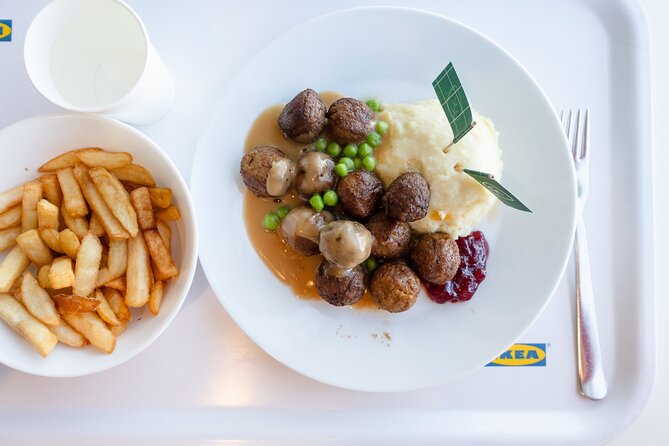
- Lunch choices by preference (Japanese diner or IKEA Sweden food market for vegetarians)
Why Osaka Bay by e-bike beats transit puzzles
Osaka Bay is one of those areas that looks simple on a map and turns annoying fast with trains, transfers, and walking. Cycling fixes that. You stay outside, you cover ground steadily, and you get to choose your moments for photos without waiting on schedules.
The e-assist matters because this is not a flat parade ride. You will be on bridges and by water, and the assist helps you keep a comfortable rhythm. That is the difference between seeing the bay and just surviving the day.
North of the river, and out to the bay
Meet Banri and get your gear sorted without stress
The tour is run by the guide Banri, and the tone is practical from the start. With a small group, he can explain route flow and turning points in plain language and keep you from guessing. In the experience, he also uses maps to show how the area developed over time, which makes the stops feel less random and more connected.
You get the included essentials right away: bicycle, helmet, and bottled water. That sounds basic, but it is the kind of logistics that can eat time when you travel independently. Here, it is handled before you move.
The half-day route, stop by stop, from shrine to glasses-bridge vibes
This tour is built around movement. You roll out, stop for short looks and photos, then ride again. It is a good format if you like variety and do not want one long lecture day.
Stop 1: Sumiyoshi Taisha Shrine, a sea-god landmark
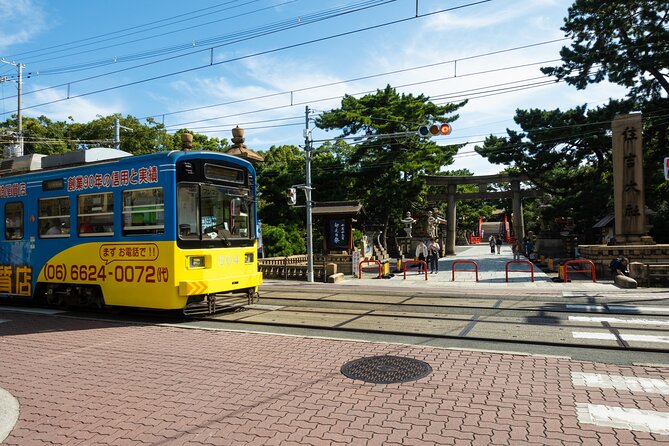
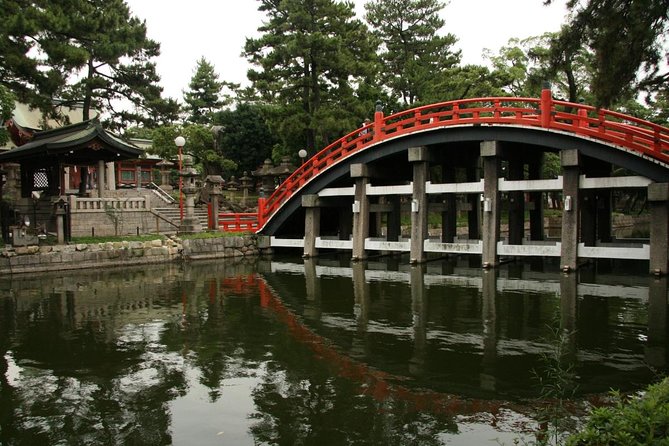
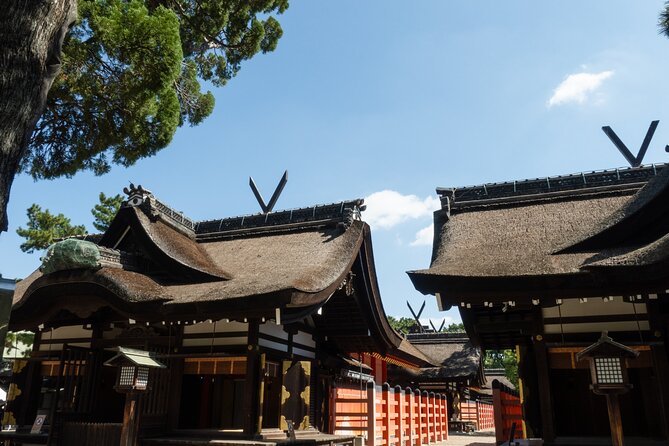
Your first stop is Sumiyoshi Taisha Shrine, one of Japan’s older shrines, with roots nearly 2,000 years back. The shrine is dedicated to three gods of the sea, so it fits naturally with an Osaka Bay route.
It is also a national treasure setting, so even when you keep it quick, you get that sense of gravity. Admission here is free, which is a nice start to your morning.
Stop 2: Shinkizugawa Bridge for city-and-mountain sightlines
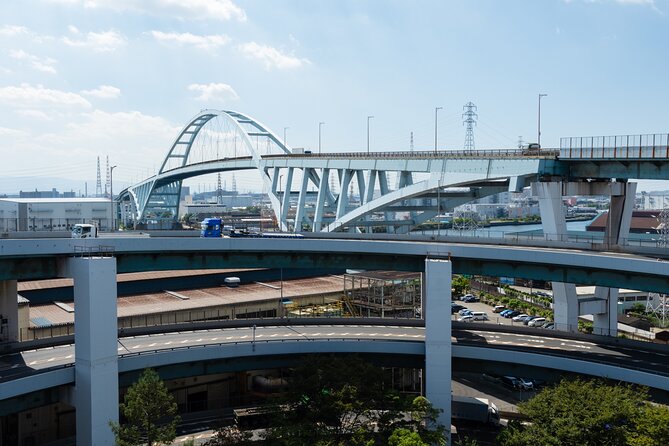
Next comes Shinkizugawa Bridge, where you can see toward Tennoji and the Ikoma Mountains in the background. There is also a descent along a multi-stage loop bridge section, which gives you a bit of variety in the riding.
This is a classic photo stop. Take a minute, frame the skyline, then keep rolling. The whole point is not to linger so long you feel rushed later.
More of Osaka on two wheels
Passing the Black Rain film factory district
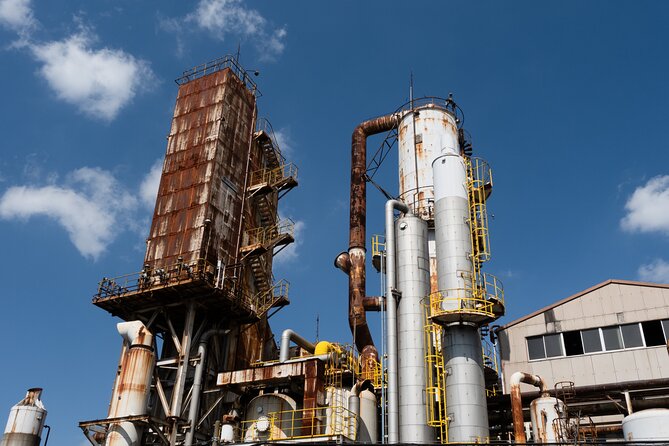
Between scenic bridges, you ride through an area connected to the film Black Rain, shot in Osaka and New York City. The practical value here is that you see a working part of the city rather than only the postcard Osaka people come for.
You do not need film trivia to enjoy it, but it helps you notice the details. Factory streets and bay-adjacent corridors feel different when you realize they have been used for big-screen settings.
Stop 3: Funamachi Ferry Facilities, a one-minute local break
Then you hit Funamachi Ferry Facilities, which is used by locals. The ride is very short, about one minute, and it is for bicycles and pedestrians only.
It is a smart reset point, especially on an e-bike day. You get a quick change of pace, plus you see the water from a different angle than the bridges.
Stop 4: IKEA Tsuruhama break, with a vegetarian lunch option
At IKEA Tsuruhama, you take a break. For vegetarians, lunch is at the Sweden food market of IKEA, which is a convenient choice when you want a predictable meal without asking your guide to improvise.
For everyone else, lunch is not included here as a fixed requirement in the data. The plan is that lunch happens later at Tempozan area dining. So use this stop to snack, hydrate, and regroup.
Stop 5: Namihaya Bridge for a 360-degree bay view
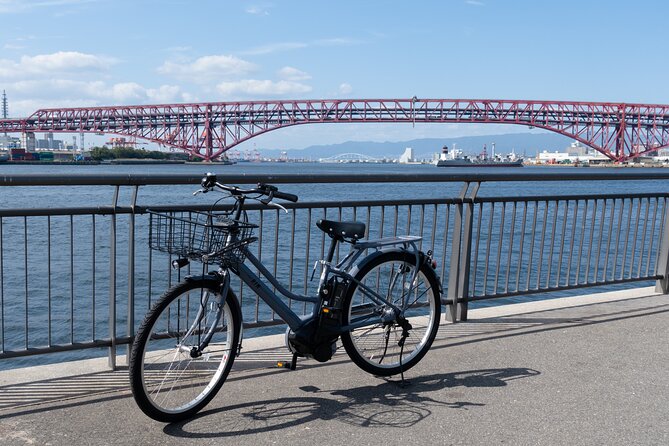
Namihaya Bridge is timed for viewing. It sits near the middle of the bay area and is described as offering a 360-degree view of Osaka.
You also get the functional beauty of the channel area, where ships pass through. In practice, you will want to step off the bike for a minute, let your eyes adjust, and then take the photos while the skyline is still sharp.
Stop 6: Mt. Tempozan area, aquarium-adjacent city energy
You roll into Mt. Tempozan for a longer rest. The ride passes sights like the Kaiyukan aquarium, a ferris wheel, and Tadao Ando architecture, then pauses at Tempozan for lunch.
Time-wise, this is the moment you will feel the value of having a guide. You get your meal option and also a set of landmarks close together, so you are not wandering, guessing, and losing your route rhythm.
There is also mention of cherry blossoms here in spring, and Tempozan is associated with that seasonal look. Even if you are not traveling in bloom, the bay energy and big-architecture feel come through.
Three expressways, subway tracks, and pier architecture for photos
This ride includes a stop at a very photogenic spot where three expressways intersect and subway tracks also cross. The pier architecture is the kind of angular, industrial detail that is hard to seek out on your own without knowing where to park your bike.
It is short, but it gives your photos a different mood than shrine shots and bridge skylines.
Old-style arcade shopping center stop
After the industrial intersection viewing, you pass through an old-style Japanese arcade shopping center. It is a change of texture, from big infrastructure to the human scale of small shop corridors.
Even if you do not shop, it is a real Osaka experience. You see how people move and the everyday feel of the area.
Stop 7: 甚兵衛渡船場 ferry, another local-only crossing
You then take a second ferry crossing at 甚兵衛渡船場, on the Izumi-o side. Like Funamachi, it is operated by Osaka City and used only by locals, and the bicycle and pedestrian trip takes about one minute.
Two ferry crossings in one short tour is not random. It breaks up the ride into small story beats, and it is easier on your legs than pushing through every steep stretch back-to-back.
Stop 8: Sensai Bridge and a steep bike road workaround
At Sensai Bridge, the bicycle road can be steep. The plan includes an option to take a ferry across the river instead, which is exactly what you want on a half-day if your legs are already doing extra work.
This is where your group pace matters. Go steady, follow the guide’s cues, and use the ferry option if you feel strain. The tour is designed so you do not have to force it.
Stop 9: Sembonmatsu Bridge, aka glasses bridge
Finally, you reach Sembonmatsu Bridge, which is nicknamed Megane-bashi (glasses bridge) because its shape resembles a pair of glasses. It is also where you cross the Kizu River, which connects toward Dotonbori.
This ending works well because it blends a unique Osaka bridge shape with a sense of where the city flow leads. It is a satisfying last visual after spending the morning on sea-god shrines, bay bridges, and ferries.
What I liked most, and why it matters on this route
The most praised aspect is the non-touristy Osaka Bay feel. Instead of only hitting iconic landmarks, you move through the working city edge, with local ferry crossings and neighborhood streets that feel lived in.
The second big win is Banri’s guidance style, especially patience. A guide who stays calm matters on bridges and traffic-adjacent roads, because small direction errors become big frustration fast. Here, the pace is controlled enough that you can focus on the views, not the stress.
Lastly, you get a ride format that actually fits time. At roughly half a day, you still cover enough ground to feel like you did something substantial. One rider described it as about 26 kilometers, and another as around 30 kilometers, which matches the feeling that you get a real workout without it turning into a full-day ordeal.
E-bike assist, traffic reality, and how to ride smart
Let’s talk about what you cannot ignore. The route notes say the roads are heavily trafficked by large trucks. That is not meant to scare you, but it is a real factor.
If you are concerned about air, bring a mask and eye drops, as suggested. That is simple, and it makes the ride more comfortable.
Also watch for steep and tricky moments. Some bridge access can be steep, and Sensai Bridge is specifically flagged for steep bicycle riding. The good part is that the plan includes ferry alternatives when steep sections are involved.
The e-assist helps, but it is not magic. Still ride smoothly, keep your line steady, and do not sprint up hills just because the motor helps.
IKEA lunch and Tempozan dining, how meal timing works
Lunch is not included in the tour price. The plan gives you two options depending on diet: a Japanese diner around Tempozan for general lunch, or for vegetarians at the Sweden food market of IKEA.
This setup is practical for a half-day itinerary. You have a long enough break to eat without rushing, and you avoid the awkward part of cycling tours, figuring out where you can eat close to your next stop.
If you have dietary restrictions beyond vegetarian, the data does not spell out extra options. So it is worth being ready to order something simple at the diner and tell your guide what you need.
Is the $78.38 price a good deal for what you get?
At $78.38 per person, you are paying for a lot of value in the exact places that cost you time while traveling. You get bike and helmet included, a guide, bottled water, and a route that strings together shrine, bridges, ferries, and bay landmarks in one organized flow.
What is not included is lunch, so budget for that. But since you are not paying separately for equipment, and you are not paying for guided navigation, the price feels fair for the outcome: a structured half-day that still feels like local Osaka rather than a checklist.
The other hidden value is the group size cap of 3 travelers. Smaller groups usually mean you get better attention and fewer bottlenecks at photo stops and ferry moments.
Practical tips: meeting point, clothes, and bike fit
You start at Lawson Tamadenaka 2-chome in Nishinari Ward, and the tour ends back at the meeting point. The start time is 10:00 am, and you will use a mobile ticket.
You do not need special gear beyond comfort. Wear clothes that let you ride, and keep footwear secure for riding and getting on and off at stops.
Important fit notes:
- Minimum height is 140 cm
- Maximum weight is 90 kg
- If you are over 180 cm, the bicycle may be too small
If any of those apply, you should check with the provider when booking to avoid an uncomfortable ride.
The route is near public transportation, so you can reach the start area without planning a car day.
Who should book this Osaka Bay e-bike tour, and who should skip
This tour is a great match if you:
- want to see Osaka Bay in a short window
- like riding outside instead of hopping between stations
- enjoy local-feeling routes like ferries and older shopping arcades
- want a guide to handle directions so you can focus on views
Skip it or think twice if you:
- cannot ride a bicycle confidently
- are uncomfortable with traffic near large trucks
- have trouble with steep bridge sections and prefer fully flat routes
- need a very large bike for your height, since the bicycle may be too small above 180 cm
Should you book this half-day ride?
Yes, if your goal is a real Osaka Bay day without the usual transit headache. The combination of e-assist support, a tiny group, and stops like Sumiyoshi Taisha, local ferries, and Sembonmatsu Bridge makes the time feel well used.
Book it especially if you value the kind of guidance that keeps you calm on the road. Banri’s patient approach shows up in how smoothly the group moves between bridges, and that matters more than most people expect.
FAQ
FAQ
How long is the Osaka Bay cycling tour?
It runs for about 4 to 6 hours.
What time does the tour start, and where do I meet?
The tour starts at 10:00 am. You meet at Lawson Tamadenaka 2-chome (Osaka, Nishinari Ward).
Is the bike and helmet included?
Yes. The tour includes bicycle use and a helmet, plus bottled water.
Do I need to know how to ride a bike?
Yes. You must be able to ride a bicycle, and the tour asks for a moderate physical fitness level.
How big is the group?
The tour has a maximum of 3 travelers.
Are there height and weight limits?
Yes. The minimum height is 140 cm, and the maximum weight is 90 kg.
Is lunch included in the price?
No. Lunch is not included, and you will have lunch at a Japanese diner in Tempozan area, or for vegetarians at IKEA Sweden food market.
What places will we stop during the ride?
The route includes stops such as Sumiyoshi Taisha Shrine, Shinkizugawa Bridge, local ferry facilities, Namihaya Bridge, Mt. Tempozan area, and Sembonmatsu Bridge, plus additional sights along the way.
Is the ride safe for someone concerned about air from traffic?
The roads can be heavily trafficked by large trucks. If you are concerned about air, the tour suggests bringing a mask and eye drops.
What happens if it rains?
The tour needs good weather and may be canceled if rain probability is 40% or more. If canceled due to poor weather, you are offered a different date or a full refund.
More Tours in Osaka
More Tour Reviews in Osaka
North of the River and Out to the Bay

Latest out of Osaka


Umeda, Nakanoshima & Osaka Bay Tours, side by side.
 ★ 4.6Osaka: Umeda Sky Building Official E-TicketFrom $121,131 reviews
Osaka: Dotonbori River Cruise with Glico Sign & Neon ViewsFrom $12376 reviews
★ 4.6Osaka: Umeda Sky Building Official E-TicketFrom $121,131 reviews
Osaka: Dotonbori River Cruise with Glico Sign & Neon ViewsFrom $12376 reviews
 ★ 5.0Meet Osaka locals and Japanese speaking experience at Pub UmedaFrom $2858 reviews
 ★ 4.8Osaka Umeda: PICCADILLY DINNER SHOW & NIGHTCLUB with TastingFrom $3249 reviews
 ★ 3.5Osaka Afternoon Walking Tour with Osaka River CruiseFrom $8642 reviews
 ★ 5.0Osaka Night Walk : Discover Umeda Food and PubFrom $11234 reviews
 ★ 5.0Japanese home cooking class in Osaka UmedaFrom $5924 reviews
Osaka: HEP FIVE Ferris Wheel E-Ticket in UmedaFrom $519 reviews
★ 5.0Japanese home cooking class in Osaka UmedaFrom $5924 reviews
Osaka: HEP FIVE Ferris Wheel E-Ticket in UmedaFrom $519 reviews
Also worth a look in