
REVIEW · UMEDA, NAKANOSHIMA & OSAKA BAY TOURS
Meet Osaka locals and Japanese speaking experience at Pub Umeda
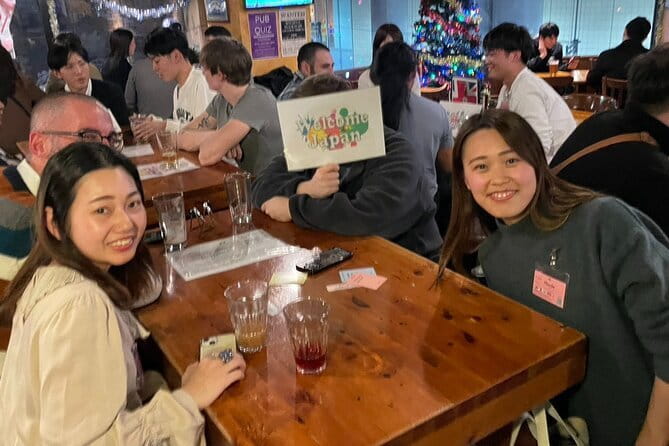
Meeting people in Osaka feels easier than you think. This Osaka language exchange at Pub Umeda is set up for chatting fast, even when your Japanese is shaky, with topic cards and guided group talk. It is a friendly way to learn useful phrases and swap ideas on what to eat and do.
Two things I really like. First, the event pushes you to speak in small mixed groups (usually 3 to 4 people), so you are not stuck performing for the whole room. Second, you get real-world recommendations from Japanese speakers, not just generic tourist tips.
One drawback to consider: food and drinks are not included, so you will be spending a bit extra if you want to eat or drink during the 2.5 hours. If you are on a strict budget, plan to treat the included gratuities as the only “extra” covered by the ticket.
Key things to know before you go
- Topic cards keep conversation moving so you are not left staring at your drink, hoping for the perfect sentence
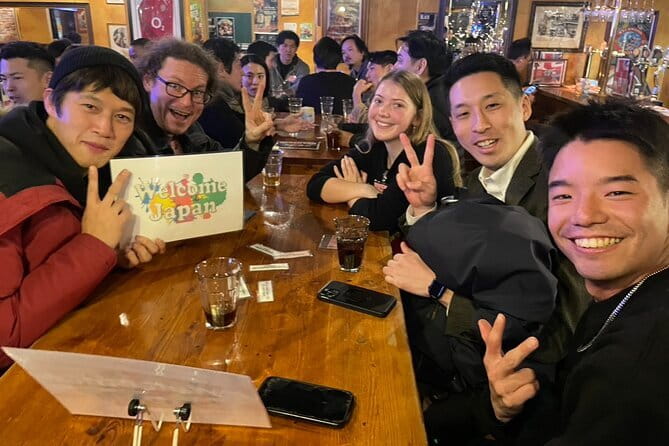
- Small groups of 3 to 4 mix Japanese and international participants for more balanced back-and-forth
- Seat swaps mean you get multiple speakers rather than having one chat partner the whole night
- English time is scheduled for about 15 minutes, which helps beginners feel less pressured
- Local Osaka ideas come from Japanese speakers including what to eat and what to do
A Osaka Pub That Turns Japanese Practice Into Real Talk
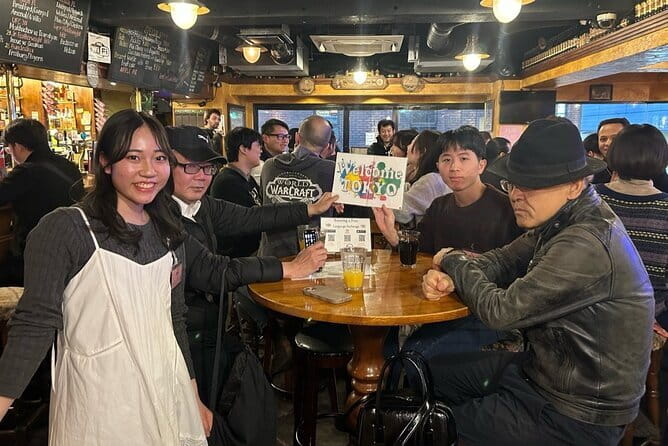
This experience works because it removes the usual friction of meeting people in Japan. You are not hunting for conversation partners in a crowded bar and guessing what to say. Instead, you walk into a setting designed for talking, with prompts and a structure that gently keeps the evening rolling.
I also like the tone. The event is built for all levels, including total beginners, and nobody is expected to be fluent. That matters in Osaka, where casual speaking can feel fast and natural. Here, you get permission to be a beginner, and your goal becomes making progress, not sounding perfect.
If your Japanese is limited, you can still participate. You can use the topic cards as a conversation engine, then add your own words as they come. If your Japanese is stronger, the group format still helps because you get repeated chances to speak, not one long monologue.
And yes, you might end up chatting longer than the scheduled time. The overall vibe is social, not stiff, and the best part is that you can leave with new friends, not just a stack of flashcards.
North of the river, and out to the bay
Where You Meet at HUB Umeda-Chayamachi, 7:30 pm timing
The meet-up point is HUB Umeda-Chayamachi Applause, with the event starting at 7:30 pm. The venue is near public transportation, which is a big deal in Osaka, where getting across town can eat up your evening if you misjudge trains and walking time.
Plan your arrival a bit early so you can check in calmly. After you register at the reception, you buy your drink from the store, then the event kicks off with chatting. That “grab a drink and start talking” rhythm is simple, but it helps you get into conversation mode right away.
Duration is about 2 hours 30 minutes, so it is not a huge time commitment. It is long enough for multiple rounds of speaking and seat changes, but short enough that even a shy first-time participant can make it through without feeling trapped.
One practical thought: since food and drinks are not included, you will likely want to eat beforehand. If you wait until the event, your budget can creep up fast.
Topics Cards and Seat Swaps: How the Conversation Gets Rolling
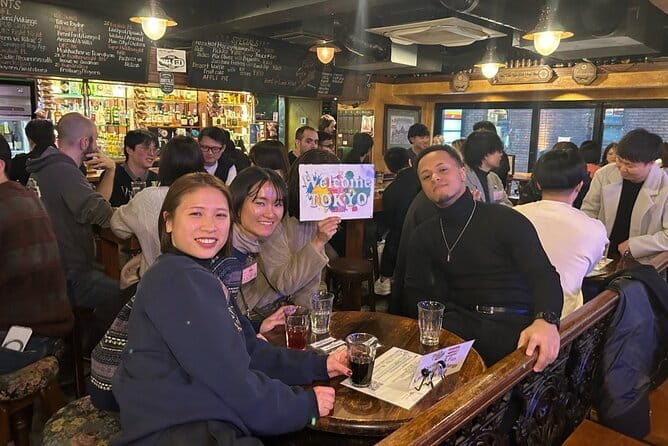
Here is the heart of the experience: the host sets the room up so you talk, not just listen. You get topic cards designed to spark conversation. Instead of thinking, Now what? you can start from the card, then branch out naturally.
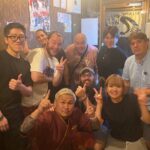
Groups are split into small teams of 3 to 4 people, and they include both Japanese and international participants. That mix matters. You are more likely to get corrections, explanations, and friendly repetition when you are not in a group where everyone is speaking the same language.
The staff also changes seats during the event. The goal is that you speak with multiple people more than once, not just one partner for the full session. In practice, this helps you hear different speaking styles, different vocabulary choices, and different levels of comfort. It also reduces the awkwardness of repeating the same story over and over to the same person.
You may notice the flow is timed so everyone stays included. The event uses staff prompts and topic cards so conversation stays active. If you are nervous, this structure is a lifesaver, because it gives you a path forward even when your brain goes blank.
A Scheduled English Break, Without Losing Your Japanese
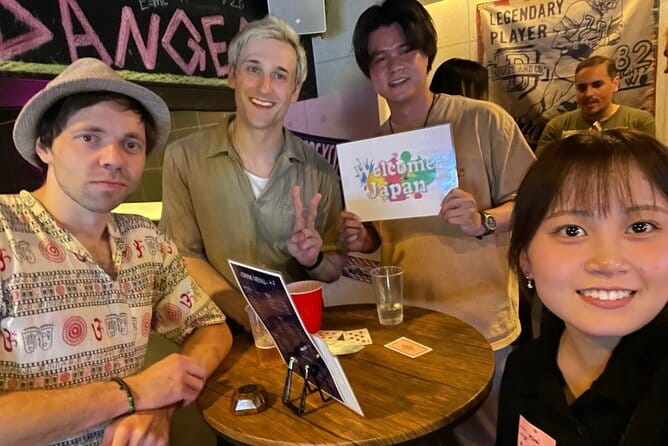
The event includes a 15-minute English conversation segment. This is smart for two reasons.
First, it lowers the pressure for beginners. If you want to ask a question but you do not have the Japanese words yet, you can use the English moment to get clarity. Then you can try again in Japanese during later rounds with a better idea of what you are aiming to say.
Second, it helps the entire group connect. Language exchange can sometimes turn into uneven conversations where one side does all the work. With a scheduled English window, people can regroup, laugh, and share context, which often makes the Japanese practice feel more natural afterward.
My advice: treat that English segment as training wheels, not a detour. You do not have to speak English the whole time, but you can use it to confirm meaning, pronunciation tips, or the right phrasing for a real-life situation.
If you are stronger in Japanese, you can also use the English time to explain things clearly. That still counts as language practice, because you are learning how to translate ideas, not just words.
Osaka Food and Activity Tips From Local Speakers
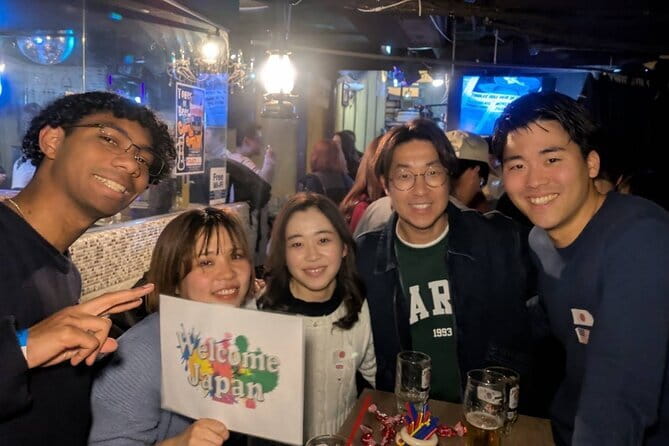
One reason I think this event is especially worth it in Osaka is the topic focus. You are not just practicing random phrases. You are asking for recommendations on things to do and eat in Osaka from Japanese speakers.
That kind of advice is hard to get on your own when your Japanese is limited. Even if you can read reviews, locals tend to recommend places based on time, mood, and what is convenient that week. You also get the little “why” behind a recommendation, like what to order or when to go.
The topic card prompts help you get started, but the real value comes when the conversation turns personal. You might learn a neighborhood to check out, a dish that matches your tastes, or a strategy for making an outing easier. Even if you only understand half the words, people usually slow down and repeat key parts when they see you are interested.
And since the group includes Japanese and international participants, you can cross-check ideas. That gives you a more balanced view, like comparing a local suggestion with what other people have enjoyed in the city.
If your Osaka plan is still vague, this event can help you shape it quickly. Walk in with curiosity, and walk out with a clearer short list.
Bars found for you, a few more
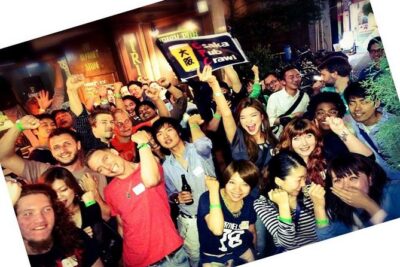
Hosts and Group Energy, From Hao to Edna
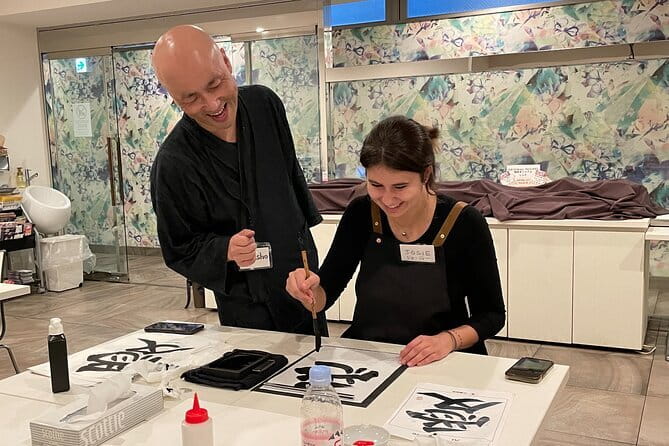
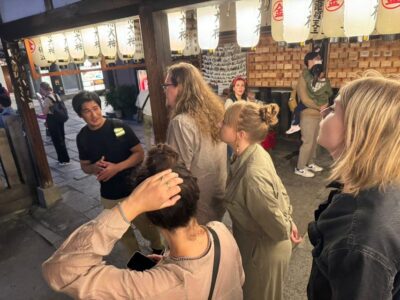
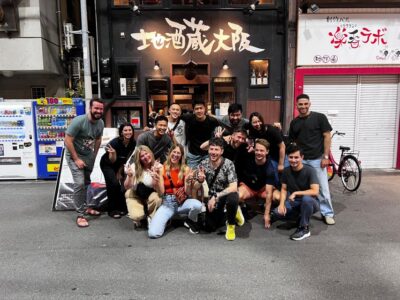
The success of this style of event depends on the host energy and the ability to manage group balance. In the experiences described, hosts such as Hao and Edna have been praised for being friendly and helpful, especially when group sizes are smaller.
That small-group flexibility matters. When fewer people show up, conversation can stall if a host cannot redirect smoothly. The hosts here appear to handle that well, keeping the evening moving and making sure you still get multiple speaking chances.
I also like the staff’s role in seating and re-mixing participants. It sounds like a minor detail, but it is not. Seat swaps reduce the chances of “buddying up” with one person and ignoring everyone else. It also spreads language opportunities across the room.
Look for that moment when the host shifts the group and you suddenly have a new partner. That is where your language practice spikes. You are forced to restart, paraphrase, and connect quickly, which is exactly what you want during a travel trip.
Price and Value: What Your $28 Really Covers
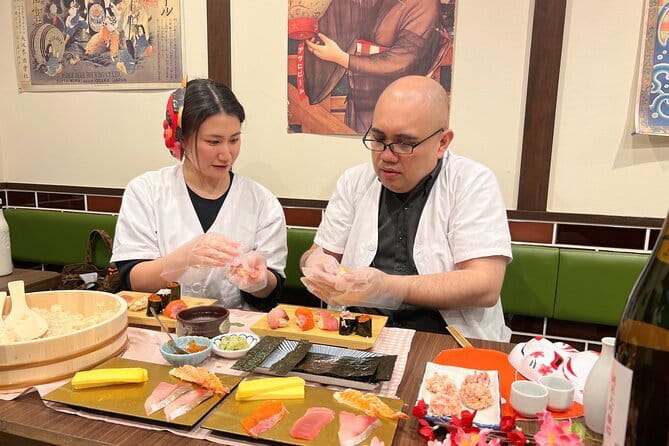
The price is $28.00 per person for about 2 hours 30 minutes. On paper, it can look simple. In practice, the value comes from what you do not pay for.
Your ticket includes admission and gratuities, which removes one small uncertainty. More importantly, you are paying for structure: topic cards, group organization, and staff-led seat rotations. That is hard to replicate casually on your own, especially if you are traveling alone and do not speak much Japanese yet.
Food and drinks are not included, so you still need to budget for your own order at the pub. If you plan to drink or snack, factor that in. If you plan to keep it light, treat the event as a conversation session with a drink on the side.
When it is a solo trip, this price can be a bargain. It is one evening where you are likely to meet multiple people and get local input, without the stress of orchestrating everything yourself.
Also, the event is commonly booked about 9 days in advance on average. If you know your schedule early, booking sooner helps you lock in the evening you want.
Tips for Beginners and Shy Speakers
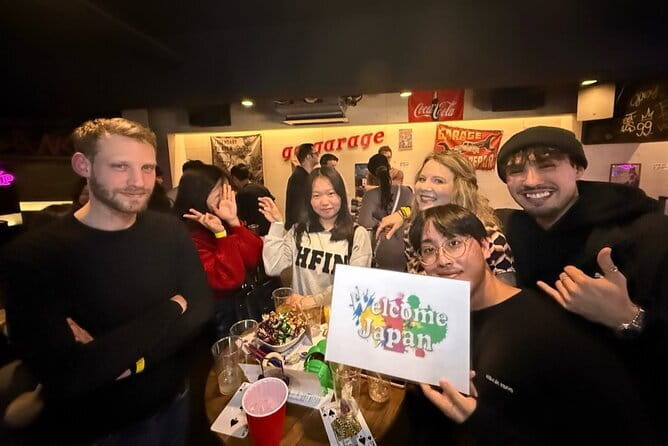
If you are a total beginner, you will be okay. The event welcomes all levels, and the structure is built to make participation comfortable. Still, you can make the experience smoother with a few prep moves.
First, bring a small list of personal basics you are ready to say in Japanese. Things like where you are from, what you like to do, and one or two food preferences. These are the phrases that let you contribute even if you miss everything else.
Second, use the topic cards actively. Don’t wait for the other person to carry the conversation. Point at the card theme, try a simple sentence, and then ask a follow-up question using what you know. If you freeze, it is fine. The whole room is in learning mode.
Third, prepare for seat swaps. When the host changes seats, think of it as a new mini-conversation, not a continuation of the last one. Repeat your basics quickly, then ask about their interests in Osaka.
If you are shy, here is the trick: aim for short answers that still feel friendly. A brief, correct phrase plus a smile beats a long sentence that you are guessing.
Who This Osaka Pub Language Exchange Fits Best
This event is a great match if you are traveling solo and want a low-stress way to meet people. It is also a smart choice if you want to practice Japanese in a real social setting, with help when you need it.
It is especially good if you fall into one of these categories:
- You can understand some Japanese, but speaking feels hard
- You are brand new and want a friendly first step
- You want specific local recommendations on what to eat and do in Osaka
- You prefer a planned structure instead of random bar flirting for conversation partners
If you are the type who likes free-form travel chats, you may still enjoy this because the conversation topics keep things moving. The key is that you are not improvising from scratch.
If you expect a formal lesson or grammar class, you might be disappointed. This is not that. It is about practical talk, using prompts and group interaction to build confidence.
Should You Book This Osaka Japanese Language Exchange Pub?
I think you should book it if you want a simple, social way to practice Japanese and meet locals and Japanese speakers without the usual awkward guessing game. The format is built to help you speak multiple times, and the topic cards plus seat swaps do real work to keep the night from stalling.
It might not be the best fit if you only want food and drink included, or if you would rather spend your money on a tour with sightseeing. Since food and drinks are on you, treat the ticket as the conversation plan, then decide how much to order at the pub.
One strong reason to go: you get Osaka-specific ideas straight from Japanese speakers, in a friendly environment that does not punish beginners. If that sounds like your kind of evening, this is an easy “yes.”
FAQ
What time does the experience start?
The experience starts at 7:30 pm at the meeting point near HUB Umeda-Chayamachi Applause.
How long does the Pub Umeda language exchange last?
It lasts about 2 hours 30 minutes.
How much does it cost, and what is included in the price?
The price is $28.00 per person. Admission is included, and the ticket includes gratuities.
Are food and drinks included?
No. Food and drinks are not included, and you can buy a drink from the store after check-in.
Is this experience suitable for total beginners?
Yes. The event welcomes Japanese speakers of all levels, including total beginners.
How are conversation groups organized?
Staff split attendees into small groups of about 3 to 4 people, with a mix of Japanese and international participants, and staff change seats during the event.
Can I get a full refund if I cancel?
Yes. You can cancel up to 24 hours in advance for a full refund.
One More Round in Osaka



More Tour Reviews in Osaka

North of the River and Out to the Bay

Latest out of Osaka


Umeda, Nakanoshima & Osaka Bay Tours, side by side.
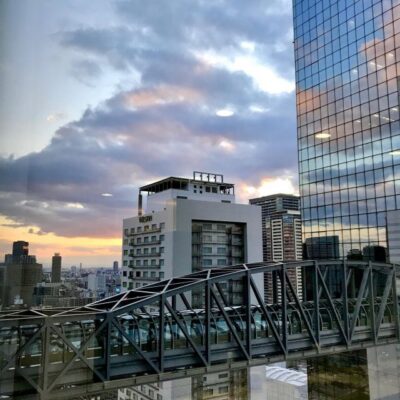 ★ 4.6Osaka: Umeda Sky Building Official E-TicketFrom $121,131 reviews
Osaka: Dotonbori River Cruise with Glico Sign & Neon ViewsFrom $12376 reviews
★ 4.6Osaka: Umeda Sky Building Official E-TicketFrom $121,131 reviews
Osaka: Dotonbori River Cruise with Glico Sign & Neon ViewsFrom $12376 reviews
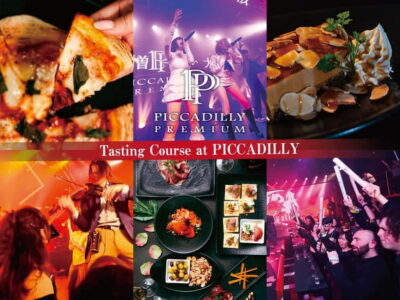 ★ 4.8Osaka Umeda: PICCADILLY DINNER SHOW & NIGHTCLUB with TastingFrom $3249 reviews
 ★ 3.5Osaka Afternoon Walking Tour with Osaka River CruiseFrom $8642 reviews
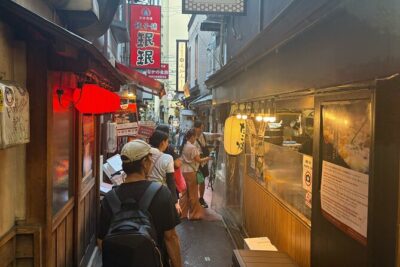 ★ 5.0Osaka Night Walk : Discover Umeda Food and PubFrom $11234 reviews
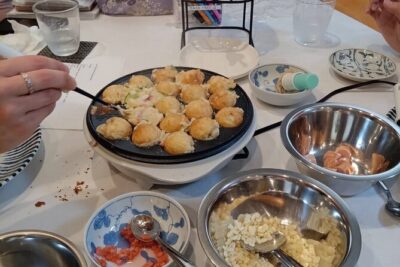 ★ 5.0Japanese home cooking class in Osaka UmedaFrom $5924 reviews
Osaka: HEP FIVE Ferris Wheel E-Ticket in UmedaFrom $519 reviews
Osaka 1 Day Walking Tour with River Cruise from Osaka or KyotoFrom $11916 reviews
★ 5.0Japanese home cooking class in Osaka UmedaFrom $5924 reviews
Osaka: HEP FIVE Ferris Wheel E-Ticket in UmedaFrom $519 reviews
Osaka 1 Day Walking Tour with River Cruise from Osaka or KyotoFrom $11916 reviews
Also worth a look in