
Neon Osaka looks different from the water. This short Dotonbori River Cruise puts the famous Glico sign and the Minami district neon reflections right where you can see them clearly, without getting stuck on the sidewalk. I also like the comfort level for the price, with lounge-style seating that feels more VIP than the typical quick boat stop.
One thing to plan around: the cruise is only 20 minutes, and there are no restroom stops onboard. If you want a long narration or lots of stops, this one is really built for photos, quick city views, and a calmer break from the crowd.
Key things to know before you board
- Glico sign viewing from the water: You’ll pass the neon moment in a way that’s hard to match from street level.
- BYO drinks friendly: You bring what you want, and you can relax with it while you float past the lights.
- VIP lounge-style comfort: Cushioned seating, plus cozy extras like blankets and rugs are part of the experience.
- Short, photo-focused route: It’s designed for fast, memorable angles rather than an all-afternoon canal tour.
- Less street crowd feel: The river view helps you get the highlights without the same constant foot traffic.
- Pets welcome: If you’re traveling with a small companion, this is one option that accommodates it.
Getting to Minatomachi Pier, and why it matters
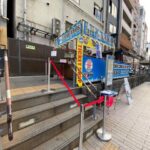
The cruise starts at Minatomachi Pier (A) along the riverfront in Osaka’s Chuo-ku area. It’s in the heart of the action, close enough that you can easily pair this with a walk through Minami before or after. The spot is a few minutes walk from the exact check-in point, so give yourself a little buffer.
Here’s the practical part: this is a quick ride, so arriving on time matters more than usual. You’re expected to be checked in at least 10 minutes before departure, and late arrivals won’t be allowed onboard. If you tend to wander, that’s fine, just treat this like a “catch the train” situation, not a casual drop-in.
More of the canal after dark
The route: how Osaka’s neon unfolds in 20 minutes
This cruise is short by design. You’re not signing up for a slow meander all day, you’re buying a concentrated look at central Osaka’s most famous riverfront energy. The route is:
Minatomachi Pier (A)
Then you pass the Glico sign along neon-lit Dotonbori
You continue toward Nihonbashi Bridge, where the mix of old and new feels extra clear from the water
A turnaround
Then you return past Dotonbori and the Glico sign again
Back to Minatomachi Pier (A)
The payoff is timing. Going at night means you get the lights on the walls and the lights reflected on the water, which is what makes Dotonbori look so cinematic. Golden hour to full night works too, but night is where the neon usually feels most dramatic.
Passing the Glico sign: the angle you actually want
The Glico sign is the obvious draw, but the reason this cruise works is the viewing angle. From the street, you’re often fighting for position behind crowds, signage, and the sheer noise of people. From the water, the neon sits in your frame with less visual chaos, and you can move your viewpoint naturally as the boat glides by.
This is also the moment for photos and short videos. The boat’s motion is real, so expect a little blur if you shoot on pure auto mode with a slow shutter. Still, the payoff is that the sign becomes part of a wider night scene, including reflections that are hard to replicate from land.
If you care about pictures, don’t just aim for the sign. Turn slightly and capture the street lights across the river too, since those reflections can look almost like a second neon layer.
Dotonbori from the river: a calmer way to see the crowds
Dotonbori at street level is intense. Even when you love it, you’re walking through a lot of people, loud visuals, and constant motion. From the river, the experience flips. You’re still in the center of it all, but you get a moving viewpoint that slows your brain down.
That’s why this feels like a good “first taste” of the area. You get the shape of the district quickly, then you can decide where to walk afterward. A lot of people use this as an intro, especially if they want the highlights without committing to a much longer boat day.
Also, because the cruise is comparatively short, you don’t feel dragged through it. It’s a quick win when your evening schedule is tight, or when you’ve already done your walking miles and you want a break.
Nihonbashi Bridge turnaround: where the scene shifts
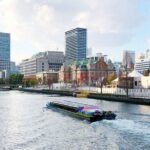
Nihonbashi Bridge is an interesting stop point because it gives you a sense of Osaka beyond one neighborhood’s neon. Even in a short cruise, the bridge area tends to feel like a pivot from the pure Dotonbori spectacle to something more layered: river, architecture, and traffic energy meeting in the same view.
The turnaround itself matters for photographers and people who just want a second look. You’re not only seeing the sights once. You get the sense of the river’s rhythm, then you see Dotonbori again on the way back with the lights still strong and steady in the night air.
If you’re the kind of traveler who likes to understand how a city is put together, this is a nice little reminder that Dotonbori is one slice of a bigger Osaka river system.
North of the river, and out to the bay
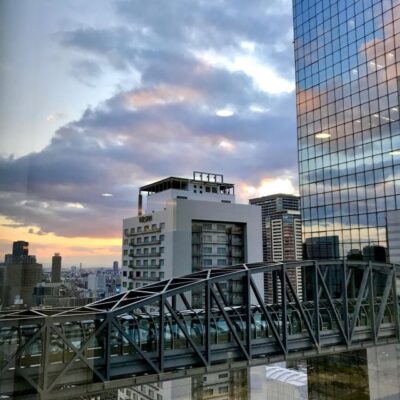
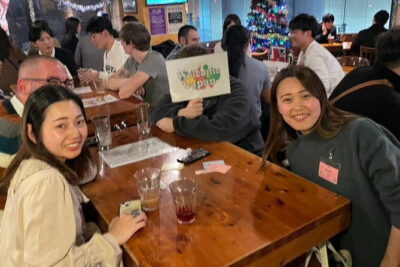

VIP lounge-style seating, blankets, and the BYO drinks angle
This isn’t a bare-bones boat where you just stand and brace yourself. The experience emphasizes comfort, with lounge-style seating that feels more relaxed than cramped. Multiple visitors noted the seats were cushioned and the boat felt less tightly packed than the big party-boat vibe.
A big practical win is the cold-weather setup. On chilly evenings, you’ll find blankets and a cozy touch like rugs mentioned in the experience feedback. That matters because a 20-minute cruise can still feel chilly if you’re near the water and the wind hits you.
And yes, the BYO drinks part is part of the charm. Drinks are not included, so you can bring what you like and set your own pace. It makes the cruise feel more like a personal evening plan instead of a strict tour format where you have to work around whatever’s provided.
One small thing to remember: there are no restroom stops during the cruise, so handle that before you board. If you’re with kids, bring that up early, and plan your route so nobody is rushing right before departure.
The staff vibe and photo support: what to expect on board
The experience runs like a small, friendly operation. Crew and guides are described as friendly, enthusiastic, and sometimes funny, which helps the vibe on a short ride. Some people also found the commentary more limited than they expected, especially regarding English details, so treat the narration as a bonus rather than the main event.
The most consistently praised add-on is the photo moment. There’s often a photographer involved who takes pictures during the cruise, and in at least some cases, the photos are provided for download free at the end. That’s a real convenience if you struggle to get sharp night shots of yourself.
My practical advice: assume your phone shots will do most of the work, and let the photo support cover the “we actually have pictures together” need.
Timing your cruise in Osaka’s night rhythm
Since this is a 20-minute cruise, timing isn’t about lining up with long schedules. It’s about matching the light. For the best neon effect, night is the obvious choice. Several people specifically recommended doing it at night because everything looks different once the streets fully light up.
If you can, aim for that sweet spot where the city is lit but you’re not too late into the night when you’re more tired and less patient with crowds afterward. But honestly, if your priority is neon views, just go when you’re least rushed.
Also check the operating hours. Cruises run daily from 10:00 AM to 10:00 PM, so you can usually work this into your day without forcing it.
Weather and rain: how the cruise handles Osaka’s conditions
Osaka weather can flip fast, and this cruise has a plan. If it rains, a roof will be installed so the cruise can keep operating. Still, strong winds or sudden heavy rain can lead to route changes or cancellations.
The operator shares updates: you’ll get status updates based on the weather forecast at 5:00 PM the day before, then the final decision is made 3 hours prior to departure. So if you’re planning dinner nearby, keep enough flexibility to adjust if the schedule shifts.
If rain hits, the reflections on the water can look extra dramatic. Just pack for the conditions you’ll actually face on arrival, because you’re on the river.
Is it worth $12? Value that actually makes sense
At around $12 per person for a 20-minute ride, this is priced like a highlight stop, not a full-day attraction. That’s good news if you want the Dotonbori hits without spending hours on the water or paying for a longer cruise.
What you get for the money is straightforward: boat fare and an experience fee, plus insurance are included. Drinks are the only big “no” here, but that’s also why the BYO setup is attractive. You control the beverage choice, and you can keep the overall cost down.
In terms of value, I like it most as:
- An affordable photo pass for people who want the Glico sign and neon reflections
- A low-commitment break between walking areas in Minami
- A comfortable option when you want something calmer than the street scene
If you expect a long, guided, every-bridge-explained type of experience, you may feel it’s too short. But for most people who just want the iconic Osaka night view, it hits the sweet spot.
Who this cruise suits best
This is a strong fit for a wide range of travelers because it’s short, comfortable, and easy to add to a day.
You’ll probably enjoy it if:
- You want iconic Osaka neon without walking the busiest blocks nonstop
- Your schedule is tight, and you still want a “thing we did” at night
- You like taking photos from a moving viewpoint
- You want a comfortable ride with blankets in cooler weather
- You’re traveling with pets, since pets are welcome
It might be less ideal if you strongly prefer long guided excursions, bathroom access during the tour, or extended time at multiple stops.
Should you book this Dotonbori cruise?
If you want a quick, comfortable night look at central Osaka, I’d book it. The combination of Glico sign views, neon reflections, and lounge-style comfort for the price is exactly the kind of practical add-on that makes a trip feel complete. Just go with the right expectations: it’s a short cruise, not a full narration marathon, and you should plan ahead since there are no restroom stops.
If you’re deciding between doing this or spending more time stuck in street crowds, this is the clean alternative. You get the highlights from a better angle, then you can walk afterward with a clearer sense of where you actually want to spend more time.
FAQ
How long is the Osaka Dotonbori River Cruise?
The cruise duration is 20 minutes.
Where does the cruise depart from?
The departure and arrival point is Minatomachi Pier (A) along the riverside in Osaka.
Are drinks included on board?
No. Drinks are not included, so you should bring your own.
Are there restroom stops during the cruise?
No, there are no restroom stops during the cruise.
What route sights will I see?
You’ll cruise past the Glico sign on Dotonbori, continue toward Nihonbashi Bridge, turn around, and return past Dotonbori and the Glico sign.
What are the operating hours?
The cruise runs 10:00 AM to 10:00 PM.
What should I do if it rains?
A roof will be installed to allow the cruise to operate as scheduled, but the cruise may be canceled or the route may be changed due to weather warnings, strong winds, or sudden heavy rain.
How late can I arrive for boarding?
You should arrive at the check-in location at least 10 minutes before departure. Late arrivals will not be allowed to board.
More Tour Reviews in Osaka

North of the River and Out to the Bay
The Canal After Dark, Continued

Latest out of Osaka


Dotonbori Neon & Street Food Walks, side by side.
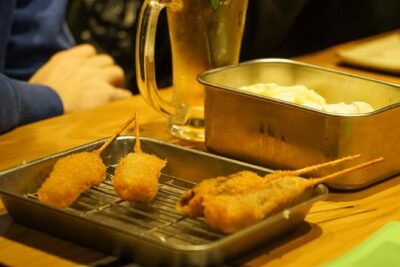 ★ 5.0Osaka Local Foodie Walking Tour in Dotonbori and ShinsekaiFrom $111985 reviews
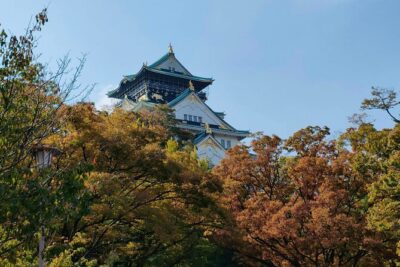 ★ 5.0Ultimate Osaka Walking Tour: Castle, Dotonbori & Hidden GemsFrom $73862 reviews
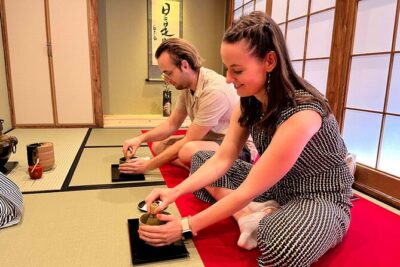 ★ 5.0Tea Ceremony Experience in Osaka DoutonboriFrom $20754 reviews
 ★ 5.0Osaka: Ramen and Gyoza Cooking Class in DotonboriFrom $70378 reviews
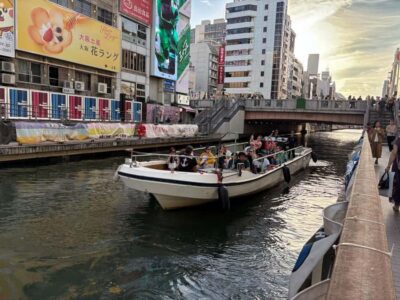 ★ 3.9Osaka: Dotonbori’s Bridges 20-Minute CruiseFrom $12303 reviews
 ★ 4.9Osaka: Roll and Authentic Sushi Making Class in DotonboriFrom $45239 reviews
 ★ 5.0Osaka Local Bar Crawl in Dotombori & Uranamba AreaFrom $26199 reviews
 ★ 4.9Osaka: Sushi Class in DotonboriFrom $67160 reviews