
REVIEW · UMEDA, NAKANOSHIMA & OSAKA BAY TOURS
Japanese home cooking class in Osaka Umeda
Cooking in an Osaka home beats restaurants. I like two things most: the real home setting with Hisako and Naoko, and the printed recipes that make your results easier to repeat later. You also get shopping tips and a clear explanation of how home cooking differs from what you usually see on restaurant menus.
This is a private class, so you can move at your pace and ask questions as you go. If you expect someone to drive you there, note the class does not include private transportation, so plan to reach the meeting point by public transit.
Key Things You’ll Love About This Osaka Home Cooking Class
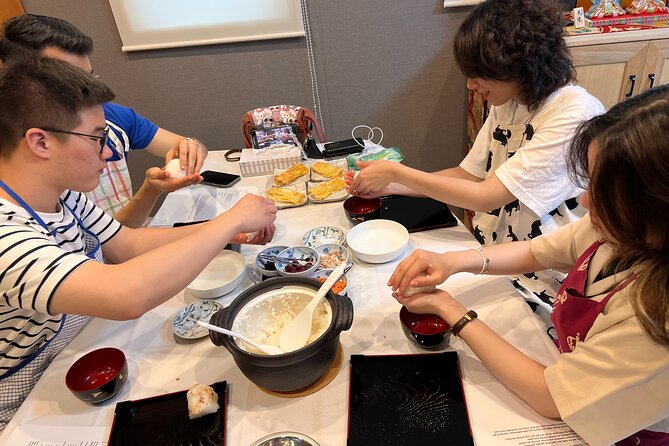
- Cook with Hisako and Naoko in a real Osaka house, not a studio kitchen
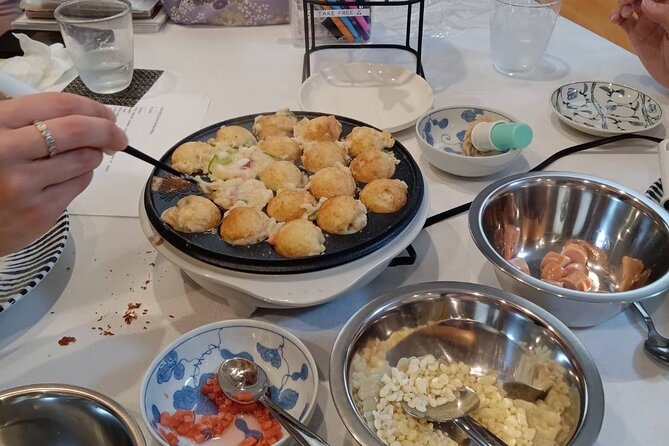
- Choose from a local menu of favorites like bento and takoyaki
- Get Japanese supermarket shopping tips, including which ingredients to buy
- Learn hands-on techniques (including dishes like udon, onigiri, tempura)
- Eat together with Japanese tea as part of the meal
- Take home printed recipes and instructions for later
Osaka Umeda Home Cooking Class, In a Real Kitchen
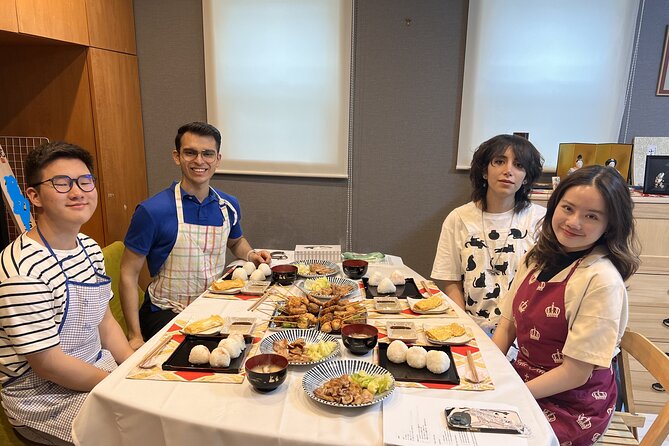
Osaka is famous for food, but most people experience it like a tourist circuit. This class flips that. You cook in a real home kitchen in Osaka, guided by Hisako and Naoko, and you eat what you make. It feels personal fast, not staged.
The big win is that you are learning the logic of Japanese home cooking, not just following steps. That means you get practical habits you can use when you shop, cook, and season at home.
And yes, it is private. That matters. You can pause, ask, and get feedback while you work, instead of being rushed along with a larger group.
North of the river, and out to the bay
Meeting Point and Getting There Without Stress
The class starts at 10:00 am at 1-chōme-4-1 Tamagawa, Fukushima Ward, Osaka, 553-0004. It ends back at the same meeting point.
The listing says it is near public transportation, so you should be able to get there without too much hassle. But because private transportation is not included, do yourself a favor and check your route before you go. Osaka stations and neighborhood streets can be confusing when you are hungry and carrying a big bag.
Bring comfortable shoes. You will likely be moving around a kitchen and dining area for about two hours, and you will want your legs to feel good.
What You Actually Do During the 2 Hours
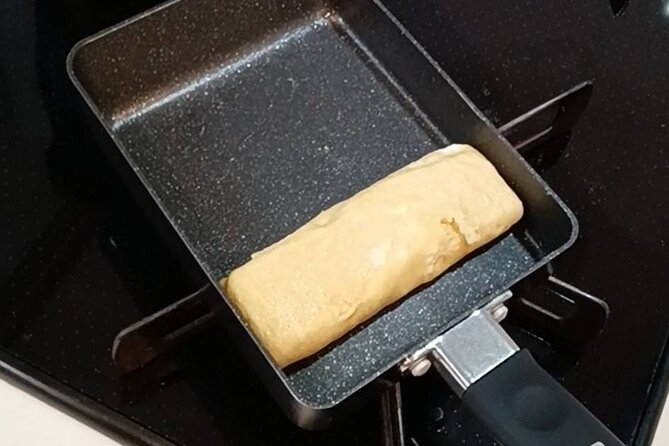
The overall flow is simple, and that is why it works. You cook, you eat, and you learn as you go.
You start in the kitchen and dining space of a typical Osaka home. From there, the host walks you through the recipe you picked from the local menu. Because it is private, you move at a comfortable speed, and you can ask why something is done a certain way.
Then comes the meal portion. You sip water and Japanese tea with each meal, and you sit down to eat together. This is not a quick tasting. It is lunch, and you get to enjoy the results instead of immediately packing up.
Choosing Your Dish: From Bento to Takoyaki and More
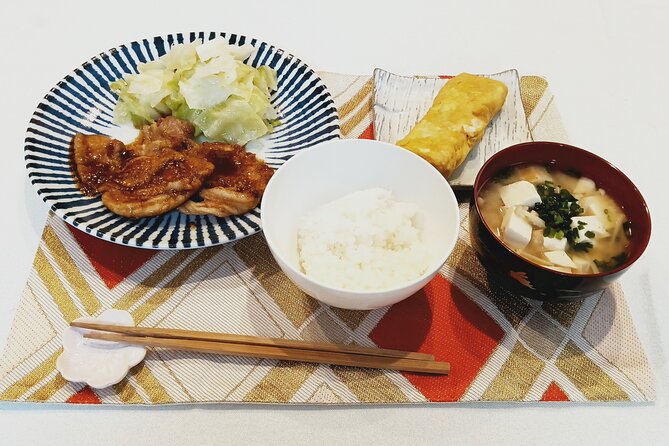
One of the coolest parts is that you choose from a menu of local specialties. The highlights specifically call out bento and takoyaki, and the experience also includes examples like udon, onigiri, and tempura.
Here’s how to think about this choice: pick something you would actually cook again after the trip. If you love noodle dishes, go with udon. If you want something fun and hands-on, consider takoyaki or tempura. If you like compact, portable food, bento and onigiri are great for home practice.
Also, you learn technique, not just the final plate. Many cooking lessons stop at assembling. This one focuses on the steps that make you more confident later, like how to shape, prep, and control timing while cooking.
If you have a couple or family group, this is friendly for sharing. More than one review mentions that it is a great format for couples, and kids can enjoy the hands-on parts too.
Shopping Smarter at Japanese Supermarkets
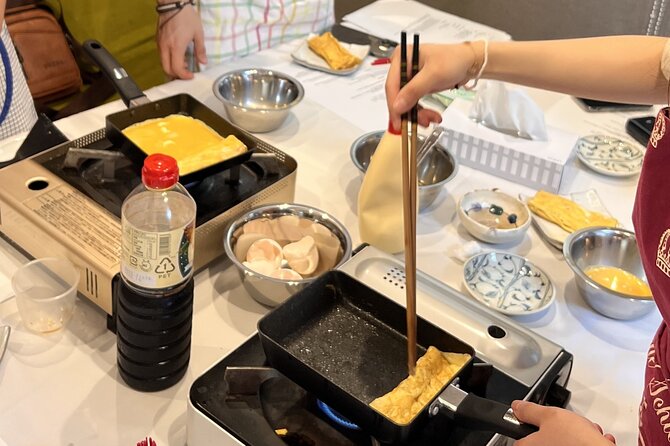
Japanese home cooking starts before the stove. This class builds that foundation with tips on shopping at Japanese supermarkets and which ingredients to buy.
I love this part because it saves you money and confusion later. Japanese pantry items can look similar, but small differences matter for flavor. The class helps you understand what you should actually look for when you shop, and what will be easiest to recreate at home.
Practical example of why this matters: if you want the same taste you had in Osaka, it is not enough to buy one bottle and hope for the best. You need the right type, the right label, and ideally the right substitutes if you cannot find the exact ingredient where you live.
More kitchen tables to sit at
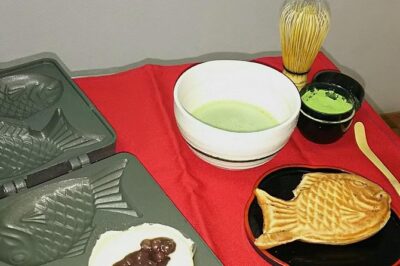
Learning Japanese Home Cooking Versus Restaurant Food
One promise of the experience is that you learn the difference between Japanese home cooking and the Japanese food you get at restaurants.
I take that to mean this: restaurant food is designed for speed, consistency, and presentation. Home cooking is designed for what makes sense at home: what ingredients are available, what the family likes, and what fits your equipment.
In the class, you see that difference through the recipes being more accessible. Reviews mention the host breaking cooking into easy steps, and that is exactly what you want if you are trying to replicate the food later. The goal is confidence, not perfection.
So instead of feeling like Japanese food is a locked skill, you start to realize it is learnable. And when it is learnable, you will actually cook it again.
Inside an Osaka Home: The Meal Part Matters
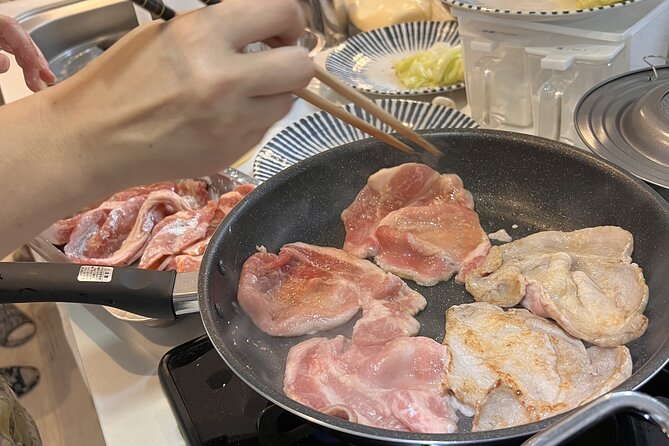
Cooking is only half the experience. The other half is eating it the way locals do: together, in the dining space, not standing around taking photos.
You sip water and Japanese tea with the meal. That small detail changes the whole pace. Tea is part of how Japanese meals feel grounded, and it is a nice reset after the work of cooking.
Some reviews also mention a tea ceremony element and even kids wearing traditional kimonos. Those touches may depend on your group and what is happening during your session, but they fit the overall cultural focus of the class: food plus everyday traditions.
Teaching Style: Patient Steps and Real Feedback
The teaching style is a big reason people rate this so highly. Reviews consistently highlight that Hisako and Naoko are kind, patient, and great at breaking the cooking into easy steps.
I especially like that the class is structured for real understanding. You are not just copying motions. You are getting guidance while you cook, which is the fastest way to avoid the common mistakes that make food fail.
A practical bonus: you get printed recipes and instructions to take home. That means when you are back in your kitchen and you forget one detail, you are not stuck guessing.
And yes, there is usually time to ask questions beyond cooking. Some reviews mention recommendations for local attractions, which can help you connect this class to the rest of your Osaka day.
Dishes and Techniques You May Cook
Because the exact menu can vary, I will focus on what the experience clearly supports.
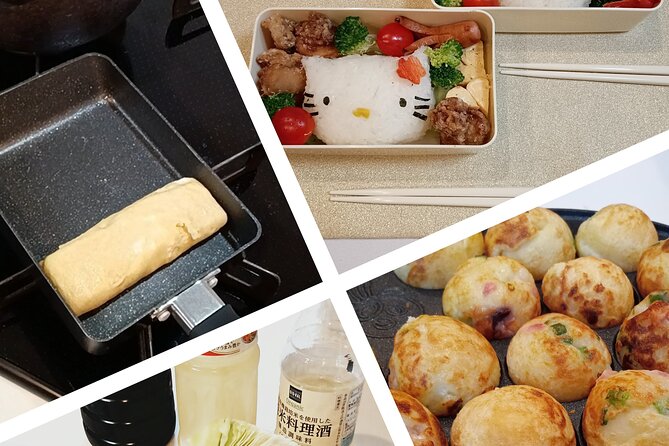
- Bento-style cooking: Reviews mention making cute bento boxes. This is great if you want to learn how Japanese meals are portioned and arranged, not only how they taste.
- Takoyaki: Listed in the highlights. If you choose this, you are learning how to shape and cook small bites with technique and timing.
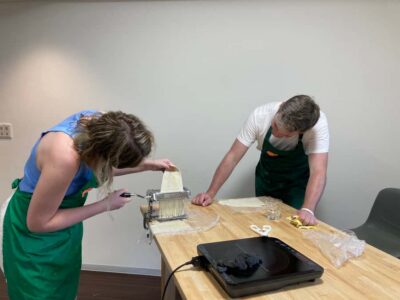
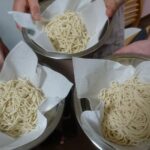
- Udon: Reviews mention udon, and that means you are likely working with noodle-related steps that can feel intimidating until someone shows you the practical method.
- Onigiri: Reviews mention onigiri. This is excellent for home use because it is portable and flexible with fillings.
- Tempura: Reviews mention tempura and making everything from scratch. This can be a confidence builder, especially if you have never fried anything before.
If you are nervous about cooking, pick something you already like. Motivation helps. But the teaching style here is geared toward beginners, and the steps are meant to be approachable.
What This Is Worth for $59.12
At $59.12 per person, this is not a budget street-food snack. It is a paid experience with real overhead: a real home setup, a private session, ingredients, and two instructors guiding you.
So the value question is not just cost per dish. It is cost per confidence. You are learning ingredients, technique, and the logic of Japanese home cooking in about two hours. Then you take home printed instructions, which extends the value beyond your meal.
It is also private, which usually costs more than group classes. If you are a couple, a small group of friends, or traveling with kids, private format can make it feel like you are paying for attention, not just food.
If you want to learn one reliable Japanese skill you can repeat at home, this price starts to look reasonable fast.
Who Should Book This Class in Osaka Umeda
This is best for people who want more than eating. You should book it if you like hands-on experiences and you enjoy practical lessons you can carry home.
It is especially good for:
- Food lovers who are tired of only ordering dishes
- Couples who want a unique, shared activity
- Travelers who want supermarket guidance, not only recipes
- Anyone who prefers private teaching and personalized pacing
- Families looking for a friendly cultural activity with food
If you only want a quick taste and zero effort, you might find it too hands-on. But if you want to cook, this is the right kind of lesson.
Quick Practical Tips Before You Go
- Go hungry. Lunch is included, and you will enjoy the meal more when you worked for it.
- Ask your host about ingredient choices if you have dietary preferences. The class is interactive, and you should be able to clarify what works for you.
- Take photos, but also plan to use the printed recipes later. The real value is what you do after the trip.
- If you are coming from the Umeda area, build in extra time for navigation. Osaka is easy once you settle in, but day one can be tricky.
Should You Book This Osaka Home Cooking Class?
If you want a cooking lesson that feels like Japan at home, not Japan on a schedule, I think you should book it.
Choose this class if you care about real-home context, want printed recipes you can follow, and like the idea of learning what to buy at Japanese supermarkets. The private format is a strong plus, and the focus on accessible steps makes it feel doable, even if you are not a confident cook.
Skip it only if you do not want to cook at all, or if you are relying on the operator to provide transportation. You will be using public transit, and you should plan your route like a grown-up.
If those points work for you, this is the kind of experience that turns into a personal skill, not just a memory.
More Tour Reviews in Osaka



More Kitchen Tables to Sit At

North of the River and Out to the Bay


Latest out of Osaka


Umeda, Nakanoshima & Osaka Bay Tours, side by side.
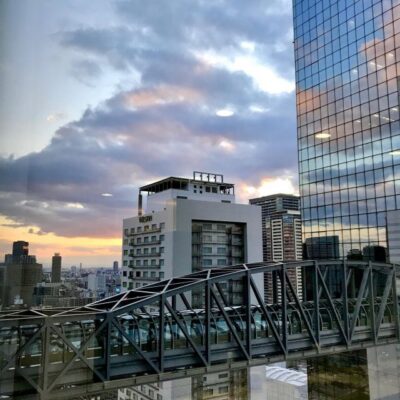 ★ 4.6Osaka: Umeda Sky Building Official E-TicketFrom $121,131 reviews
Osaka: Dotonbori River Cruise with Glico Sign & Neon ViewsFrom $12376 reviews
★ 4.6Osaka: Umeda Sky Building Official E-TicketFrom $121,131 reviews
Osaka: Dotonbori River Cruise with Glico Sign & Neon ViewsFrom $12376 reviews
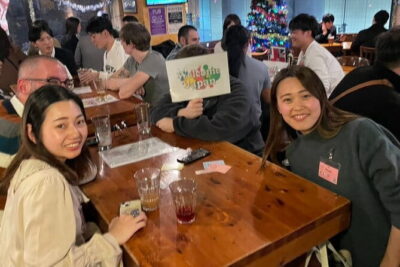 ★ 5.0Meet Osaka locals and Japanese speaking experience at Pub UmedaFrom $2858 reviews
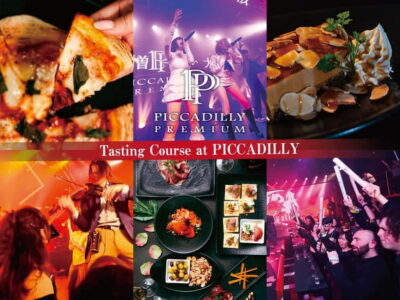 ★ 4.8Osaka Umeda: PICCADILLY DINNER SHOW & NIGHTCLUB with TastingFrom $3249 reviews
 ★ 3.5Osaka Afternoon Walking Tour with Osaka River CruiseFrom $8642 reviews
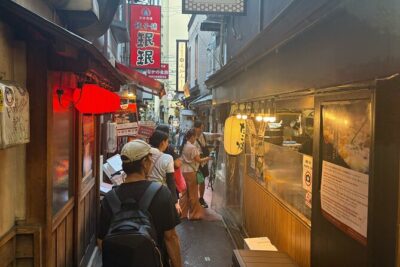 ★ 5.0Osaka Night Walk : Discover Umeda Food and PubFrom $11234 reviews
Osaka: HEP FIVE Ferris Wheel E-Ticket in UmedaFrom $519 reviews
Osaka 1 Day Walking Tour with River Cruise from Osaka or KyotoFrom $11916 reviews
★ 5.0Osaka Night Walk : Discover Umeda Food and PubFrom $11234 reviews
Osaka: HEP FIVE Ferris Wheel E-Ticket in UmedaFrom $519 reviews
Osaka 1 Day Walking Tour with River Cruise from Osaka or KyotoFrom $11916 reviews
Also worth a look in