
REVIEW · OSAKA HOME COOKING CLASSES
Enjoy artistic TEMPURA Cooking Class
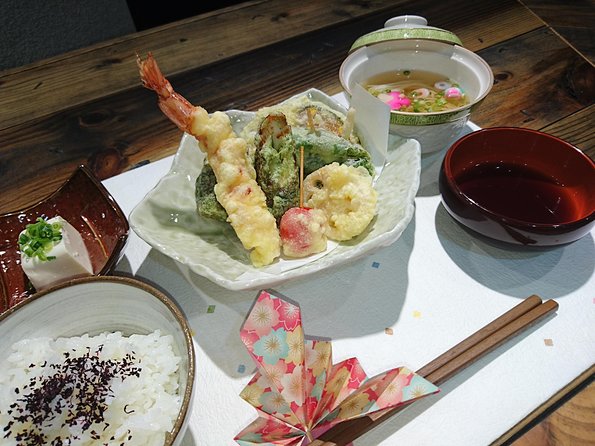
One of the nicest ways to understand Osaka food is to cook it. This small-group class focuses on tempura and the key broth behind it, Dashi, so you learn the why, not just the how. You work through traditional Dashi first, then move into hands-on knife work and frying for six different tempura styles, including a big shrimp.
What I like most is the payoff. You don’t just watch and snack, you eat everything you prepare at the end of class, served with steamed rice and chilled tofu. The other big win is that you get recipes to take home, so the skills do not vanish the next day.
One consideration: it is seafood and vegetable focused. If you avoid seafood or have strict dietary needs, you may want to check details before you book, since the menu includes two seafood tempura types.
Key points worth your attention
- Eight-person max class means you get real attention, not a quick walkthrough and hope for the best
- Dashi soup stock first, so your tempura learning has real context
- Six tempura types in about two hours, including a big shrimp
- You eat what you cook, with steamed rice and chilled tofu
- Recipes to take home help you repeat the results later
Osaka Tempura Class in a Small Kitchen, With Real Results
Osaka is a city that loves skills. It is not only about eating well, it is about learning methods you can actually repeat. This class hits that sweet spot fast, because you start with fundamentals and then get right into making the food.
The experience is small, capped at 8 travelers, and it runs about 2 hours. That short window matters. You get a structured flow without feeling stuck in a half-day tour rhythm.
The price is $70.79 per person. That is not bargain-bin pricing, but it is reasonable for a hands-on cooking session where you get ingredients, tools like knives and boards, instruction, and then a meal made by you. Also, you get recipes to take home, which turns the cost into something more than one night out.
More kitchen tables to sit at
Start With Dashi: The Broth That Makes Japanese Cooking Click
The class begins with a simple instruction that feels bigger than it sounds: start with Dashi. Your instructor guides you step by step through making savory soup stock, plus tips for getting the broth to look and taste right.
Why this matters for your tempura day: Dashi is a base flavor in a lot of Japanese cooking. Even though your final meal is tempura with rice and chilled tofu, you are training your taste and your sense of seasoning from the start. You are learning the backbone of the cuisine, not just the final crunch.
What to watch for here is technique. When a class starts with broth, you can usually tell how the instructor thinks. In this case, the teaching style is described as courteous and joyful, which is the kind of tone that keeps you calm when your hands are working and your attention is split.
Practical tip: wear clothing that can handle kitchen life. You will put on an apron at the start, but frying and broth prep can still mean tiny splashes and floury air. If you are traveling light, go for a top you do not mind getting a little cook-stuff scent on it.
Knife Work and Prep: Turning Ingredients Into Tempura Candidates
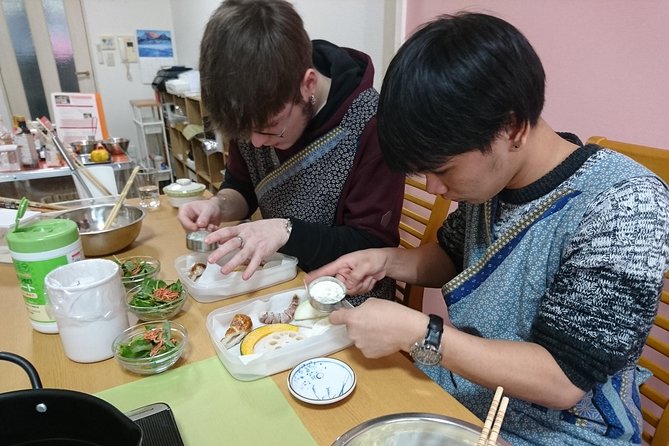
After Dashi, the focus shifts to your hands. Kitchen knives and chopping boards are provided for each participant. That is a big deal when you are traveling, because it saves you from hunting for a knife set, and it also means the station setup is designed for one clear goal: prep the ingredients safely and efficiently.
You prepare the ingredients for four vegetable tempura and two seafood tempura, including one big shrimp. The exact mix keeps things interesting because you are not just doing one flavor profile over and over. Vegetables test your batter balance and frying timing, while seafood brings its own texture demands.
This is also where you learn to slow down. Tempura is not only about frying. It is about prep quality. If your pieces are uneven, they cook unevenly. If your batter is too thick or too thin, you lose that delicate crispness. A good class format makes those lessons feel practical, not theoretical.
And because the group stays small, you are not stuck waiting for the instructor to finish helping the person next to you. That smaller size is part of the value here.
Frying Six Types of Tempura in Two Hours
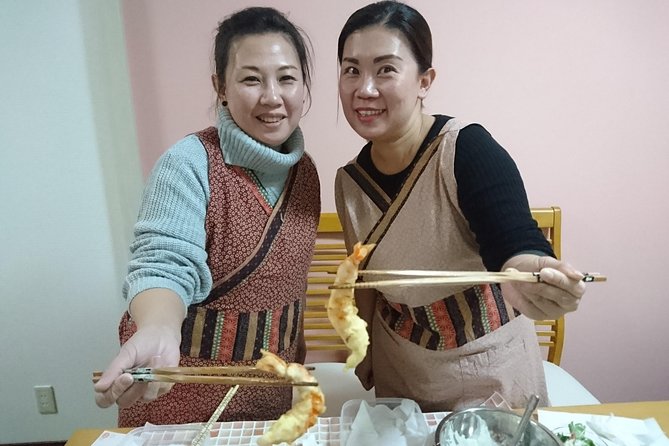
Tempura is famous for its crisp exterior and tender interior. The challenge is that the window is short. Oil, batter, and cooking time work together, and you can feel it when you are doing it.
In this class, you work through six tempura types:
- 4 vegetable tempura
- 2 seafood tempura, including one big shrimp
Even if you have made tempura before at home, you may still appreciate the structure. A method-led cooking class tends to teach you what to prioritize in the moment. Instead of guessing, you follow guidance while your frying happens.
Also, having multiple types in one session is great for memory. Your brain tags each piece by ingredient and texture. Later, when you cook again, you will remember what you learned because it is linked to a specific outcome.
One more reason this format works for travelers: you are not stuck in a single repetitive station for the entire time. You prep, cook, and then move on. It keeps energy up and makes the two hours feel full but not chaotic.
The Best Part, You Eat Everything You Make
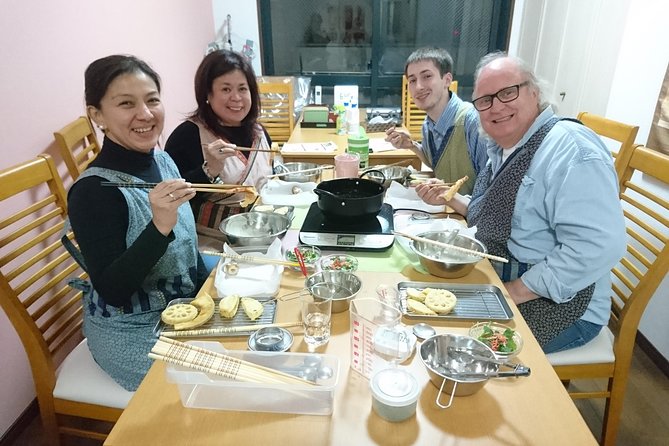
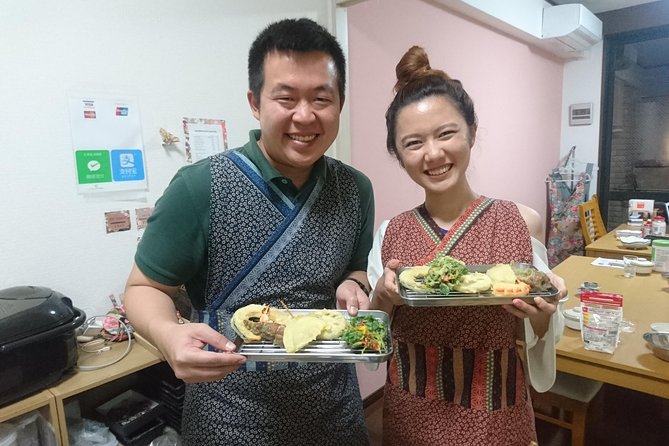
At the end, your dishes are served for eating, and yes, you eat everything you prepare in class. You also get chopsticks, and you start the meal with the customary Itadakimasu.
Your tempura comes with steamed rice and chilled tofu. That combination is smart. Rice gives you comfort and a neutral base, and chilled tofu adds a cool, clean contrast to hot fried food.
This is where the class turns from a cooking lesson into a real travel experience. You get to taste what you made, immediately, while the technique is fresh in your mind. If you only watched a demonstration, you would miss that feedback loop.
And if you love the idea of eating what you cook, this is one of the few cooking classes that does not treat the meal as an afterthought. It is not a token bite. It is a full plate made by you.
More things to make and take home
What the Recipe Handout Changes for Future You
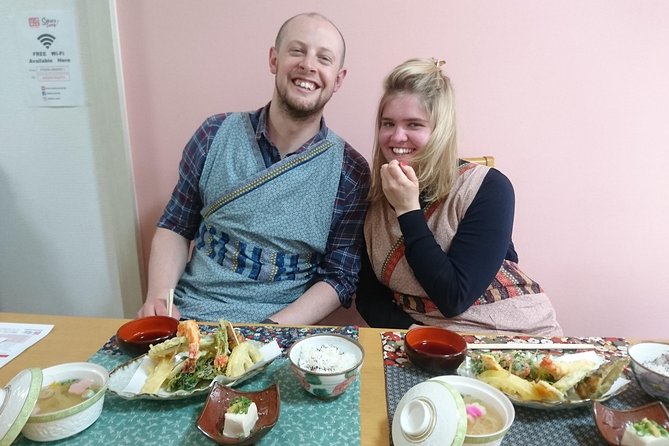
One common worry with cooking classes is forgetting what you did once you are back home. This class addresses that with recipes to take home. That means you can reproduce your broth steps and your tempura process later, without trying to reconstruct everything from memory.
For travel value, this matters more than people think. A two-hour experience is fun, but recipes give you something that can last for months. If you plan to cook for friends, or you just want a reliable dish for weeknights, this is the kind of skill that actually sticks.
If you want to practice soon after the class, I suggest you set aside time to cook again within a few weeks. The technique will feel easier right after, and the differences you notice will help you remember what your instructor emphasized.
Where It Fits in Your Osaka Schedule, Lunch or Dinner
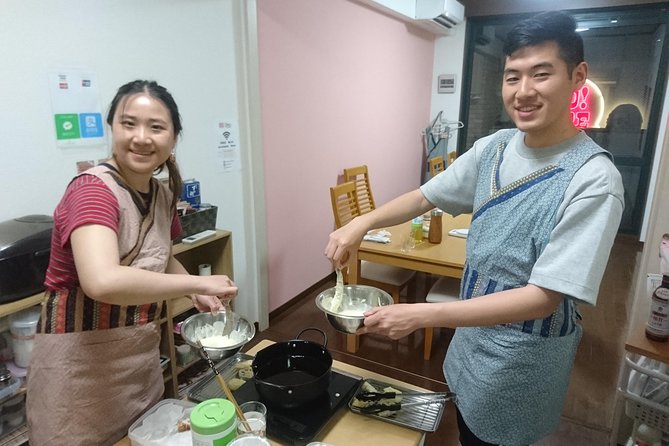
You can choose a lunch or dinner experience. That flexibility helps a lot in Osaka, where you might plan a neighborhood crawl and need your schedule to cooperate.
The class itself lasts about 2 hours, which is a manageable chunk. It is short enough that you can still fit it into a sightseeing day, and long enough that you truly do multiple steps instead of just assembling ingredients.
The meeting point is at 1-chōme-17-20 Kitahorie, Nishi Ward, Osaka, 550-0014, Japan. The activity ends back at the meeting point, so you do not need to worry about figuring out a complicated return route after the meal.
It is also near public transportation. That detail matters because cooking classes can be time-sensitive. When you are not fighting transit logistics, you arrive calmer and start cooking with better focus.
Price and Value: Is $70.79 Worth It?
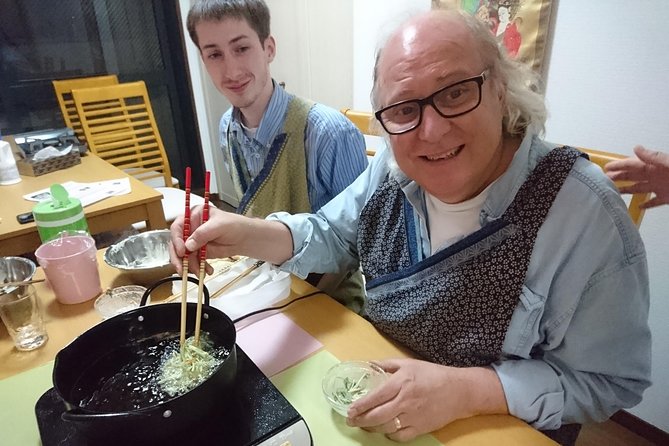
$70.79 per person can feel steep if you compare it to restaurant meals. But cooking classes are different value math. You are paying for instruction, tools, ingredients, and a guided sequence that turns unfamiliar steps into doable results.
Here is what supports the value:
- Small group size (max 8 travelers) means more attention
- You learn Dashi plus six tempura types
- You receive knives and chopping boards for prep
- You get to eat everything you make
- You take home recipes, which extend the benefit beyond the cooking session
If your travel style is hands-on, learning food technique is one of the best ways to spend time in Japan. You come away with not only photos and a meal, but a skill you can repeat.
Who This Tempura and Dashi Class Is Best For
This class fits travelers who want a short, high-impact food experience. If you enjoy cooking or you simply want to understand Japanese technique, this is an easy yes.
It also makes sense if you are visiting Osaka and want something calmer than another crowded food street stop. The small group size helps you feel like you are in a real kitchen lesson, not part of a production line.
Consider booking if:
- you want to learn Dashi basics, not just tempura
- you like eating what you cook
- you are okay with a seafood-inclusive menu (vegetables plus two seafood tempura types, including big shrimp)
If you have any strict dietary restrictions, do a quick check with the provider before you go. The menu is structured, and the class includes seafood, so you want clarity ahead of time.
Should You Book Sakura Cook Tempura Training?
I think this is a smart booking for most first-time Japan food learners, especially if your schedule is tight. The best reason to book is simple: you get Dashi training, six tempura types, and a meal you made yourself, all in about two hours, with a small group size that supports real teaching.
Also, the recipes to take home are a practical bonus. They turn the class into something you can recreate, which makes your $70.79 feel less like a one-off experience and more like a skill purchase.
My advice: book it if you want a method-based food lesson that ends with an actual, satisfying meal. If you only want to eat tempura once, a restaurant might be cheaper. But if you want the technique and the taste payoff in the same session, this class is a strong match.
FAQ
Is the tempura class limited to a small group?
Yes. The class has a maximum of 8 travelers.
How long is the cooking class in Osaka?
It runs for about 2 hours.
What will I cook during the class?
You will make Dashi soup stock, and you will prepare 6 types of tempura. The class includes 4 vegetable tempura and 2 seafood tempura types, including one big shrimp.
Do I get to eat what I cook?
Yes. You eat everything you prepare in the class. The meal is served with steamed rice and chilled tofu.
Where is the meeting point?
The start location is 1-chōme-17-20 Kitahorie, Nishi Ward, Osaka, 550-0014, Japan, and the activity ends back at the meeting point.
Can I cancel and get a full refund?
Yes. You can cancel for a full refund if you cancel at least 24 hours before the experience’s start time.
Make Something to Take Home
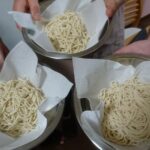
More Tour Reviews in Osaka


More Kitchen Tables to Sit At
Latest out of Osaka


Osaka Home Cooking Classes, side by side.
 ★ 5.0Osaka: Ramen and Gyoza Cooking Class in DotonboriFrom $70378 reviews
 ★ 4.3Osaka: Sumo Stage Show with Bento or Snack + Fight & PhotoFrom $93364 reviews
 ★ 5.0Osaka Cooking Class: Okonomiyaki &Japanese cuisines experienceFrom $104261 reviews
 ★ 5.0Ramen and Gyoza Cooking Class in OsakaFrom $79202 reviews
 ★ 5.0Osaka Sake Tasting with Takoyaki CookingFrom $70156 reviews
 ★ 5.0Osaka Sake Tasting & Takoyaki Cooking ExperienceFrom $72149 reviews
 ★ 5.0Cooking Ramen&Gyoza/KatsuCurry/Bento/Okonomiyaki+Store Tour@OsakaFrom $85138 reviews
 ★ 5.0Three Types of Ramen Cooking Class in OsakaFrom $79119 reviews
Also worth a look in