
REVIEW · OSAKA RAMEN & GYOZA CLASSES
Cup Noodles Museum Guided Tour in Osaka
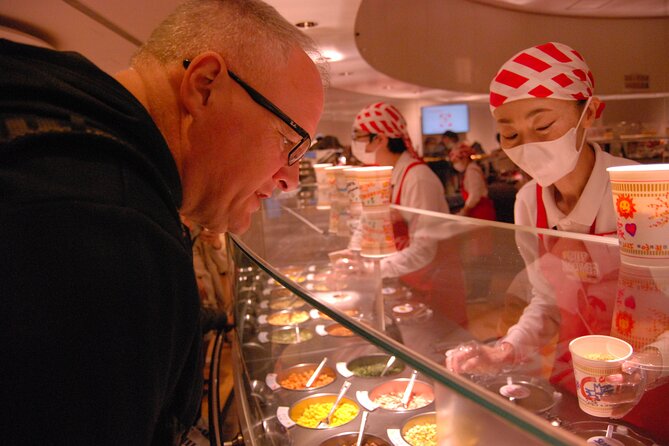
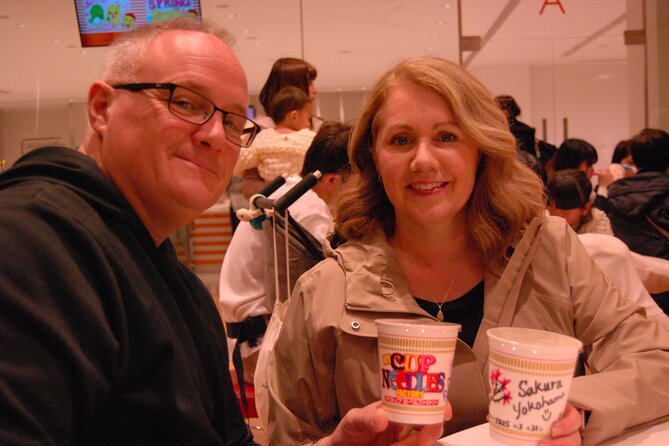
Cup Noodles has a real hometown in Osaka. In Ikeda’s Cup Noodles Museum, you get to design your own cup and choose your flavor and ingredients, then hear the story of the company behind the snack. I especially love the hands-on Cup Noodle design part, and I also like having an English-speaking guide to keep the experience moving and understandable.
One consideration: this experience is not suited for people with dietary restrictions on meat in general, since ingredient choices may include meat-related options.
Key highlights you should know

- Ikeda setting, where Cup Noodle was born, makes the whole workshop feel more meaningful than a typical attraction
- Small group size (up to 8) keeps questions from getting lost in the crowd
- English-speaking guidance makes the museum history easier to follow
- Create-your-own cup lets you make real choices about design and flavor/ingredients
- Take photos as you go, so you can actually remember what you made
- Near public transportation, so getting there does not feel stressful
Cup Noodles Museum Ikeda: why this feels different from a normal attraction
This tour is built around one simple idea, you make your own Cup Noodle in the town where the product started. That birthplace context matters. Instead of just reading about food marketing or watching a quick video, you’re actively creating something that connects you to the brand story.
The visit also has a museum component, with multiple spots to enjoy and a guided explanation of how the company became what it is today. You get both the hands-on part and the learning part in a single 1.5-hour window, which is a big deal if you want a memorable activity but do not have a full day to spare.
I like that it is practical, not performative. You choose what you want to put together, you get help from the guide, and you leave with a clear sense of what Cup Noodle means in Japan.
More broth and more pleats
Stop 1 inside the museum: making your own cup, then using the time well
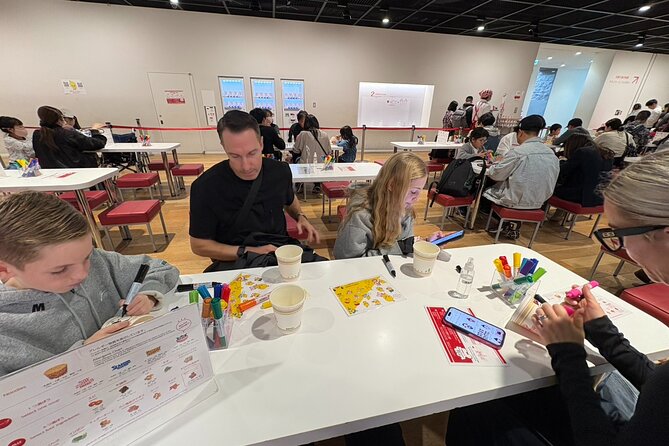
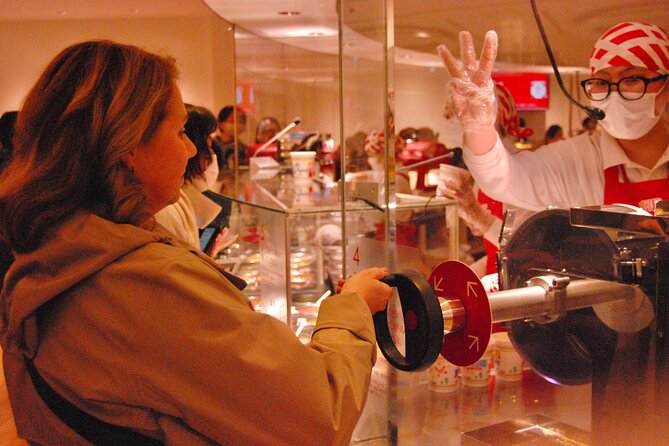
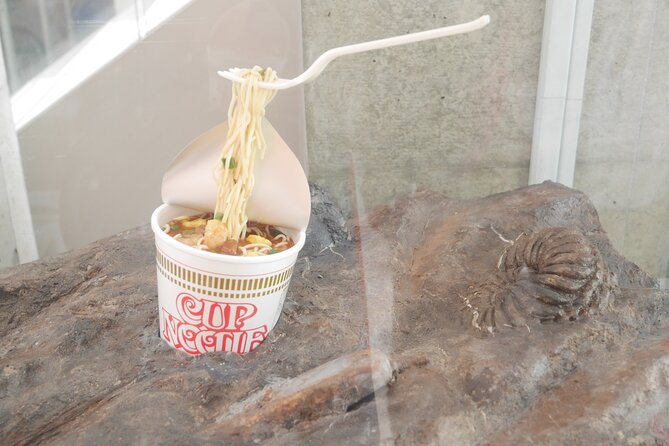
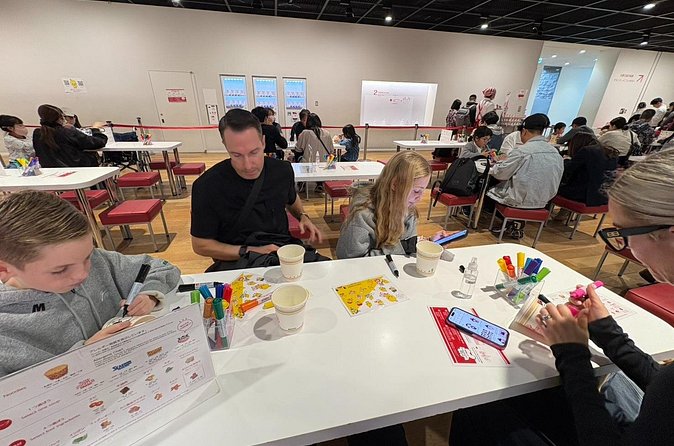
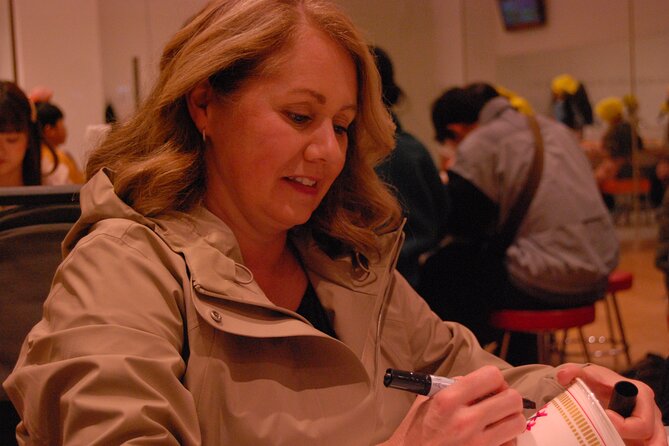
Your experience centers on one main stop at the Cup Noodles Museum Osaka Ikeda. The core activity is straightforward: you create your own cup, including your design and your own flavor and ingredient combination. That hands-on element is the reason this works so well for groups and solo travelers alike, because everyone has something personal to focus on.
A good way to think about it: the museum experience becomes easier when you have a task. You will naturally look around, listen to what the guide explains, and take photos because the activity gives you a reason to pay attention.
The tour also includes museum time to learn the unique history of the company. Based on the style of the guided experience, you can expect the guide to connect the history to what you are doing at the moment, not just deliver a dry lecture. If you care about the story behind everyday Japanese brands, this is a satisfying match.
One practical tip: come ready to choose. Your cup design and flavor choices are part of the fun, but it is also the part that can slow you down if you take too long thinking. A quick decision will keep the session smooth.
Your guide makes a real difference, especially with English support
This is an English-speaking guided tour, and that support is more important than it sounds. When the history is explained in clear English, you can actually follow the details and connect them to the museum spaces you see.
The standout detail from the guide experience is that Wada is specifically praised for having a lot of knowledge and for speaking English in a way that is easy to understand. If you worry about Japanese attractions that can feel like guesswork, this kind of guide makes the difference between watching everything and understanding enough to enjoy it fully.
Also, with a smaller group, the guide has more room to respond to questions. That is not just a comfort factor. It changes how much you get out of the museum because you can clarify things in the moment instead of leaving confused.
Logistics that reduce stress: Ikeda Station, small group, and a tight schedule
The tour starts at Ikeda Station and ends back at the meeting point. That matters more than people think. You are not dropped in a big unknown area. You start close to where the museum is, which helps you keep your bearings and avoid the classic problem of wasting time figuring out where to go next.
The duration is about 1 hour 30 minutes, and the listed start time is 10:30 am. That is a sweet spot for a workshop-style activity. It is long enough to do the making and the guided history, but short enough to slot into a day of Osaka sightseeing.
Group size is limited to a maximum of 8 travelers. I like small groups for food and hands-on activities because you can move without bottlenecks, and the guide can keep an eye on everyone while you are designing and building.
If you are traveling with people who want a structured plan, this format helps. You do not have to “figure it out” in the moment, which is especially useful when you are juggling trains, transfers, and Japanese signage.
Price and value: what you really get for $57.55
At $57.55 per person, this is not the cheapest add-on in Osaka. But it also is not just a ticket to a museum. You are paying for guided instruction plus the chance to actively create your own Cup Noodle style of cup, while also getting admission included.
Here is the value math in plain terms:
- You get an English-speaking guide, which reduces friction and boosts understanding.
- Admission is included, so you are not stacking extra costs on top.
- You get a guided workshop experience in a small group, which is usually harder to find than generic entry tickets.
If you love hands-on experiences, you are not just paying to look around. You are paying to participate, ask questions, and make something during the visit. That is where the price starts to feel fair.
If you hate anything that involves choosing ingredients or following steps, then the value might feel lower. In that case, a simple self-guided museum stop could be cheaper. But for many visitors, especially families and food-minded travelers, this guided format is exactly what makes it worth it.
More days made easy by a guide

Who should book this tour, and who should reconsider
This is described as suitable for most travelers, and it is a great fit if you:
- like food history and want the story behind a famous product
- enjoy hands-on activities
- want an English guide so you do not miss the key points
- prefer small group tours over large group chaos
It is also a good side trip if you want something different from Osaka’s typical big-ticket sights. The birthplace angle adds meaning, and the “make your own” part keeps the experience from feeling passive.
One clear caution: the tour is not suitable for people with dietary restrictions on meat in general. Since ingredient choices are part of the design process, if your restrictions are strict, you may need to skip this one.
Time-friendly planning: how to fit it into an Osaka day
Because the tour is 1 hour 30 minutes and starts at 10:30 am, it works well as a morning activity. You can knock out a memorable food workshop early, then spend the rest of your day exploring other Osaka neighborhoods.
It is also easy to plan around since it starts near public transportation and uses Ikeda Station as the meeting point. That makes it more predictable than experiences that require long taxi rides or complicated transfers.
If you are the type who likes to keep a schedule, this tour gives you a clear start time, a clear meeting point, and a clear end back at the same location.
Should you book the Cup Noodles Museum guided tour in Ikeda?
Book it if you want a hands-on Osaka side trip with built-in English support and a small group feel. The biggest reasons are the Cup Noodle design experience and the guided history, especially with a guide like Wada who is known for clear English and strong explanations.
Skip or reconsider if you have dietary restrictions on meat in general, since the activity involves creating an ingredient combination. Also think twice if you are only interested in passively browsing, because part of the value here is participating.
If you do book, come with a quick plan for your choices. You will enjoy the experience more when you are not stuck debating every ingredient while the workshop clock keeps moving.
FAQ
How long is the Cup Noodles Museum guided tour in Osaka?
It runs for about 1 hour 30 minutes.
What is the price per person?
The price is $57.55 per person.
What is included in the tour price?
The entrance fee and an English-speaking guide are included.
Where does the tour meet, and where does it end?
The meeting point is near Ikeda Station, and the tour ends back at the meeting point.
What time does the tour start?
The start time is 10:30 am.
How large is the group?
The group maximum is 8 travelers.
Is the tour near public transportation?
Yes, it is near public transportation.
Is the tour suitable for people with dietary restrictions related to meat?
No. It is not suitable for people with dietary restrictions on meat in general.
How far in advance is it commonly booked?
On average, it is booked 24 days in advance.
Is free cancellation available?
Yes. You can cancel up to 24 hours in advance for a full refund.
More Tours in Osaka Prefecture

More Tour Reviews in Osaka Prefecture

Broth, Pleats and Second Helpings
Latest out of Osaka Prefecture
Osaka Ramen & Gyoza Classes, side by side.
 ★ 4.7Osaka: Five Must-See Highlights Walking Tour & Ramen LunchFrom $56411 reviews
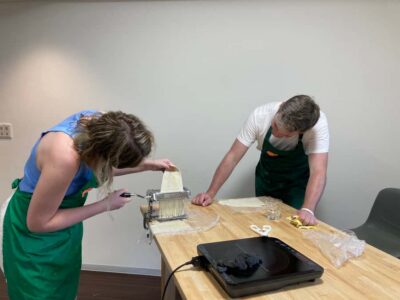 ★ 5.0Osaka: Ramen and Gyoza Cooking Class in DotonboriFrom $70378 reviews
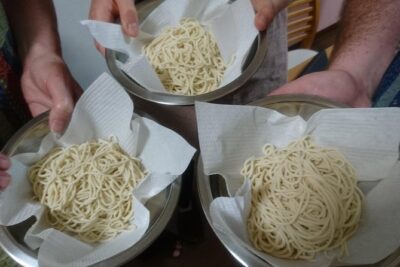 ★ 5.0Ramen and Gyoza Cooking Class in OsakaFrom $79202 reviews
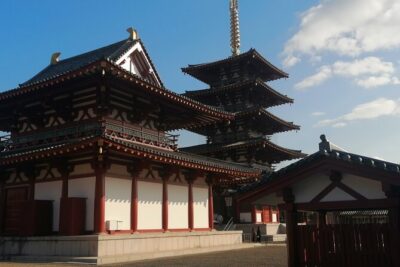 ★ 5.0Walking Tour of Osaka’s 5 Must-See Sights, with Ramen for LunchFrom $58158 reviews
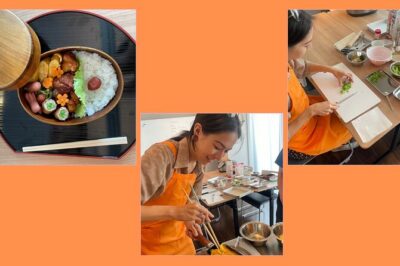 ★ 5.0Cooking Ramen&Gyoza/KatsuCurry/Bento/Okonomiyaki+Store Tour@OsakaFrom $85138 reviews
 ★ 5.0Three Types of Ramen Cooking Class in OsakaFrom $79119 reviews
 ★ 4.9Osaka: Cooking Class Ramen & Gyoza Course in NanbaFrom $7086 reviews
 ★ 5.0Ramen Craftsman Experience in OsakaFrom $4281 reviews
Also worth a look in