
REVIEW · OSAKA RAMEN & GYOZA CLASSES
Cook Homestyle Ramen and Gyoza from scratch
Food you make with your own hands tastes better.
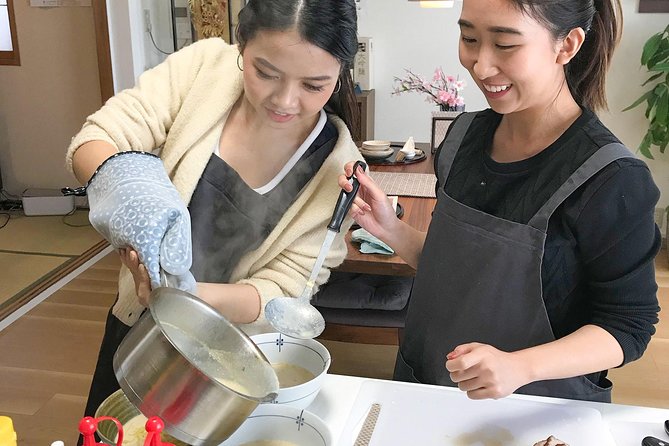
In Osaka, this home-kitchen class is about real ramen craft, not just watching. You learn to build a chicken-based ramen broth fast, plus ramen toppings and gyoza from scratch, then sit down to eat everything you made.
I especially like that you do the work yourself, from preparing ingredients to wrapping dumplings and grilling them. You also get practical guidance for Japanese ingredient swaps if you are cooking abroad, which is exactly the kind of help that makes the class stick with you after the trip.
One consideration: the experience is non-refundable and cannot be changed, so you’ll want to be sure your plans are firm before booking.
Key highlights you should know
- Senri-Chuo start, short walk to a home kitchen so the experience feels local, not staged
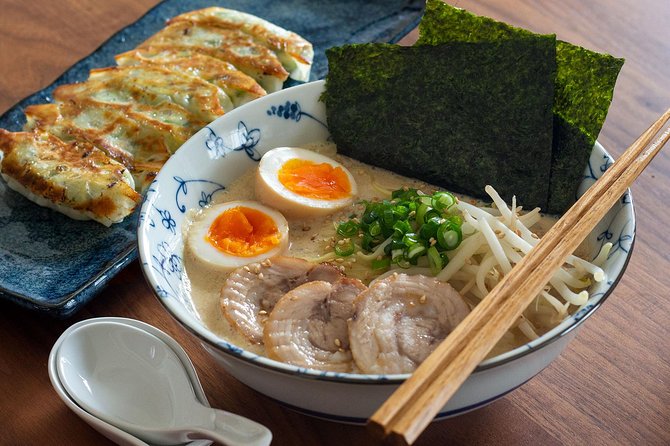
- Chicken ramen broth made in about 30 minutes without leaning on instant soup stock
- Gyoza from scratch including skin and filling, plus wrapping and grilling
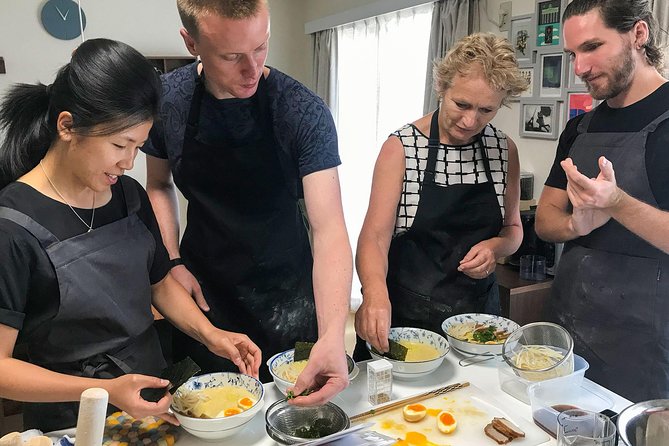
- Small group size (max 5), which usually means more attention when your dough gets sticky
- Recipes designed to be repeatable at home, including ingredient substitution tips
Osaka ramen and gyoza class that turns cooking into a souvenir
This isn’t a “here’s dinner, thanks for coming” situation. The point here is skill building, and you can feel it from the structure: learn the ingredients, watch the steps, then do them yourself. In a city where you can eat ramen any day of the week, that matters.
Ramen can look simple, but it is actually a system. The broth, the toppings, and even the timing all add up. By the end of the class, you are not just eating ramen. You’re understanding how the pieces fit together, so you can recreate it without guessing.
And the gyoza part is a big deal. Many classes focus on one element, like folding dumplings only. Here you learn more of the full arc, from making gyoza skin and filling to wrapping and grilling. That gives you the confidence to make it again at home, not just once.
More broth and more pleats
Getting to Seiki’s home kitchen near Senri-Chuo Station
You start at Senri-Chuo Station and meet at the listed address area, then walk a few minutes to the home kitchen. It’s a relief that the meeting point is near public transportation, because you can plan your day without complicated logistics.
The schedule starts at 10:00 am and the whole class runs about 3 hours. That length is helpful. It’s long enough to make several components from scratch, and short enough that you are not stuck “in the kitchen” all afternoon.
Once you arrive, you get welcome tea and a clear run-through of the ingredients before cooking begins. I like this approach because it turns the kitchen chaos into a sequence you can follow. When you know what each ingredient is supposed to do, the steps make sense.
The ramen broth lesson: creamy chicken soup without instant stock
The ramen centerpiece is a home-style creamy broth built from chicken. What I really appreciate is the promise of speed and method: you learn how to make the broth within about 30 minutes, and you do it without instant soup stock.
That matters for value. Instant stock can make ramen taste decent, but it also limits your understanding. Here, you learn the baseline technique so the next time you cook, you can aim for that same flavor and texture using ingredients you can actually buy.
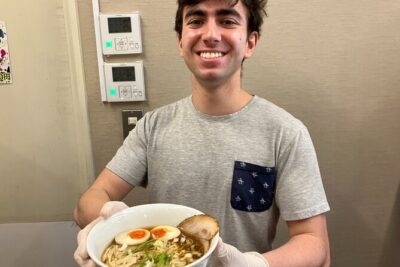
You also prepare ramen garnishes as part of the experience. That includes things like grilled pork and a seasoned egg, plus other toppings. If you’ve ever felt stuck because your ramen at home tastes flat compared to restaurants, this is the fix. Restaurants win not only on broth but on topping balance.
A practical note: creamy broth usually means you pay attention to texture as you cook. You’ll want to listen carefully during the instructions and follow the pacing. When you’re cooking in a home setting with a group of up to five, there’s usually enough time to correct small mistakes without panic.
Ramen toppings you can actually recreate later
This class is designed around repeat cooking. That’s not just a nice line. You are taught to prepare ingredients and toppings so you can make them again when you return home.
Grilled pork and seasoned egg are classic ramen partners, and they also teach useful skills. Grilling pork gives you a sense of how to season and cook for tenderness. The seasoned egg teaches how to build flavor into something that looks simple.
Other toppings are also part of the plan, so you’ll see how ramen isn’t one big pot. It is a bowl assembly. The way you combine components is what creates that “restaurant bowl” feeling.
And there’s another practical advantage I wouldn’t ignore: the instructor creates recipes meant to be easy at home, including ingredient substitutions for when Japanese items are hard to find abroad. If you’ve ever stood in your local supermarket wondering what to replace with what, you’ll appreciate that this class treats that problem head-on.
Making gyoza skin, filling, and then wrapping like you mean it
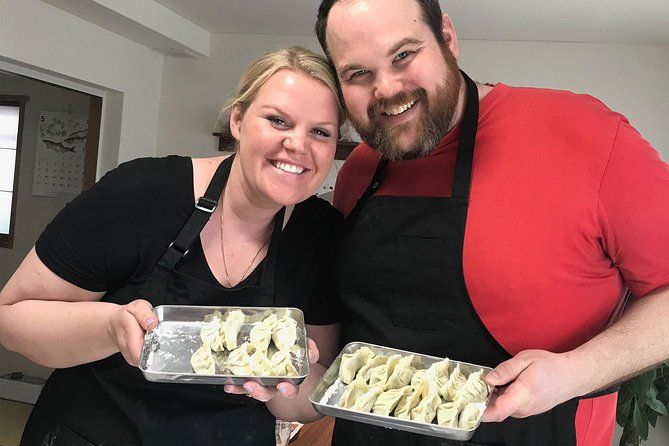
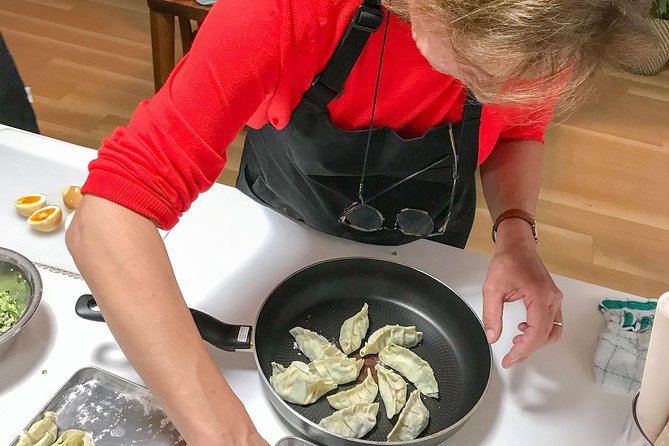
The gyoza portion is where this class becomes hands-on in the most fun way. You learn how to make the gyoza skin and the gyoza filling, then you learn how to wrap the dumplings. Finally, you grill them.
In other words, you cover the whole pipeline. That’s key. If you only learn wrapping, you still have a gap at home. If you only learn filling, you might still feel uncertain about dough thickness and sealing. Here, the class gives you control over the full workflow.
Gyoza wrapping can be fiddly at first. Dough sticks, your fingers get floury, and your first few shapes might look like abstract art. That’s normal, and it’s also why a small group size helps. With a maximum of five travelers, you get more direct help when the fold goes sideways.
The grilling step is another practical win. Pan-fried dumplings are not just “cook it until hot.” You learn the logic behind browning and finishing. That is exactly the kind of knowledge that makes homemade gyoza stop being a one-time experiment.



The instructor style that keeps it patient and doable
The experience is hosted through Japanese Cooking Studio -WA-, and the instructor is Seiki. What stands out is how teaching-focused the session is. The class isn’t just a show. Seiki explains ingredients first, then demonstrates, then brings you in to cook.
Seiki’s vibe is described as enthusiastic and patient, which matters for two reasons. First, ramen and gyoza involve multiple steps. Second, technique takes comfort. If you’re nervous about mess, you cook slower, and time gets tight fast.
This style also helps with kids and beginners. I like that the class is built around doing, not memorizing. The moment you can shape a dumpling or taste-test a topping, you feel progress.
Timing and group flow during the 3-hour session
The session is about 3 hours, starting at 10:00 am. That timing is smart because you need enough time for broth building, topping prep, and dumpling work, but you also want to eat while things are fresh.
A typical flow looks like this:
- meet, then walk a few minutes to the kitchen
- welcome tea and ingredient briefing
- demonstration, then hands-on cooking together
- finish, eat, then chat after cooking
The eating part is not an afterthought. It’s part of the value. You taste what you made, and you can connect technique to flavor immediately. That makes the next attempt at home easier.
With a maximum of five travelers, the pace feels more personal. You’re not fighting for attention. You’re also not stuck waiting for an instructor to get to you. For most people, that balance is exactly what you want in a cooking class.
Price and value: $78 for skills you can repeat
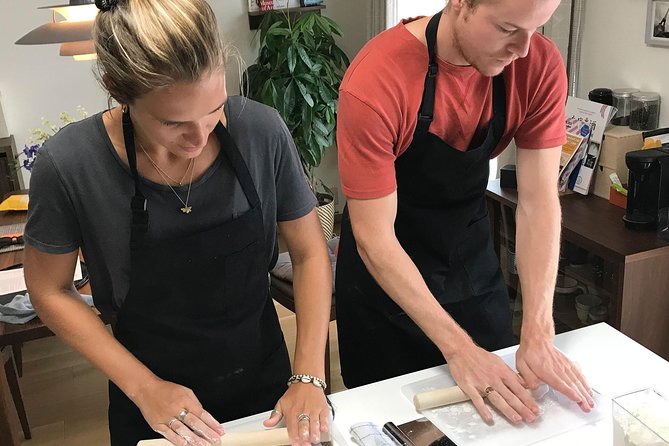
At $78 for about three hours, this class isn’t the cheapest option in Osaka. But it is also not “buying food.” You’re paying for technique, ingredient guidance, and the chance to do gyoza and ramen from scratch.
Here’s how I think about the value:
- You learn chicken-based ramen broth without instant stock
- You learn multiple toppings and how they build a bowl
- You learn gyoza skin, filling, wrapping, and grilling, which is more than a simple snack lesson
- You get home-ready recipes and substitution tips for ingredients abroad
If you normally cook at home, even a few successful repeat meals can justify the price. And even if you don’t cook often, you leave with a framework. You know what to prepare, how to sequence it, and what “right” texture and taste should feel like.
Also, the small group size matters to value. With up to five people, you’re more likely to get corrections. That can save you from wasting ingredients later.
Who should book this Osaka cooking class
I think this fits best if you want something active, not just another food stop. If you enjoy cooking, or you like learning how recipes actually work, you’ll get a lot out of it.
It is also a good match if you have ever tried making ramen or gyoza at home and felt stuck on one step. This class targets the steps people usually mess up: broth method, topping prep, gyoza dough, wrapping, and grilling.
If you are short on time or prefer “minimal hands-on,” you might find the 3-hour cooking format a bit intense. You are going to chop, mix, wrap, and cook. That’s the point, but it’s worth knowing.
Food takeaways that stick, even when you go home
I love classes like this because the best takeaway is not just flavor. It is the set of decisions you learn to make while cooking.
You learn how to think about:
- Broth as a base you build with chicken, not instant shortcuts
- Toppings as structure that add meatiness, richness, and variety
- Dough and sealing as the foundation of gyoza texture
- Timing and heat for grilling dumplings properly
You also get help translating Japanese ingredients when you’re abroad. That part can be a game changer. Even if you can’t find the exact label you saw in Japan, you’ll know how to substitute and still hit the goal.
And then there’s the emotional part. When you eat your own ramen bowl and gyoza, you trust your own hands more. Next time you cook, you’re less afraid to experiment.
Should you book it?
Book this class if you want a small-group, hands-on way to learn Osaka-style comfort food you can reproduce at home. The strongest reasons are the skill set: chicken ramen broth without instant stock, plus gyoza from scratch all the way to grilling.
Skip it if you need a fully passive experience, or if you are uncertain about your schedule since it is non-refundable and cannot be changed. If your calendar is stable, this is the kind of trip memory you can eat again.
If you’re choosing one cooking class in Osaka to take seriously, this is a strong bet.
FAQ
Where is the meeting point for the class?
The start point is Senri-Chuo at 1 Chome-3 Shinsenri Higashimachi, Toyonaka, Osaka 560-0082, Japan. The activity ends back at the meeting point.
What time does the class start?
The class starts at 10:00 am.
How long is the cooking experience?
It runs for approximately 3 hours.
How many people are in the group?
The experience has a maximum of 5 travelers.
What do we cook during the class?
You will learn to make home-style creamy ramen broth and ramen garnishes, and you will also make gyoza from scratch, including the skin and filling, then wrap and grill the gyoza.
Is instant soup stock used for the ramen broth?
The class includes learning how to make ramen broth made from chicken within 30 minutes without instant soup stock.
Is the ticket mobile?
Yes, the experience includes a mobile ticket.
What is the cancellation policy?
This experience is non-refundable and cannot be changed for any reason. If you cancel or request an amendment, the amount you paid will not be refunded.
More Tour Reviews in Osaka Prefecture




Broth, Pleats and Second Helpings

Latest out of Osaka Prefecture


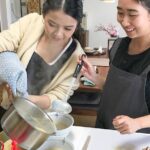
Osaka Ramen & Gyoza Classes, side by side.
 ★ 4.7Osaka: Five Must-See Highlights Walking Tour & Ramen LunchFrom $56411 reviews
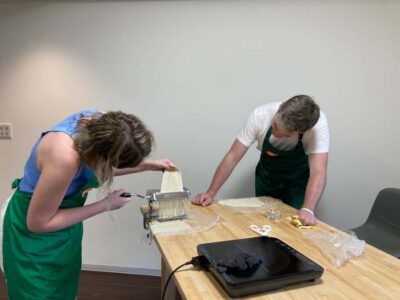 ★ 5.0Osaka: Ramen and Gyoza Cooking Class in DotonboriFrom $70378 reviews
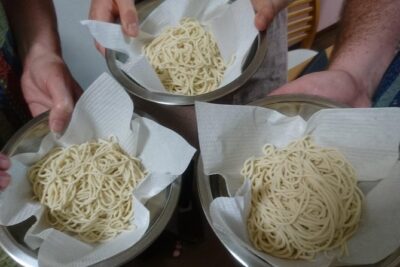 ★ 5.0Ramen and Gyoza Cooking Class in OsakaFrom $79202 reviews
 ★ 5.0Walking Tour of Osaka’s 5 Must-See Sights, with Ramen for LunchFrom $58158 reviews
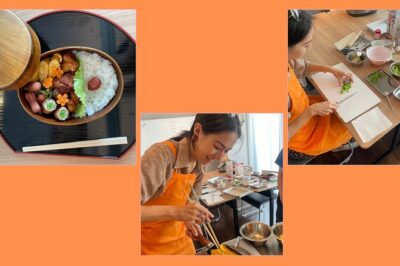 ★ 5.0Cooking Ramen&Gyoza/KatsuCurry/Bento/Okonomiyaki+Store Tour@OsakaFrom $85138 reviews
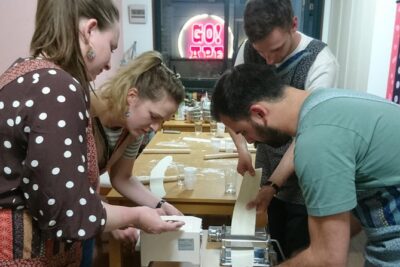 ★ 5.0Three Types of Ramen Cooking Class in OsakaFrom $79119 reviews
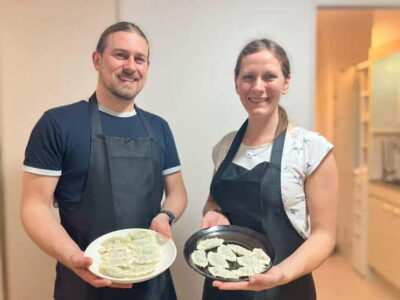 ★ 4.9Osaka: Cooking Class Ramen & Gyoza Course in NanbaFrom $7086 reviews
 ★ 5.0Ramen Craftsman Experience in OsakaFrom $4281 reviews
Also worth a look in