
REVIEW · OSAKA BACKSTREETS & HIDDEN GEMS WALKS
Cooking Class for Ramen and Gyoza in a Quiet Old Osaka House
Ramen gets easier in an old house. This English class teaches you how to build a soy sauce ramen bowl with pork toppings, plus 90-year-old Osaka home-style gyoza, in a calm renovated kitchen studio.
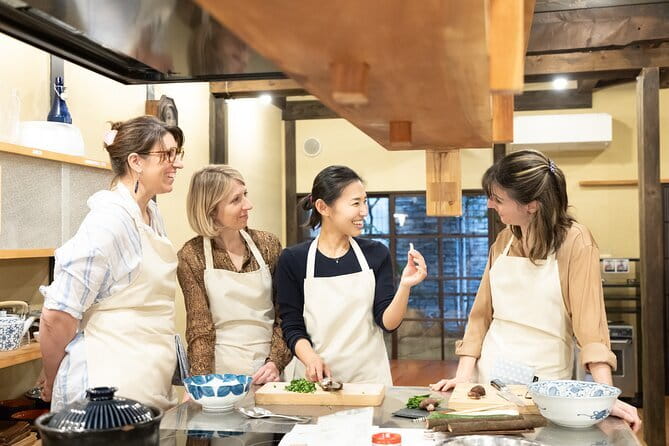
I like the small six-person group size and how the instructor keeps things warm, chatty, and organized, so you are cooking, not just watching. I also love the full meal built into the class, your own soy sauce-based ramen and gyoza with homemade wraps. The main consideration is that the standard lunch includes pork and possibly beef, so if you have strict allergies, flag them at booking and be ready for limited swaps.
Key Highlights You Should Care About
- A renovated 90-year-old house kitchen studio: older wood, calmer energy, and a space that feels like someone’s home cooking room.
- Ayumi, local and class-tested: she grew up eating Japanese home cooking and teaches with a certified dietary education background.
- Hands-on cooking with guided English: you follow along step by step, then sit down and eat what you made.
- Ramen plus gyoza in one session: soy sauce-based ramen with pork toppings, and gyoza with homemade wrap plus pork or beef and vegetables.
- You get take-home chopsticks: Japanese-made chopsticks in origami-style holders with cute decorations.
- Small group max of 6: it is easier to ask questions, get help, and move at a pace that works for everyone.
Step Into Tanimachi’s Quiet Kitchen Studio
This class runs in Osaka’s Tanimachi area, starting at 10:30 am and ending back at the meeting point at 6 Chome-13 Tanimachi, Chuo Ward. The location is near public transportation, which matters in Osaka because you do not want to waste your morning hunting down a meetup.
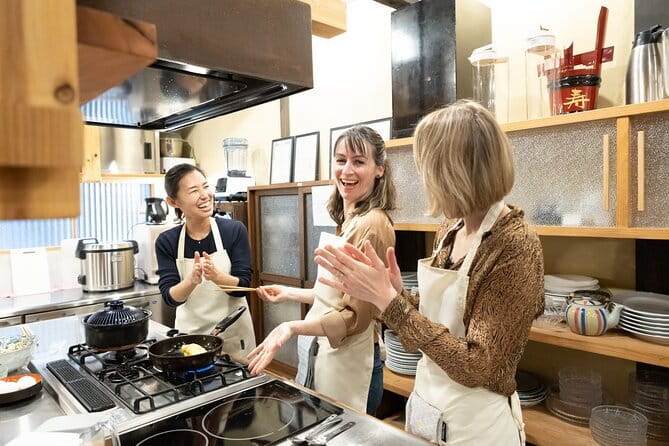
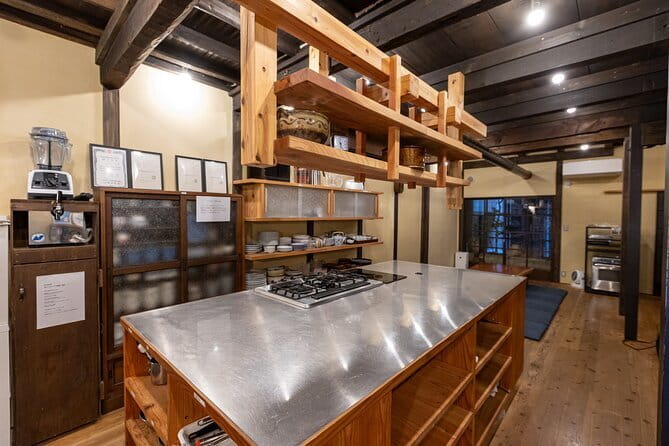
What makes the setting special is the kitchen itself. You are cooking in a renovated house that is about 90 years old. That sounds like a romantic detail, but it also affects the vibe. The rooms feel lived-in and calm, not like a warehouse classroom. You will probably notice it right away when you walk in, because it gives you a “slow down and cook” feeling.
Also, with a maximum of 6 travelers, the room stays manageable. You can actually lean in, see what’s happening, and ask for help without feeling like you are one of many. For a hands-on food class, that small group size is not a minor detail. It changes how much you get out of the session.
Further off the arcade
Ayumi Leads In English, With Home-Cooking Credibility
The instructor, Ayumi, is a local who grew up eating Japanese home cooking every day. That background shows up in how she teaches: it is not just technique, it is the logic behind it, like why certain flavors work together and how Japanese kitchens approach everyday ingredients.
Ayumi is also a certified dietary education instructor and has more than 5 years of experience teaching cooking classes both at home and at school. In plain terms, you are getting someone who can explain what you are doing and how to think about ingredients, especially if you are watching for dietary needs.
If you have food allergies or restrictions, you are instructed to tell the organizer when you book. They say they will try their best to accommodate. I recommend treating this as serious homework for yourself. Send the details early, and keep your phrasing simple: what you cannot have, and what safe alternatives you might accept. It increases the odds of a real solution, not a vague attempt.
One more practical note: this is offered in English, so you should feel comfortable asking questions about ingredients, timing, and flavor balance. When the language is clear, you cook faster and taste smarter.
The Class Starts With Pantry Basics and Japanese Condiments
Before anyone starts grabbing utensils, the class begins with an introduction to ingredients and condiments common in Japanese kitchens. This part is short, but it matters more than people think. Most home cooks fail at ramen and gyoza because they focus on the recipe name and skip the ingredient roles.
In this class, you set the foundation first:
- You learn what key ingredients are doing in flavor and texture.
- You get oriented to the condiments you will see in Japanese home cooking.
- You understand how the steps connect, so when you are busy at the station, you know what you are aiming for.
Then you move into cooking and eating together. That structure is ideal if you want a class that teaches you actual home technique rather than just a plated performance.
Cook Soy Sauce Ramen With Pork Toppings
Lunch includes ramen in a soy sauce-based soup with pork toppings. Even if you already love ramen, making it yourself gives you a new appreciation for what separates a basic bowl from a good one.
Here is what you should expect from the ramen portion:
- You start with the soup approach centered on soy sauce flavor.
- You handle ramen-related prep while Ayumi explains how ingredients are used.
- You assemble and eat your bowl as part of the shared meal.
Because the class is hands-on, you are not stuck waiting for a demo to end. You will be working through steps as a group, with Ayumi guiding you through what to do next. That reduces mistakes and also helps you remember the process later.
If you are the type who wants to cook the results at home, the biggest value in ramen is usually not the exact flavor ratio. It is the method. When you understand the ingredient roles, you can adjust for your own kitchen setup later.
One caution for dietary planning: the ramen includes pork toppings in the standard meal. If pork is an issue for you, you must flag that when booking, and ask what can be changed.
Make Gyoza From Scratch, Wrappers Included

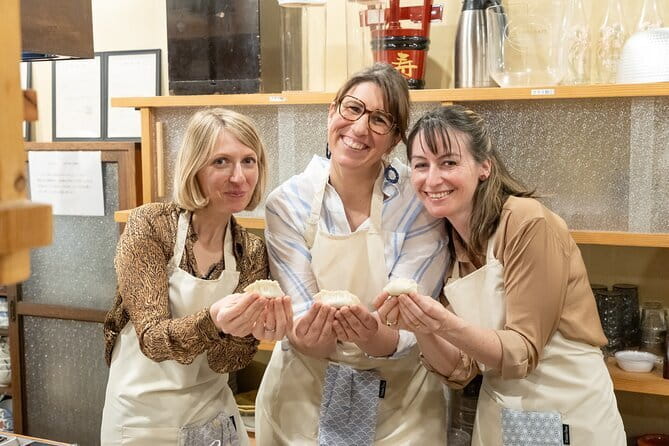
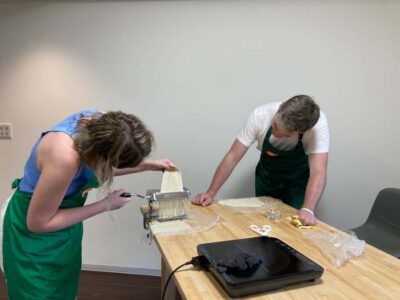
Gyoza is the other star of the day, and the class includes making gyoza with a homemade wrap plus pork or beef and vegetables fillings inside. This is a major point of value. Many classes teach gyoza shaping only, using store-bought wrappers. Here, the homemade wrap component means you learn more of the real technique.
For the gyoza portion, expect a flow like this:
- You work with the dough or wrapper-making process to prepare the base.
- You prepare the filling using pork or beef and vegetables.
- You assemble the gyoza and then cook them as part of the included lunch.
Why this matters at home: gyoza is sensitive to wrapper thickness and filling balance. When you understand the wrap, you can later fix common problems like dumplings that burst or feel too thick.
Also, gyoza is a social food. As you shape them, you will likely get small tips and adjustments from Ayumi, and you can learn from what others are doing at the same time. In a group limited to 6, you actually notice details instead of missing them.
Diet note again: the standard fillings involve pork or beef. If you are avoiding one of those, you need to tell the team ahead of time. They say they try to accommodate, but the menu is not vegan or allergy-free by default.
More kitchen tables to sit at

Shared Lunch Means Real Practice, Plus Cultural Chatter
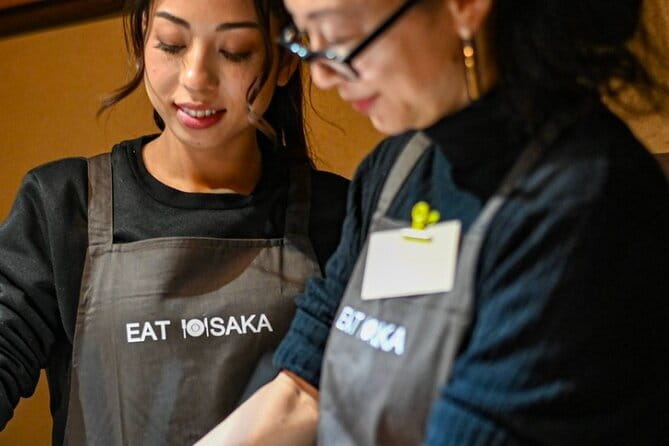
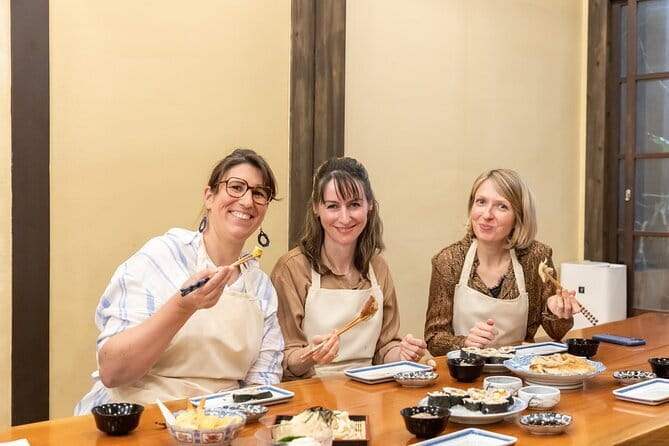
After cooking, you eat together. That is not just a nice perk. It is part of how you learn. When you sit down and eat what you made, you can connect taste to the steps you just performed.
This class also encourages exchanging different food cultures and customs while you cook and eat. In a practical sense, that means you might pick up habits that are easier to remember than a written recipe. For example, you might learn how Japanese home cooks think about seasoning and texture, or how everyday meals balance flavor.
A fun bonus is the take-home item. All participants receive Japanese-made chopsticks in holders made with origami and cute decorations. It sounds small, but it is the kind of souvenir that you will actually use at home. Plus, it is a nice bridge between the class and your next meal.
Price and Value: What You Get for $93.44
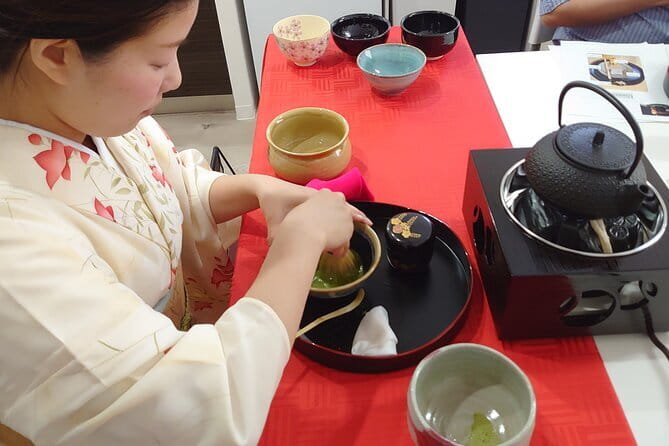
At $93.44 per person, this class sits in the mid-range for cooking experiences in Japan. Here is why it can still be good value for the money.
You are getting:
- 2 hours 45 minutes of guided instruction and hands-on cooking.
- Lunch included, not just tastings, with ramen and gyoza.
- English instruction, so you spend your time cooking rather than decoding.
- A small group cap of 6, which usually translates to more help and less standing around.
- A take-home gift: Japanese-made chopsticks in origami-style holders.
- Ayumi’s teaching background, including certified dietary education and 5+ years of instruction experience.
Another “value” angle is how much you can repeat later. The goal here is not just to have a good meal in Osaka. It is to take home a process you can recreate. The format supports that, because you cook, you eat, then you talk about what you just made.
One small planning detail: it is commonly booked about 38 days in advance on average. That does not mean you cannot find a spot last minute, but it is smart to reserve early if your schedule is tight.
Price also depends on whether you need private time. Shared classes are available here, and private classes exist too, but private booking requires contacting the provider directly. If you are traveling as a family or want more personalized pace, private might be worth asking about.
Who This Ramen and Gyoza Class Is Best For
This works especially well if you:
- Want hands-on Japanese home-cooking skills you can repeat at home.
- Prefer instruction in English and clear step-by-step guidance.
- Like small-group experiences with real conversation.
- Love ramen and gyoza and want to understand the build, not just eat it.
- Enjoy cooking in a calm, old-house setting, not a rushed, assembly-line environment.
It may not be the best fit if:
- You have very strict dietary needs and need major substitutions. The class says they try to accommodate if you tell them at booking, but the default lunch includes pork and gyoza fillings with pork or beef.
- You are looking for a private, one-on-one cooking time. Shared is the default experience, and private requires direct booking.
- You are trying to squeeze this in without clear morning time. It starts at 10:30 am and runs about 2 hours 45 minutes, so plan your day around it.
Also, note about children: accompanying children under 6 years old require booking a private class. That is important for families, because it affects cost and availability.
Should You Book This Osaka Ramen and Gyoza Class?
If you want a genuinely practical food experience, I think this one is an easy yes. You learn ramen and gyoza basics in a way that feels friendly and organized, led by Ayumi, who brings both home-cooking roots and teaching experience. The small group size helps, and the included lunch means you get to taste your work right away.
Book it if you:
- Love ramen and want to make a soy sauce-based bowl with pork toppings.
- Want to go beyond shaping by learning homemade gyoza wraps.
- Prefer English instruction in a quiet, old-house kitchen.
- Want a meal plus a skill you can take home.
Think twice if:
- Pork or beef is a hard no for you and you are not comfortable with possible substitution limits. Send your allergy or restriction details when booking, and ask questions early.
- You want a fully private setup for very young children, since under 6 requires a private class.
If your goal is “I want to cook this again later,” this class is built for that.
Broth, Pleats and Second Helpings


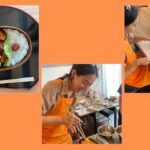

More Kitchen Tables to Sit At

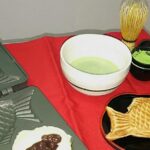

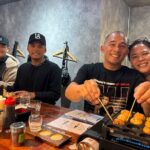
Off the Arcade Again
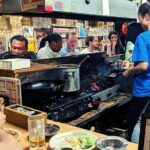





Latest out of Osaka


Osaka Backstreets & Hidden Gems Walks, side by side.
 ★ 5.0Osaka Kickstart: Hotspots & Hidden Gems TourFrom $311,306 reviews
 ★ 5.0Deep Backstreet Osaka Tours (Option to add Dinner)From $531,290 reviews
 ★ 4.9Osaka: Deep Backstreets Walking Tour with Dinner OptionFrom $40902 reviews
 ★ 5.0Ultimate Osaka Walking Tour: Castle, Dotonbori & Hidden GemsFrom $73862 reviews
 ★ 5.0Private Osaka Walking Tour: Highlights & Hidden GemsFrom $81569 reviews
 ★ 4.9Osaka: Dark Side of Osaka Night Walking TourFrom $2589 reviews
 ★ 4.5Retro Osaka Street Food Tour: ShinsekaiFrom $21777 reviews
 ★ 5.0The Dark Side of Osaka Walking TourFrom $2549 reviews